Table of Contents
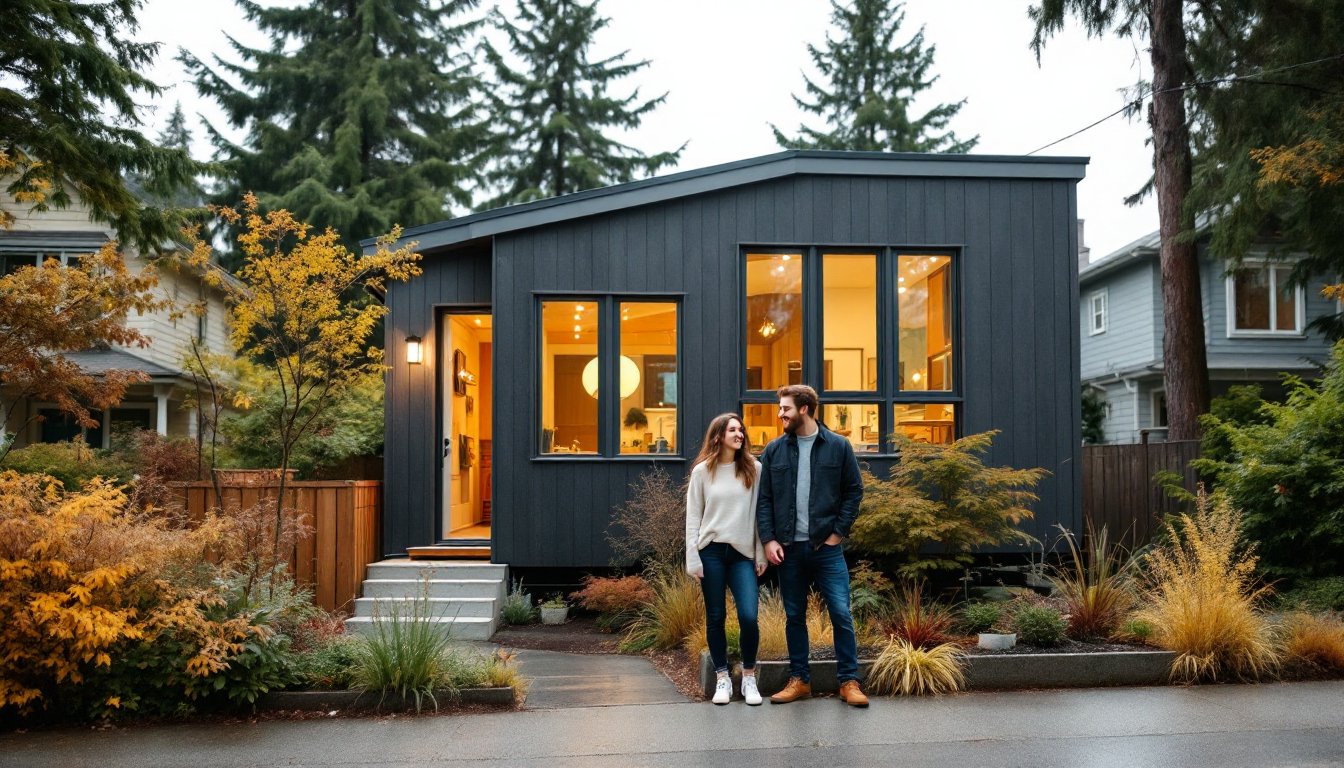
ToggleSeattle’s housing market has reached a breaking point. With median home prices climbing past $700,000 and rents consuming nearly 40% of household income, more residents are turning to tiny homes as a practical alternative. These compact dwellings, typically 200 to 400 square feet, offer an escape from traditional financing nightmares and endless commutes. Whether you’re a first-time buyer, a downsizer, or someone seeking financial freedom, tiny homes in Seattle represent a tangible solution to the region’s affordability crisis. This guide explores why the tiny home movement is gaining momentum in the Pacific Northwest and how you can evaluate whether this lifestyle fits your circumstances.
Key Takeaways
- Tiny homes in Seattle address the affordability crisis with mortgage payments ranging from $800–$1,500 per month, compared to $2,500+ for traditional starter homes, freeing hundreds of thousands of dollars over a 30-year loan.
- Seattle recently updated zoning regulations to permit accessory dwelling units (ADUs) in all single-family zones and reduced minimum unit size to 200 square feet, removing barriers for tiny home construction.
- Tiny homes cost $150–$250 per square foot in Seattle, with complete prefabricated options available for $60,000–$120,000, making homeownership accessible to first-time buyers and downsizers.
- Successful tiny home design requires ruthless prioritization, vertical storage solutions, open floor plans, and multi-functional furniture that maximize every square foot without feeling cramped.
- Occupancy rates in Seattle’s tiny home developments exceed 90% with waiting lists, demonstrating strong demand from younger homebuyers, retirees, and professionals seeking financial independence and sustainable living.
The Rising Popularity Of Tiny Homes In Seattle
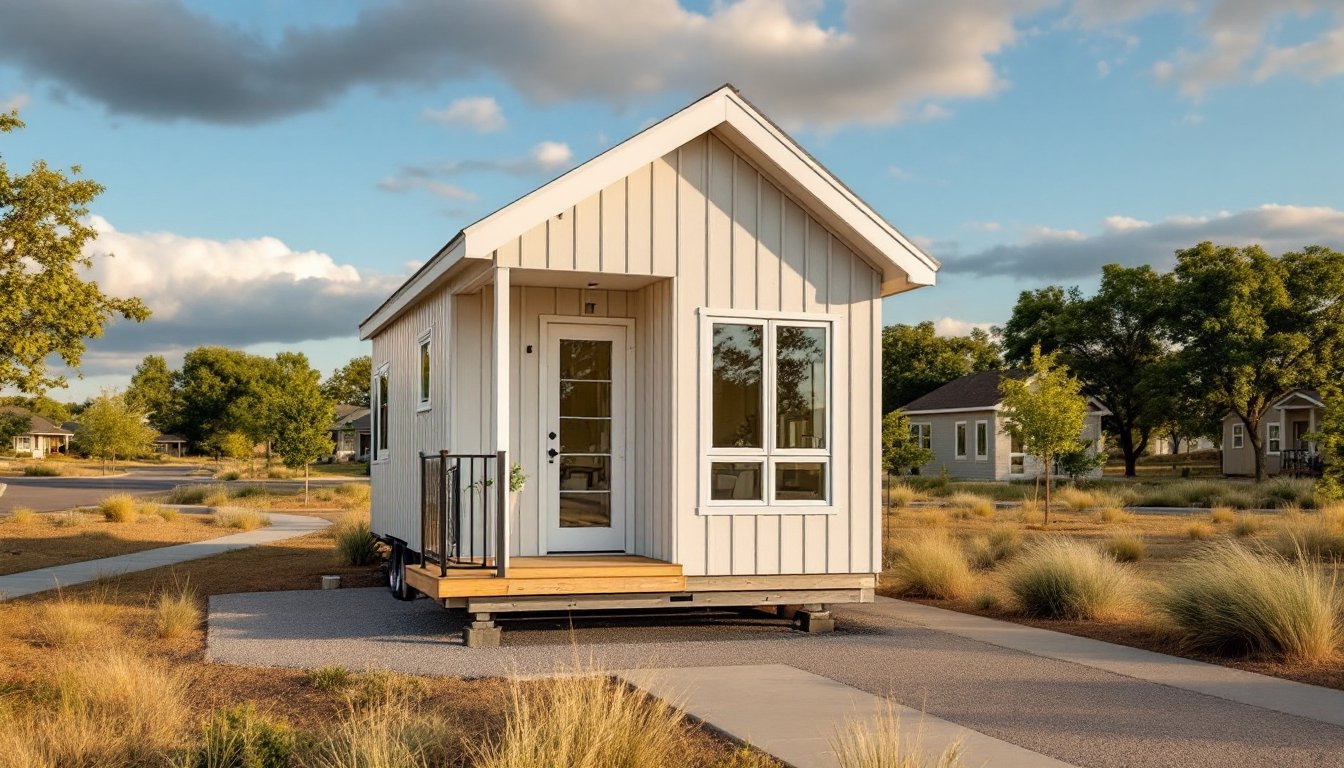
Seattle’s tiny home market has exploded over the past five years. What started as a fringe experiment has become a recognized housing category, with dozens of tiny home communities and development projects underway across King County. The shift reflects broader demographic changes: younger homebuyers priced out of starter homes, retirees downsizing without sacrificing independence, and professionals drawn to minimalist lifestyles.
The data tells the story. Seattle’s tiny home developments have seen occupancy rates exceed 90%, with waiting lists for new units. Companies like Blokable and Prescott Investors have launched micro-housing projects specifically targeting the Seattle metro area. Even established neighborhoods like Beacon Hill and Georgetown have zoning amendments to permit more efficient housing. This isn’t speculation, it’s supply and demand responding to real market conditions.
Building codes and zoning tweaks have made tiny homes more viable than ever. The city of Seattle updated its minimum unit size requirements and clarified rules for backyard cottages (often called accessory dwelling units or ADUs). These regulatory shifts removed barriers that made tiny home construction impractical for average builders. The result: more people can afford to build or buy, and more neighborhoods can accommodate density without feeling cramped.
Why Seattle Homeowners Are Embracing Compact Living
The reasons Seattle homeowners choose tiny homes boil down to economics, lifestyle, and practicality. Monthly housing costs drop dramatically, mortgage payments often range from $800 to $1,500, compared to $2,500+ for a typical starter home. Over a 30-year loan, that difference equals hundreds of thousands of dollars freed up for travel, education, savings, or retirement.
Beyond money, compact living forces intentional choices. You can’t accumulate clutter if you have 300 square feet. Cleaning takes an afternoon instead of a weekend. Heating and cooling costs plummet. Commutes from affordable neighborhoods become manageable when housing itself doesn’t demand a six-figure salary. These aren’t abstract benefits, they’re daily quality-of-life improvements that resonate with Seattle’s pragmatic culture.
The environmental appeal matters too. Smaller homes consume less energy, require fewer materials, and reduce carbon footprints. For Seattle residents who care about sustainability (and many do), tiny homes align values with lived experience.
Key Benefits For Your Home And Lifestyle
Owning a tiny home offers several concrete advantages. First, affordability: lower purchase price, lower mortgage, lower utilities. Second, lower maintenance burden, there’s simply less to maintain, repair, and clean. Third, flexibility: if life circumstances change, it’s easier to sell a $250,000 property than a $700,000 one. Fourth, community: many tiny home developments foster social connection through shared spaces and proximity.
Financial independence comes sooner when you’re not house-poor. You can retire earlier, change careers, or spend money on experiences rather than constantly upgrading your living situation. For families, a 300-square-foot cottage teaches kids that bigger doesn’t mean better. For single occupants or couples without children, it removes the guilt of “empty rooms” you don’t use.
Tiny homes tips can transform a cramped space into a functional, comfortable dwelling. The tiny home movement continues to prove that square footage doesn’t determine happiness, intentional design and smart choices do.
Seattle Zoning And Regulations For Tiny Home Construction
Before buying land or breaking ground, understand Seattle’s zoning rules. The city recently made significant changes to encourage affordable housing density. Accessory dwelling units (ADUs) are now permitted in all single-family zones, though lot size and setback requirements vary by neighborhood.
Seattle’s minimum unit size for residential construction is now 200 square feet (down from higher thresholds). But, “tiny” by modern standards often means 250–400 square feet, a size that allows for comfortable living while maintaining affordability. Check with the Seattle Department of Construction & Inspections (SDCI) to confirm current rules for your specific lot and neighborhood, as zoning codes update periodically and some areas have additional restrictions.
Permitting is mandatory for any tiny home construction, whether it’s a detached ADU on your property or a manufactured unit placed on your land. You’ll need to submit site plans, floor plans, utility connections, and often an environmental review. Budget 2–4 months for permitting in Seattle, and expect to pay $1,500–$3,000 in permit fees depending on project scope. This isn’t optional, unpermitted construction invites fines and forced removal.
Building codes apply fully to tiny homes. You must meet the International Building Code (IBC), which covers structural safety, electrical systems (National Electrical Code), plumbing (Uniform Plumbing Code), and fire safety. Manufactured or mobile tiny homes must comply with HUD standards and local placement codes. If your project is complex, hire a structural engineer or architect familiar with ADU/tiny home regulations in Seattle, the $1,500–$2,500 investment protects you from costly mistakes.
One critical point: tiny homes techniques have changed the way people think about residential construction. Standard building materials and methods don’t always translate to 300-square-foot spaces, so work with builders or designers who have completed tiny homes in your jurisdiction.
Designing Your Tiny Home: Smart Space Solutions
Tiny home design requires ruthless prioritization. Every square foot must earn its keep. Start by listing your non-negotiables: Do you need a bedroom or is a sleeping nook enough? Do you cook, or do you eat out? Do you have hobbies that require dedicated space? Your answers shape the entire layout.
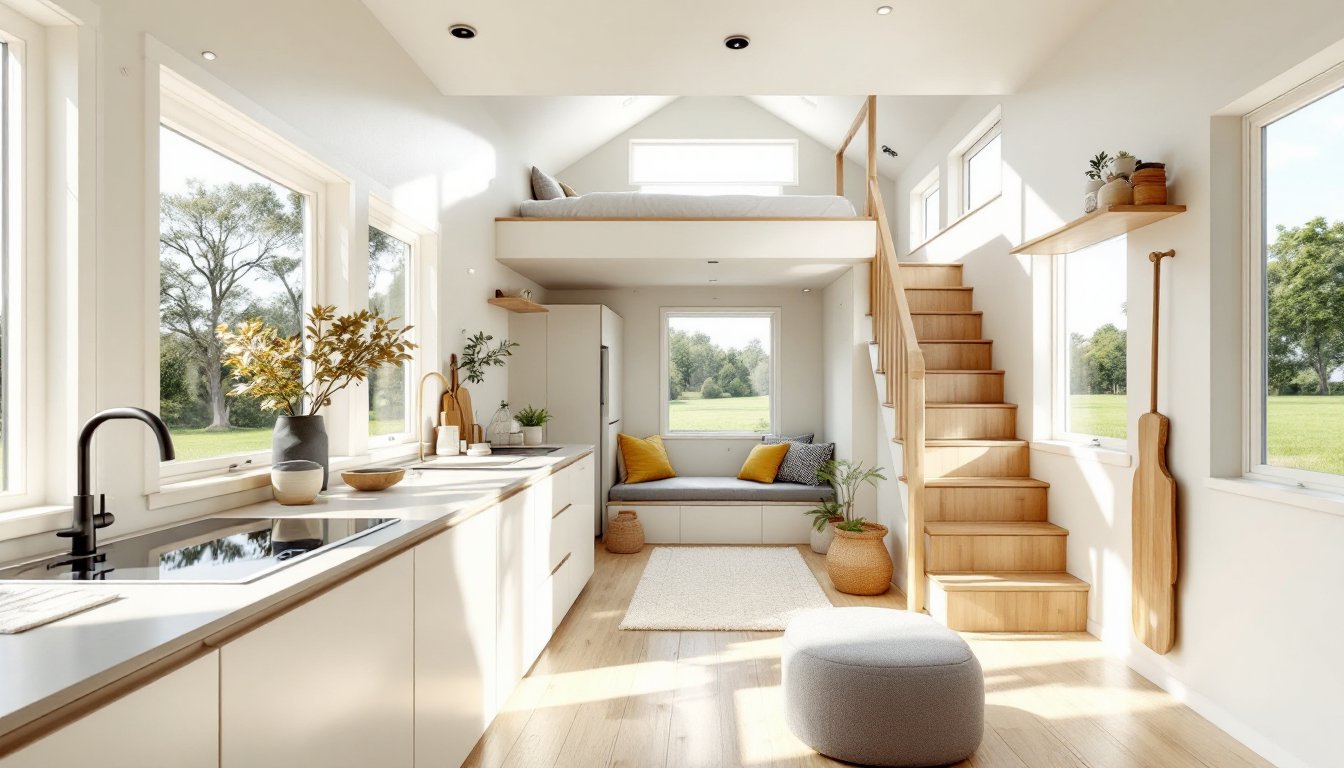
Open floor plans are almost mandatory in tiny homes. Combining living, kitchen, and dining into one space makes 250 square feet feel expansive. Use area rugs, lighting zones, and low partitions to define spaces without walls. An island or peninsula can serve as both counter space and a visual divider between kitchen and living areas.
Vertical storage wins in tiny homes. Floor-to-ceiling shelving, wall-mounted cabinets, and loft sleeping areas reclaim square footage. A sleeping loft above the kitchen or living area can give you 30–50 extra usable square feet without expanding the footprint. Stairs with built-in drawers serve double duty. Under-bed storage (if the bed sits 18+ inches high) captures dead space.
Murphy beds or fold-down beds work for some, though they require discipline, you can’t leave the bed deployed while working from the kitchen two feet away. Tiny homes designed for full-time living generally benefit from a dedicated bedroom, even if it’s only 100 square feet, because it provides mental separation and a quiet refuge.
Interior Design Tips For Maximizing Small Spaces
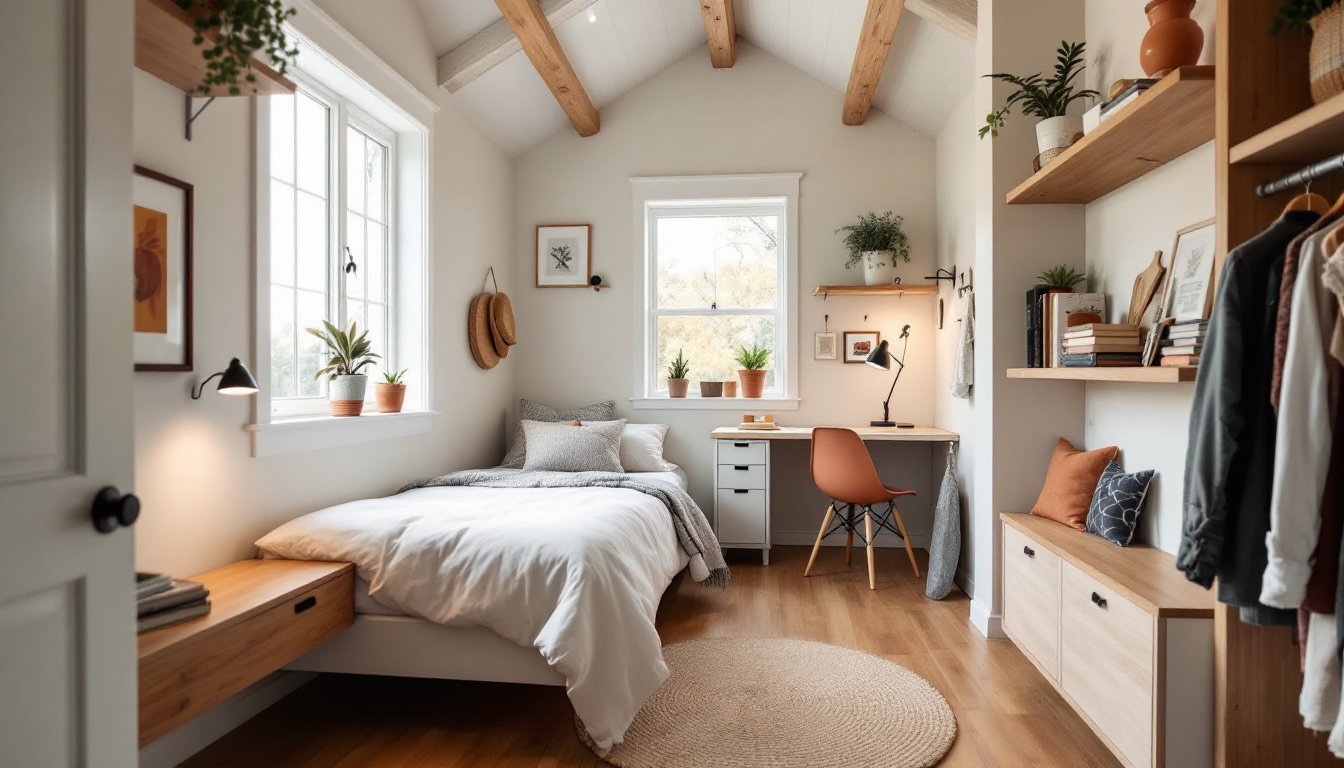
Light colors expand perceived space. Whites, light grays, and soft pastels reflect light and make rooms feel larger than they are. Dark colors feel cozy in large spaces but can suffocate small ones. That said, an accent wall or built-in shelving in a deeper tone adds visual interest without overwhelming the room.
Multi-functional furniture is non-negotiable. An ottoman with storage, a dining table that folds into a desk, or a bench seat with under-storage multiply your space’s capabilities. Avoid bulky standalone pieces: built-ins and wall-mounted elements preserve floor space for movement.
Lighting layers prevent the “shoebox” feeling. Overhead lights, task lighting (under-cabinet, over-sink), and ambient options (lamps, LED strips) allow you to adjust brightness and mood. Good lighting makes a small space feel intentional, not cramped.
Windows and reflective surfaces (mirrors, glass shelves) amplify natural light and create the illusion of depth. If your tiny home has limited windows, mirrors opposite glass panels bounce light throughout the space. Small space living ideas from Apartment Therapy show how thoughtful placement of mirrors and reflective materials can transform compact areas.
Decluttering is permanent in tiny homes. You can’t store a decade of items “just in case.” Adopt a one-in-one-out rule: if you buy something new, something leaves. This mindset shift, from accumulation to curation, is the biggest adjustment for people moving from larger homes.
Cost-Effective Building And Renovation Strategies
Building a tiny home in Seattle costs $150–$250 per square foot for basic construction (labor, materials, and permits), compared to $200–$300+ for traditional homes. A 300-square-foot tiny home might cost $45,000–$75,000 in hard construction costs before land and site preparation. That’s affordable, but smart choices reduce costs further.
Prefabricated and modular options can save money and time. Companies delivering factory-built tiny homes to Seattle often charge $60,000–$120,000 all-in, depending on customization. Factory construction reduces labor waste and speeds assembly, you’re paying for efficiency. If you source a used or reconditioned tiny home (many resell for 20–30% less), costs drop dramatically.
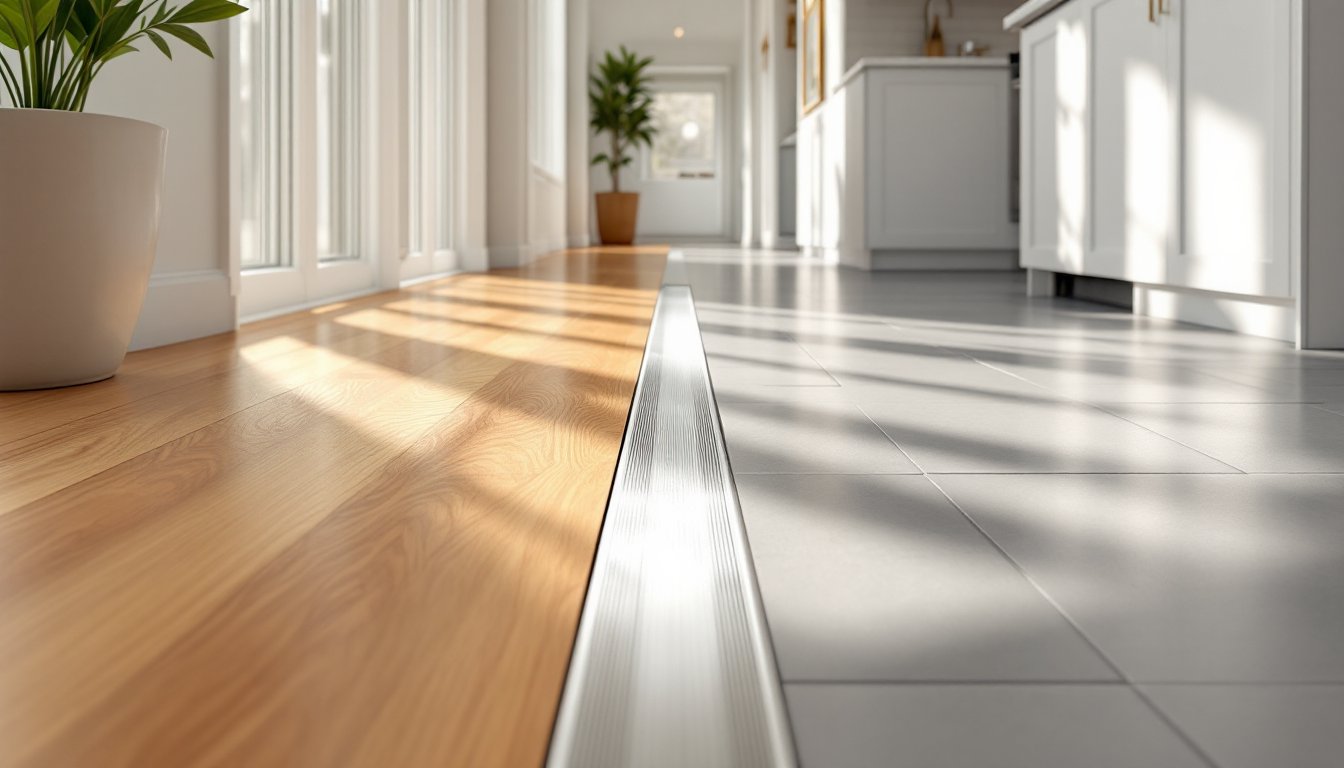
Material choices matter enormously. Plywood underlayment, vinyl flooring, and laminate counters cost far less than hardwood, tile, and granite but require more maintenance. In a tiny home, you’re in contact with finishes constantly, so balance durability with budget. A quality vinyl plank floor ($2–$4 per square foot installed) outlasts cheap laminate and costs less than real hardwood.
DIY-friendly finishes include painting, simple drywall patching, and basic tile work. If you’re comfortable with a drill and a level, handling interior finish work saves 20–30% on labor costs. Structural work (framing, electrical, plumbing) should go to licensed professionals in Seattle, the permit inspector will verify this anyway.
Site preparation and utilities are hidden cost drivers. If your lot requires grading, drainage work, or utility extensions, budget an extra $5,000–$15,000. A properly engineered foundation appropriate to Seattle’s wet climate might cost $8,000–$12,000. These aren’t optional, they protect your investment from settling and water damage.
Tiny homes strategies help people live better in less space. Consulting with local builders who’ve completed ADUs or tiny homes in Seattle reveals cost-saving shortcuts and material choices proven to work in the region’s wet climate. Real estate and design trends from Curbed highlight emerging micro-housing developments where lessons learned inform your own project.
Conclusion
Tiny homes in Seattle address a genuine housing crisis with a practical solution. Lower costs, intentional living, and access to homeownership make the tiny home lifestyle increasingly attractive. Success requires understanding zoning rules, working with experienced builders, and designing ruthlessly for your actual needs rather than hypothetical ones. If you’re ready to explore this path, start by consulting Seattle’s SDCI zoning resources, connecting with local builders who specialize in ADUs and tiny homes, and honestly assessing what you need from your living space. The tiny home movement isn’t for everyone, but for Seattle homeowners facing affordability barriers, it’s a gateway to financial independence and intentional living.