Table of Contents
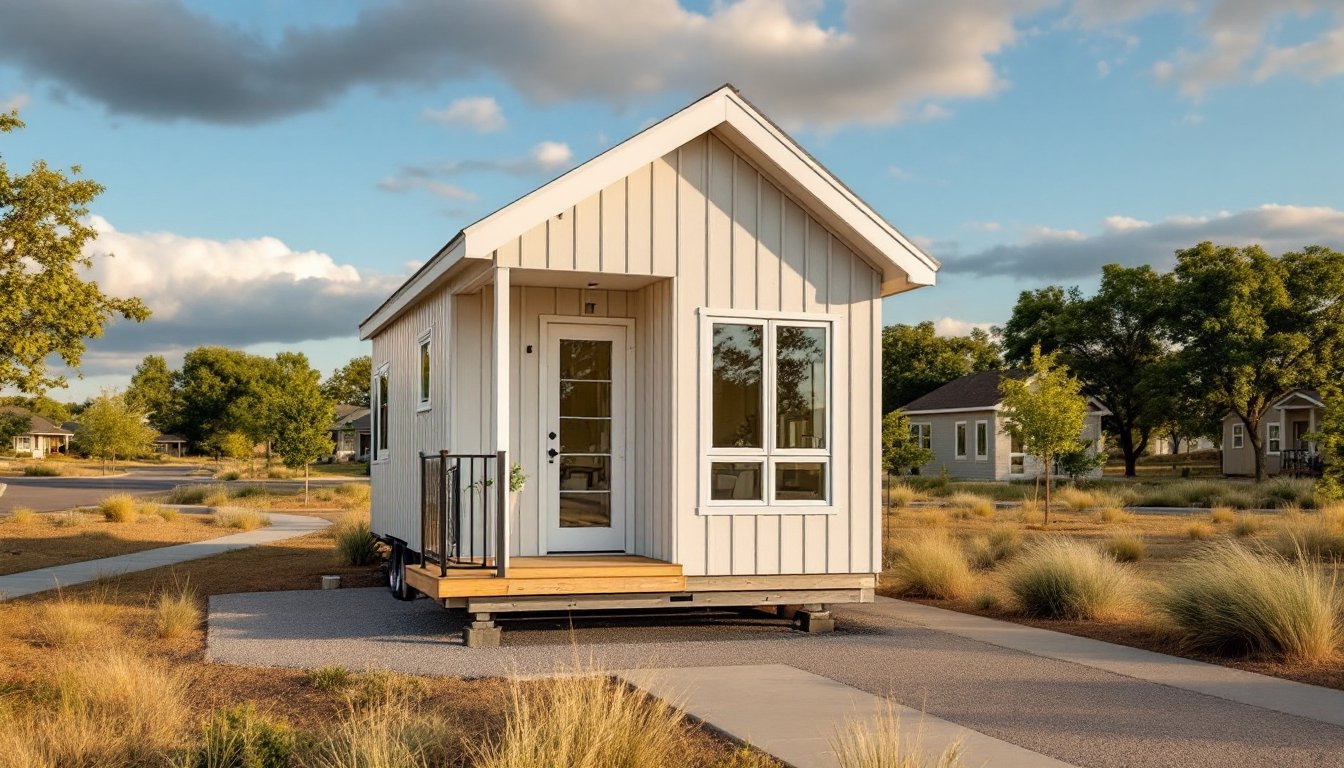
ToggleTiny homes tips can transform a cramped space into a functional, comfortable dwelling. The tiny home movement continues to grow as more people seek affordable housing, environmental sustainability, and simpler lifestyles. But living in 400 square feet or less requires smart planning. Without the right strategies, small spaces quickly become cluttered and frustrating.
This guide covers practical tiny homes tips that address the real challenges of compact living. From storage solutions to utility management, these insights help tiny home dwellers make the most of every inch. Whether someone is building their first tiny home or improving an existing one, these strategies deliver results.
Key Takeaways
- Maximize vertical space with ceiling-height shelves, pegboards, and wall-mounted storage to keep your tiny home clutter-free.
- Choose multi-functional furniture like beds with built-in drawers and fold-down desks to eliminate the need for separate storage pieces.
- Select a tiny home layout based on your daily activities—prioritize kitchen space for cooking enthusiasts or a dedicated nook for remote work.
- Use large windows, light colors, and mirrors to make small interiors feel more spacious and inviting.
- Plan your utility systems carefully, considering solar power, composting toilets, and gray water recycling for off-grid flexibility.
- Research local zoning laws and rent a tiny home before buying to avoid costly mistakes and ensure the lifestyle fits your needs.
Maximizing Storage in Limited Square Footage
Storage defines the success or failure of tiny home living. Every square inch counts, and smart storage solutions prevent clutter from taking over.
Vertical Space Is Underutilized Real Estate
Most tiny home owners focus on floor space and forget about walls and ceilings. Installing shelves up to the ceiling creates storage that doesn’t eat into living areas. Pegboards in kitchens hold utensils, pots, and pans. Wall-mounted magnetic strips keep knives and metal tools organized and accessible.
Multi-Functional Furniture Earns Its Place
Furniture in tiny homes should serve at least two purposes. A bed with built-in drawers stores clothing and linens. Ottoman coffee tables open to reveal hidden compartments. Fold-down desks attach to walls and disappear when not needed. These tiny homes tips eliminate the need for separate storage furniture.
The Stair Strategy
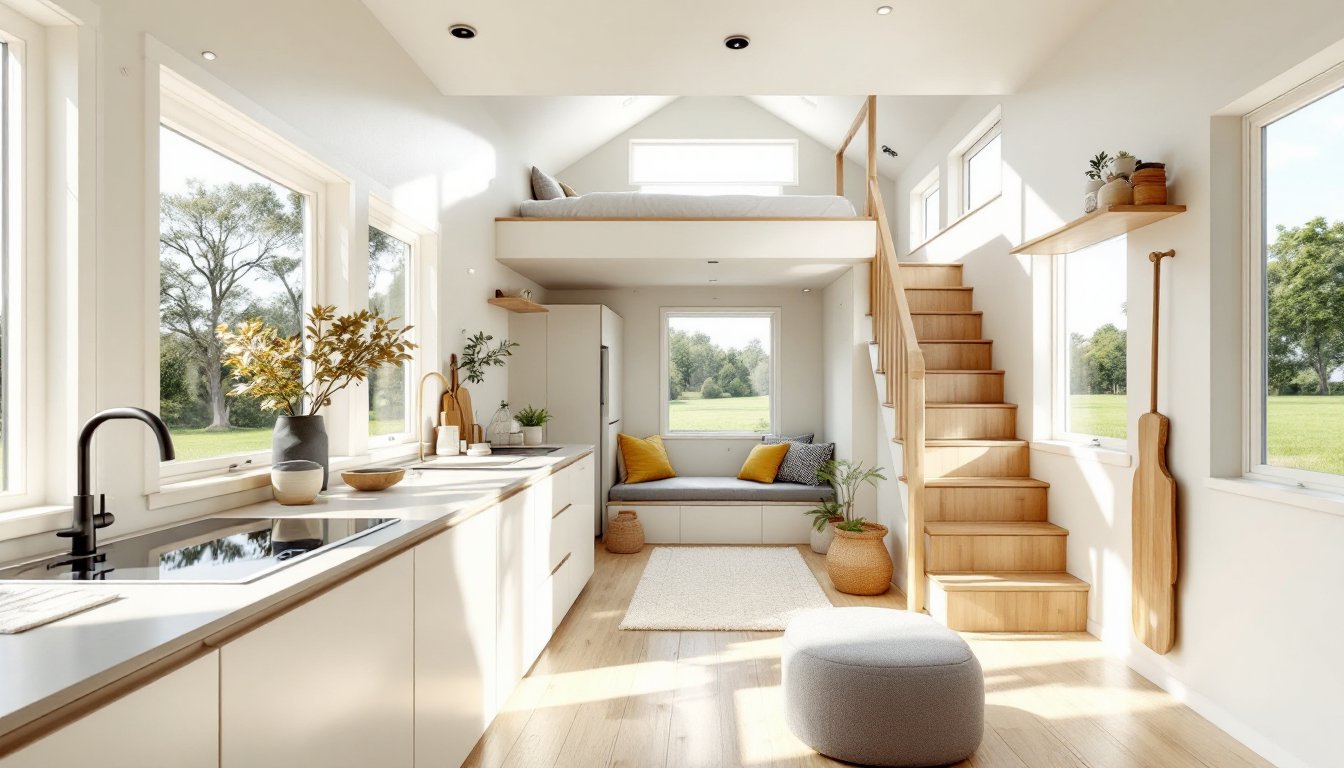
For tiny homes with lofts, the staircase presents a storage opportunity. Each stair step can function as a drawer. Some builders create pull-out cabinets beneath each tread. This approach uses space that would otherwise sit empty.
Decluttering Stays Constant
No storage system works if possessions exceed capacity. Tiny home dwellers benefit from regular decluttering sessions. The one-in-one-out rule keeps belongings manageable. If something new comes in, something old goes out.
Choosing the Right Layout for Your Lifestyle
The layout of a tiny home affects daily routines more than any other design decision. A floor plan that works for a remote worker differs from one suited to a traveling couple.
Consider Daily Activities First
Before selecting a layout, tiny home buyers should list their daily activities. Does the occupant cook elaborate meals? A larger kitchen makes sense. Does work happen from home? A dedicated office nook becomes essential. These tiny homes tips start with honest lifestyle assessment.
Open vs. Divided Spaces
Open floor plans create the illusion of more space. They work well for single occupants or couples who share schedules. Divided layouts with partial walls or curtains suit those who need privacy or separation between work and relaxation zones.
Loft Bedrooms Save Floor Space
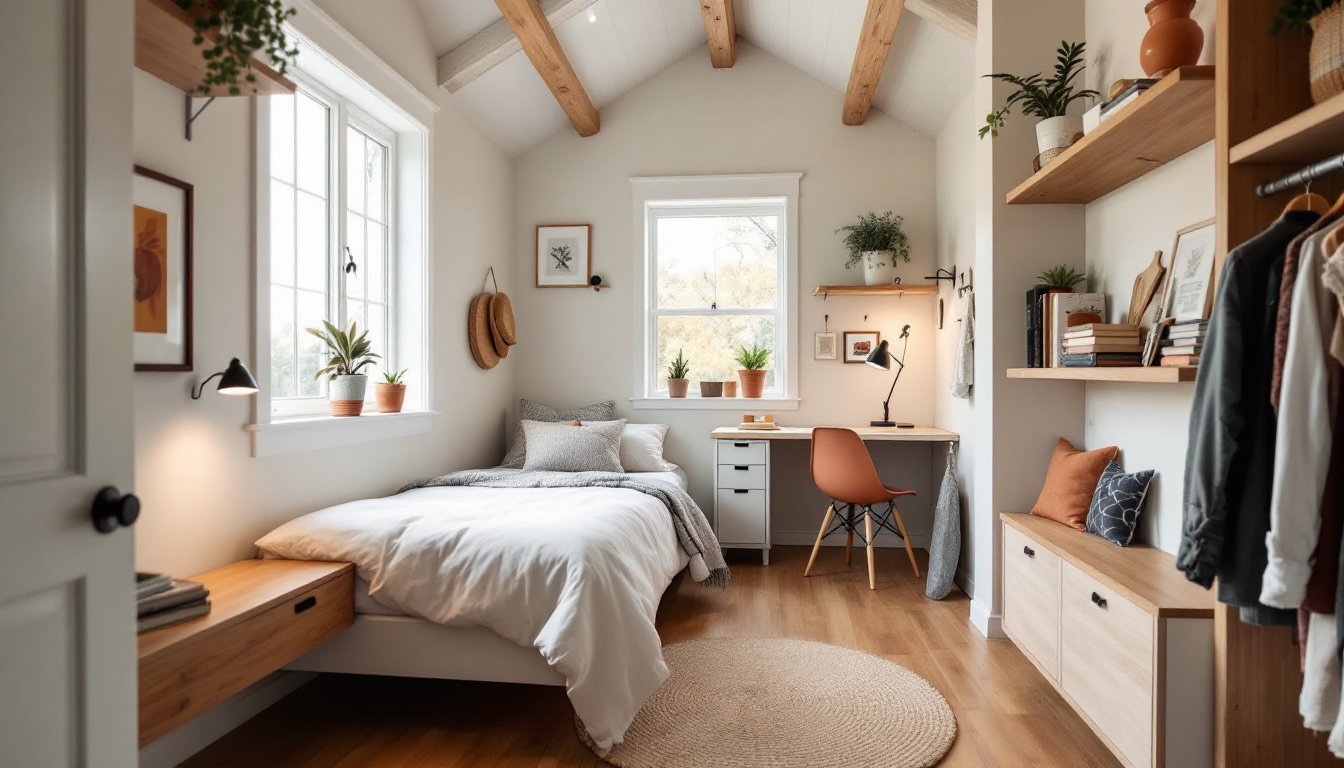
Most tiny homes feature sleeping lofts accessed by ladder or stairs. This design frees ground-level square footage for living areas. But, lofts don’t work for everyone. People with mobility issues or those who dislike climbing should consider ground-floor sleeping arrangements.
Traffic Flow Matters
A beautiful layout fails if moving through the space feels awkward. At minimum, pathways should allow comfortable movement without bumping into furniture. Good tiny homes tips always account for how people actually move through their homes.
Smart Design Features That Make a Difference
Certain design choices dramatically improve tiny home livability. These features require planning during the build phase but pay dividends for years.
Windows Create Psychological Space
Large windows and skylights make small interiors feel larger. Natural light reduces the need for artificial lighting during daylight hours. Strategic window placement also improves cross-ventilation, reducing cooling costs.
Light Colors Expand Visual Perception
White and light-colored walls reflect light and create an open feeling. Dark colors absorb light and make spaces feel smaller. This doesn’t mean everything must be white, accent colors add personality without shrinking the visual space.
Built-In Features Beat Standalone Items
Built-in benches, tables, and shelving use space more efficiently than freestanding furniture. They also create a cohesive look. A built-in dining nook with bench seating tucks against a wall. A standalone table and chairs would consume significantly more floor area.
Mirrors and Reflective Surfaces
Mirrors trick the eye into perceiving more depth. Placing a large mirror opposite a window effectively doubles the natural light. Glass cabinet doors and metallic fixtures add subtle reflections throughout the space. These tiny homes tips use visual psychology to expand perceived square footage.
Managing Utilities and Off-Grid Options
Utility management presents unique challenges in tiny homes. Many owners pursue partial or complete off-grid capability to increase location flexibility.
Water Systems Require Planning
Tiny homes need reliable water sources. Grid-connected homes tap into municipal water supplies. Off-grid options include rainwater collection, well water, or hauled water stored in tanks. Freshwater tanks typically range from 40 to 100 gallons. Gray water systems recycle sink and shower water for non-potable uses.
Power Options Vary Widely
Solar panels power many off-grid tiny homes. A typical system includes 400 to 1,200 watts of solar panels, a battery bank, and an inverter. Grid-tied homes simply connect to standard electrical service. Some owners install both, using solar as primary power with grid backup.
Heating and Cooling Solutions
Small spaces heat and cool quickly. Mini-split systems provide efficient climate control for tiny homes. Propane heaters work well for off-grid situations. Wood stoves add ambiance but require proper ventilation and clearance from combustible materials. Good insulation reduces heating and cooling demands significantly.
Composting Toilets Save Water
Traditional flush toilets use 1.6 gallons per flush. Composting toilets use none. They break down waste into usable compost over time. Modern composting toilets don’t smell when properly maintained. These tiny homes tips help owners reduce water consumption and sewage concerns.
Avoiding Common Tiny Home Mistakes
New tiny home owners often repeat the same errors. Learning from others’ mistakes saves money, time, and frustration.
Underestimating Costs
Tiny homes cost less than traditional houses, but they’re not cheap. Professional builds typically range from $30,000 to $60,000. DIY projects often exceed initial budgets by 20% to 40%. Realistic cost estimates include land, permits, utilities, and furnishing.
Ignoring Local Regulations
Zoning laws and building codes vary dramatically by location. Some areas prohibit tiny homes entirely. Others allow them only as accessory dwelling units on existing properties. Research local regulations before purchasing or building. This tiny homes tip prevents expensive legal problems.
Buying Before Trying
Many people romanticize tiny home living without experiencing it. Renting a tiny home for a week or month reveals whether the lifestyle actually fits. Some discover they love the simplicity. Others realize they need more space.
Skimping on Insulation
Poor insulation creates uncomfortable living conditions and high energy bills. Tiny homes in cold climates need proper wall, floor, and ceiling insulation. Spray foam provides excellent coverage for small spaces. Good insulation costs more upfront but pays for itself through reduced heating and cooling expenses.