Table of Contents
ToggleA tiny homes guide can help people decide if downsizing is the right move. These compact dwellings typically range from 100 to 400 square feet and have become a popular housing alternative in recent years. Some people choose tiny homes to save money. Others want to reduce their environmental footprint or simplify their lives. Whatever the motivation, going small requires careful planning and research. This guide covers the essentials, what tiny homes are, their benefits, the different types available, and the critical factors to consider before making the leap.
Key Takeaways
- A tiny homes guide helps you understand the benefits, types, and legal considerations before downsizing to 100–400 square feet of living space.
- Tiny homes cost between $30,000 and $60,000 on average, offering significant savings on mortgages and monthly utility bills.
- Popular tiny home types include houses on wheels (THOWs), foundation-built homes, shipping container homes, ADUs, and converted vehicles.
- Zoning laws and minimum square footage requirements vary by location, making local research essential before buying or building.
- Beyond purchase price, budget for land costs, utility hookups, insurance, and potential external storage needs.
- Climate considerations directly impact design requirements—proper insulation, heating, and ventilation are critical for year-round comfort.
What Is a Tiny Home?
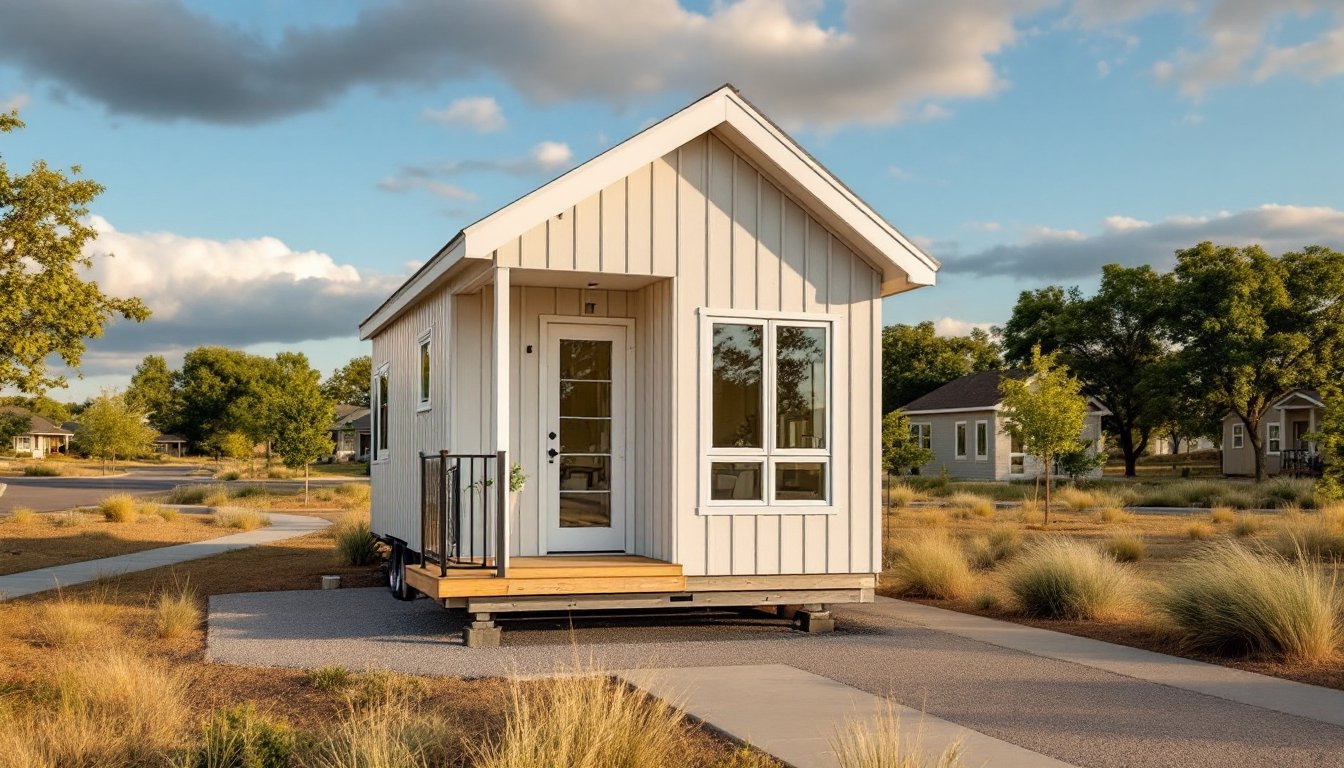
A tiny home is a residential structure that maximizes limited square footage through smart design. Most tiny homes measure between 100 and 400 square feet, though definitions vary by region. The tiny house movement gained momentum in the early 2000s as housing costs climbed and environmental awareness grew.
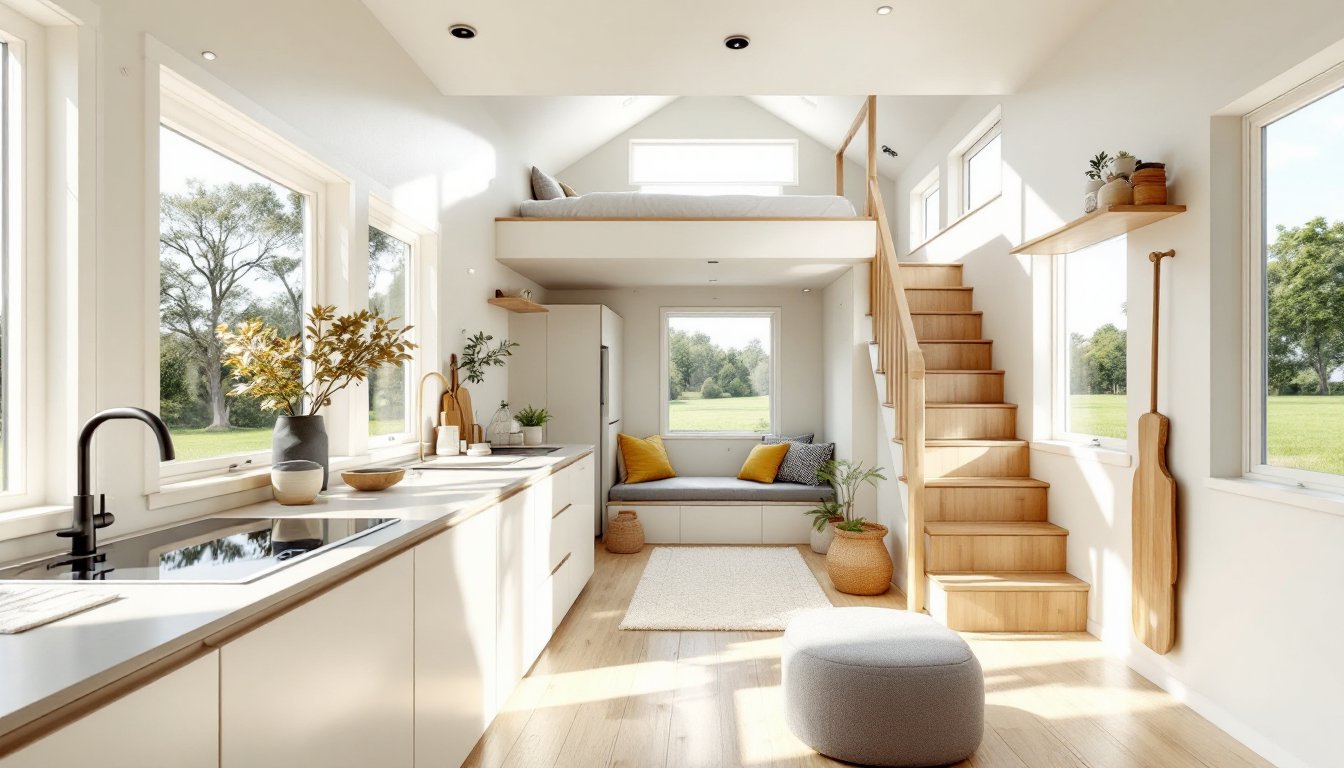
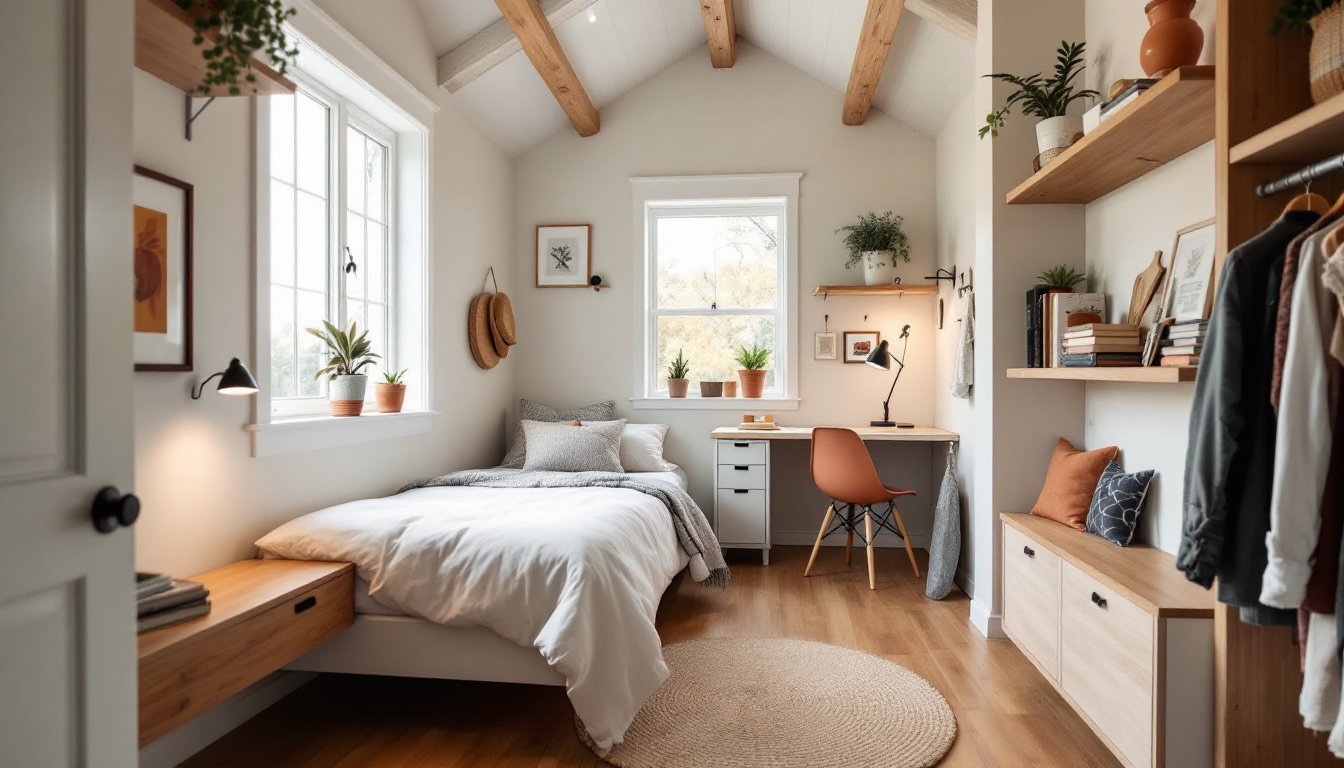
These small dwellings come in many forms. Some sit on permanent foundations like traditional houses. Others rest on trailers for mobility. Even though their size, tiny homes include full kitchens, bathrooms, sleeping areas, and living spaces. Designers use vertical space, multi-purpose furniture, and built-in storage to make every square foot count.
Tiny homes differ from other small housing options. They’re not the same as mobile homes, RVs, or studio apartments. A tiny home is purpose-built for full-time living with permanent fixtures and quality construction materials. Many owners customize their tiny homes to reflect personal needs and aesthetic preferences.
Benefits of Living in a Tiny Home
Financial freedom tops the list of tiny home benefits. The average tiny house costs between $30,000 and $60,000, a fraction of what a traditional home costs in most markets. Lower purchase prices mean smaller mortgages or no mortgage at all. Monthly expenses drop significantly too. Utility bills shrink when there’s less space to heat, cool, and light.
Environmental impact decreases with a tiny home lifestyle. Smaller spaces require fewer building materials during construction. Energy consumption falls because there’s simply less area to power. Many tiny home owners add solar panels or composting toilets to further reduce their footprint.
Simplicity becomes a way of life. Limited space forces residents to keep only what they truly need and use. This constraint often leads to less clutter, less cleaning, and more time for experiences rather than possessions. Some tiny home dwellers report feeling less stressed once they shed excess belongings.
Mobility appeals to those who don’t want permanent roots. Tiny homes on wheels can travel to new locations, following job opportunities, chasing better weather, or simply satisfying wanderlust. This flexibility isn’t possible with conventional real estate.
Types of Tiny Homes to Consider
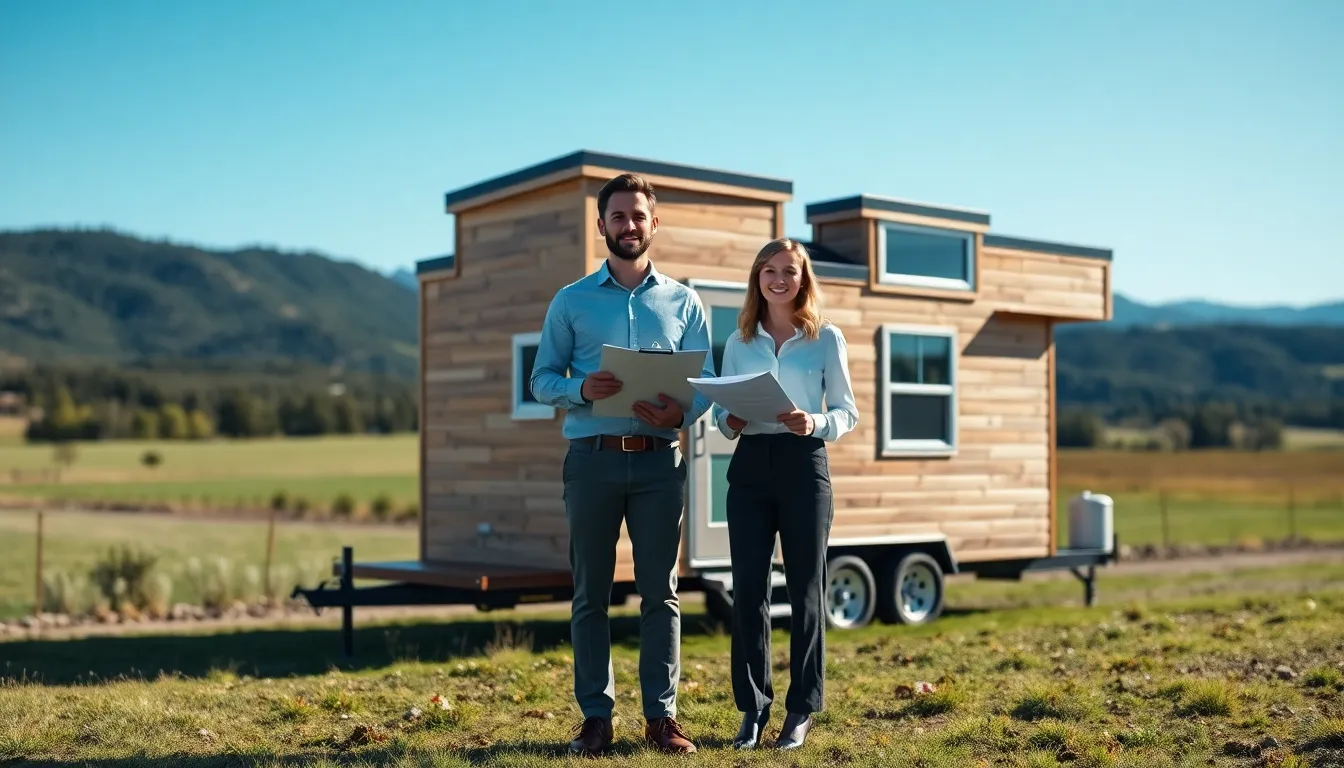
Tiny Houses on Wheels (THOWs) remain the most recognizable type. These structures sit on trailers and can be towed to different locations. THOWs typically max out around 400 square feet due to road width and height restrictions. They offer flexibility but require a suitable vehicle for transport.
Foundation-Built Tiny Homes function like miniature traditional houses. They sit on permanent foundations and connect to standard utilities. These tiny homes face fewer legal hurdles in many areas since they resemble conventional construction. But, they sacrifice mobility.
Container Homes repurpose shipping containers into living spaces. A standard container provides roughly 160 square feet of floor space. Multiple containers can be combined for larger layouts. Container homes offer structural durability and an industrial aesthetic, though insulation and ventilation require careful planning.
Accessory Dwelling Units (ADUs) are small secondary homes built on existing residential properties. Sometimes called granny flats or backyard cottages, ADUs provide tiny home living while sharing land with a larger primary residence. Many cities have updated zoning laws to encourage ADU construction.
Converted Vehicles include buses, vans, and other vehicles transformed into tiny homes. School bus conversions, often called “skoolies”, have developed a dedicated following. These options prioritize mobility above all else but offer the least square footage.
Key Factors Before Buying or Building
Budget planning should account for more than just the tiny home itself. Land costs, utility hookups, insurance, and maintenance all add to total expenses. A tiny home priced at $50,000 might need another $20,000 or more for a suitable lot and site preparation.
Location matters for practical and legal reasons. Will the tiny home stay in one place or travel? Urban, suburban, and rural settings each present different opportunities and challenges. Proximity to work, family, and services deserves consideration.
Storage needs don’t disappear with downsizing. Future tiny home owners should honestly assess their belongings and lifestyle. Some people rent external storage units, which adds ongoing costs and defeats some of the simplicity benefits.
Climate affects tiny home design requirements. Cold regions demand superior insulation and heating systems. Hot climates need adequate ventilation and cooling solutions. The wrong setup can make a tiny home uncomfortable or expensive to operate.
Zoning Laws and Legal Considerations
Zoning regulations present the biggest legal challenge for tiny home ownership. Many municipalities don’t have specific tiny home categories in their building codes. Some areas classify them as RVs, which limits where they can be placed and whether full-time residency is permitted.
Minimum square footage requirements exist in many jurisdictions. These rules can make legal tiny home placement difficult or impossible in certain areas. Research local codes thoroughly before purchasing land or a tiny home.
Building permits and inspections apply to foundation-built tiny homes in most locations. Tiny houses on wheels may fall under different regulations, or exist in legal gray areas. Working with local planning departments early prevents expensive surprises later.
Some communities have embraced tiny homes and created designated zones or tiny home villages. These areas offer legal clarity and often include shared amenities. Connecting with tiny home communities can provide valuable guidance on local regulations.