Table of Contents
ToggleMicro tiny homes have moved beyond social media curiosity into legitimate housing solutions for real homeowners. These ultra-compact dwellings, often 400 square feet or smaller, offer an attractive alternative to traditional homes, especially as construction costs and property prices climb. Whether you’re drawn to the lifestyle, budget, or environmental benefits, understanding what makes micro tiny homes tick helps you decide if one fits your situation. This guide breaks down the practical realities: what you’ll gain, what you’ll lose, and what you actually need to know before taking the plunge.
Key Takeaways
- Micro tiny homes range from 100–400 square feet and cost 30–50% less to build than conventional homes, making them an affordable housing solution for budget-conscious buyers.
- Smart design strategies like vertical storage, loft bedrooms, and multi-functional furniture are essential to making micro tiny homes livable and maximizing limited square footage.
- Zoning laws and legal regulations vary widely by jurisdiction—verify your local building codes and minimum dwelling unit sizes before committing, as micro tiny homes occupy a gray zone in many areas.
- Construction costs typically range from $40,000–$300,000 depending on finishes and customization, with specialized systems like compact appliances and efficient insulation commanding premium prices.
- The micro tiny lifestyle requires discipline and intentional downsizing; success depends on honest self-assessment of whether you can live with simplified finances, minimal storage, and intentional simplicity.
What Makes a Micro Tiny Home Different
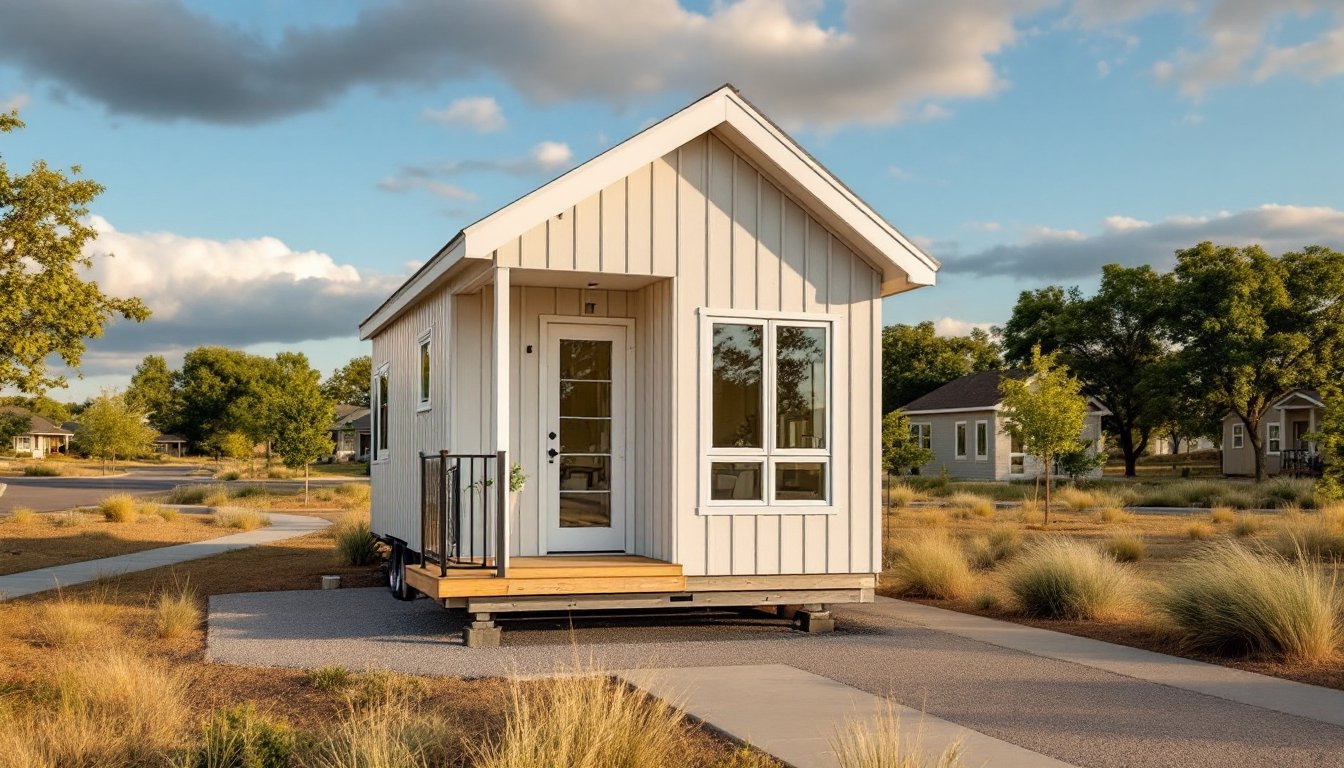
A micro tiny home typically ranges from 100 to 400 square feet, roughly the size of a generous studio apartment or a small one-bedroom. That’s a hard limit: anything under 100 square feet ventures into novelty territory, and homes over 400 square feet start looking like standard tiny homes. The distinction matters when you’re scouting plans or zoning regulations.
These homes squeeze full functionality into minimal footprint. You’ll find a real kitchen (not a hot plate), a full bath, sleeping quarters, and living space, all stacked vertically or arranged with clever overlapping. Unlike a traditional tiny home on wheels (which the RV industry regulates), micro tiny homes are usually permanent structures built on foundations, though some sit on mobile platforms for flexibility.
The real difference from conventional tiny homes is density. A standard tiny home might clock in at 600–1,000 square feet. A micro tiny home demands ruthless editing of every square inch. That’s where design strategy separates livable from claustrophobic.
Why Homeowners Are Choosing Micro Tiny Living
Cost remains the primary driver. A micro tiny home costs roughly 30–50% less to build than a conventional single-family home in most regions, though material and labor rates shift by location. You’re buying land instead of a mansion, which is increasingly affordable in rural or up-and-coming neighborhoods.
The lifestyle appeal is genuine, not just Instagram aesthetic. Owners report less time cleaning, lower utility bills (heating and cooling a 300-square-foot space costs far less), and radically simplified finances. Mortgage payments drop, property taxes shrink, and maintenance becomes manageable for one person.
Environmental considerations drive some buyers too. Smaller footprint, less energy consumption, and the ability to integrate solar panels or water recycling systems appeal to eco-conscious homeowners. Tiny homes trends 2026 point to continued growth in this segment as sustainability becomes a selling point.
Don’t romanticize it, though. Micro tiny homes require discipline. You can’t hoard, entertain large groups comfortably, or store seasonal gear. If you’re downsizing from a 2,500-square-foot home, the adjustment takes months, sometimes longer. Honest self-assessment beats impulsive decisions.
Smart Design Strategies for Maximum Space
The golden rule: every square foot must earn its keep. Wasted hallways, oversized closets, or unused corners are luxuries you can’t afford. Smart design starts with recognizing that micro tiny homes function differently than larger spaces.
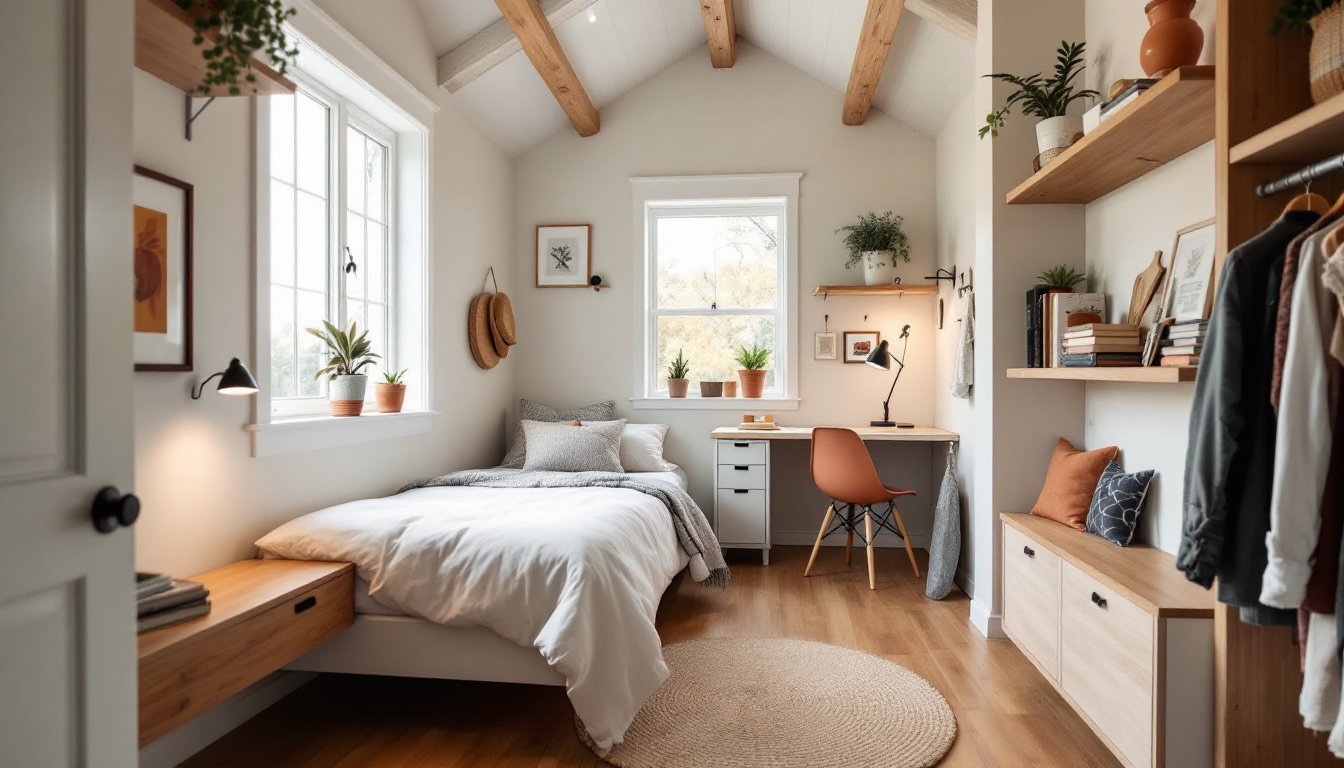
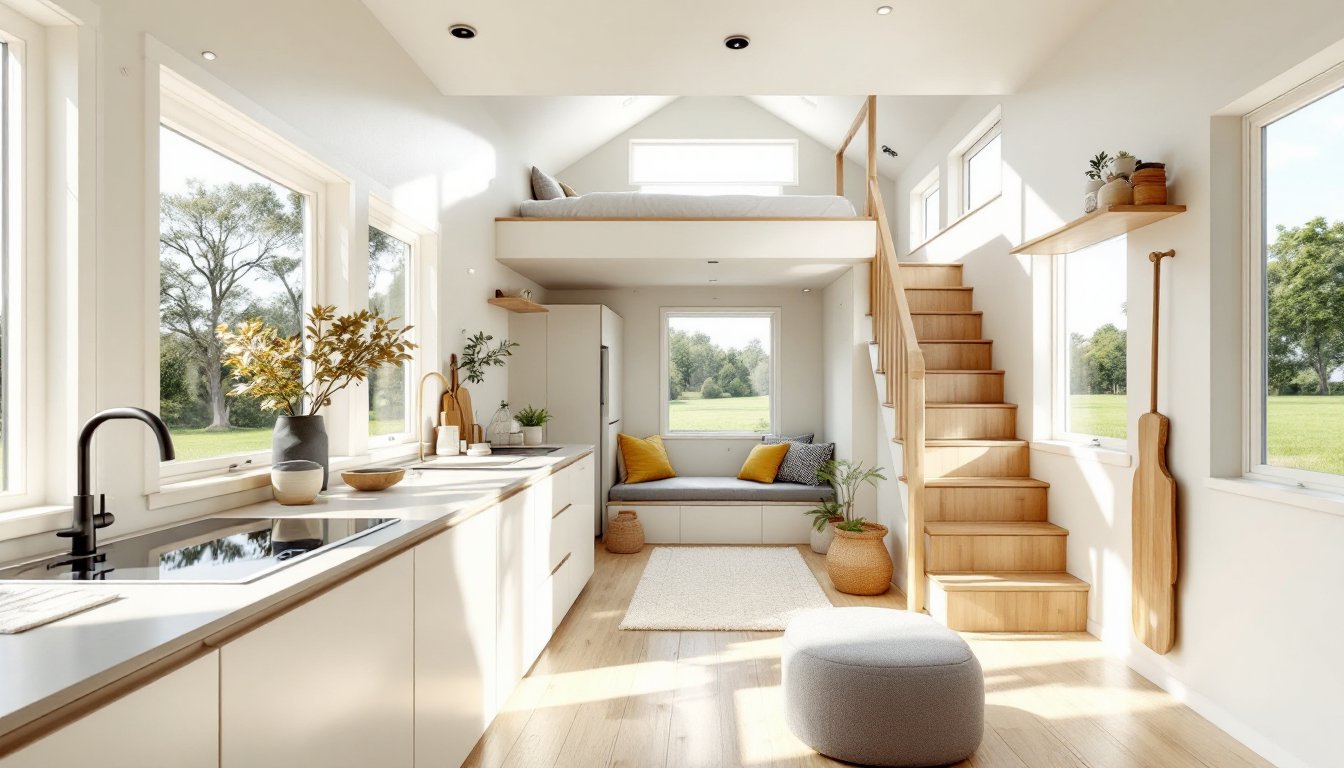
Vertical storage is non-negotiable. Wall-mounted shelving, pegboards, and ceiling-height cabinets replace traditional dressers and sideboards. Loft bedrooms aren’t optional, they’re usually the only way to fit a sleeping area without consuming ground-level space. A 10-by-12-foot loft overhead can free up the entire lower floor for living and cooking.
Open-concept layouts dominate for good reason. Removing walls between kitchen, dining, and living areas feels larger and simplifies traffic flow. But, some owners add pocket doors or sliding panels to partition space when privacy matters, these eat less square footage than traditional swinging doors.
Multi-Functional Furniture and Storage Solutions
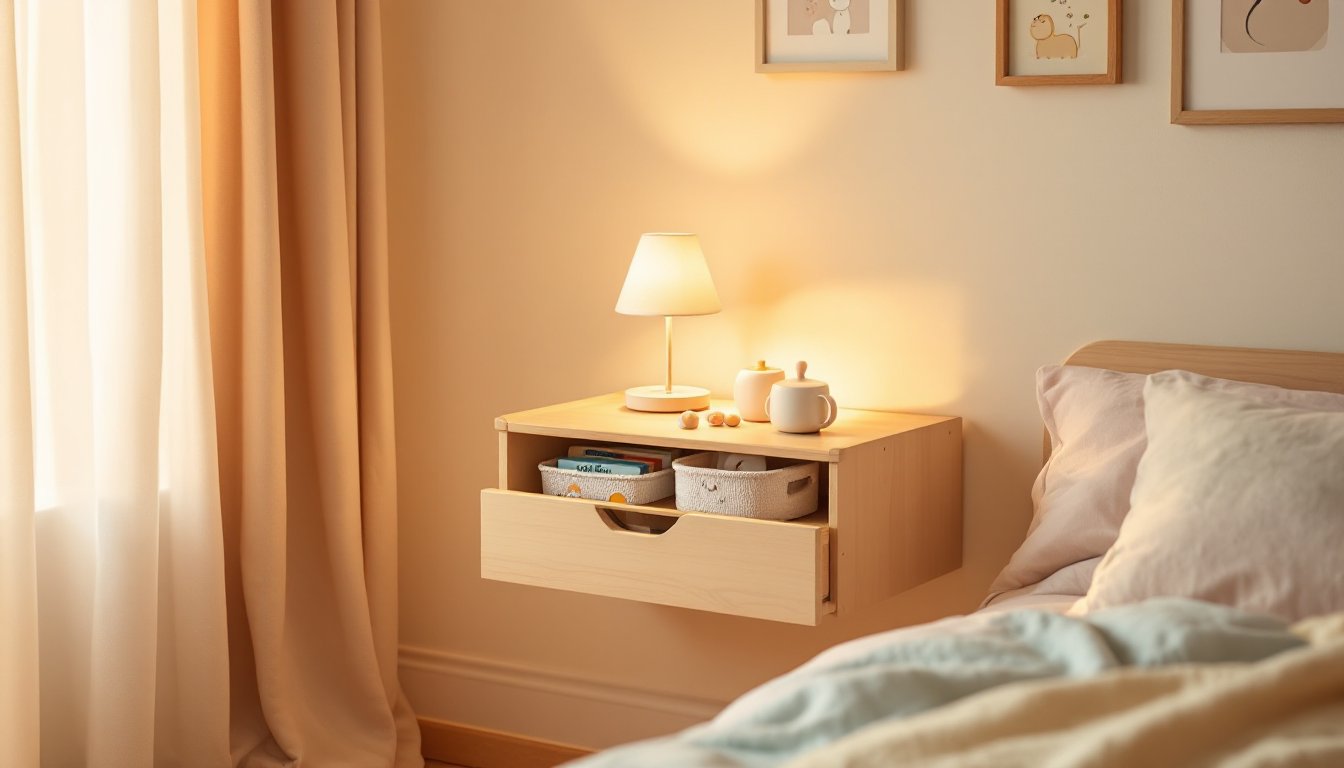
Furniture that does double duty is essential. Tiny homes strategies for small-space living often center on convertible pieces: ottomans with hidden storage, beds with built-in drawers underneath, fold-down desks, and wall-mounted drop tables that tuck away when not in use.
Built-in seating along walls saves space compared to standalone sofas. A window seat with storage below pulls triple duty: seating, storage, and natural light anchor. Kitchen islands work only if they’re narrow and mobile, a rolling cart approach is smarter than a fixed unit consuming floor space.
Cleverly designed closets matter enormously. Reach-in closets with good shelving and hanging rods beat deep walk-ins that swallow footage. Rod dividers, shelf risers, and vacuum-sealed bags keep clothing organized without sprawl. Expect to edit your wardrobe ruthlessly, most micro tiny dwellers maintain 40–50 pieces instead of 200. That’s not trendy minimalism: it’s practical necessity.
Absent natural light magnifies crowding. Skylights, high windows, and light-colored interiors create the illusion of space. Essential tiny homes tools for building small include good LED lighting to compensate when windows run short.
Budgeting and Costs for Your Micro Tiny Home
Construction costs range from $40,000 to $100,000+ for DIY-friendly projects to $150,000–$300,000 for professionally built homes, depending on finishes, location, and local labor rates. Don’t assume cheap: high-end micro tiny homes rival conventional homes in price per square foot once you factor in specialized design and efficient systems.
Break down costs realistically. Foundation work (whether concrete slab, pier and beam, or mobile base) runs $5,000–$15,000. Framing, insulation, and roofing depend heavily on climate and material choices. In cold climates, investing in superior insulation and high-performance windows costs more upfront but cuts heating bills dramatically over time.
Appliances for tiny kitchens aren’t smaller-priced versions of standard units. A quality compact refrigerator, induction cooktop, and stacked washer-dryer combos cost premium dollars because demand is lower and features must be dense. Expect $8,000–$15,000 for kitchen and laundry equipment alone.
Prefabricated or semi-custom micro tiny home kits can reduce costs and timelines. They range from $30,000 (unfinished shell) to $100,000 (move-in ready). Kits skip site work and permitting, so add those separately.
Cost-saving priorities: land acquisition, labor (DIY vs. hired), and systems efficiency (solar, tankless water heaters, composting toilets). Skip discounts on insulation, air sealing, or structural integrity, these are false savings.
Financing is trickier than traditional homes. Many banks hesitate to mortgage micro tiny homes, especially on wheels. FHA loans, construction loans, or personal loans become necessary. Some owners pay cash or tap home equity lines from prior homes. Research lenders early: financing logistics rival construction complexity.
Legal Considerations and Zoning Requirements
This is where dreams meet bureaucracy. Zoning laws vary wildly by jurisdiction, and micro tiny homes occupy a legal gray zone in many places. Some municipalities don’t specifically define them, leaving approval uncertain. Others ban homes under a certain square footage or impose minimum lot sizes that make micro tiny homes impossible.
Check your target area’s minimum dwelling unit size in zoning ordinances, it’s the first legal hurdle. Some regions permit accessory dwelling units (ADUs) on existing properties, which can sidestep primary-home restrictions. Others allow tiny homes only in designated communities.
Foundation type affects legality. Permanent foundations usually satisfy zoning: mobile bases often don’t. If your micro tiny home sits on a trailer, it may be classified as an RV or manufactured home, triggering different regulations and park requirements.
Permits aren’t optional, even though the temptation to skip them. Building permits, electrical permits, and plumbing permits apply to micro tiny homes like any structure. Inspections ensure safety and code compliance, ignoring them creates liability, insurance nightmares, and resale problems. International Residential Code (IRC) standards apply, though specific requirements vary by state and county.
Septic vs. municipal water and sewer matters significantly. Rural micro tiny homes often require septic systems and well water, which add cost and complexity. Local health departments regulate these installations strictly.
Zoning research isn’t glamorous, but it’s essential. Contact your county planning department and ask directly: “Can I legally build a [your square footage]-square-foot home on [your lot type]?” Get answers in writing. How to build a tiny home requires navigating these legal waters before breaking ground.
Conclusion
Micro tiny homes aren’t a universal answer, but they’re a legitimate choice for the right person or family. Success hinges on honest self-assessment: Can you live with intentional simplicity? Is your budget realistic? Does your local zoning permit it? Address these questions before falling in love with floor plans. The micro tiny lifestyle delivers freedom and affordability, but only if you enter with eyes wide open and realistic expectations about trade-offs.