Table of Contents
ToggleThe best tiny homes offer freedom, affordability, and a simpler way to live. In 2025, more people are choosing compact living spaces over traditional houses. They want less debt, smaller footprints, and more flexibility in where and how they live.
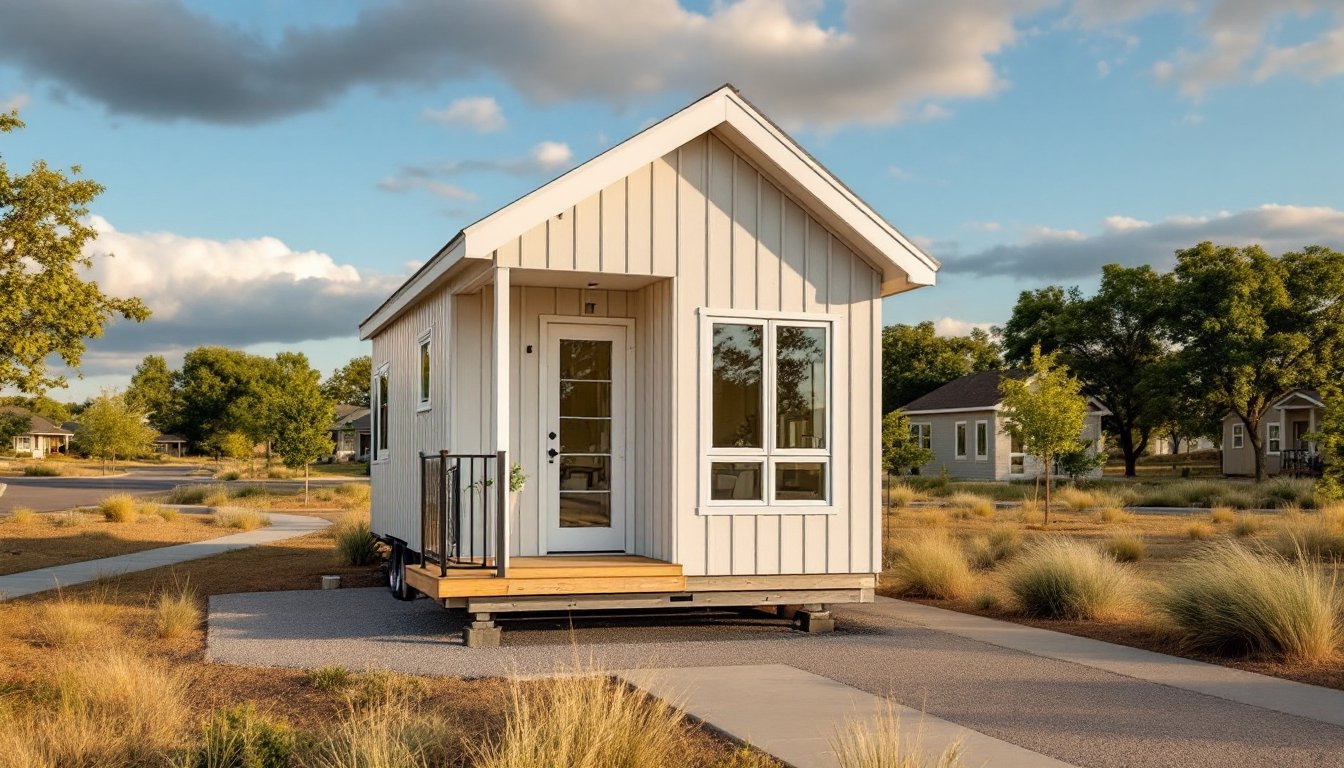
Tiny homes range from 100 to 400 square feet. They come in many styles, from rustic cabins to sleek modern designs. Some sit on wheels for mobility. Others rest on permanent foundations. The right tiny home depends on budget, lifestyle, and location preferences.
This guide covers the top tiny home builders, popular designs, and key factors to consider before buying. Whether someone wants a mobile home for travel or a backyard dwelling for extra income, the options in 2025 are better than ever.
Key Takeaways
- The best tiny homes balance quality construction, smart storage, and energy efficiency within 100–400 square feet of living space.
- Top tiny home builders like Tumbleweed, Escape Traveler, and Tiny Heirloom offer options ranging from $50,000 to $200,000 depending on customization.
- Popular tiny home styles include modern minimalist, rustic cabin, Scandinavian, and cottage designs to match different tastes and settings.
- Always research local zoning laws and certification requirements (RVIA, ANSI) before purchasing to avoid legal and insurance issues.
- Renting a tiny home before buying helps you test the lifestyle and identify must-have features for your needs.
What Makes a Great Tiny Home
A great tiny home balances quality construction with smart design. Every square foot matters in a small space, so layout and functionality are critical.
Build Quality
The best tiny homes use durable materials that last for decades. Look for solid wood framing, high-quality insulation, and weather-resistant exteriors. A well-built tiny home can withstand transport, temperature changes, and daily use without falling apart.
Smart Storage Solutions
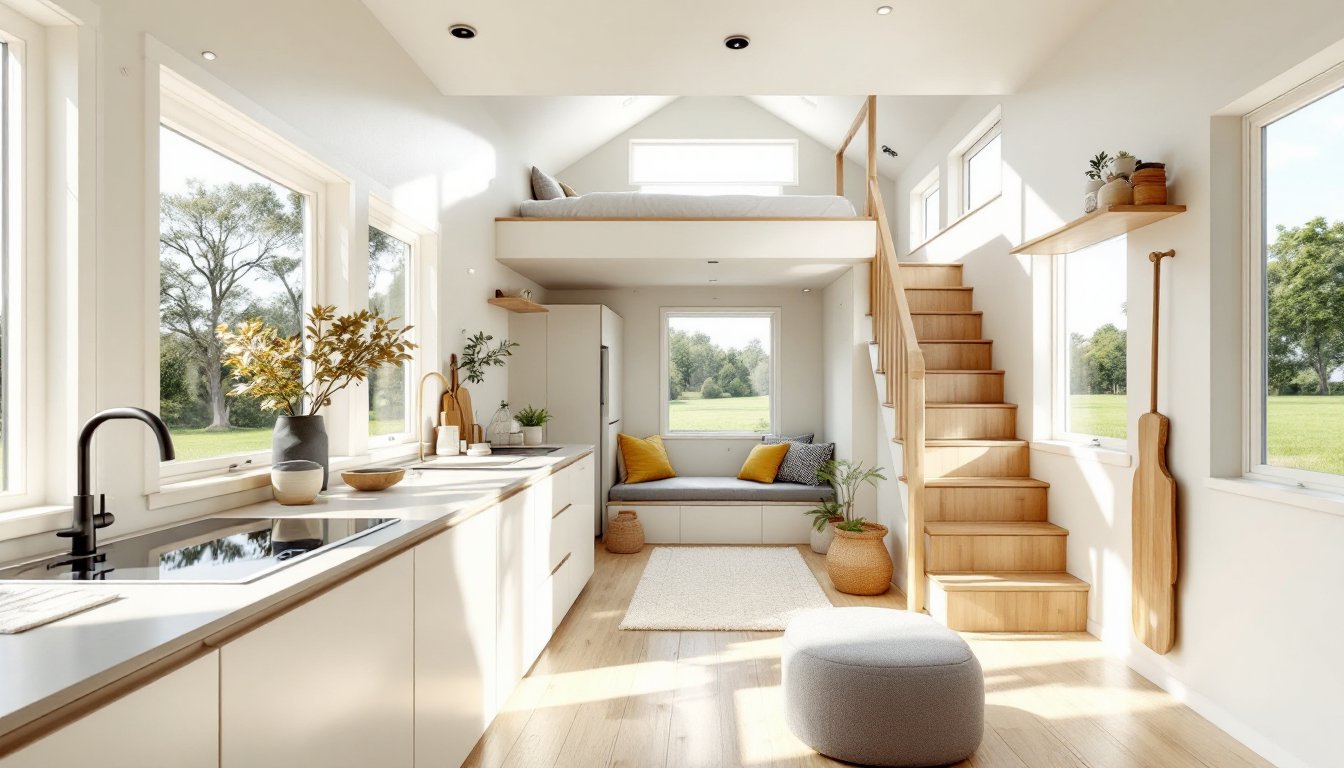
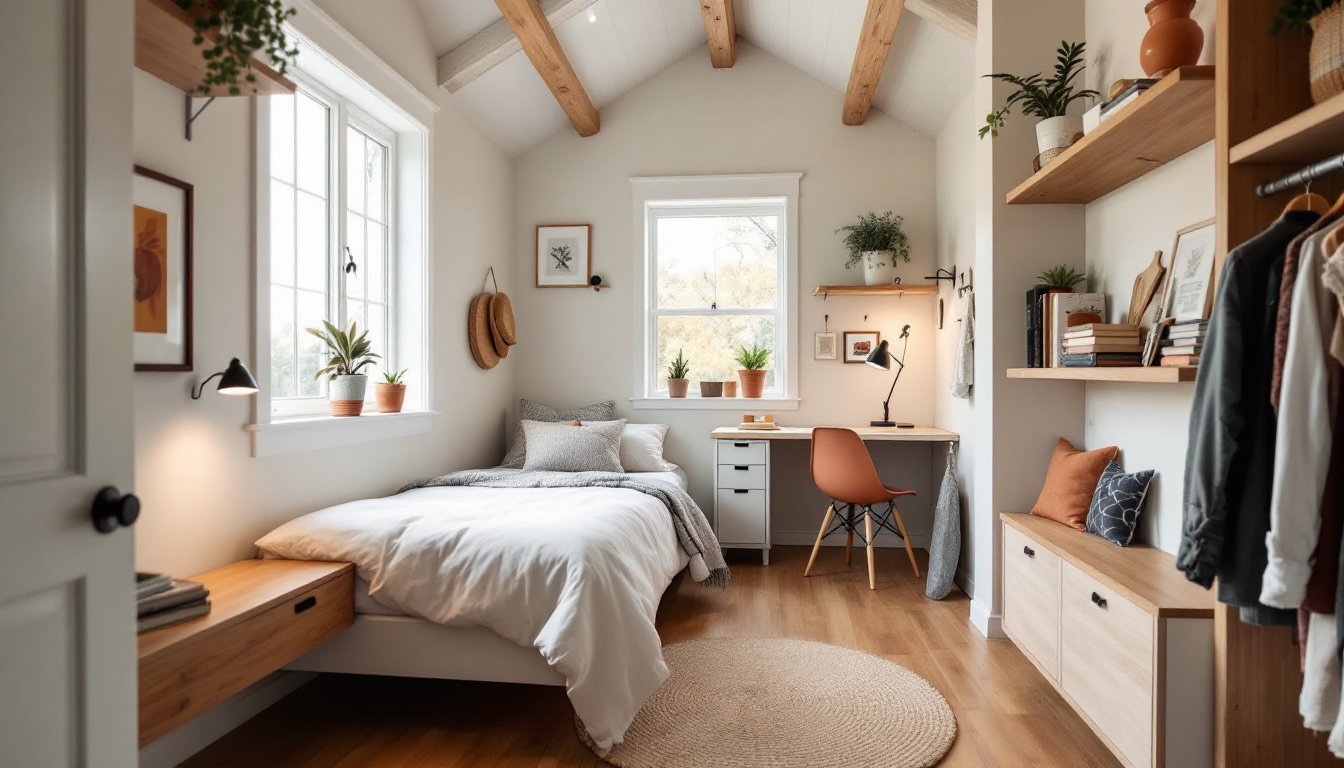
Storage defines livability in tiny homes. The best designs include built-in cabinets, loft spaces, and multi-purpose furniture. Stairs that double as drawers, fold-down tables, and hidden compartments maximize usable space.
Energy Efficiency
Top tiny homes feature excellent insulation, LED lighting, and energy-efficient appliances. Many include solar panel options. These features reduce utility costs and make off-grid living possible.
Legal Compliance
Great tiny homes meet building codes and certification standards. RVIA certification matters for homes on wheels. ANSI compliance ensures safety standards are met. Without proper certification, owners may face zoning issues and insurance problems.
Top Tiny Home Builders to Consider
Several builders stand out in the tiny home market. Each offers different price points, styles, and customization options.
Tumbleweed Tiny House Company
Tumbleweed has built tiny homes since 1999. They offer both DIY plans and finished models. Prices start around $65,000 for shell-only options and reach $150,000+ for fully finished homes. Their designs prioritize craftsmanship and energy efficiency.
Escape Traveler
Escape specializes in modern, park-model tiny homes. Their Vista model is a popular choice at roughly $80,000–$100,000. These homes feature large windows, clean lines, and RV certification for easier placement.
New Frontier Tiny Homes
New Frontier builds high-end custom tiny homes. Their work has appeared on TV shows and design magazines. Expect to pay $130,000–$180,000 for their luxury models with premium finishes.
Tiny Heirloom
Tiny Heirloom creates custom tiny homes with unique themes. From farmhouse to industrial, they match designs to client preferences. Prices typically range from $100,000 to $200,000 depending on features.
Budget Options
For buyers on a budget, companies like Liberation Tiny Homes and Mint Tiny Homes offer quality builds starting around $50,000–$70,000. DIY shell kits from various builders cost $20,000–$40,000 for those willing to finish interiors themselves.
Popular Tiny Home Styles and Designs
The best tiny homes come in several distinct styles. Each appeals to different tastes and practical needs.
Modern Minimalist
Modern tiny homes feature clean lines, large windows, and neutral colors. They often include metal roofing, sleek cabinetry, and open floor plans. This style works well for urban settings and appeals to design-conscious buyers.
Rustic Cabin
Cabin-style tiny homes use natural wood, stone accents, and cozy interiors. They fit rural and mountain settings perfectly. Exposed beams and warm wood tones create a traditional feel in a compact space.
Scandinavian
Scandinavian designs emphasize light, simplicity, and function. White walls, natural materials, and minimal clutter define this style. Large windows bring in natural light and make small spaces feel larger.
Container Homes
Shipping container homes offer an industrial aesthetic. They’re durable, stackable, and often more affordable. Multiple containers can combine for larger floor plans while maintaining the distinctive look.
Cottage Style
Cottage tiny homes feature charming details like dormers, window boxes, and traditional trim. They blend into residential neighborhoods more easily than modern designs. This style suits buyers who want a classic home feel in a smaller package.
How to Choose the Right Tiny Home for Your Needs
Selecting the best tiny home requires honest assessment of needs, budget, and lifestyle goals.
Define Your Purpose
What will the tiny home be used for? Full-time living requires different features than a weekend retreat. A rental property needs different specifications than a personal residence. Clarity on purpose guides every other decision.
Set a Realistic Budget
Tiny homes cost anywhere from $30,000 to $200,000+. Add land, utilities, and site preparation to the total budget. Don’t forget ongoing costs like insurance, maintenance, and potential lot rent. A realistic budget prevents financial stress later.
Consider Mobility Needs
Wheeled tiny homes offer flexibility but come with size limits. Most stay under 8.5 feet wide and 13.5 feet tall for road transport. Foundation homes can be larger but require permanent land. Choose based on whether mobility matters.
Research Local Zoning Laws
Zoning rules vary dramatically by location. Some areas welcome tiny homes. Others restrict them heavily. Research local codes before buying. Many buyers find success with ADU (accessory dwelling unit) classifications or RV-zoned properties.
Test the Lifestyle First
Renting a tiny home for a week reveals a lot. Does the size feel manageable? Are the storage solutions adequate? A trial run helps buyers understand what features matter most before making a major purchase.