Table of Contents
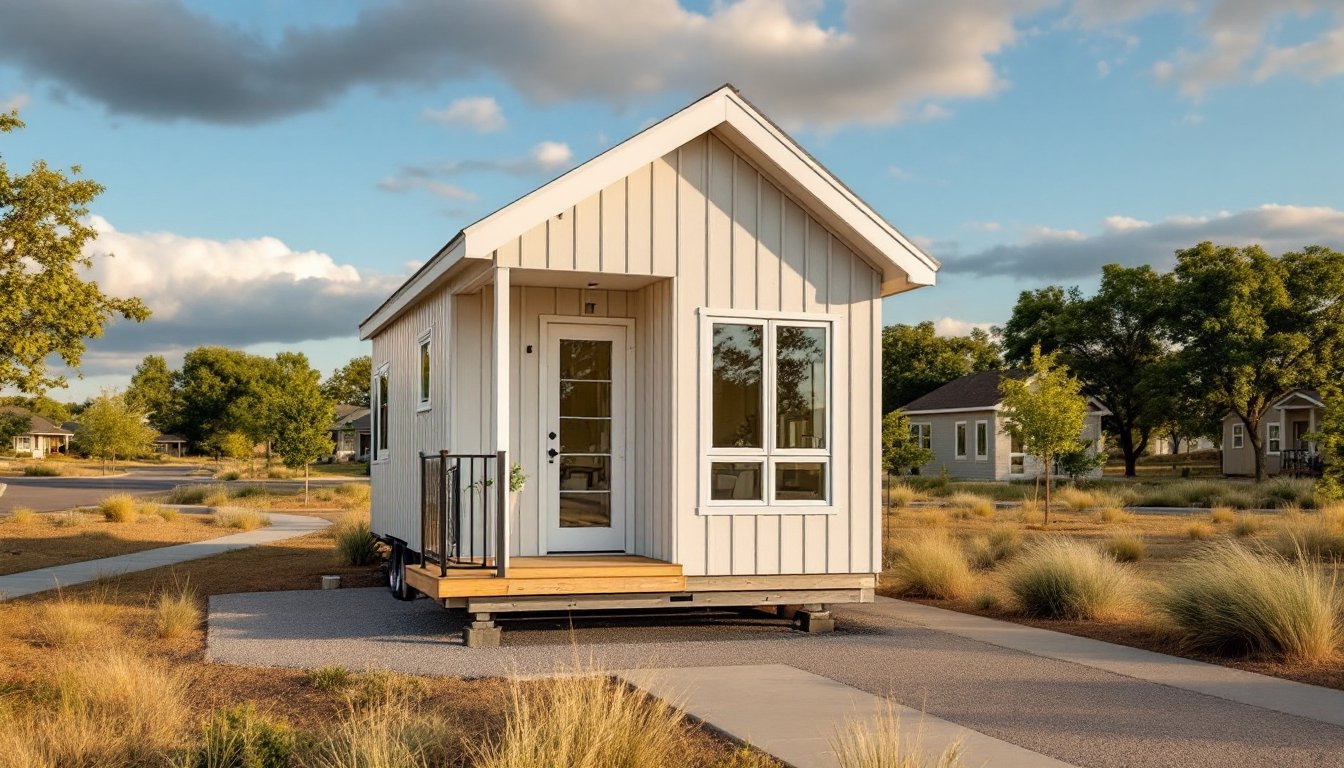
ToggleTiny homes ideas have transformed how people think about living spaces. These compact dwellings, typically under 400 square feet, offer freedom from large mortgages, reduced environmental impact, and a simpler lifestyle. But going small doesn’t mean sacrificing comfort or style.
The key lies in smart design. Every square inch matters in a tiny home, so owners and builders get creative with layouts, storage, and furniture. Some tiny homes feel surprisingly spacious, while others pack impressive functionality into shoe-box dimensions.
This guide explores practical tiny homes ideas that maximize small spaces. From space-saving layouts to off-grid features, these concepts help anyone design a tiny home that works for their life.
Key Takeaways
- Tiny homes ideas focus on smart design principles like open floor plans and vertical space utilization to make small spaces feel larger.
- Built-in storage, under-floor compartments, and dual-purpose furniture are essential for maximizing every square inch in a tiny home.
- Multi-functional furniture such as Murphy beds, convertible tables, and fold-out workstations allow tiny homes to adapt to different daily needs.
- Expanding living space outdoors with decks, patios, and outdoor kitchens effectively doubles a tiny home’s usable area.
- Off-grid features like solar power, rainwater collection, and composting toilets increase sustainability and location flexibility for tiny home owners.
- Using reclaimed materials adds character while reducing the environmental impact of your tiny home build.
Space-Saving Layout Strategies
The foundation of any successful tiny home starts with its layout. Smart floor plans create flow and prevent that cramped feeling nobody wants.
Open Floor Plans
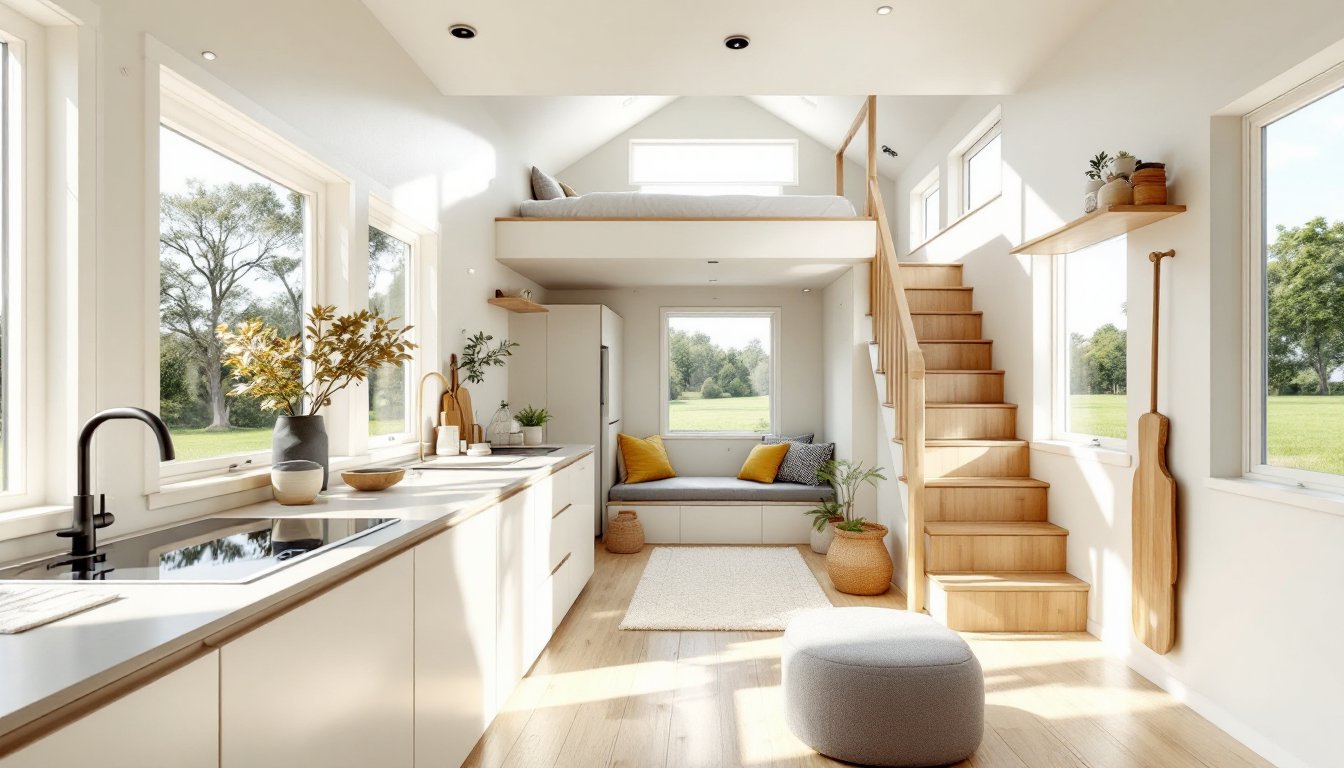
Open layouts work wonders in tiny homes. Removing unnecessary walls between the kitchen, living area, and dining space creates visual continuity. The eye travels farther, making 200 square feet feel much larger. Many tiny homes ideas center on this single principle.
Vertical Space Utilization
Ceilings offer untapped potential. Loft bedrooms represent the most common vertical solution, they free up the main floor for daytime activities. Some tiny home owners install ceiling-height shelving or use the space above cabinets for rarely-used items.
Strategic Zone Placement
Placing wet areas (bathroom and kitchen) along one wall simplifies plumbing and saves space. This approach also creates a clear distinction between functional zones and living areas. The result? A more organized tiny home that flows naturally.
Window Placement
Windows do more than let in light. Positioned correctly, they create sight lines that extend the perceived space outward. Corner windows and clerestory windows above eye level are popular tiny homes ideas for this reason.
Clever Storage Solutions
Storage makes or breaks tiny home living. Without smart solutions, clutter takes over fast.
Built-In Storage
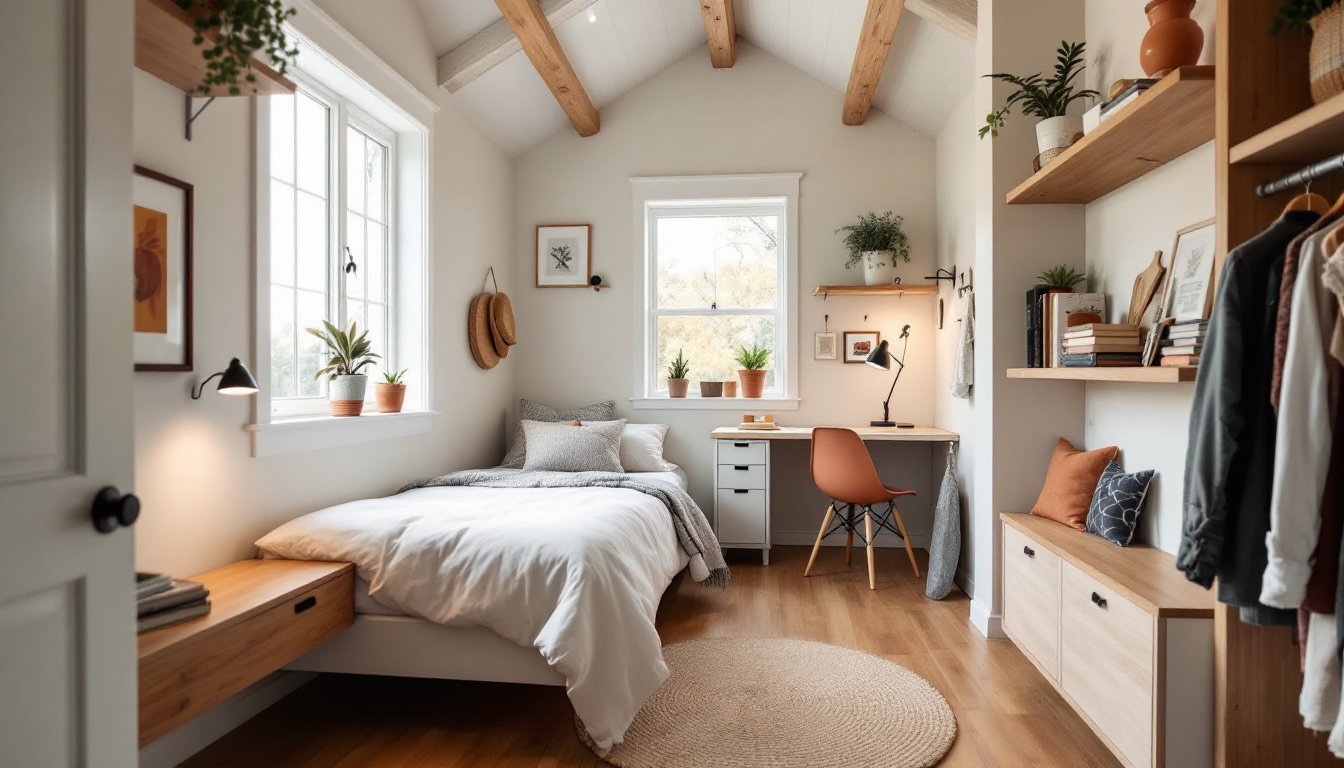
Custom built-ins fit spaces that standard furniture can’t. Think drawer systems under stairs, cabinets recessed into walls, and toe-kick drawers beneath kitchen cabinets. These tiny homes ideas capture every hidden inch.
Under-Floor Storage
Raising floor sections creates accessible storage compartments below. Some tiny homeowners store seasonal clothing, tools, or emergency supplies in these hidden areas. The floor looks normal but hides cubic feet of space.
Magnetic and Hanging Systems
Wall-mounted magnetic strips hold knives, spice jars, and small tools. Pegboards organize craft supplies or kitchen utensils. These vertical storage methods keep items visible and accessible without eating floor space.
Dual-Purpose Storage
Storage that serves another function stretches value further. Ottoman benches with interior compartments, window seats with lift-up lids, and bed platforms with drawers all exemplify this approach. Every piece of furniture should earn its spot in a tiny home.
Multi-Functional Furniture Designs
Furniture in tiny homes must work harder than furniture in traditional houses. The best pieces transform, fold, or serve multiple purposes.
Murphy Beds and Fold-Downs
Murphy beds remain among the most popular tiny homes ideas. These wall-mounted beds fold up when not in use, instantly converting a bedroom into a living room or home office. Modern versions include built-in shelving that stays level regardless of bed position.
Convertible Tables
Dining tables that fold flat against walls, coffee tables that raise to dining height, and desks that collapse into decorative panels all save precious floor space. Some designs convert a single piece into three different configurations.
Modular Seating
Modular furniture adapts to different needs. Individual cube seats can form a couch, separate into individual chairs, or stack for storage. This flexibility lets tiny home owners reconfigure their space for entertaining, working, or relaxing.
Fold-Out Workstations
Remote work has increased demand for tiny home office solutions. Wall-mounted desks that fold down when needed and disappear when finished represent practical tiny homes ideas for work-from-home situations. Some include built-in outlets and cable management.
Outdoor Living Extensions
Smart tiny home owners expand their usable space by treating outdoor areas as additional rooms.
Decks and Patios
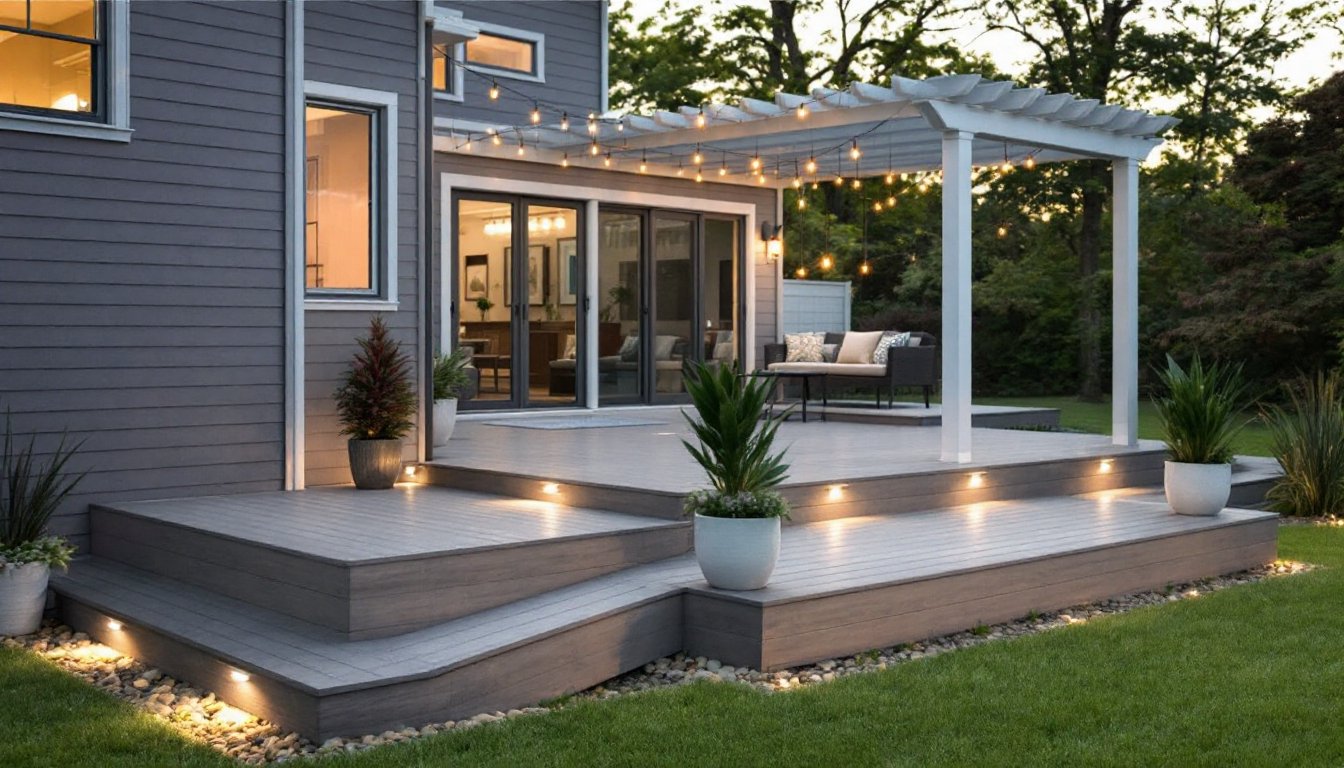
A well-designed deck can double a tiny home’s functional space. Covered decks work year-round in many climates, providing outdoor dining areas, lounging spots, or workspace. The visual connection between indoor and outdoor spaces also makes the interior feel larger.
Outdoor Kitchens
Moving some cooking functions outside frees up interior space. A simple outdoor prep station or grill area reduces kitchen traffic and keeps cooking odors outside. This ranks high among tiny homes ideas for those in warm climates.
Garden Integration
Vertical gardens on tiny home exteriors serve multiple purposes. They provide fresh herbs and vegetables, improve air quality, and create privacy screening. Container gardens on decks add greenery without permanent landscaping.
Retractable Awnings and Canopies
These features extend usable outdoor time by providing shade and rain protection. Retractable versions allow full sun when desired and shelter when needed.
Sustainable and Off-Grid Features
Many tiny home owners embrace sustainability as part of their lifestyle. Off-grid capabilities also increase location flexibility.
Solar Power Systems
Solar panels provide electricity for tiny homes in locations without grid access. Advances in panel efficiency and battery storage make solar-powered tiny homes increasingly practical. A typical setup includes roof-mounted panels, a charge controller, battery bank, and inverter.
Rainwater Collection
Rainwater harvesting systems capture and store water for non-potable uses like gardening and toilet flushing. More advanced systems include filtration for drinking water. These tiny homes ideas reduce water bills and increase self-sufficiency.
Composting Toilets
Composting toilets eliminate the need for septic systems or sewer connections. Modern units are odorless when properly maintained and produce usable compost. They’re essential for truly off-grid tiny homes.
Efficient Insulation
Proper insulation keeps tiny homes comfortable with minimal energy. Spray foam insulation, structural insulated panels (SIPs), and wool insulation are popular choices. Good insulation reduces heating and cooling needs dramatically.
Reclaimed Materials
Using reclaimed wood, recycled metal, and salvaged fixtures reduces environmental impact and adds character. Many tiny home builders incorporate vintage windows, barn wood siding, or repurposed industrial elements into their designs.