Table of Contents
ToggleTiny homes vs traditional homes, it’s a decision more Americans face every year. The tiny home movement has grown from a niche lifestyle choice into a serious housing option. But is downsizing right for everyone? Traditional homes still dominate the market for good reasons. Each option comes with distinct advantages and trade-offs. This guide breaks down the key differences in size, cost, lifestyle, and environmental impact. By the end, readers will have a clearer picture of which housing type fits their needs.
Key Takeaways
- Tiny homes vs traditional homes differ dramatically in size, with tiny homes averaging 100–400 sq ft compared to 2,300 sq ft for traditional houses.
- Tiny homes cost between $30,000 and $60,000 on average, while traditional homes have a median price around $400,000.
- Monthly expenses like utilities and property taxes are significantly lower for tiny homes due to reduced square footage.
- Traditional homes offer easier financing, stronger resale value, and more straightforward insurance options.
- Tiny homes provide mobility and support minimalist living, while traditional homes offer stability, privacy, and room for families.
- For environmental impact, tiny homes generally win—using fewer materials, less energy, and producing up to 50% less CO2 annually.
Size and Space Considerations
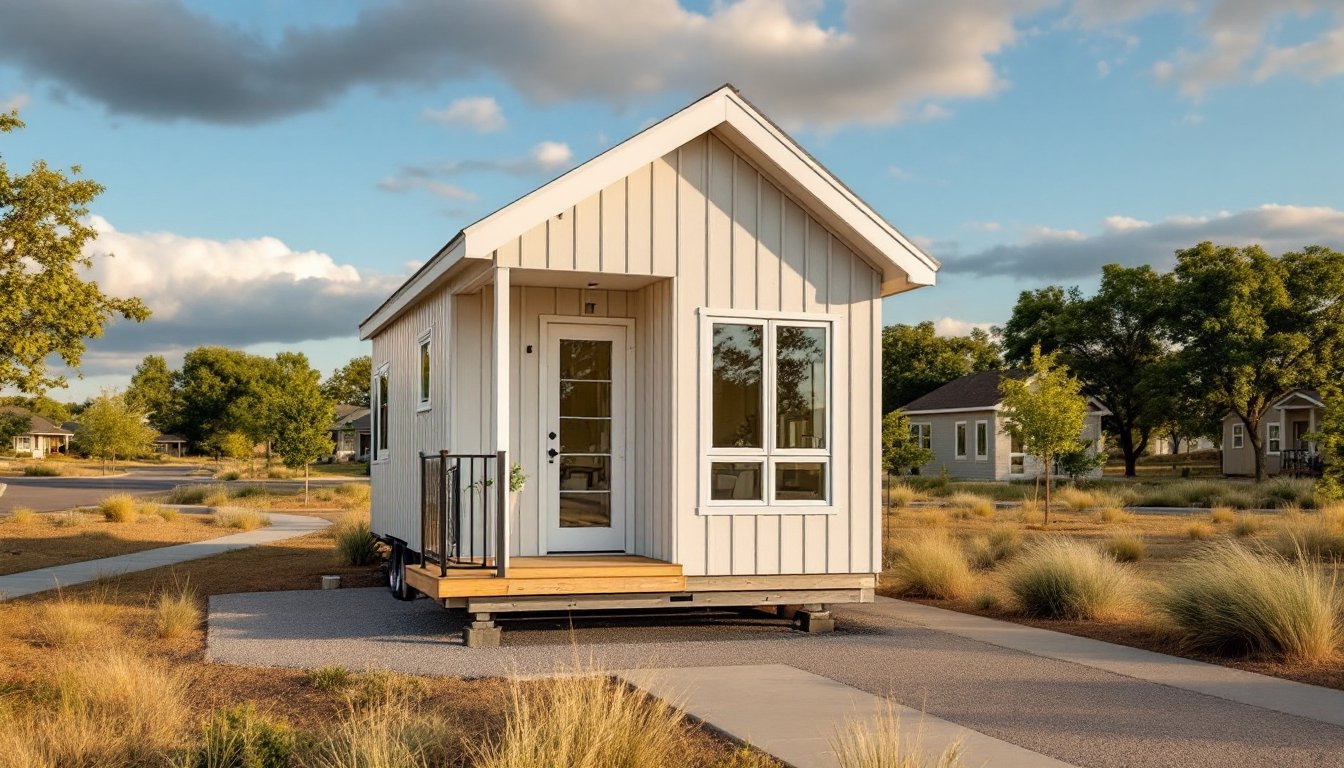
The most obvious difference between tiny homes vs traditional homes is square footage. A typical tiny home ranges from 100 to 400 square feet. Traditional homes in the U.S. average around 2,300 square feet.
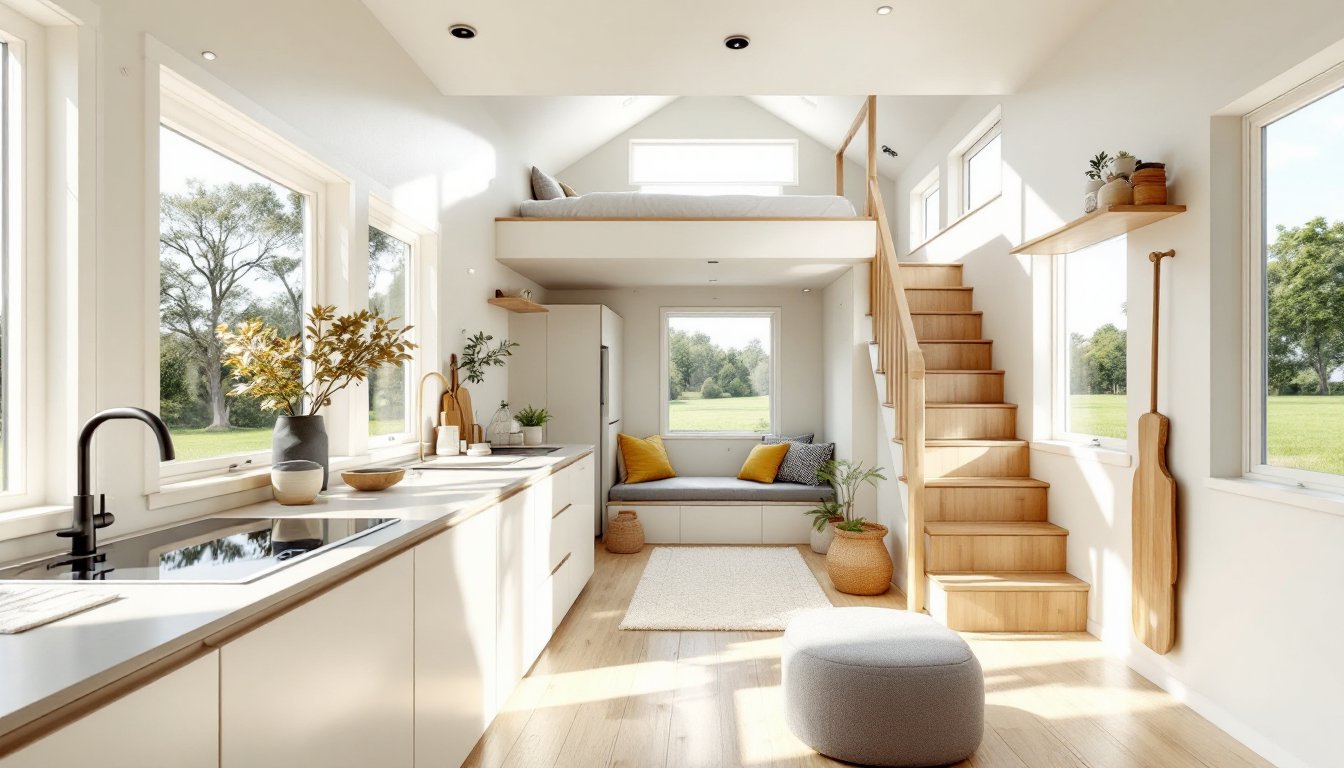
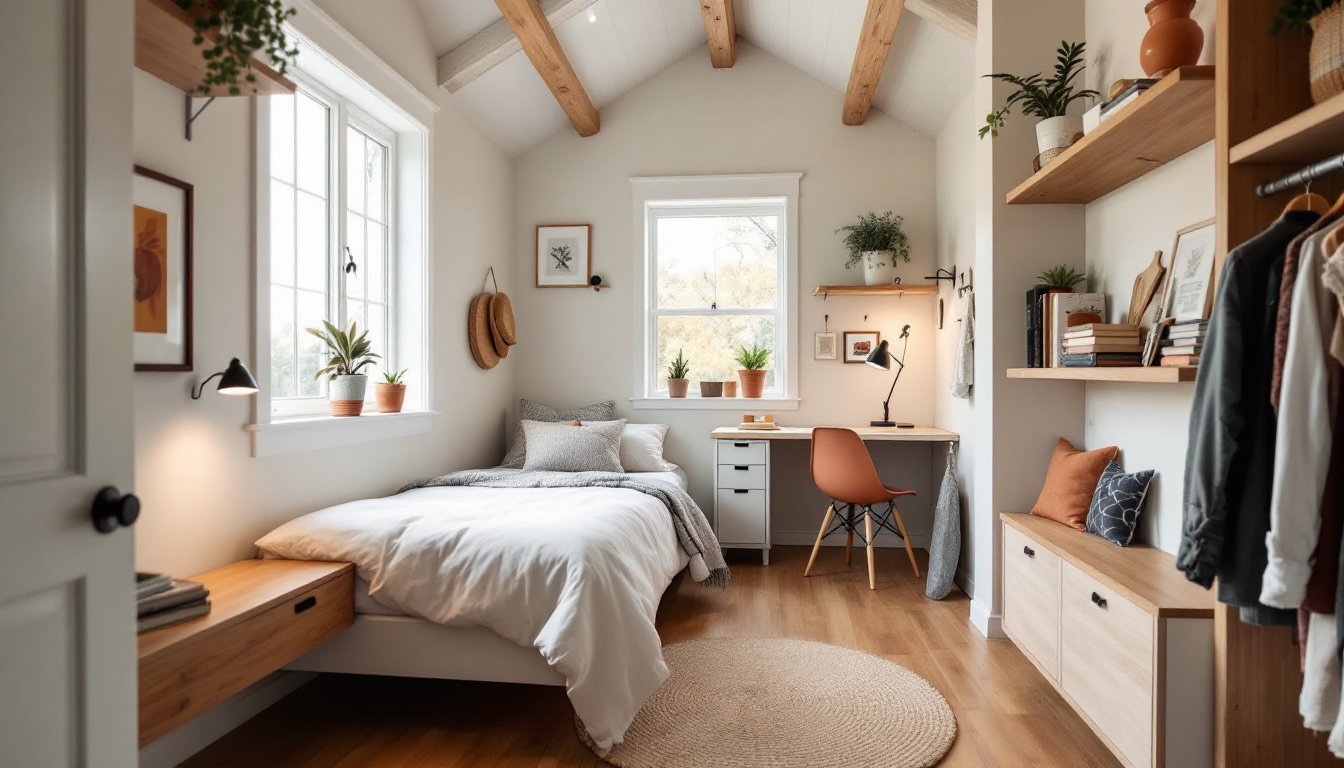
That size gap affects daily life in practical ways. Tiny homes force residents to prioritize possessions. Every item needs a purpose or a designated spot. Storage solutions become creative, think stairs that double as drawers or beds that fold into walls.
Traditional homes offer room to spread out. Families have space for dedicated bedrooms, home offices, and guest rooms. Storage is rarely a concern. There’s room for hobbies, collections, and all those boxes people never unpack after moving.
But more space isn’t always better. Larger homes require more time and effort to clean and maintain. A tiny home can be tidied in under an hour. A traditional home? That’s a weekend project.
Tiny homes vs traditional homes also differ in privacy. Couples or individuals may thrive in a compact space. Families with children or roommates often find tiny homes too cramped. Personal space matters, and traditional homes deliver more of it.
The right choice depends on household size and lifestyle. Singles and couples often adapt well to tiny living. Growing families typically need the extra rooms a traditional home provides.
Cost Comparison
Money drives many housing decisions. Here, tiny homes vs traditional homes show significant differences.
The average tiny home costs between $30,000 and $60,000. Custom builds can reach $100,000 or more. Traditional homes? The median U.S. home price sits around $400,000 in late 2024. That’s a massive gap.
Monthly expenses also favor tiny homes. Lower square footage means smaller utility bills. Heating a 300-square-foot space costs far less than warming a 2,000-square-foot house. Property taxes drop too, especially if the tiny home sits on a small lot or is classified as an RV.
But financing tiny homes presents challenges. Most banks won’t offer traditional mortgages for structures under 400 square feet. Buyers often pay cash or use personal loans with higher interest rates. Traditional homes have established lending options with competitive rates.
Resale value is another consideration. Traditional homes generally appreciate over time. They’re proven assets in real estate markets. Tiny homes? Their resale market is less established. Finding a buyer can take longer, and depreciation is possible, especially for homes on wheels.
Insurance costs differ too. Traditional homeowners insurance is straightforward. Tiny home insurance can be tricky to obtain and may cost more per square foot.
When comparing tiny homes vs traditional homes on cost, the upfront savings are clear. Long-term financial outcomes are more complex.
Lifestyle and Flexibility
Lifestyle preferences shape the tiny homes vs traditional homes debate as much as money does.
Tiny homes offer mobility. Many are built on trailers, allowing owners to relocate without selling property. This appeals to remote workers, retirees, and anyone who values location independence. Traditional homes anchor people to one spot.
Minimalism is central to tiny living. Residents buy less, discard more, and focus on experiences over possessions. Some find this liberating. Others find it restrictive.
Traditional homes support different lifestyles. They accommodate entertaining, hosting family gatherings, and long-term community roots. There’s room for kids to play, pets to roam, and projects to sprawl.
Zoning laws affect both options. Many cities restrict where tiny homes can be placed. Some require them on foundations: others ban them from residential zones entirely. Traditional homes face fewer legal hurdles.
Tiny homes vs traditional homes also differ in customization. Tiny homes often feature innovative designs and multi-purpose spaces. Traditional homes offer more room for renovations, additions, and personalizing each room.
Social considerations matter too. Tiny home communities are growing but remain uncommon. Traditional neighborhoods offer established social networks, schools, and amenities.
The lifestyle question comes down to values. Those who prioritize freedom and simplicity lean toward tiny homes. Those who value stability and space prefer traditional options.
Environmental Impact
Environmental concerns push many toward tiny homes. The comparison of tiny homes vs traditional homes reveals real differences in sustainability.
Tiny homes use fewer building materials. Less lumber, drywall, and concrete mean a smaller construction footprint. A traditional home requires significantly more resources to build.
Energy consumption favors tiny homes too. Smaller spaces need less heating, cooling, and lighting. Many tiny homes incorporate solar panels, composting toilets, and rainwater collection. Going off-grid is realistic in a tiny home. It’s much harder in a traditional house.
Carbon footprints differ accordingly. The average American home produces about 7.5 tons of CO2 annually from energy use alone. Tiny homes can cut that figure by 50% or more.
But traditional homes aren’t automatically bad for the environment. Modern construction includes energy-efficient windows, smart thermostats, and improved insulation. A well-designed traditional home can achieve impressive efficiency ratings.
Land use is another factor. Tiny homes on wheels avoid permanent land development. They can be moved, leaving minimal trace. Traditional homes require permanent infrastructure, driveways, foundations, and utility connections.
When weighing tiny homes vs traditional homes for environmental impact, tiny homes generally win. But individual choices, like energy sources and consumption habits, matter more than square footage alone.