Table of Contents
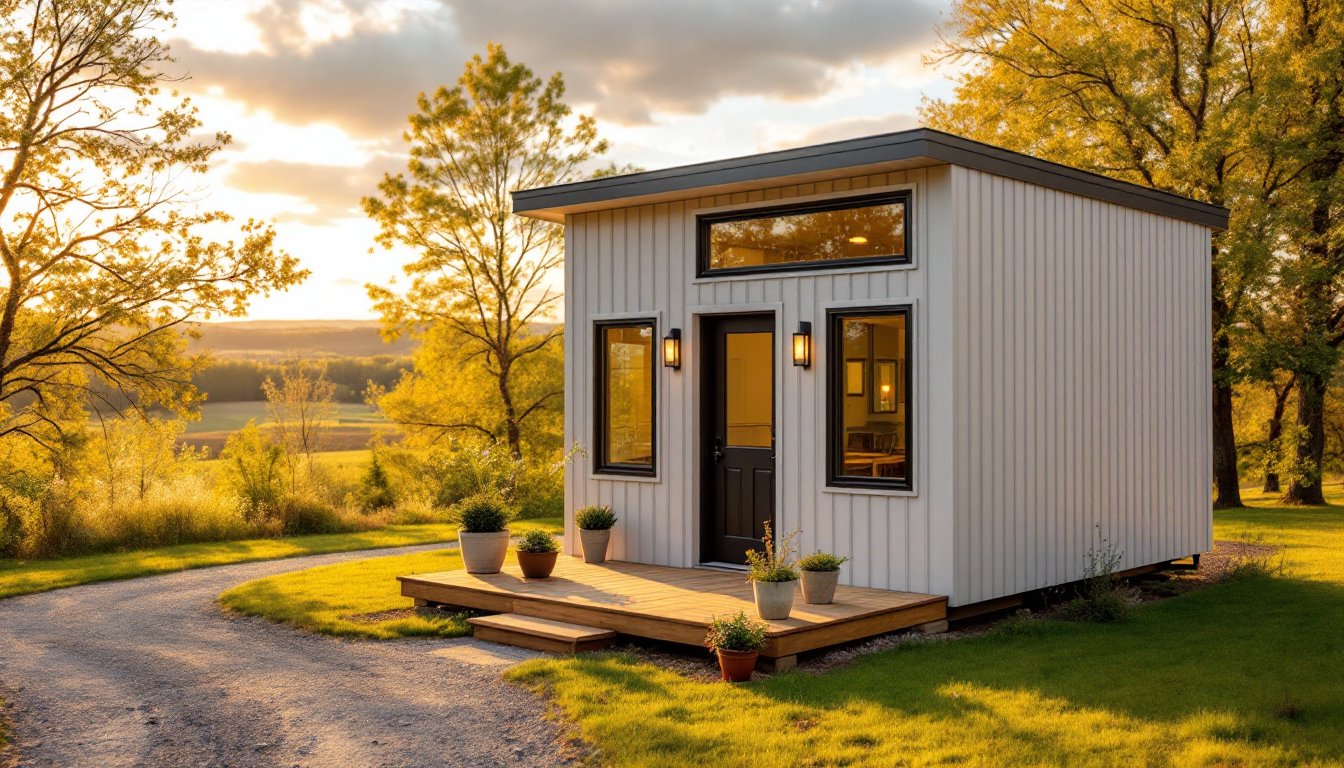
ToggleMichigan’s real estate landscape is shifting, and tiny homes are leading the charge. Whether you’re drawn to lower mortgage payments, simpler maintenance, or just a radical downsize, tiny homes in Michigan offer a practical alternative to traditional housing. The state’s diverse communities, from lakefront areas to urban neighborhoods, have embraced the tiny home movement, creating opportunities for buyers seeking affordability without sacrificing quality of life. This guide walks you through everything you need to know about finding and purchasing tiny homes for sale in Michigan, from market trends to financing options and what to realistically expect when making the leap.
Key Takeaways
- Tiny homes for sale in Michigan range from $80,000 to $200,000 and offer significant savings on energy costs, particularly valuable during harsh winters in the Midwest.
- Michigan’s affordable land prices, competitive property taxes, and strong municipal support in cities like Ann Arbor and Grand Rapids make the state a premier destination for tiny home buyers.
- Financing tiny homes requires careful planning, as many lenders offer higher interest rates (6–10%) for mobile units and demand 20–25% down payments compared to conventional mortgages.
- Location and zoning verification are critical before purchasing; contact your local planning and zoning department to confirm the property legally supports tiny home use.
- Thorough inspection of insulation, foundation integrity, and weatherization is essential in Michigan, where poor insulation directly impacts heating costs during cold winters.
- Assess your lifestyle honestly by visiting occupied tiny homes and measuring your belongings against floor plans, as successful tiny home living requires intentional space management and realistic expectations about community fit.
Why Michigan Is Becoming a Tiny Home Hotspot
Michigan’s appeal to tiny home buyers stems from a combination of practical and economic factors. The state’s relatively affordable land prices, compared to coastal markets, mean you’re getting more bang for your buck, even in desirable areas. Property taxes, while varying by county, remain competitive, making the overall cost of ownership attractive for downsizers.
Beyond economics, Michigan’s culture values pragmatism and hands-on living. The state has a strong DIY tradition, and tiny home communities here tend to attract people serious about intentional living, not just Instagram aesthetics. Also, Michigan’s four seasons make efficient, well-insulated small homes particularly appealing: heating and cooling a compact space costs far less than managing a traditional 2,000-square-foot home through harsh winters.
The state’s environmental consciousness also plays a role. Many Michigan residents prioritize sustainability, and tiny homes naturally reduce energy consumption, material waste, and environmental impact. Towns like Ann Arbor, Traverse City, and Grand Rapids have become micro-hubs for alternative housing movements, with municipal support and forward-thinking zoning that welcomes these developments.
Current Market Trends for Tiny Homes in Michigan
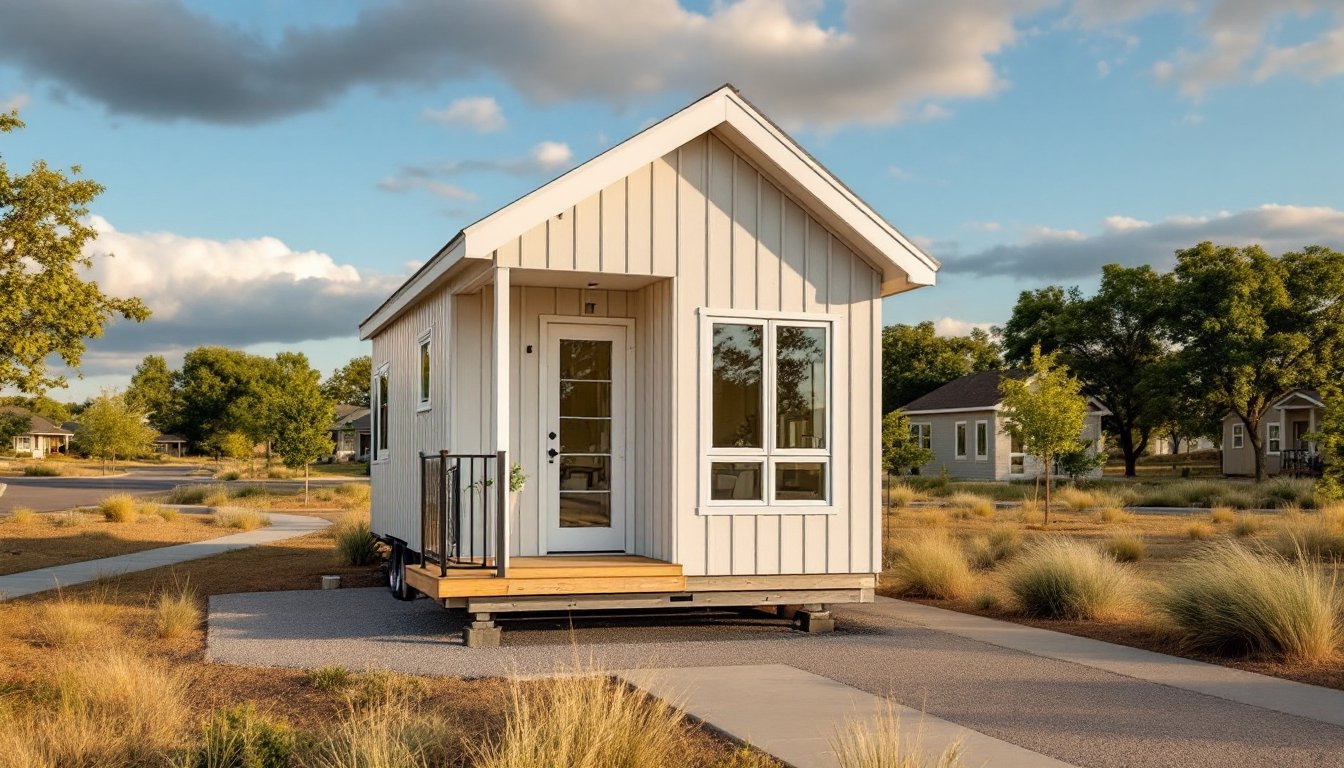
The Michigan tiny home market in 2026 reflects broader national trends with regional nuances. Inventory remains tight but growing, especially in desirable regions. Prices for finished tiny homes typically range from $80,000 to $200,000, depending on location, finish quality, and whether the home is mobile or on a permanent foundation. Land-based tiny homes command higher prices but offer stability and equity-building advantages.
Demand skews toward younger buyers (ages 25–45) and retirees simplifying their lives. Mid-career professionals are also increasingly exploring tiny homes as a path to financial independence. The pandemic accelerated remote work adoption, freeing many buyers from location constraints, Michigan benefits significantly from this shift as people relocate to lower-cost-of-living areas.
Interest rates and financing landscape matter enormously. In early 2026, mortgage rates fluctuate, making affordability calculations critical. Unlike traditional mortgages, tiny home financing can be trickier: some lenders view them as higher-risk, and RV-style mobile tiny homes may qualify for personal or RV loans rather than traditional mortgages. Tiny Homes Strategies: Smart Approaches to Small-Space Living investigate into ways to optimize your finances before buying.
Real estate platforms and tiny home-specific marketplaces have matured significantly, making it easier to track trends and access listings across Michigan’s regions.
Where to Find Tiny Homes For Sale Across Michigan
Finding tiny homes for sale in Michigan requires a multi-channel approach. National platforms like Zillow, Realtor.com, and Redfin now tag properties by property type, making it possible to filter for tiny homes and small properties. Specialized tiny home marketplaces, such as Tiny House Listings and Land Hub, aggregate inventory and often include off-market deals.
Local real estate agents, especially in areas with established tiny home communities, are invaluable. They understand zoning restrictions, community covenants, and which municipalities actively support tiny home development. Don’t overlook Facebook groups and forums dedicated to Michigan tiny homes and alternative housing: these communities share leads, financing advice, and unfiltered reviews of specific neighborhoods and builders.
Top Regions and Communities
Michigan’s geography offers distinct advantages depending on your priorities. Northern Michigan, Traverse City, Petoskey, and surrounding areas, attracts retirees and remote workers seeking natural beauty and a slower pace. Land values are lower, and community support for alternative housing is strong. Tiny house communities in Michigan like those near Traverse City offer established infrastructure and neighbor networks.
Greater Detroit and Southeast Michigan, including Ann Arbor and Dearborn, draw professionals seeking urban proximity without Detroit’s density. Zoning is more restrictive here, but progressive municipalities are relaxing regulations. Land and housing remain more affordable than national metros.
West Michigan, Grand Rapids, Kalamazoo, Holland, offers a middle ground: growing economies, cultural amenities, and expanding tiny home acceptance. What Is a Tiny outlines how these communities define and welcome tiny homes.
Lakefront and resort areas (Mackinac, Sleeping Bear Dunes regions) attract seasonal and permanent tiny home buyers, though competition and pricing are steeper. Vacation rental zoning can create income opportunities if that appeals to you.
What to Look For When Buying a Tiny Home in Michigan
Location matters as much in tiny homes as in traditional housing, arguably more, because moving a land-based tiny home is expensive and disruptive. Evaluate municipality zoning carefully. Some Michigan communities welcome tiny homes outright: others require variances or grandfathering under existing codes. Contact the local planning and zoning department before falling in love with a property.
Inspect the foundation and structural integrity rigorously. Tiny homes, especially those on trailers or skids, endure stresses that larger homes don’t. Verify that any mobile home meets HUD (Department of Housing and Urban Development) standards for safety. For land-based homes, confirm the foundation meets Michigan’s building code (which references the International Residential Code, though local amendments vary).
Insulation and weatherization are non-negotiable in Michigan. Check R-values in walls, ceilings, and basement or crawl spaces. Poor insulation compounds heating costs, a serious issue in Midwest winters. Verify that windows are rated for Michigan’s climate (low-E coating, dual-pane minimum, three-pane in northern counties is smart).
Plumbing and electrical systems in older or handmade tiny homes sometimes reflect amateur work. Hire a licensed inspector familiar with small-space living: standard home inspectors may miss tiny-home-specific issues. Check for proper electrical grounding, GFCI outlets in wet areas, and plumbing code compliance (undersized pipes and inadequate venting are common shortcuts in DIY builds).
How to Build a Tiny Home: A Complete Beginner’s Guide explores construction best practices that separate well-built homes from quick projects.
Ask about easements, HOA rules, and deed restrictions. Some tiny home communities impose strict aesthetics or usage guidelines: understand these before committing.
Financing and Legal Considerations for Tiny Home Purchases
Financing a tiny home in Michigan differs from traditional mortgages, and this is where many buyers stumble. Banks hesitate to finance properties under certain thresholds (often $80,000–$100,000), viewing them as harder to resell. Construction and permanent loans may require 20–25% down, versus 10–15% for standard homes.
Mobile or RV-classified tiny homes typically require personal loans, RV loans, or manufactured home loans, these carry higher interest rates (6–10% versus 3–4% for conventional mortgages). Land-based tiny homes on permanent foundations fare better with traditional financing, though appraisals can be tricky if comps don’t exist in your area.
Credit unions, Michigan-based lenders, and specialist tiny home lenders sometimes offer friendlier terms. Shop aggressively: rates and down payment requirements vary wildly between institutions. Some credit unions will finance land-based tiny homes as conventional properties if they meet size and code thresholds.
Legal and zoning issues are paramount. Before purchasing, obtain a zoning letter from the municipality confirming the property is legally designated for its intended use. Tiny Homes vs Traditional Homes: Which Is Right for You? evaluates the practical and legal trade-offs. Some Michigan counties don’t technically prohibit tiny homes but make them bureaucratically difficult, know the difference between legal and tolerated.
Homeowners insurance for tiny homes can be cheaper than traditional homes, but some insurers don’t cover mobile tiny homes at standard rates. Get quotes early: coverage affects your true cost of ownership.
Title and deed work matters. Ensure the seller provides clear title, and verify whether the tiny home and land are sold together or separately. Mobile homes sometimes have separate titles (similar to vehicles), adding complexity.
Making Your Decision: Is a Michigan Tiny Home Right for You?
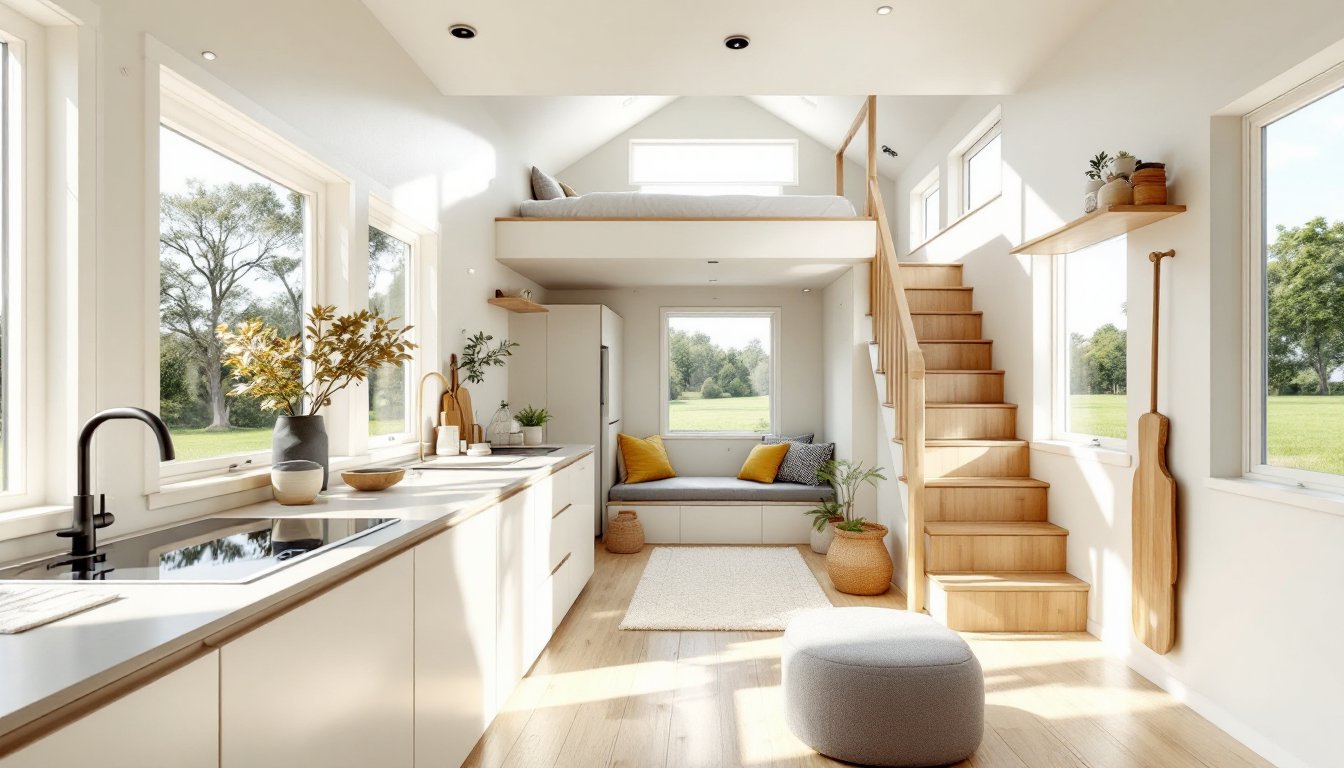
Buying a tiny home is as much psychological as financial. Honestly assess whether you’re comfortable with 300–400 square feet of living space. Visit completed tiny homes and spend time in them, open houses often disappoint because occupied homes feel different. Measure your furniture and belongings against floor plans.
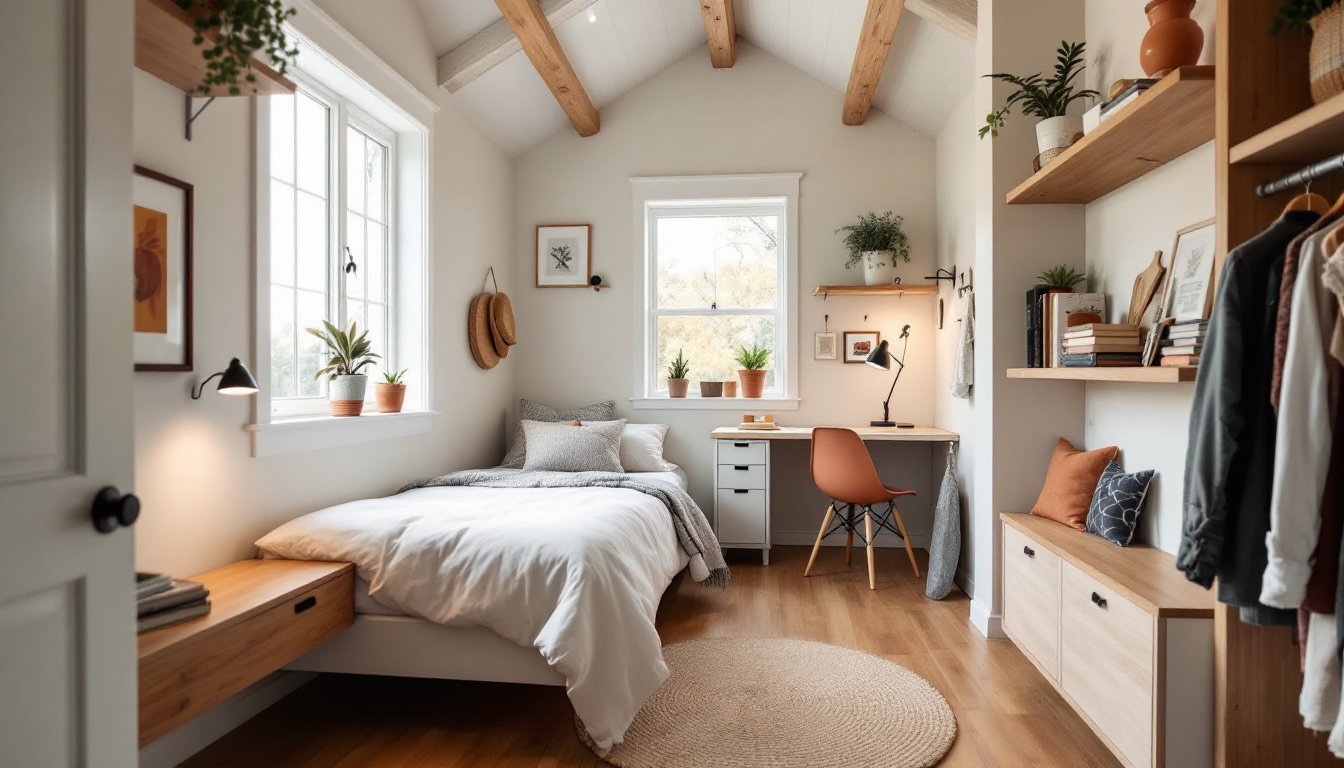
Tiny homes demand intentional living. You can’t accumulate passively: every closet, shelf, and corner must earn its keep. If you love gardening, hobbies requiring equipment (woodworking, recording music), or hosting large gatherings, a tiny home may frustrate you, no matter how charming the concept.
Resale potential is improving but remains uncertain compared to traditional homes. Market conditions in your chosen Michigan region dictate whether you’re buying or selling into demand. Resources like Curbed track real estate trends and forecast regional housing movements, useful for longer-term planning.
Community fit matters deeply. Some tiny home communities thrive with strong neighbor bonds: others feel isolating. Research the specific development, read online reviews, and speak directly with current residents. HGTV showcases tiny home lifestyles, but reality in Michigan’s winters differs from warm-climate showcases.
Finally, crunch the full numbers: mortgage, insurance, utilities, HOA or community fees, property taxes, and maintenance reserves. Tiny homes cost less overall, but the margin shrinks if financing is expensive or the community demands high fees. Compare against renting or buying a modest traditional home in your target area, the spreadsheet doesn’t lie.
Exploring Tiny Home Resources in Michigan
Apartment Therapy offers practical ideas for maximizing small spaces, from storage hacks to furniture arrangements. Whether you’re designing a tiny home interior or simply testing the lifestyle in a temporary space, these principles apply directly.
Tiny Homes Tips: Essential Advice for Small Space Living provides actionable steps for anyone transitioning to compact living. The guide covers daily routines, spatial organization, and realistic expectations, invaluable before signing a purchase agreement.
For broader inspiration and design trends, Best Tiny Homes for Simplified Living in 2025 showcases completed projects and feature-rich builds. These examples help you visualize what’s possible and identify must-have amenities.