Table of Contents
ToggleWhat is a tiny home? It’s a small dwelling, typically under 400 square feet, designed for efficient living. These compact spaces have gained popularity as housing costs rise and more people seek simpler lifestyles.
Tiny homes represent a shift in how people think about shelter. They prioritize function over excess space. They challenge the assumption that bigger always means better.
This guide covers everything about tiny homes, from size standards and types to benefits, challenges, and who might thrive in one. Whether someone is curious about downsizing or seriously considering the tiny home lifestyle, this article provides the essential information needed to make an well-informed choice.
Key Takeaways
- A tiny home is a compact dwelling typically under 400 square feet, designed for efficient and intentional living.
- Tiny homes come in various types, including houses on wheels, foundation-built structures, shipping containers, and converted vehicles like buses or vans.
- Financial benefits are significant—tiny homes cost between $30,000 and $60,000 on average, with monthly utilities often under $50.
- Tiny homes produce about 2,000 pounds of CO2 annually compared to 28,000 pounds for standard homes, making them an eco-friendly housing option.
- Before buying or building a tiny home, research local zoning laws carefully, as regulations vary widely by municipality.
- Tiny home living suits minimalists, remote workers, budget-conscious individuals, and empty nesters, but may not work for families needing more space.
Defining Tiny Homes and Their Size Standards
A tiny home is a residential structure that typically measures between 100 and 400 square feet. Some definitions stretch to 600 square feet, but most builders and enthusiasts agree that anything under 400 square feet qualifies.
To put this in perspective, the average American home measures about 2,300 square feet. A tiny home offers roughly 1/6 of that space, or less.
Size Classifications
Tiny homes fall into several size categories:
- Micro homes: Under 100 square feet
- Standard tiny homes: 100–400 square feet
- Small homes: 400–1,000 square feet (often called “small” rather than “tiny”)
Legal Definitions
The International Residential Code (IRC) defines a dwelling unit as requiring at least 70 square feet for a habitable room. Many tiny homes meet or exceed this minimum. But, local zoning laws vary significantly.
Some municipalities classify tiny homes as accessory dwelling units (ADUs). Others treat them as recreational vehicles. A few cities have created specific tiny home zoning categories. Portland, Oregon, and Fresno, California, lead the way with progressive tiny home regulations.
Understanding what is a tiny home from a legal standpoint matters greatly. Before purchasing or building, buyers should research local codes thoroughly.
Types of Tiny Homes
Tiny homes come in several distinct forms. Each type serves different needs, budgets, and lifestyles.
Tiny Houses on Wheels (THOWs)
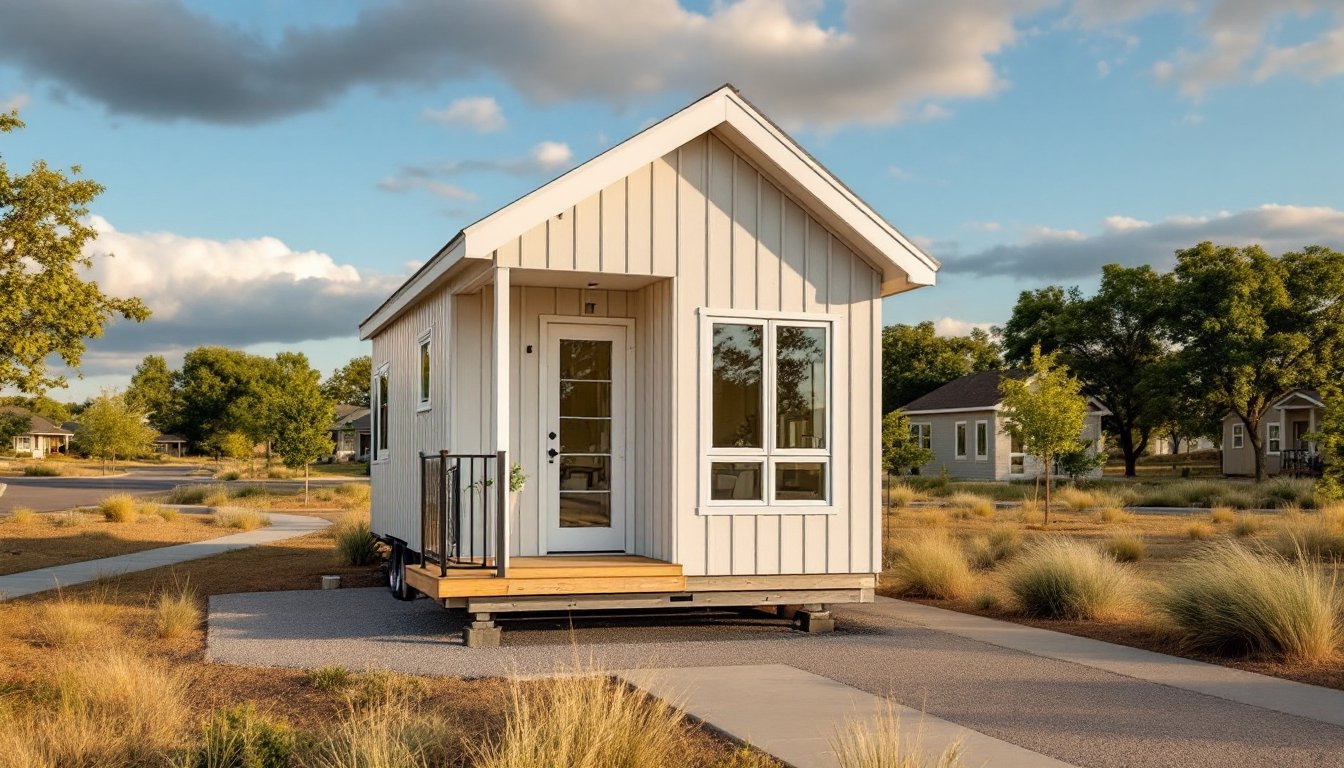
These are the most recognizable tiny homes. Built on trailers, they offer mobility and often bypass certain zoning restrictions. THOWs typically range from 150 to 300 square feet. They can be moved to different locations, though they require a capable tow vehicle.
Popular THOW manufacturers include Tumbleweed Tiny House Company, Escape Traveler, and dozens of smaller custom builders.
Foundation-Built Tiny Homes
These tiny homes sit on permanent foundations like traditional houses. They generally offer more stability and may appreciate in value like conventional real estate. Foundation-built tiny homes often face fewer financing challenges than their wheeled counterparts.
Shipping Container Homes
Repurposed shipping containers provide a sturdy shell for tiny home construction. A standard 20-foot container offers about 160 square feet of floor space. These structures are durable, stackable, and relatively affordable as a starting point.
Prefab and Modular Tiny Homes
Factory-built tiny homes arrive at the site partially or fully assembled. This approach reduces construction time and often costs less than custom builds. Companies like ICON even produce 3D-printed tiny homes.
Converted Structures
Some tiny home dwellers convert existing structures: school buses (“skoolies”), vans, sheds, or even large toolsheds. These conversions often cost less but require significant DIY skills.
Benefits of Living in a Tiny Home
Living in a tiny home offers several distinct advantages. These benefits explain why thousands of people choose small-space living each year.
Financial Freedom
Tiny homes cost significantly less than traditional houses. The average tiny home costs between $30,000 and $60,000 to build. Some prefab options run as low as $15,000.
Monthly expenses drop dramatically too. Utility bills often fall below $50 per month. Property taxes decrease proportionally with home size. Many tiny home owners live mortgage-free.
Environmental Impact
A tiny home uses fewer resources to build and maintain. Less space means less energy for heating and cooling. The average tiny home produces about 2,000 pounds of CO2 annually, compared to 28,000 pounds for a standard home.
Many tiny home dwellers incorporate solar panels, composting toilets, and rainwater collection systems. These additions further reduce environmental footprints.
Simplified Lifestyle
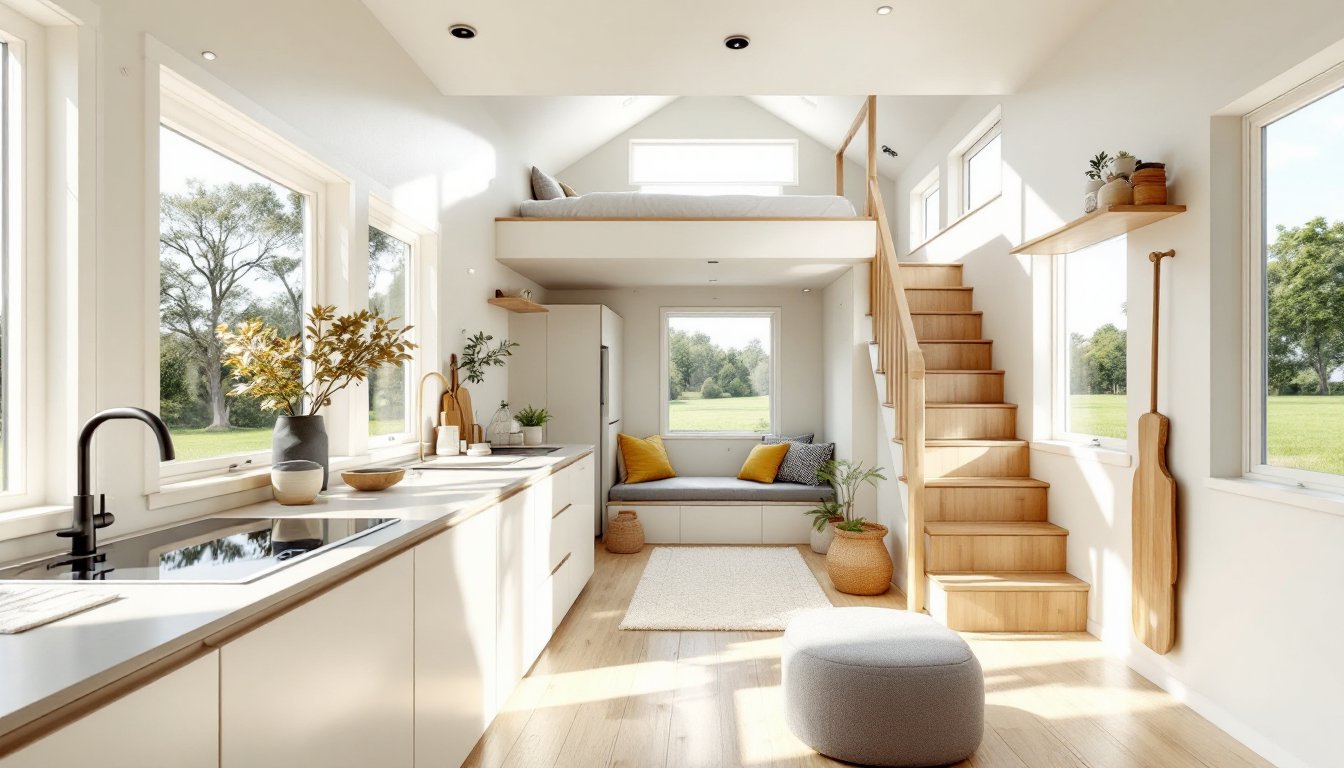
Limited space forces intentional choices about possessions. Tiny home residents report feeling less burdened by stuff. They spend less time cleaning and maintaining their space.
This simplification often extends beyond the physical. Many tiny home dwellers report reduced stress and greater focus on experiences over material goods.
Location Flexibility
Tiny homes on wheels can relocate as needed. This mobility appeals to remote workers, travelers, and those who value variety in their surroundings.
Challenges and Considerations
Living in a tiny home isn’t perfect for everyone. Prospective tiny home dwellers should understand these challenges before committing.
Zoning and Legal Issues
Many areas prohibit tiny homes as primary residences. Zoning laws often require minimum square footage that exceeds tiny home dimensions. Finding legal parking for a tiny home on wheels can prove difficult.
Some tiny home owners face ongoing battles with local authorities. Others move frequently to avoid enforcement. Research local regulations thoroughly before investing.
Space Constraints
Living in under 400 square feet requires serious downsizing. Hosting guests becomes challenging. Storage space is minimal. Privacy within the home barely exists for couples or families.
Some people adapt quickly to small-space living. Others find the constraints unbearable after a few months.
Financing Difficulties
Traditional mortgages rarely apply to tiny homes. Banks often view tiny homes on wheels as vehicles rather than real estate. Personal loans, RV loans, or cash purchases remain the primary financing options.
This financing gap makes tiny home ownership less accessible than it might initially appear.
Resale Uncertainty
The tiny home resale market remains small and unpredictable. Tiny homes on wheels depreciate like vehicles rather than appreciating like traditional real estate. Selling a custom tiny home can take considerable time.
Utility Connections
Hooking up water, sewer, and electricity varies by location and home type. Some tiny home owners rely entirely on off-grid systems. Others pay for RV park hookups. These logistics require planning and ongoing management.
Who Should Consider Tiny Home Living
Tiny homes suit certain lifestyles and personalities better than others. Here’s who tends to thrive in small-space living.
Minimalists
People who already prefer owning less adapt easily to tiny home constraints. If someone finds joy in simplicity rather than accumulation, a tiny home might feel liberating rather than limiting.
Budget-Conscious Individuals
Those prioritizing financial freedom over square footage benefit most from tiny home economics. Young professionals paying off student debt, early retirees stretching savings, and anyone seeking lower living costs should explore tiny home options.
Remote Workers
Location-independent professionals can pair tiny home living with travel. A tiny home on wheels offers a mobile office and residence in one package.
Environmentally Motivated Individuals
People committed to reducing their carbon footprint find tiny homes align with their values. The smaller resource consumption appeals to eco-conscious residents.
Empty Nesters
After children leave, some parents find large homes unnecessary. Downsizing to a tiny home frees up equity and reduces maintenance burdens.
Those Who Won’t Thrive
Tiny home living isn’t ideal for everyone. Families with young children often need more space. People with extensive hobbies requiring equipment may struggle. Anyone uncomfortable with minimal privacy should look elsewhere.