Table of Contents
ToggleLearning how to build a tiny home can transform the way people think about housing, finances, and daily life. These compact dwellings, typically under 400 square feet, offer an affordable path to homeownership while reducing environmental impact. Whether someone dreams of a mobile tiny house on wheels or a permanent backyard cottage, the process requires careful planning and smart decision-making. This guide breaks down everything beginners need to know about building a tiny home, from foundation choices to budgeting strategies.
Key Takeaways
- Tiny homes range from 100 to 400 square feet and offer an affordable path to homeownership with reduced environmental impact.
- Choose between a trailer foundation for mobility or a permanent foundation for stability—each affects zoning, cost, and legal classification.
- Research local zoning laws and building codes early, as regulations vary widely and determine where you can legally build a tiny home.
- DIY tiny home builds typically cost $20,000 to $60,000 for materials and take 500 to 1,000 hours to complete.
- Prioritize layout efficiency, built-in storage, and natural light to make your small space feel functional and spacious.
- Explore financing alternatives like personal loans, RV loans, or specialized tiny home lenders since traditional mortgages rarely cover these builds.
Understanding Tiny Home Basics
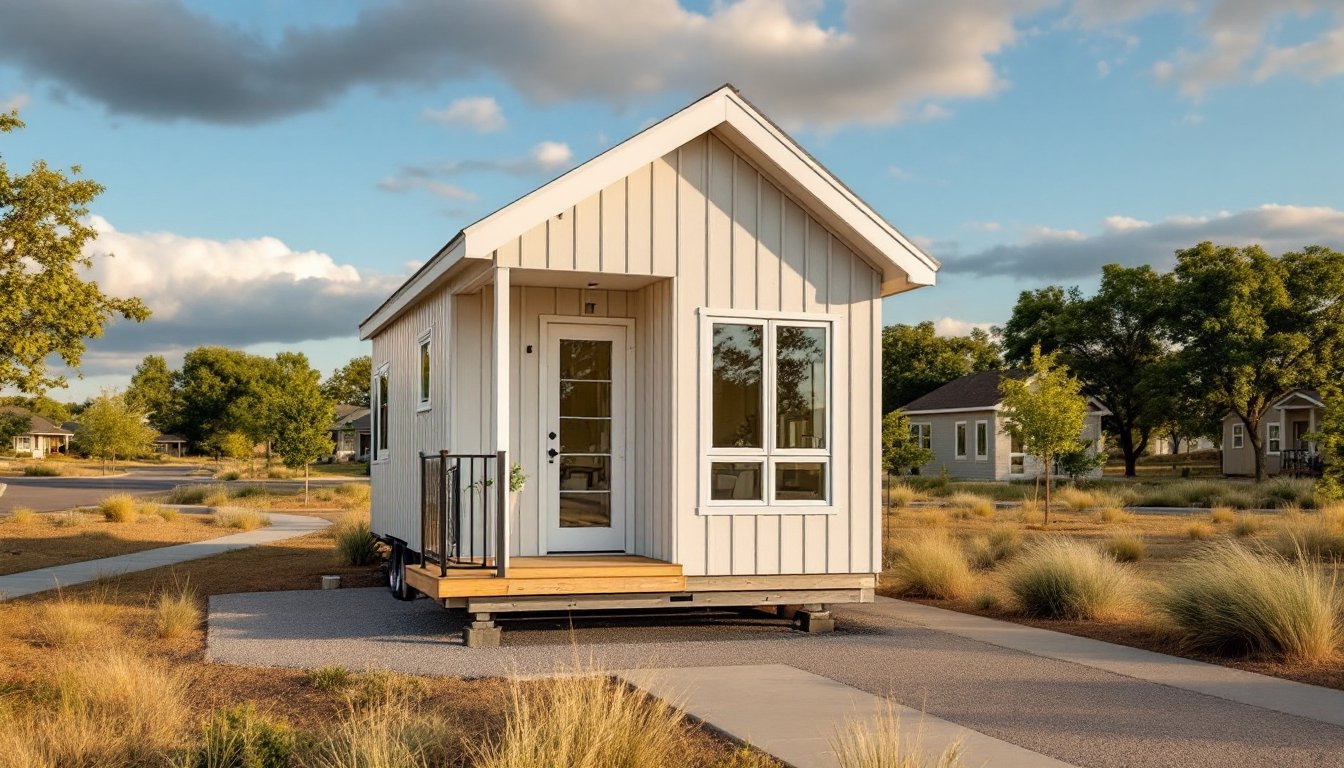
A tiny home is a dwelling that maximizes limited square footage through clever design. Most tiny homes range from 100 to 400 square feet, though some push slightly larger. They come in two main categories: tiny houses on wheels (THOWs) and permanent structures built on fixed foundations.
Tiny houses on wheels offer mobility and often bypass certain zoning restrictions since they’re classified as RVs or trailers. Permanent tiny homes function like traditional houses but require building permits and must meet local codes.
People choose tiny homes for different reasons. Some want to eliminate mortgage debt. Others prioritize sustainability and a smaller carbon footprint. Many simply prefer owning less stuff and spending more time on experiences.
Before starting any tiny home project, builders should understand the lifestyle trade-offs. Limited space means creative storage solutions become essential. Downsizing possessions is mandatory, not optional. But, many tiny home owners report increased financial freedom and reduced stress after making the switch.
Planning Your Tiny Home Project
Planning determines whether a tiny home project succeeds or fails. This phase involves three critical decisions: location, design, and timeline.
Location Selection
Where the tiny home will sit affects nearly every other choice. Land costs vary dramatically by region. Rural areas offer cheaper plots but may lack utility connections. Urban and suburban locations provide convenience but face stricter zoning laws.
Research local regulations early. Some municipalities welcome tiny homes while others ban them outright. Call the local planning department before purchasing land or starting construction.
Design Considerations
Tiny home designs range from rustic cabins to modern minimalist spaces. Key factors include:
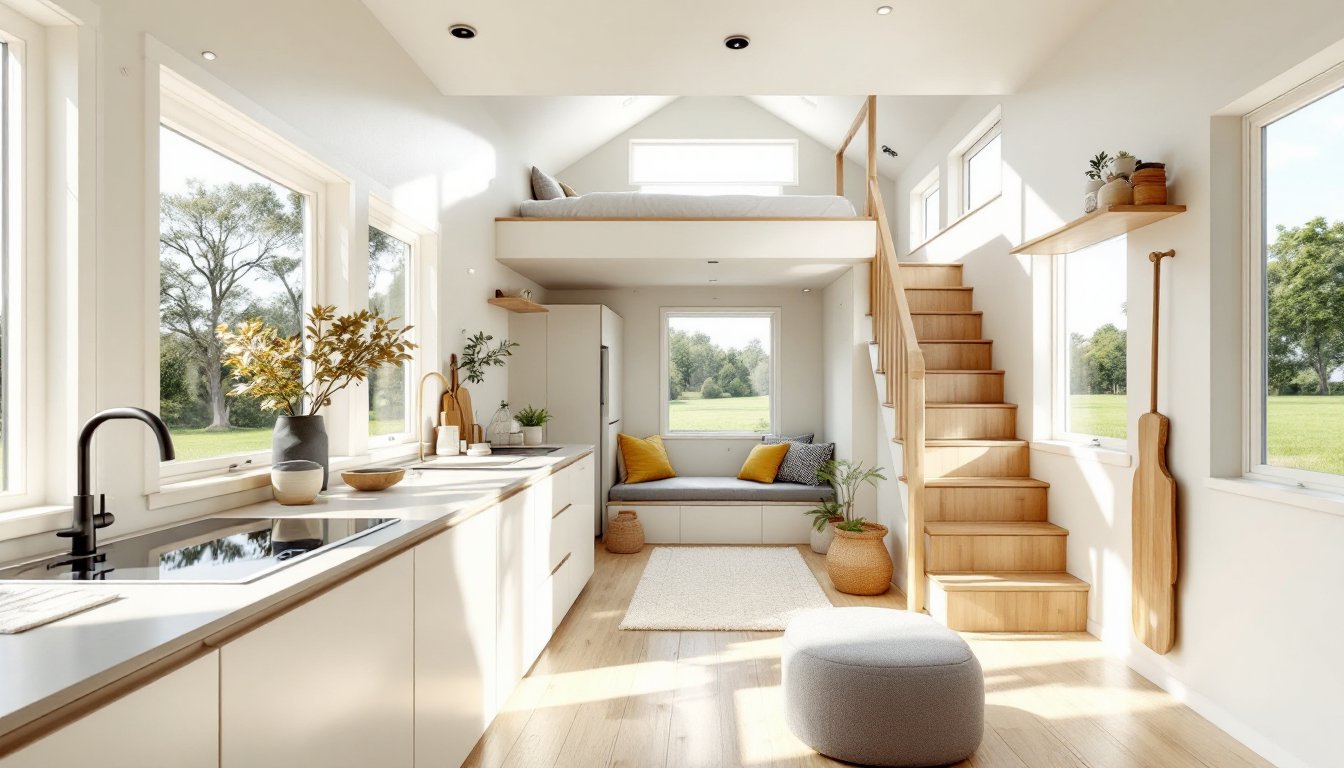
- Layout efficiency: Every square foot must serve a purpose
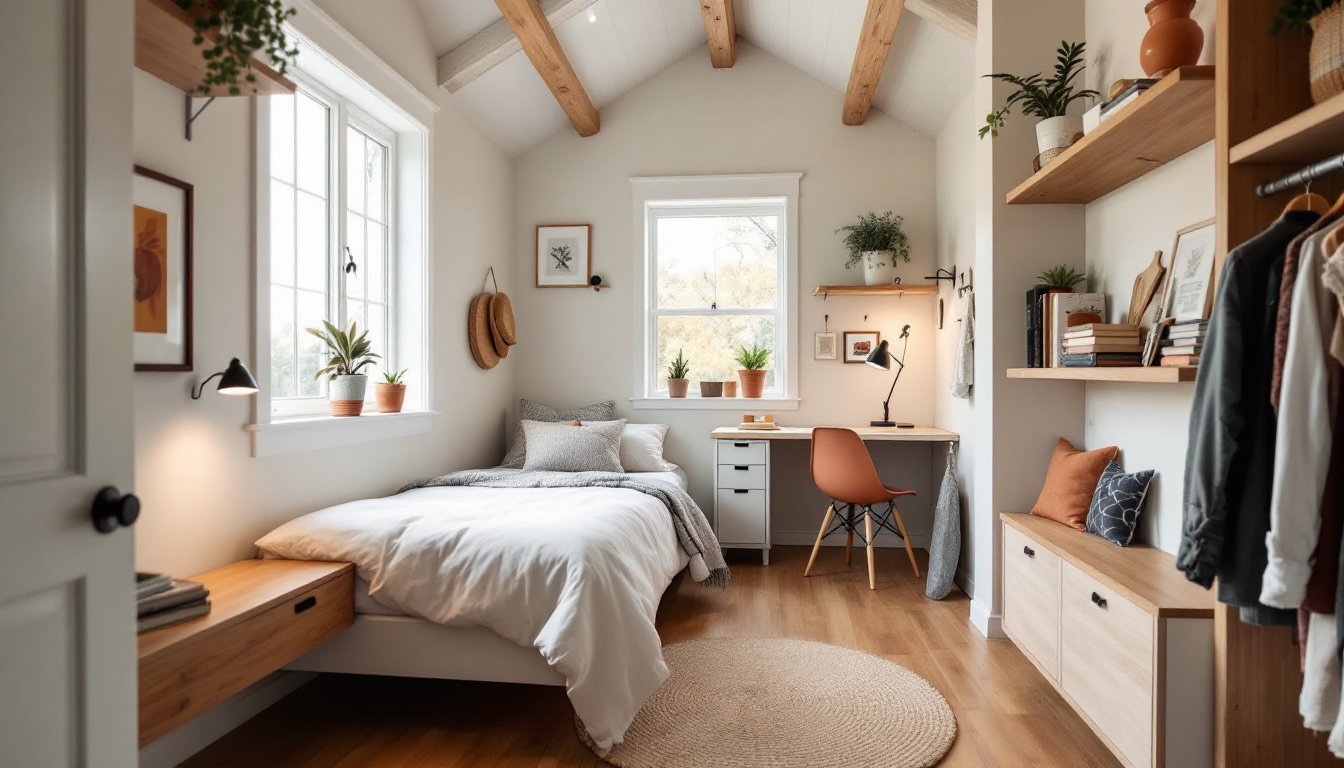
- Storage integration: Built-in shelving, under-floor compartments, and lofted spaces
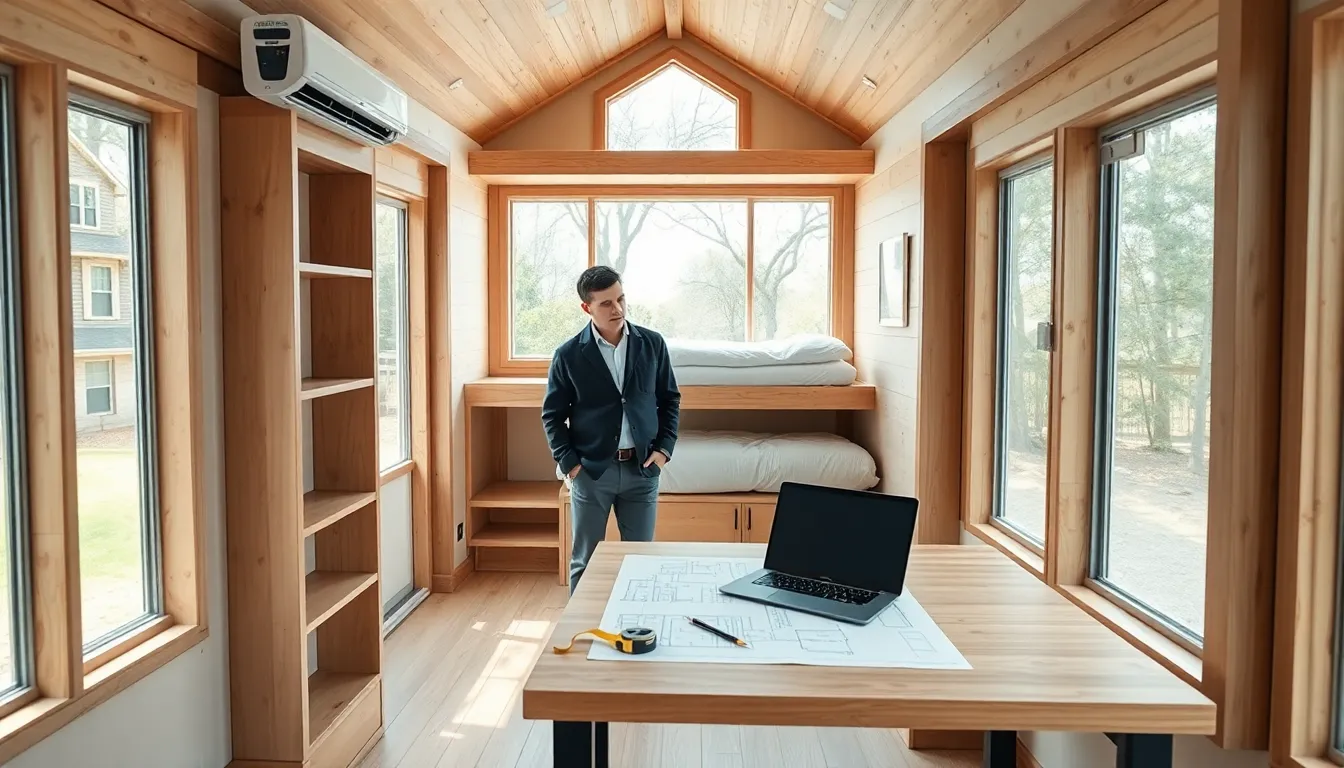
- Natural light: Large windows make small spaces feel bigger
- Ceiling height: Lofts require adequate headroom
Many beginners purchase pre-made plans from architects who specialize in tiny homes. Custom designs cost more but ensure the space fits specific needs.
Timeline Planning
A DIY tiny home typically takes 500 to 1,000 hours to build. Someone working weekends might need 12 to 18 months. Full-time builders can finish in 3 to 6 months. Factor in permit approval times, material delivery delays, and learning curves when setting deadlines.
Choosing the Right Foundation Type
The foundation impacts mobility, cost, and legal classification of any tiny home. Three options dominate the market.
Trailer Foundations
A trailer foundation makes the tiny home mobile. Builders purchase or custom-order a flatbed trailer, then construct the house on top. This approach works well for people who want flexibility or live in areas with restrictive zoning.
Trailer-based tiny homes must balance weight carefully. Most trailers support 10,000 to 14,000 pounds. Builders should track material weights throughout construction to avoid exceeding limits.
Skid Foundations
Skid foundations use pressure-treated wooden beams placed directly on the ground. They’re cheaper than concrete and allow the structure to be moved with heavy equipment if needed.
This option suits rural properties and temporary installations. But, skid foundations may not meet building codes in all jurisdictions.
Permanent Foundations
Concrete slab, pier, or crawl space foundations anchor tiny homes permanently. These structures must comply with local building codes, which often means inspections and permits.
Permanent foundations offer stability and can increase property value. They make sense for people committed to one location long-term.
Essential Building Steps and Materials
Building a tiny home follows the same basic sequence as traditional construction, just on a smaller scale.
Framing
Framing creates the skeleton of the tiny home. Most builders use 2×4 lumber for walls and 2×6 or 2×8 for floors and ceilings. Steel framing offers durability but costs more and requires specialized tools.
For tiny homes on wheels, lightweight materials matter. Some builders choose structural insulated panels (SIPs) to reduce weight while maintaining strength.
Insulation and Sheathing
Proper insulation keeps tiny homes comfortable year-round. Popular options include:
- Spray foam (highest R-value per inch)
- Rigid foam boards (good balance of cost and performance)
- Wool or cotton batts (eco-friendly alternatives)
Exterior sheathing, typically plywood or OSB, goes over the framing before siding installation.
Utilities Installation
Electrical, plumbing, and HVAC systems require careful planning in tight spaces. Many tiny home builders hire licensed professionals for electrical work to ensure safety and code compliance.
Plumbing can connect to municipal systems, septic tanks, or composting toilets depending on location and preference. Mini-split heat pumps efficiently handle heating and cooling in small spaces.
Interior Finishing
Interior work includes drywall or wood paneling, flooring, cabinetry, and fixtures. This phase offers the most creative freedom. Reclaimed materials can reduce costs while adding character to the tiny home.
Budgeting and Legal Considerations
Understanding costs and regulations prevents expensive surprises during any tiny home build.
Cost Breakdown
DIY tiny homes typically cost between $20,000 and $60,000 for materials. Professional builders charge $50,000 to $150,000 or more for turnkey construction.
Major expense categories include:
- Trailer or foundation: $3,000 to $8,000
- Framing and sheathing: $3,000 to $6,000
- Roofing: $1,500 to $4,000
- Windows and doors: $2,000 to $5,000
- Electrical system: $1,500 to $4,000
- Plumbing: $1,000 to $3,500
- Interior finishes: $5,000 to $15,000
Buying materials in phases spreads costs over time. Salvaged and reclaimed items can cut expenses significantly.
Zoning and Building Codes
Zoning laws determine where tiny homes can legally exist. Some areas require minimum square footage that excludes tiny homes. Others restrict them to specific zones or require they serve as accessory dwelling units (ADUs).
Building codes govern construction standards. Tiny homes on foundations typically need permits and inspections. Those on wheels may fall under RV regulations instead.
Insurance and Financing
Traditional mortgages rarely cover tiny homes. Alternatives include personal loans, RV loans, and specialized tiny home lenders. Some builders self-finance by saving money or selling their conventional home first.
Insurance options vary by foundation type. Trailer-based tiny homes may qualify for RV insurance. Permanent structures typically need homeowner’s policies.