Table of Contents
ToggleWashington State has become a prime destination for tiny home buyers seeking affordability, sustainability, and a simplified lifestyle. Whether you’re drawn to the Seattle metro’s urban density or the quiet charm of mountain communities, tiny homes for sale in Washington State offer diverse options for modern homeowners. The market is heating up in 2026, with more builders and sellers recognizing the demand for compact, efficient dwellings. If you’re considering this transition, understanding the market landscape, regional variations, and what to expect before signing on the dotted line will help you make a confident decision.
Key Takeaways
- Tiny homes for sale in Washington State cost 40–60% less than conventional single-family houses, with monthly housing costs often cut by half or more.
- Seattle metro tiny homes range from $250,000–$500,000, while rural areas offer comparable quality for $150,000–$350,000, making location a critical factor in your budget.
- Zoning regulations vary widely across Washington counties and cities; verify local codes and work with a real estate attorney before purchasing to ensure compliance.
- Specialized lenders and financing approaches may be necessary, as traditional banks sometimes struggle to appraise tiny homes due to limited comparable sales.
- Urban Puget Sound tiny homes typically hold resale value well, but rural custom builds depend heavily on location appeal and long-term market demand.
- Lifestyle compatibility is essential—spend time in actual tiny home communities and comparable homes before committing to ensure downsizing aligns with your daily habits and needs.
Why Tiny Homes Are Booming in Washington State
Washington State’s tiny home surge isn’t a passing trend, it’s a response to real housing pressures. Urban sprawl, rising construction costs, and environmental consciousness have converged to make compact living increasingly appealing. Seattle’s housing shortage and skyrocketing prices have pushed buyers to look beyond the traditional home, while rural areas are seeing appeal from remote workers who no longer need a downtown commute.
The financial argument is straightforward: a tiny home typically costs 40–60% less than a conventional single-family house in Washington. Lower property taxes, reduced utility bills, and minimal maintenance mean long-term savings that add up. Many tiny home owners report cutting their monthly housing costs by half or more.
Beyond the wallet, there’s a lifestyle shift. Fewer square feet means less stuff, less time cleaning, and more freedom to invest in experiences. Young professionals, early retirees, and sustainability-minded families are all finding appeal. What is a tiny home? fundamentally changes how people think about residential space, it’s not about sacrifice but intentional living. Washington’s progressive environmental culture also resonates with tiny home values: reduced carbon footprint, minimal land consumption, and energy efficiency align with state values.
Where to Find Tiny Homes for Sale Across Washington
Finding the right tiny home in Washington requires knowing where to look and understanding regional market variations. Inventory, pricing, and lifestyle appeal differ significantly between the urban Puget Sound region and rural mountain or eastern communities.
Seattle Metro and Puget Sound Region
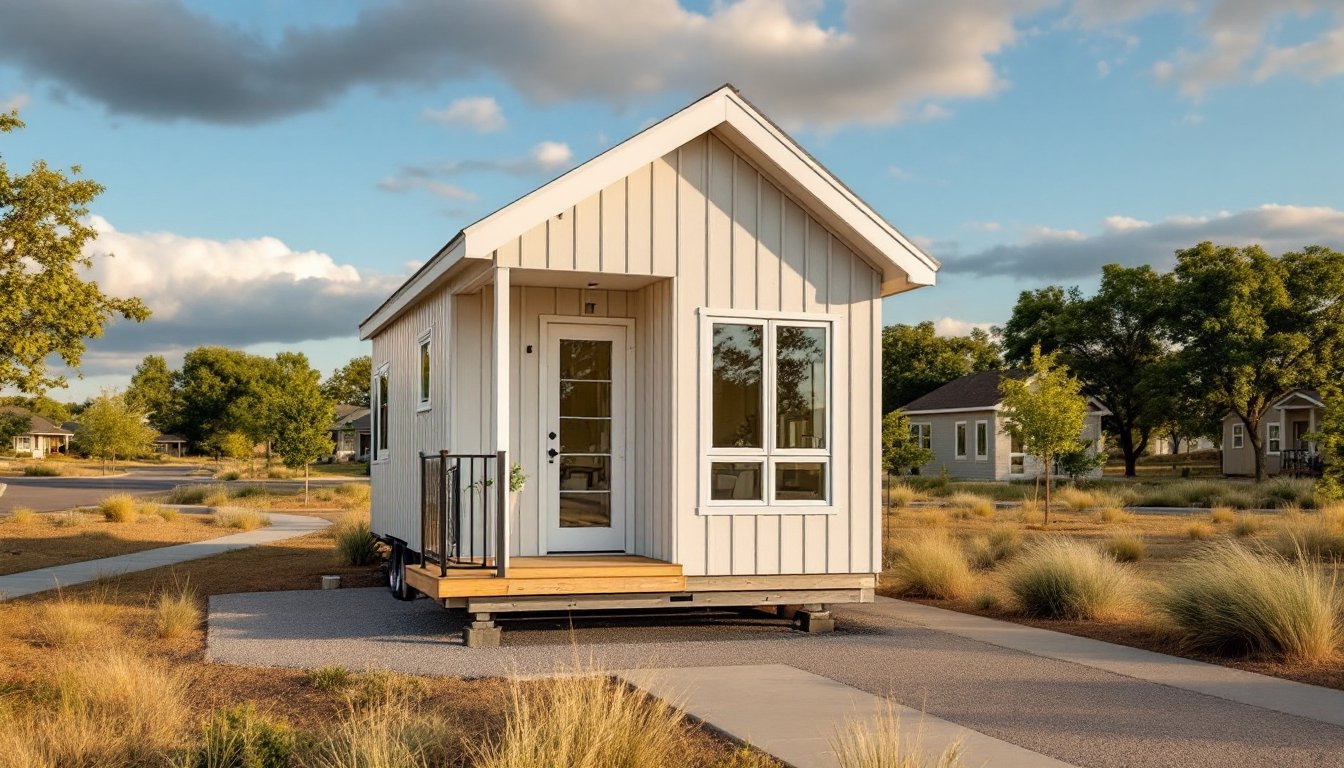
The Seattle area, including Tacoma and Bellevue, dominates Washington’s tiny home market by volume. New developments and infill projects are adding compact homes in urban neighborhoods where land is scarce and expensive. Look for dedicated tiny home communities in places like Shoreline, Olympia, and Kent, these planned neighborhoods often include shared amenities and stronger community ties than scattered single homes.
Online platforms like Zillow, Redfin, and local MLS systems are your primary tools. Search filters for “studio,” “1-bedroom,” or specify square footage under 500 sq ft. Expect prices in the metro area to range from $250,000 to $500,000 depending on location and finishes. Real estate agents familiar with the tiny home niche are invaluable: they know off-market deals and emerging projects. Websites like Curbed, which covers real estate trends and urban living, frequently feature Pacific Northwest micro-housing developments worth following.
Rural and Mountain Communities
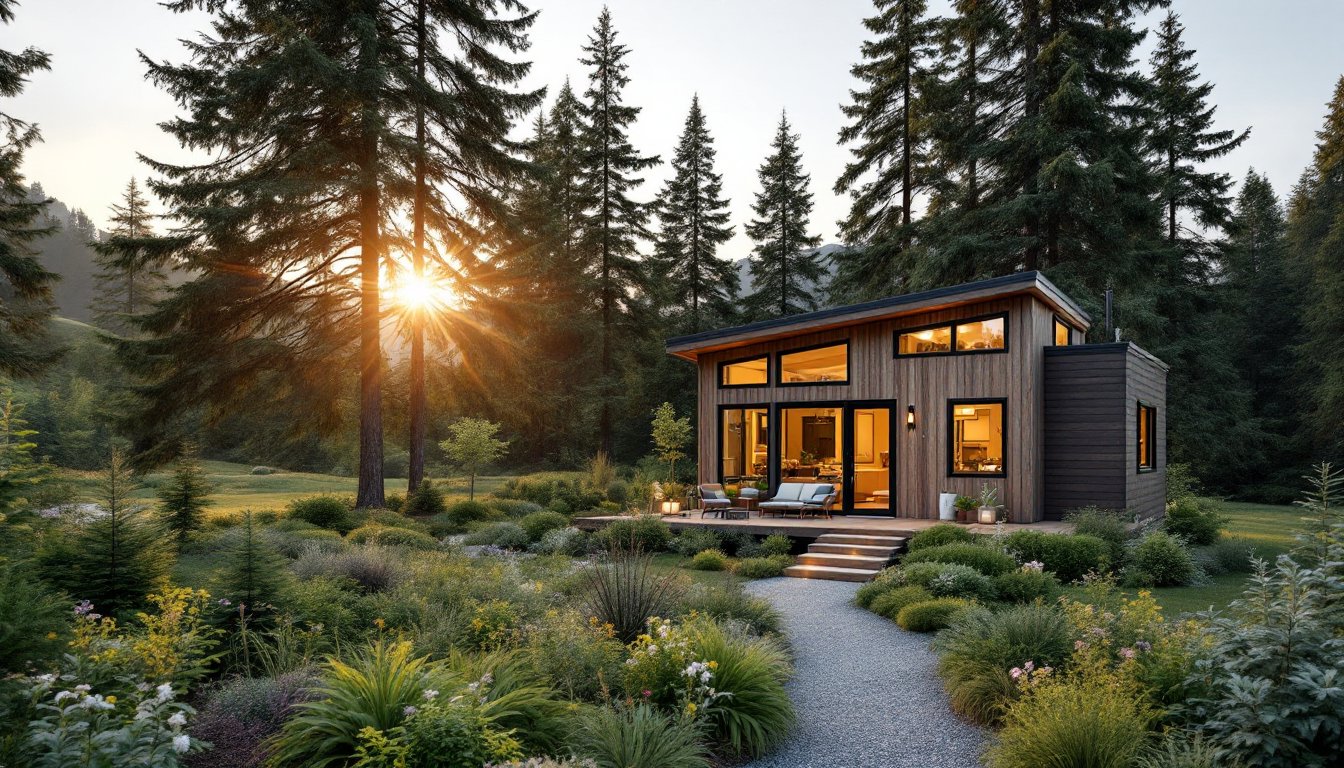
Rural Washington, the Cascades, Eastern Washington, and communities around Bellingham, offer cheaper land, bigger lots, and a different pace. Tiny homes here often sit on larger properties, giving you breathing room and even room to add structures later. Prices drop significantly: expect $150,000 to $350,000 for quality builds in less-urban areas.
Finding rural listings requires patience. National platforms work, but local real estate agents, county assessor records, and community Facebook groups often surface homes before they hit major listing sites. Tiny Homes Strategies: Smart approaches to small-space living often include land selection, something rural buyers have more flexibility to optimize. Some rural tiny homes are newer construction: others are converted barns, cottages, or custom builds. Inspect carefully and verify utilities, septic systems, and well water if off-grid features are involved.
What to Expect: Pricing, Features, and Design Styles
Washington’s tiny home market spans a wide range of styles, finishes, and price points. Understanding what drives value will help you avoid overpaying for hype and spotting genuinely quality builds.
Pricing dynamics: In Seattle metro areas, a new tiny home starts around $250,000 and climbs to $500,000+ for premium finishes and prime locations. Rural tiny homes run $150,000 to $350,000. Used tiny homes, especially on wheels, can dip below $100,000 if you’re willing to handle inspections and renovations. Always factor in land cost if buying home and lot separately: Seattle area land alone can exceed the home’s value.
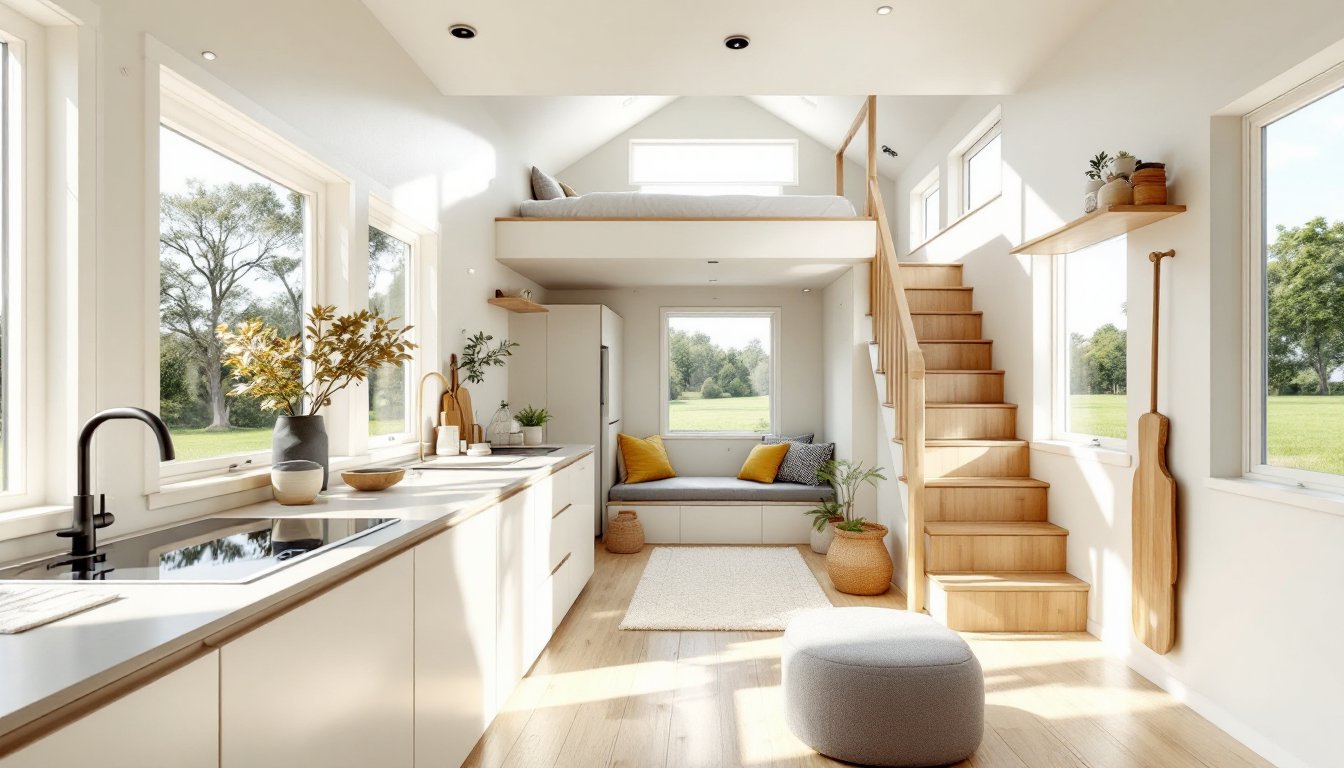
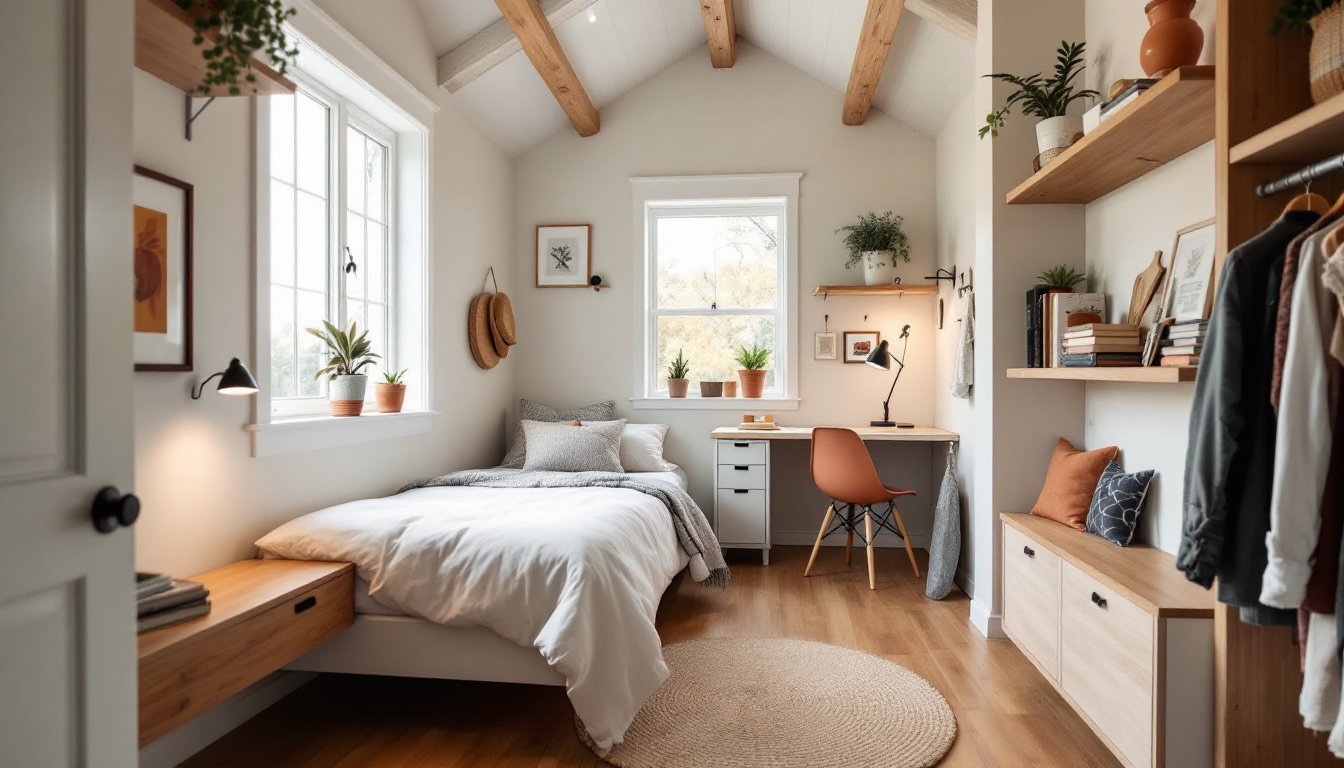
Design styles and features: Modern minimalism dominates: clean lines, efficient storage (think floor-to-ceiling cabinetry and built-in nooks), and multifunctional furniture. High ceilings and skylights maximize perceived space. Open floor plans are nearly universal. Finishes vary, some homes use sustainable materials (reclaimed wood, low-VOC paint), while others prioritize budget-friendly options. Kitchen and bathroom quality often determine value: these small spaces get heavy use.
Smart features: Many newer tiny homes include energy-efficient heating systems, LED lighting, smart thermostats, and appliances scaled for compact homes (18–24″ refrigerators and ranges). Solar panels and rainwater catchment systems appear in eco-conscious builds, especially in rural settings. Apartment Therapy regularly showcases small space solutions and design ideas that inform what you’ll see in the market.
Construction methods: Stick-built (traditional framing) is most common in Washington. Prefab and modular tiny homes are growing but still represent a smaller segment. Shipping container conversions are trendy but check condition carefully, rust, insulation, and structural integrity matter. How to Build a tiny home involves understanding these approaches, and the same knowledge applies when evaluating an existing home.
Key Considerations Before Buying Your Tiny Home
Buying a tiny home differs from a traditional purchase in practical ways. Address these upfront to avoid buyer’s remorse.
Zoning and legality: Not all jurisdictions allow tiny homes, and regulations vary widely. Some cities permit ADUs (accessory dwelling units) under 400 sq ft: others restrict them. Check your target city or county’s zoning code before falling in love with a property. Mobile tiny homes face additional registration and parking restrictions. Work with a real estate attorney familiar with local codes, this isn’t optional for peace of mind.
Inspections and structure: Tiny homes require the same rigorous inspections as full-size homes. Hire a professional inspector experienced with compact dwellings: they’ll spot poor ventilation, moisture issues (common in tight spaces), and building quality problems. Verify permits and building compliance, especially for custom or converted homes. Ask about insulation R-values, HVAC sizing (systems can be undersized in budget builds), and roof condition.
Financing and appraisals: Banks sometimes struggle to appraise tiny homes because comps are limited. Some lenders have strict loan minimums ($100,000–$150,000) that rule out cheaper tiny homes. FHA loans, VA loans, and USDA loans have specific requirements. Discuss tiny home lending with your bank early: you may need a specialized lender. Some buyers save cash or use personal loans.
Future resale: The tiny home market is strong now, but it’s younger than traditional housing. Consider whether you can resell in 10 years if circumstances change. Urban tiny homes in Puget Sound typically hold value well: rural custom builds depend more on location appeal. Tiny Homes vs Traditional homes comparison data shows tiny homes appreciate, but growth is regional.
Lifestyle fit: Honestly assess whether downsizing suits you. Are you a collector? Do you entertain groups? Will you resent compact living in winter? Spend a night in a comparable tiny home if possible. Visit a tiny home community to experience density and proximity to neighbors. This isn’t a minor decision, it’s a lifestyle change. Tiny Homes Tips: Essential advice for small space living covers daily realities worth understanding before committing.
Conclusion
Washington State’s tiny home market offers real opportunities for buyers ready to downsize thoughtfully. The combination of affordability, sustainability, and an active community makes 2026 a strong time to explore this option. Do your assignments on zoning, financing, and what design actually works for your daily life. Whether you’re drawn to Seattle’s vibrant urban micro-homes or a quiet rural property, the path forward starts with clear-eyed research and professional guidance.