Table of Contents
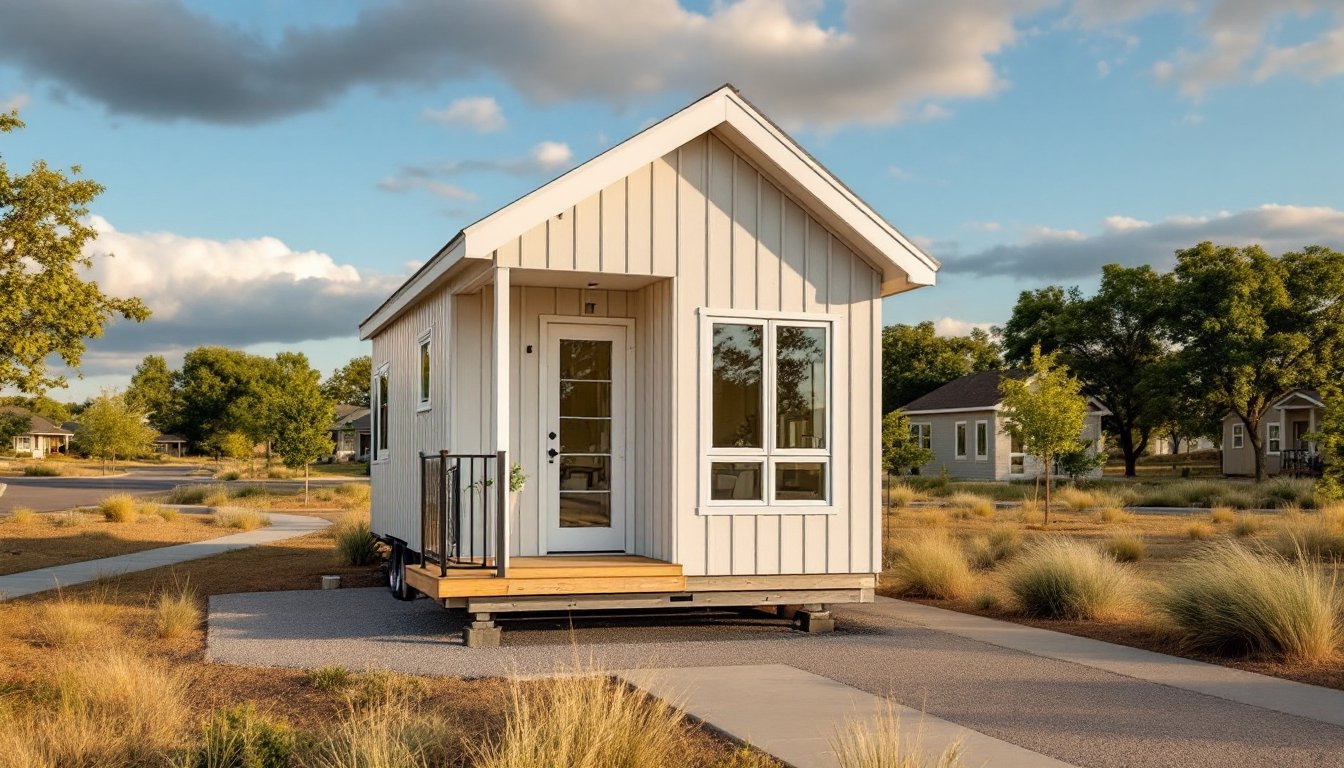
ToggleCalifornia’s real estate market has shifted dramatically over the past five years, and tiny homes have emerged as a serious alternative to traditional single-family properties. These compact dwellings, typically ranging from 200 to 400 square feet, offer affordability, sustainability, and freedom from the crushing mortgage payments plaguing larger markets. If you’re exploring tiny homes in California for sale, you’re tapping into one of the fastest-growing segments of the state’s housing market. Whether you’re a first-time buyer priced out of conventional homes, a retiree looking to simplify, or someone drawn to a smaller environmental footprint, understanding the landscape is essential before making a move.
Key Takeaways
- Tiny homes in California for sale offer significant savings—a comparable tiny home can cost a third as much as a single-family home in coastal California, addressing the state’s housing shortage.
- Zoning laws vary drastically by jurisdiction; verify local codes and ADU regulations before purchasing, as permit violations can create serious complications during resale or refinancing.
- Specialized financing is critical since lenders treat tiny homes differently than conventional properties—work with mortgage brokers familiar with tiny home lending to avoid approval delays.
- Northern California inland regions like Redding, Chico, and Sacramento are the most welcoming for tiny home buyers, offering lower property costs and progressive zoning attitudes.
- Utility costs can drop by 50% or more in a tiny home due to reduced heating, cooling, and energy consumption compared to larger properties.
- Hire inspectors and designers experienced specifically with tiny homes, as every system is tighter and more interdependent than in conventional dwellings, making professional expertise essential.
Why Tiny Homes Are Booming In California’s Real Estate Market
California’s housing shortage and skyrocketing property values have created the perfect storm for tiny home adoption. A single-family home in coastal California can easily exceed $1.5 million: a comparable tiny home on a lot might cost a third as much. This price differential isn’t accidental, it reflects genuine economic pressure from families and individuals pushed out of traditional markets.
Young professionals, empty nesters, and first-time buyers are the primary drivers. Remote work has also unlocked geographic flexibility, allowing people to live farther from job centers and choose towns where a tiny home purchase is genuinely feasible. Sustainability concerns play a role too. A smaller footprint means lower utility bills, less water consumption, and reduced material waste, values that resonate strongly in California’s environmental-conscious population.
Developers and investors have taken notice. What was once a niche market has become mainstream, with entire developments dedicated to tiny home communities. Tiny homes examples showcase, proving that downsizing doesn’t mean sacrificing comfort or style. The trend shows no sign of slowing.
What To Expect When Buying A Tiny Home In California
Buying a tiny home follows the same general path as any real estate purchase, offer, inspection, appraisal, financing, but with unique considerations. Lenders sometimes treat tiny homes differently, especially mobile or modular units, so pre-approval is critical. Some banks are hesitant about properties under a certain square footage, which can complicate financing. Work with a mortgage broker familiar with tiny home lending before you fall in love with a property.
Inspections matter even more on smaller properties. Every system is tighter and more interdependent, so a plumbing or electrical issue that might be a minor repair in a larger home can be catastrophic in 300 square feet. Hire an inspector who has experience with tiny homes, not just a general contractor.
Market conditions vary wildly by region. Some California communities embrace tiny homes: others view them skeptically. Inventory is still relatively limited compared to conventional homes, which means competition can be fierce and negotiating power limited. Research the best tiny homes for simplified living to understand what’s realistic in your target area.
Zoning Laws And Legal Considerations
This is where the process gets complicated. California allows tiny homes, but jurisdiction is everything. Some counties welcome Accessory Dwelling Units (ADUs) with tax incentives. Others restrict tiny home placement to RV parks or specific zoning overlays. A few towns ban them outright. You must verify local codes before making an offer, a dream property becomes worthless if zoning won’t permit your intended use.
Mobile tiny homes face stricter regulations than foundation-built units. If you’re buying a home on wheels, confirm it meets HUD standards and that your chosen location allows mobile dwellings. ADUs built on existing residential lots have different requirements than standalone tiny homes on separate parcels. Many California municipalities require permits for ADU construction, and some limit one ADU per residential lot.
Load-bearing walls, egress windows, and ceiling height minimums are governed by the International Residential Code (IRC), which California has adopted with modifications. Don’t skip this research: permit violations can create nightmares when selling or refinancing. Contact your local planning department or hire a real estate attorney familiar with tiny home regulations in your specific jurisdiction.
Popular California Regions For Tiny Home Living
Northern California inland regions, places like Redding, Chico, and the Sierra foothills, offer some of the most welcoming environments for tiny home buyers. These areas have lower property costs, progressive attitudes toward alternative housing, and reasonable zoning flexibility. Mountain communities especially embrace tiny homes as a practical response to steep lot costs and limited building space.
The Central Coast, particularly around San Luis Obispo and Monterey County, has seen significant tiny home development. Coastal charm meets affordability, and communities there have been ahead of the curve on ADU regulations. South Orange County and San Diego County inland areas also show steady interest, with some developments offering move-in-ready tiny home communities.
Sacramento and the greater Capital region have become unexpected hotspots. State government workers, remote employees, and young families are choosing tiny homes there because they’re genuinely affordable while still providing California’s lifestyle and weather. The East Bay (inland from Oakland and Berkeley) also sees steady tiny home activity, though prices remain higher than inland alternatives.
Avoid assuming coastal regions are prohibitively expensive. Smaller coastal towns like Fortuna, Eureka, and parts of Humboldt County offer oceanside living with surprisingly accessible tiny home prices, though factor in regional job availability and weather patterns when evaluating a move.
How To Customize And Design Your Tiny Home Space
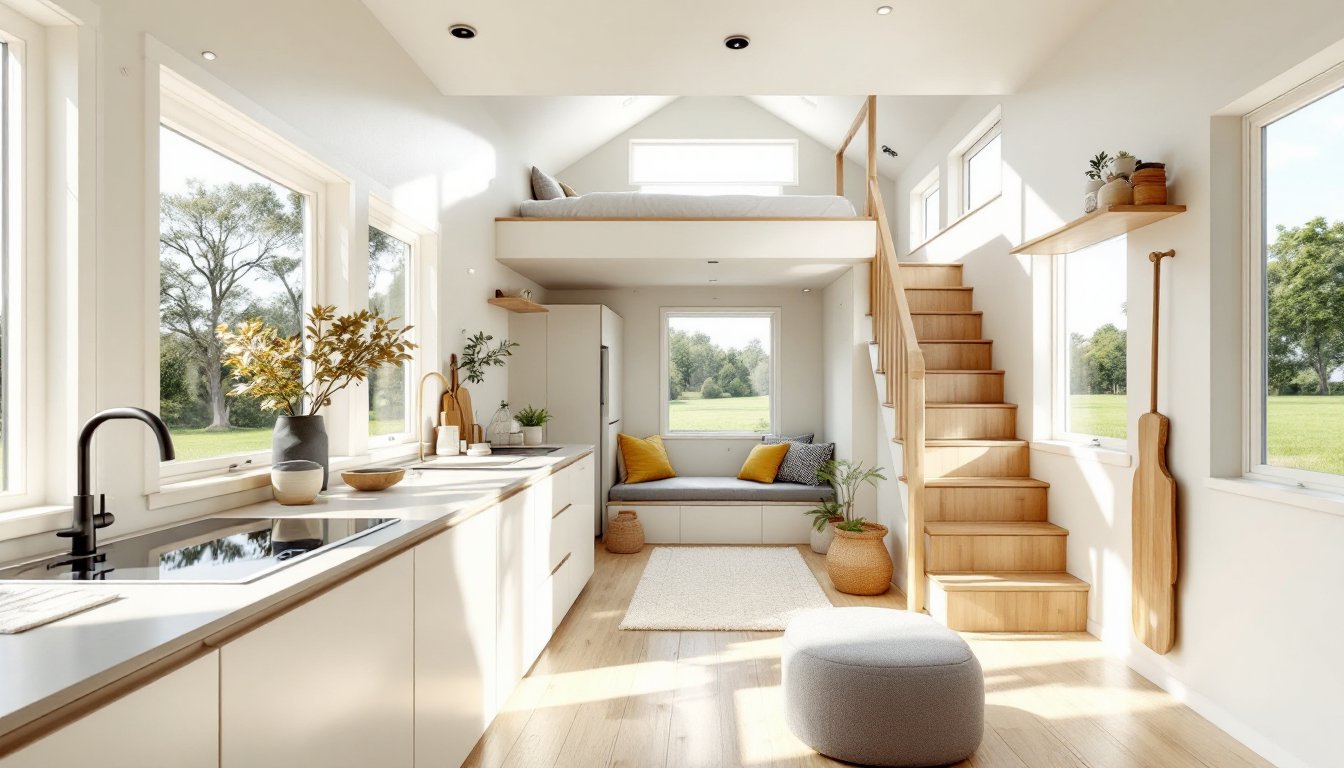
Space constraints demand smart design thinking. Before customizing, understand your home’s load-bearing walls, moving or removing them requires structural engineering and permits. Non-load-bearing walls can be relocated more freely, but verify before drafting plans. Many tiny home owners consult with designers who specialize in small spaces: tiny homes ideas have, offering creative layouts for every lifestyle.
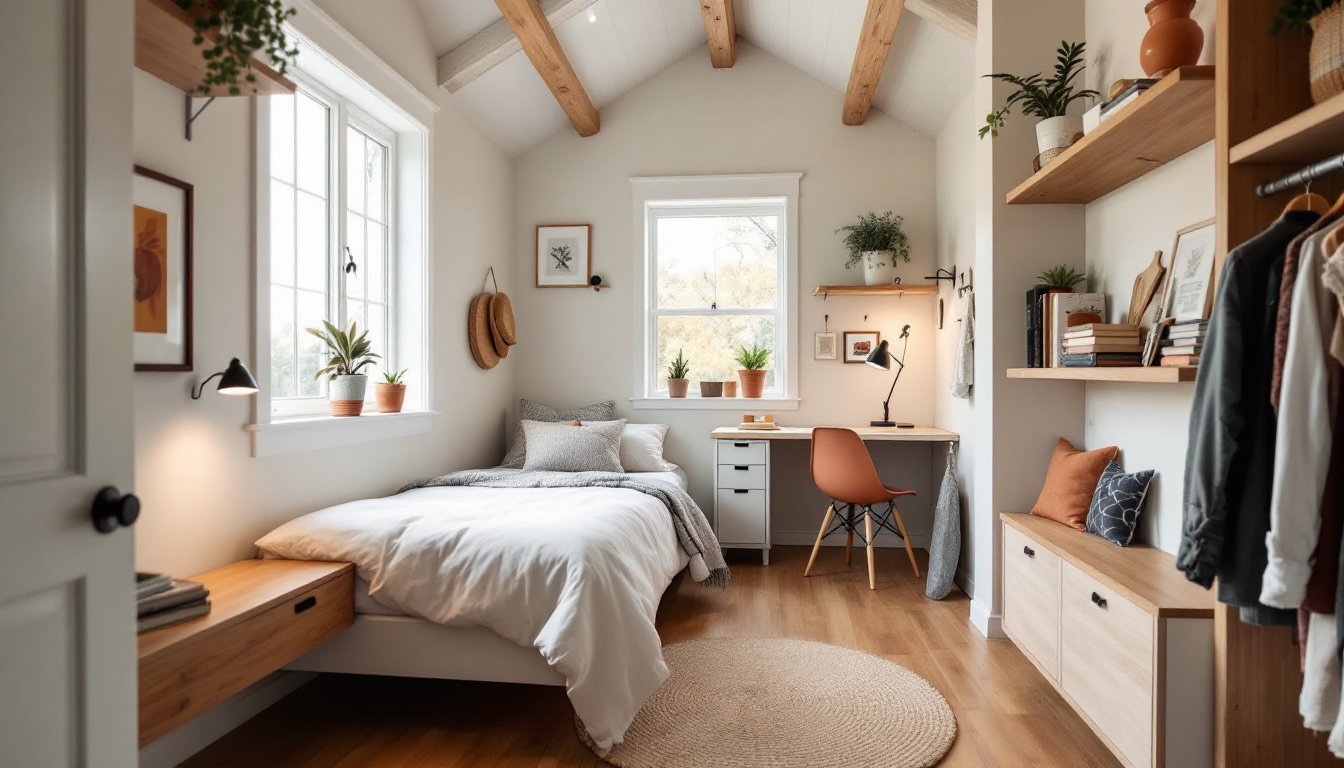
Vertical storage wins. Floor-to-ceiling shelving, lofted bedrooms, and undersized stairs with integrated drawers are standard tiny home tactics. Multifunctional furniture, ottomans with storage, murphy beds, fold-down desks, allows you to use 300 square feet like 500. Light colors, large windows, and mirrors visually expand the space without structural work.
Built-in appliances reduce visual clutter and save square footage compared to freestanding units. A full-size refrigerator can dominate a tiny home kitchen: consider a compact refrigerator and pantry storage instead. European-style cabinetry and minimalist finishes are both practical and aesthetically cohesive in tight quarters.
Utility placement matters more than ever. HVAC systems, water heaters, and electrical panels should be planned carefully to avoid eating up usable living space. Some tiny homes use radiant floor heating or split-system HVAC instead of traditional ducting, which preserves headroom and floor area. Work with your builder or designer to optimize mechanical systems before construction.
Financial Advantages Of Choosing A Tiny Home
The financial case for tiny homes is straightforward. Purchase price is lower, which means lower mortgage principal and monthly payments. Property taxes scale with assessed value, so a $400,000 tiny home carries roughly a third the annual tax burden of a $1.2 million conventional home in the same county.
Utility costs are dramatically reduced. A 300-square-foot home requires far less heating and cooling than a 2,000-square-foot house. Average California electricity costs run about $0.18 per kilowatt-hour: a small, efficiently designed home might use 400–600 kWh monthly versus 900–1,200 kWh for larger homes. Over a decade, that difference is substantial.
Maintenance and repair costs drop proportionally. Roof replacement, exterior painting, and HVAC service affect smaller surface areas. Insurance premiums are typically lower because replacement cost is lower. HOA fees in tiny home communities are often modest, covering common areas and basic maintenance, far less than maintaining a larger property alone.
But, don’t gloss over financing challenges or appreciation risks. A tiny homes guide, including financial trade-offs. Tiny homes can appreciate more slowly than comparable conventional homes in the same market: resale liquidity may be lower if the buyer pool is smaller. Factor in the cost of zoning variance applications or ADU permits, which can add $5,000–$15,000 depending on your jurisdiction. Calculate the real numbers for your specific situation, not just the headline purchase price.
Conclusion
Tiny homes in California for sale represent a genuine alternative to traditional homeownership, but success requires assignments. Verify zoning before committing, understand your financing options, and hire professionals who actually know tiny homes, not just general contractors. The financial upside is real, and the lifestyle can be genuinely rewarding. Start by exploring your target region’s regulations and inventory, then move forward with eyes open.