Table of Contents
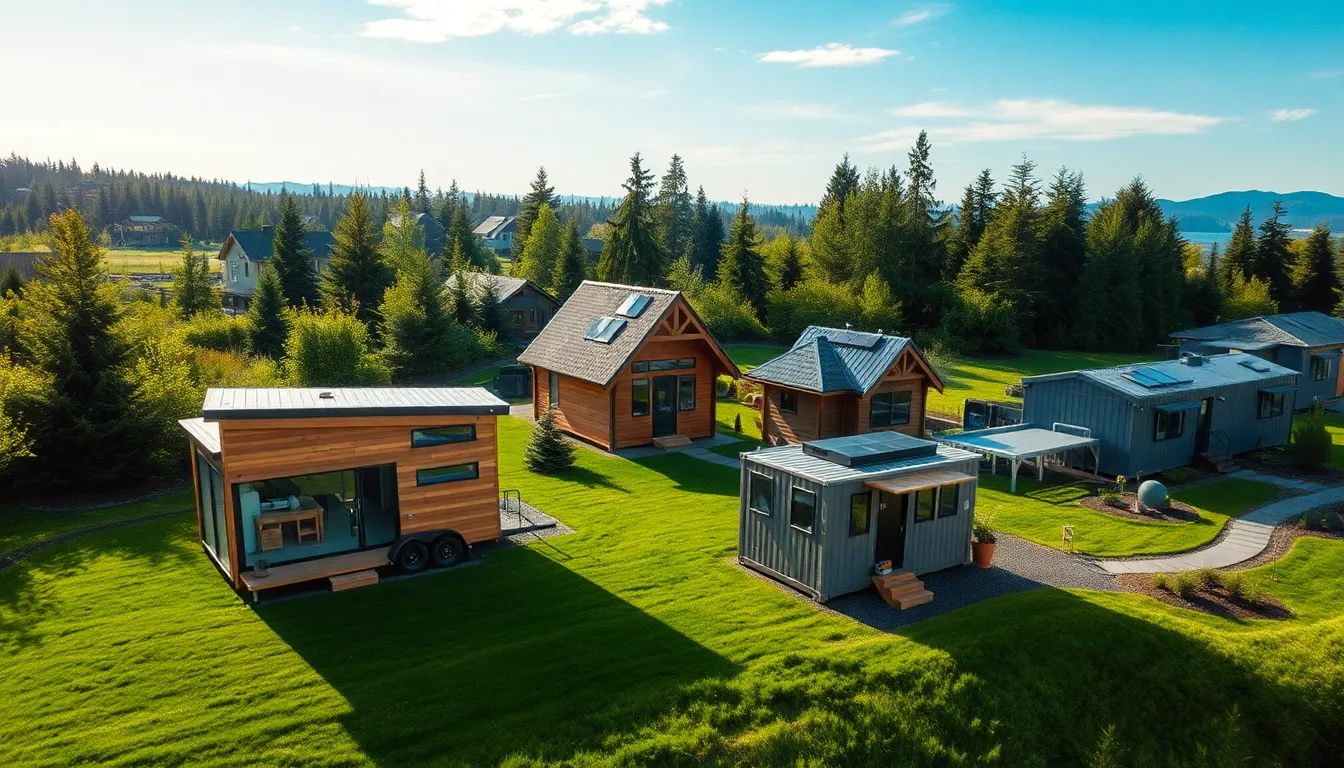
ToggleTiny homes examples showcase how people live comfortably in spaces under 400 square feet. These small dwellings have grown from a niche movement into a mainstream housing option. Whether someone wants to reduce their environmental footprint, cut housing costs, or simplify their lifestyle, tiny homes offer practical solutions.
The variety of tiny home designs available today is impressive. From sleek modern builds to cozy rustic cabins, there’s a style for every taste. This guide explores different tiny homes examples across popular categories. Each design proves that limited square footage doesn’t mean limited creativity or comfort.
Key Takeaways
- Tiny homes examples range from modern minimalist designs to rustic cabins, proving that living under 400 square feet doesn’t sacrifice style or comfort.
- Tiny homes on wheels, including trailers, skoolies, and van conversions, offer flexibility for travelers and remote workers seeking mobility.
- Shipping container and prefab tiny homes provide durable, quick-to-build options with prices starting around $50,000 for basic models.
- Off-grid tiny homes examples feature solar panels, rainwater harvesting, and composting toilets for fully self-sufficient living.
- Each tiny home style serves different needs—minimalist designs reduce clutter, rustic cabins blend with nature, and eco-friendly builds minimize environmental impact.
Modern Minimalist Tiny Homes
Modern minimalist tiny homes emphasize clean lines, neutral colors, and efficient use of space. These designs strip away unnecessary elements and focus on what matters most.
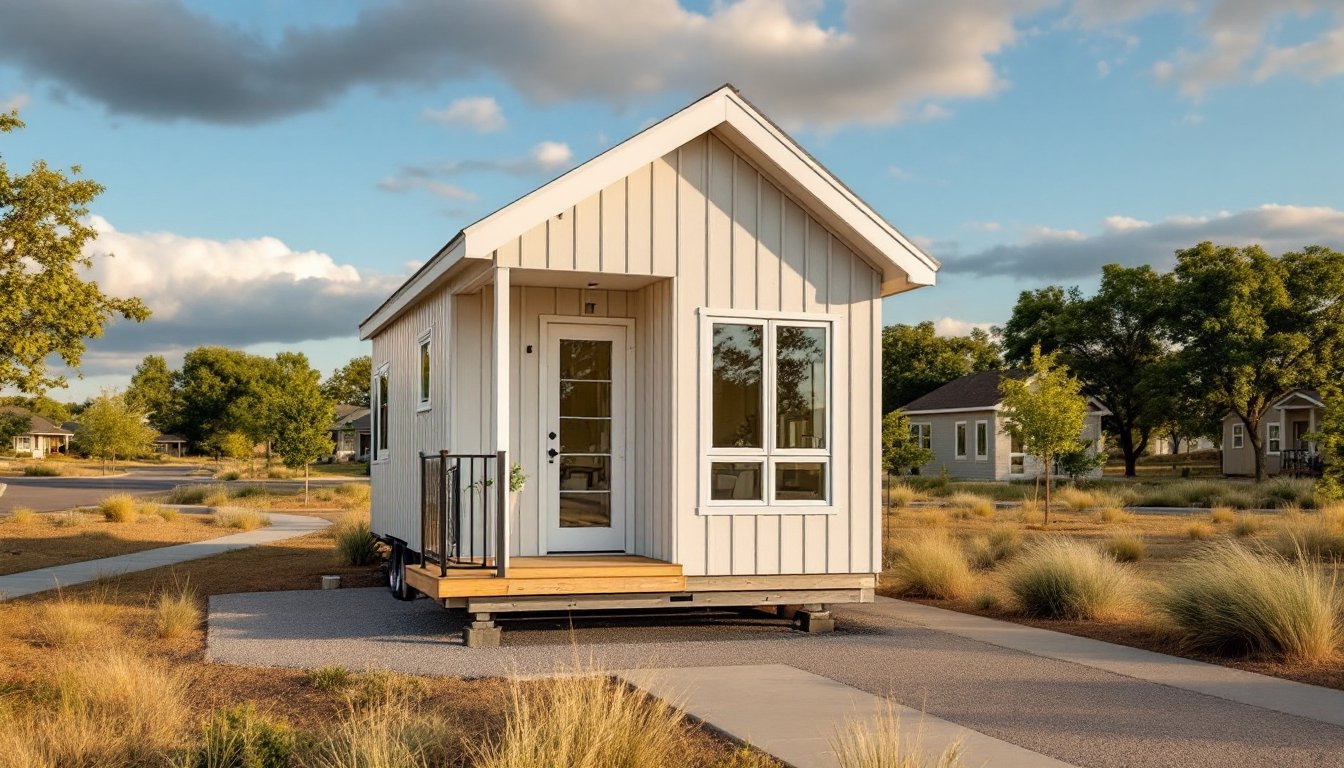
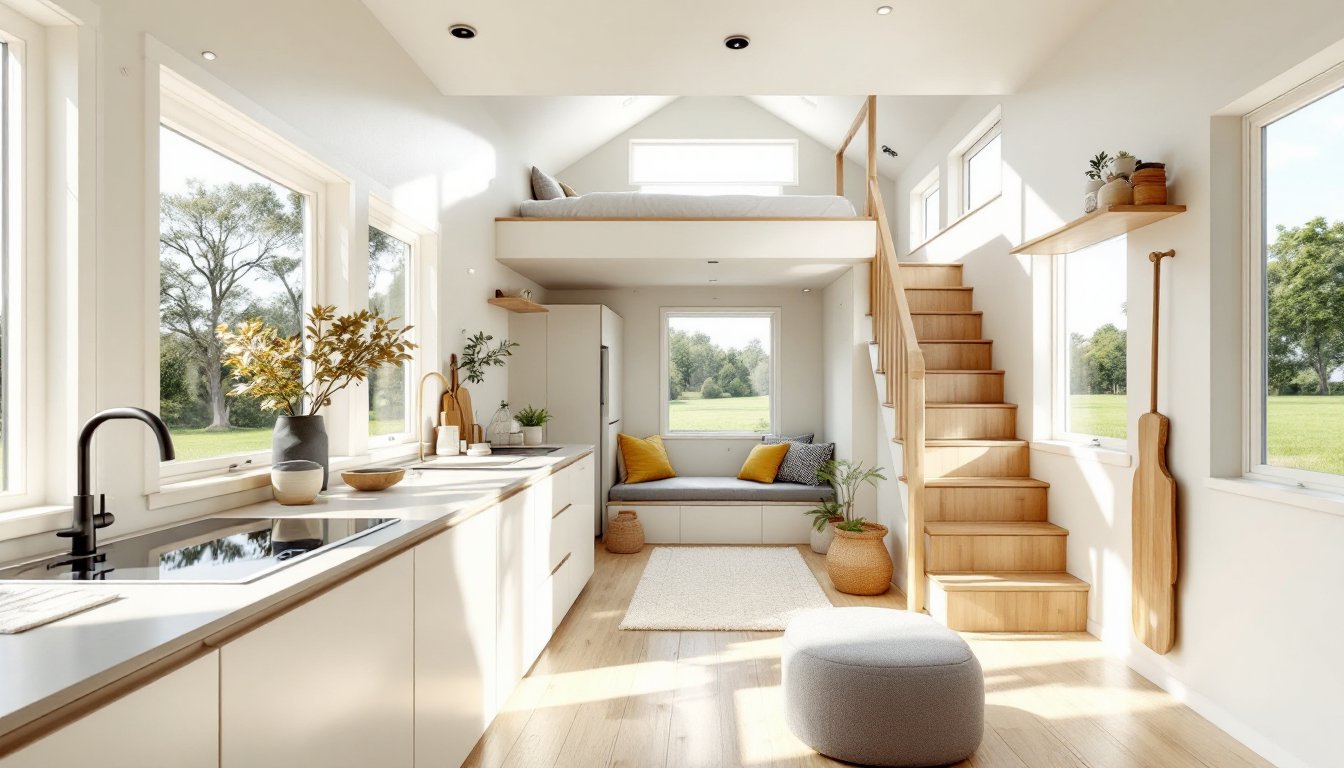
A popular example is the single-level studio-style tiny home. These units typically measure between 200 and 300 square feet. They feature open floor plans where the kitchen, living area, and sleeping space flow together. Large windows let natural light flood the interior, making the space feel larger than it actually is.
Another striking tiny homes example in this category is the cube house. Architects design these compact structures with flat roofs and geometric shapes. The exterior often features metal siding or smooth wood panels. Inside, built-in furniture maximizes every inch. Think fold-down tables, murphy beds, and storage stairs.
The MUJI Hut from Japan serves as a real-world tiny homes example of minimalist design. At just 98 square feet, this structure proves that less truly can be more. The simple wooden box includes a small porch and uses natural materials throughout.
Minimalist tiny homes work well for people who want a clutter-free lifestyle. The limited space forces owners to keep only essential items. This approach reduces stress and maintenance time.
Rustic and Cabin-Style Tiny Homes
Rustic tiny homes bring warmth and character to small-space living. These structures draw inspiration from traditional log cabins and country cottages.
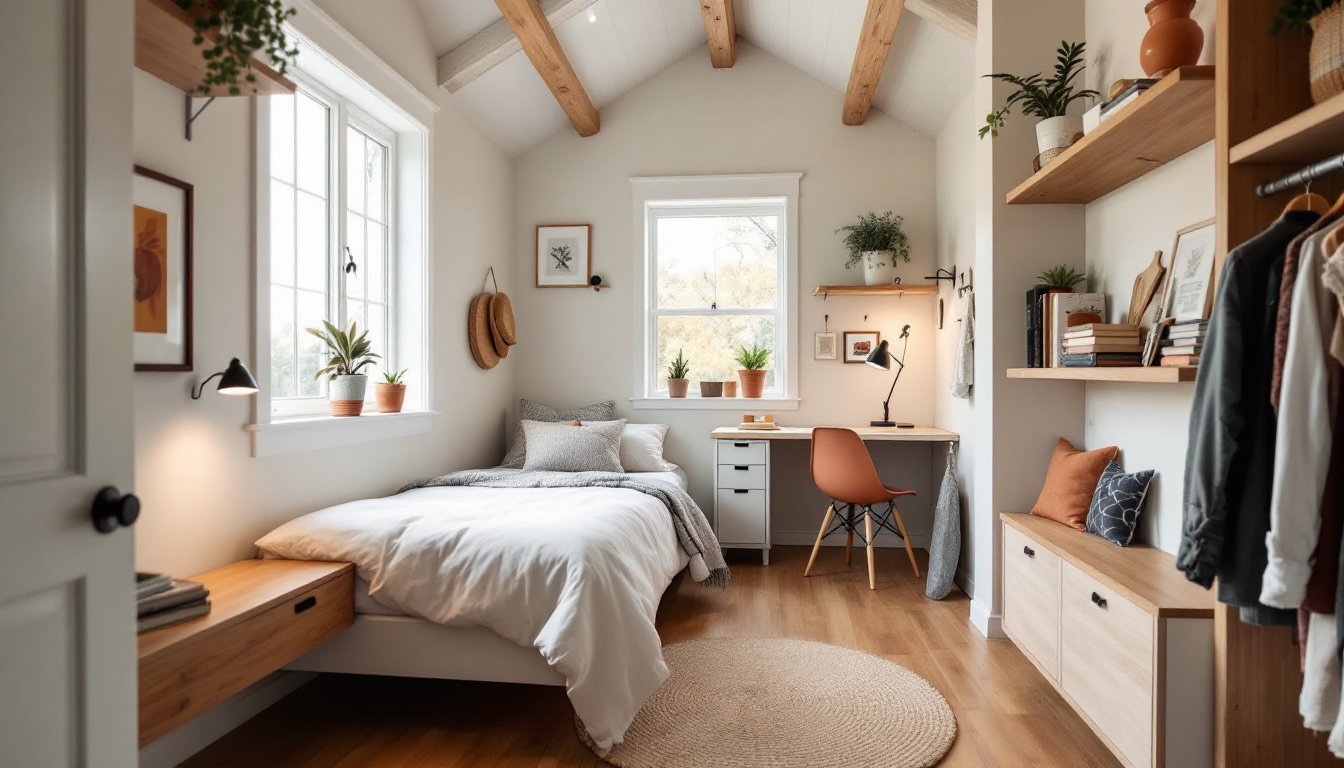
The A-frame cabin represents one of the most recognizable tiny homes examples in this style. These triangular structures have steep rooflines that create cozy loft sleeping areas. Cedar or pine exteriors give them a classic woodland appearance. Inside, exposed wooden beams and stone accents add charm.
Log cabin tiny homes remain popular among nature lovers. Companies like Tiny Log Cabins build structures ranging from 150 to 500 square feet. These homes use stacked logs for walls, which provide natural insulation. Many include wood-burning stoves as the primary heat source.
Another excellent tiny homes example is the converted barn or shed. Homeowners transform agricultural buildings into livable spaces while preserving their rustic character. Barn doors, reclaimed wood floors, and vintage fixtures complete the look.
Rustic tiny homes fit perfectly in rural settings. They blend into forested landscapes and mountain properties. But, some people install them in suburban backyards as guest houses or home offices. The style appeals to anyone who values craftsmanship and natural materials over modern aesthetics.
Tiny Homes on Wheels
Tiny homes on wheels offer the ultimate flexibility. Owners can relocate their entire house whenever they choose. This mobility makes them popular among travelers and remote workers.
The classic tiny house on a trailer remains the most common example. Builders construct these homes on flatbed trailers, typically 8.5 feet wide and 20 to 32 feet long. Most include full kitchens, bathrooms, and loft bedrooms. The Tumbleweed Tiny House Company pioneered this style and continues to produce popular models like the Cypress and Roanoke.
Converted school buses, called “skoolies,” represent another category of tiny homes examples on wheels. A full-size bus provides roughly 300 square feet of living space. Owners gut the interior and rebuild it to suit their needs. The conversion process costs between $10,000 and $50,000, depending on finishes.
Van conversions offer even more mobility. Sprinter vans and similar vehicles become tiny homes when fitted with beds, kitchenettes, and bathroom facilities. These micro-homes appeal to solo travelers and couples who want to explore while maintaining a comfortable living space.
Tiny homes on wheels do face some challenges. Zoning laws restrict where they can park long-term. Weight limits affect design choices. And road conditions impact the structure over time. Still, for many people, the freedom outweighs these concerns.
Container and Prefab Tiny Homes
Shipping container homes have become standout tiny homes examples in recent years. These steel boxes offer durability and industrial appeal.
A standard 20-foot shipping container provides about 160 square feet of interior space. The 40-foot version doubles that to roughly 320 square feet. Some builders stack or connect multiple containers to create larger structures. The result is a strong, weather-resistant home that can withstand extreme conditions.
Companies like HONOMOBO and Alternative Living Spaces produce container tiny homes examples ready for purchase. Their models include insulation, utilities, and interior finishes. Prices start around $50,000 for basic units and exceed $150,000 for luxury versions.
Prefab tiny homes offer another efficient option. Factories build these structures in controlled environments, then ship them to the final location. This process reduces construction time and waste. Buyers can move into a completed home within weeks instead of months.
Boxabl makes one of the most talked-about prefab tiny homes examples. Their Casita model unfolds from a compact shipping package into a 375-square-foot home. The unit includes a full kitchen, bathroom, living area, and bedroom. At under $60,000, it’s attracted significant attention from buyers and investors.
Container and prefab tiny homes appeal to people who value speed and consistency. The standardized construction means fewer surprises during the building process.
Eco-Friendly and Off-Grid Tiny Homes
Eco-friendly tiny homes prioritize sustainability and self-sufficiency. These designs reduce environmental impact while providing comfortable living spaces.
Solar-powered tiny homes represent common examples in this category. Rooftop panels generate electricity for lighting, appliances, and climate control. Battery storage systems hold excess power for cloudy days and nighttime use. A well-designed 400-square-foot tiny home can operate entirely on solar energy in most climates.
Rainwater harvesting systems appear in many off-grid tiny homes examples. Collection tanks capture water from the roof. Filtration systems make it safe for drinking and household use. This setup eliminates dependence on municipal water supplies.
Composting toilets solve waste management without sewer connections. These systems break down human waste into usable compost. They require no water and produce minimal odor when properly maintained. Nearly every off-grid tiny home includes one.
The Ecocapsule represents a remarkable tiny homes example of eco-friendly design. This egg-shaped structure includes solar panels, a wind turbine, and rainwater collection. The 68-square-foot interior fits a bed, kitchen area, and bathroom. It’s designed to function anywhere on Earth.
Earthship tiny homes take sustainability further. These structures use recycled materials like tires and glass bottles in their construction. Thermal mass walls regulate interior temperature naturally. Many earthship owners report utility bills of nearly zero.
Off-grid tiny homes work well in remote locations. They also appeal to environmentally conscious individuals who want to minimize their footprint regardless of where they live.