Table of Contents
ToggleNorth Carolina is quietly becoming one of the nation’s most attractive destinations for tiny home living. Whether you’re drawn to the Blue Ridge Mountains, affordable land, or simply a more intentional way of life, the Tar Heel State offers real options for downsizers. From the Piedmont’s growing communities to coastal areas expanding tiny home regulations, NC provides a unique blend of natural beauty and practical opportunity. This guide walks you through what’s available, how to finance it, and what you actually need to know before making the move to tiny living in North Carolina.
Key Takeaways
- Tiny homes NC offers an affordable alternative to traditional housing, with land costs and property taxes significantly lower than coastal states and financing options ranging from $25,000 to $200,000+.
- North Carolina offers two primary tiny home types—mobile units (lower upfront cost but requiring lot rent) and permanent foundation homes (higher cost but genuine equity and appreciation)—each with different zoning, financing, and legal implications.
- Successful tiny home living depends on intentional interior design with vertical storage, multipurpose furniture, natural light, and strategic use of color to transform 300–500 square feet into functional, spacious-feeling living areas.
- Zoning laws vary widely across NC counties, so verify local ordinances and conditional-use permits with your county planning department before purchasing, as some areas may require 2–4 months for approval.
- Financing tiny homes in NC ranges from RV loans and chattel mortgages for mobile units to conventional FHA and USDA loans for permanent structures, with credit unions often offering more flexibility than national lenders.
- Budget 5–10% of your total tiny home project cost for often-overlooked expenses including site work, utilities, permits, inspections, and HOA compliance to avoid financial surprises.
Why North Carolina Is Becoming A Tiny Home Hotspot
North Carolina has several advantages that make it appealing for tiny home buyers. Land costs remain significantly lower than coastal states like California or Florida, and property tax rates rank among the most affordable in the Southeast. The state’s zoning laws have become increasingly favorable, several municipalities now allow tiny homes on single-family residential lots, something unimaginable five years ago.
The climate helps too. You’re not dealing with extreme winters that demand expensive foundation work, yet you still get distinct seasons. The population growth around Charlotte, Raleigh, and the Research Triangle has pushed interest in alternative housing solutions. Also, North Carolina’s pro-business stance has attracted tiny home builders and developers who are establishing communities and financing options that didn’t exist before.
Communities like Tiny Homes Tips: Essential Advice for Small Space Living showcase what’s possible when downsizing. The state balances affordability with lifestyle appeal, you can own outright or finance for less than a traditional mortgage’s down payment in many regions.
Types Of Tiny Homes Available In NC
North Carolina’s tiny home landscape includes two primary categories, each with distinct legal, practical, and financial implications. Understanding the difference before you buy is critical, since zoning and financing work differently for each type.
Mobile Tiny Homes And RVs
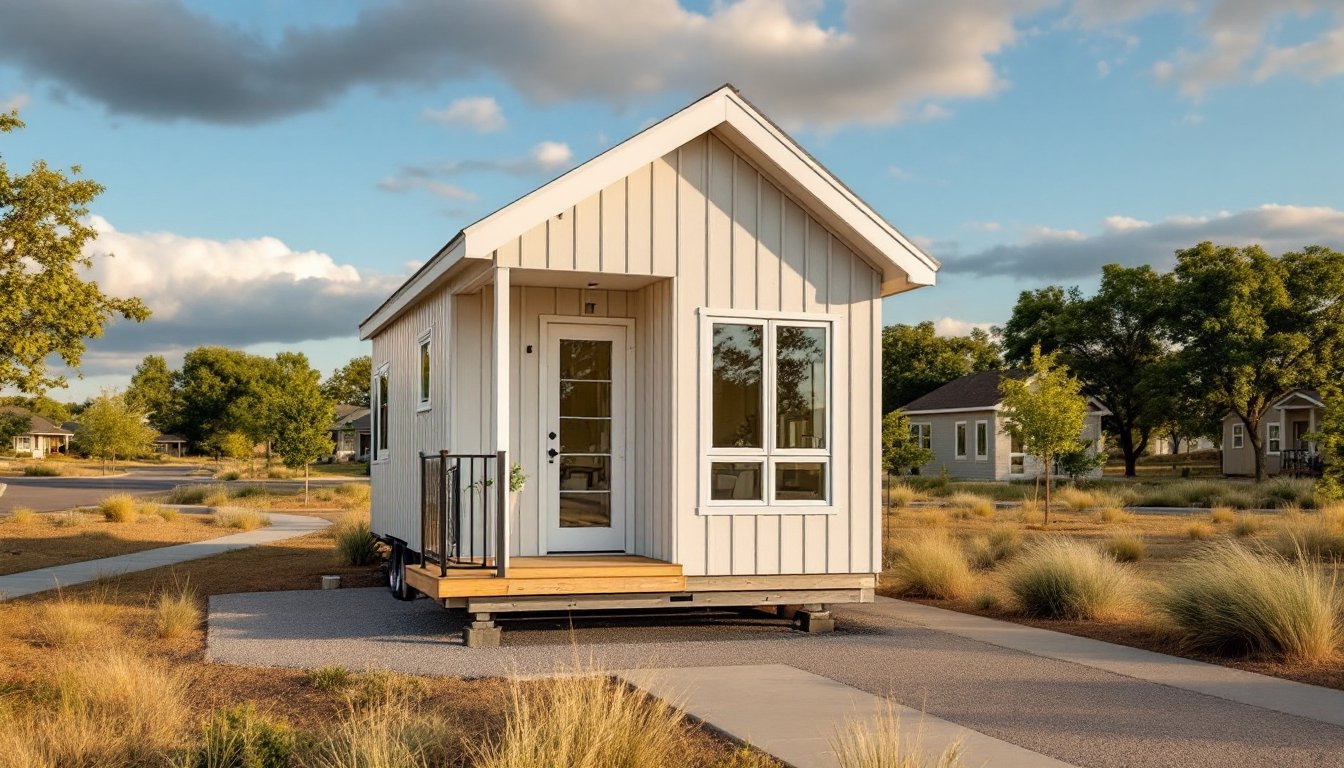
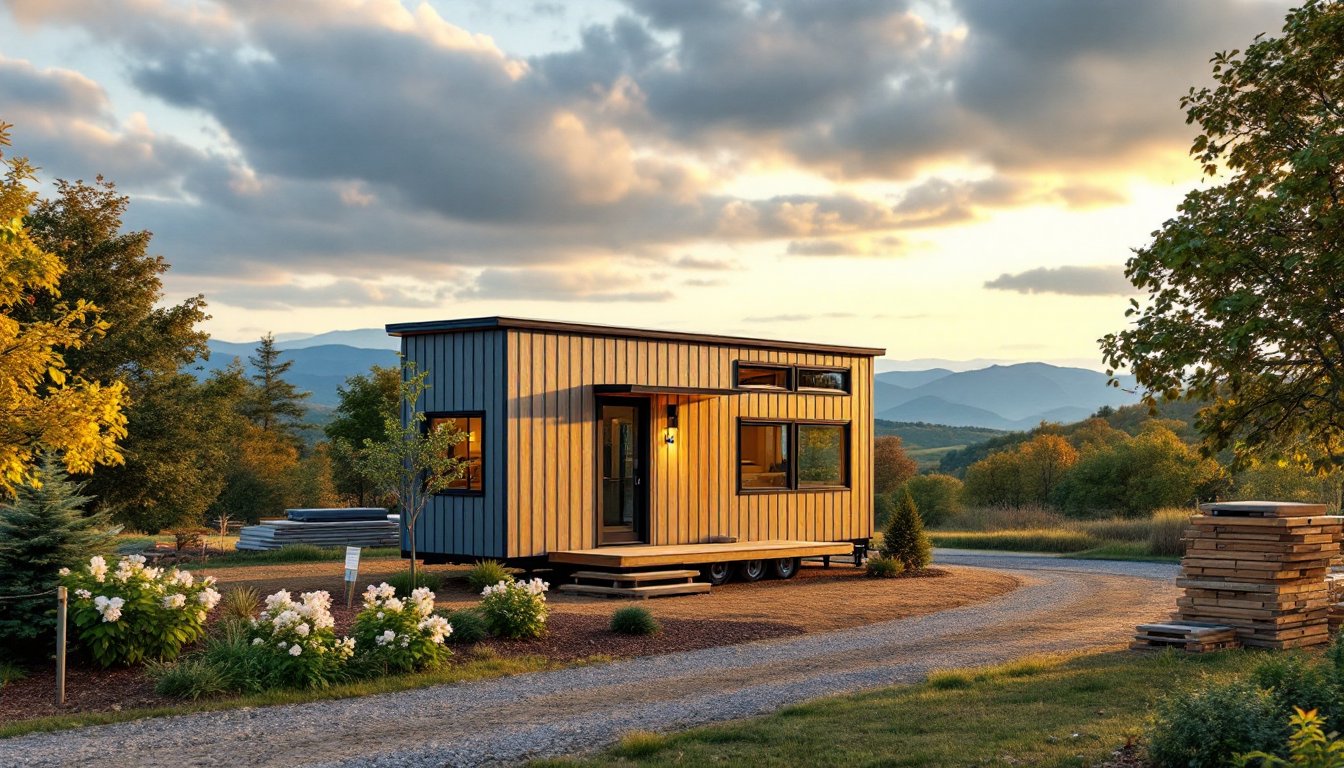
Mobile tiny homes and park-model RVs (typically 200–400 sq ft) are the quickest path to ownership and carry lower upfront costs. You’re looking at $30,000–$80,000 depending on finishes and size. The catch: you’ll need a mobile home park or RV community that allows permanent residency. North Carolina has several established communities, particularly around the mountains and near Wilmington, but inventory is tight.
Mobile homes depreciate like vehicles unless you own the land underneath. Financing is simpler, many RV dealers offer loans, and some banks now recognize mobile tiny homes as collateral. But, lot rent ranges from $300–$800 monthly in NC, which adds up over time. Insurance is cheaper than traditional homeowners’ policies, but you’re renting the ground your home sits on.
Permanent Foundation Tiny Homes
Permanent foundation tiny homes (typically 300–500 sq ft) are built on a concrete pad, pilings, or crawlspace, the same way conventional houses are built. They cost more upfront ($60,000–$200,000+ depending on finishes and location) but appreciate like real estate and let you build genuine equity. This is where tiny homes trends 2026 are pointing: toward owner-built or developer-built structures on owned land.
You’ll need to own the land or have a clear path to ownership. Financing is easier here, conventional mortgages work, though some lenders cap tiny home loans under $150,000. Your property tax is stable, and you control the asset entirely. The downside: zoning approval takes longer, and you may need variance approval or conditional-use permits in some NC counties. This is also where permits, inspections, and building codes come into play, expect to work with local jurisdictions.
Finding And Financing Your NC Tiny Home
Finding a tiny home in NC requires patience and a clear picture of what you’re looking for. Real estate websites like Zillow and Redfin are starting to filter by square footage, but you’ll catch more options by networking with local builders and communities directly. The NC Tiny Home Alliance and regional Facebook groups connect buyers with available properties and builders.
Financing depends on your home type. Mobile tiny homes use RV loans or chattel mortgages (loans against personal property), with rates typically 2–3% higher than conventional mortgages. Terms are shorter, 10–15 years is common, which means higher payments but faster ownership. Down payments range from 10–20%.
Permanent foundation tiny homes qualify for FHA loans, conventional mortgages, and sometimes USDA loans if you’re in a rural area. The trick is finding a lender comfortable with homes under a certain square footage or price point. Credit unions often have more flexibility than national chains. Essential Tiny Homes Tools for Building and Living Small discusses what’s needed if you’re building custom, but financing builder-constructed homes follows standard mortgage pathways.
Cost ranges widely: $25,000 for a bare-bones mobile setup to $200,000+ for a finished permanent tiny home on owned land. Expect to budget 5–10% for site work (clearing, grading, utilities), inspections, and permits, non-negotiable expenses that often get overlooked.
Interior Design Tips For Maximizing Small Spaces
Living in 300 square feet requires intentional design, not Pinterest aesthetics, but functional thinking. The difference between a cramped box and a livable tiny home is usually storage, layout, and honest assessment of what you actually use.
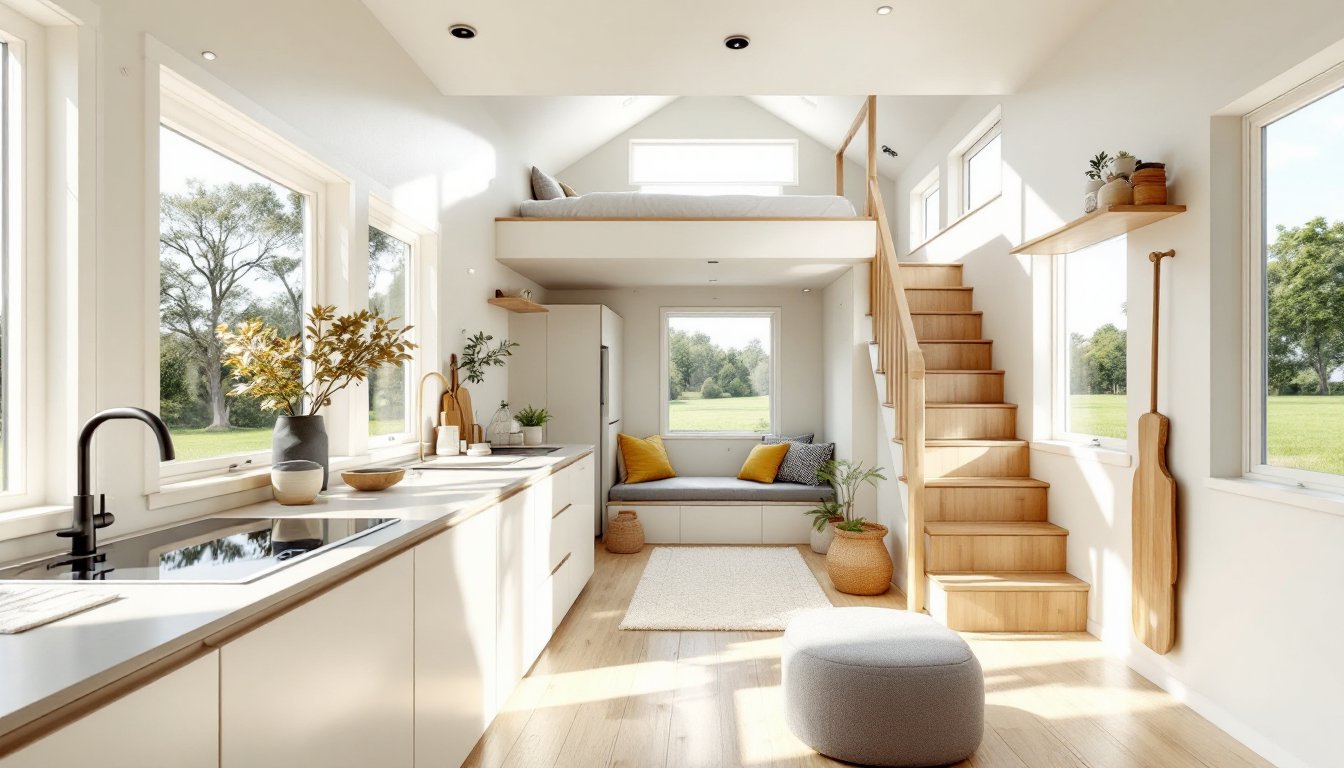
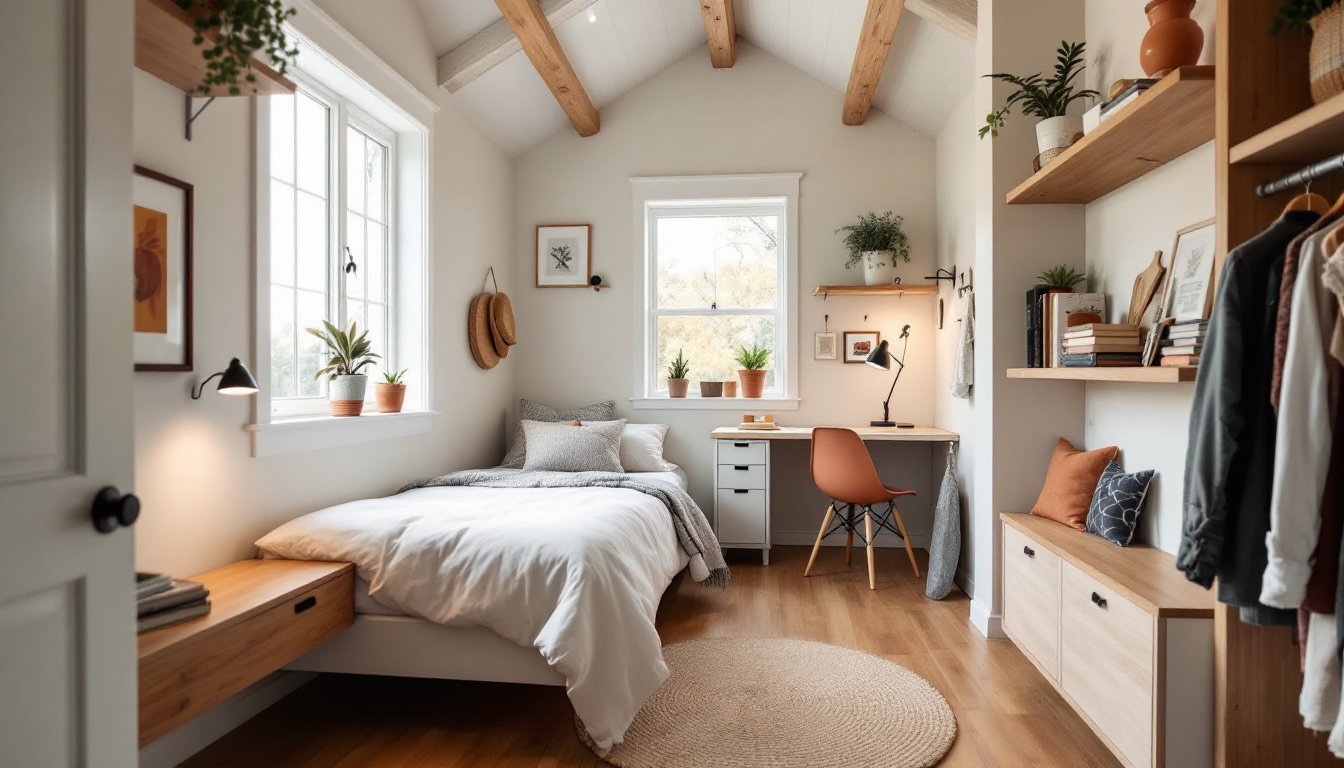
Vertical storage is non-negotiable. Floor-to-ceiling shelving, wall-mounted folding tables, and lofted sleeping areas eat up vertical space without consuming floor area. Open shelving makes a room feel larger than closed cabinets, but only if what’s on those shelves is intentional and organized. Clutter in a tiny home reads as claustrophobic fast.
Multipurpose furniture transforms layout. A kitchen island that doubles as dining table, a sofa with underbed storage, a bed with a desk on the wall above it, these aren’t cute tricks, they’re survival tactics. Natural light through large windows and skylights genuinely changes how spacious a small home feels: dark corners compound the sense of constraint.
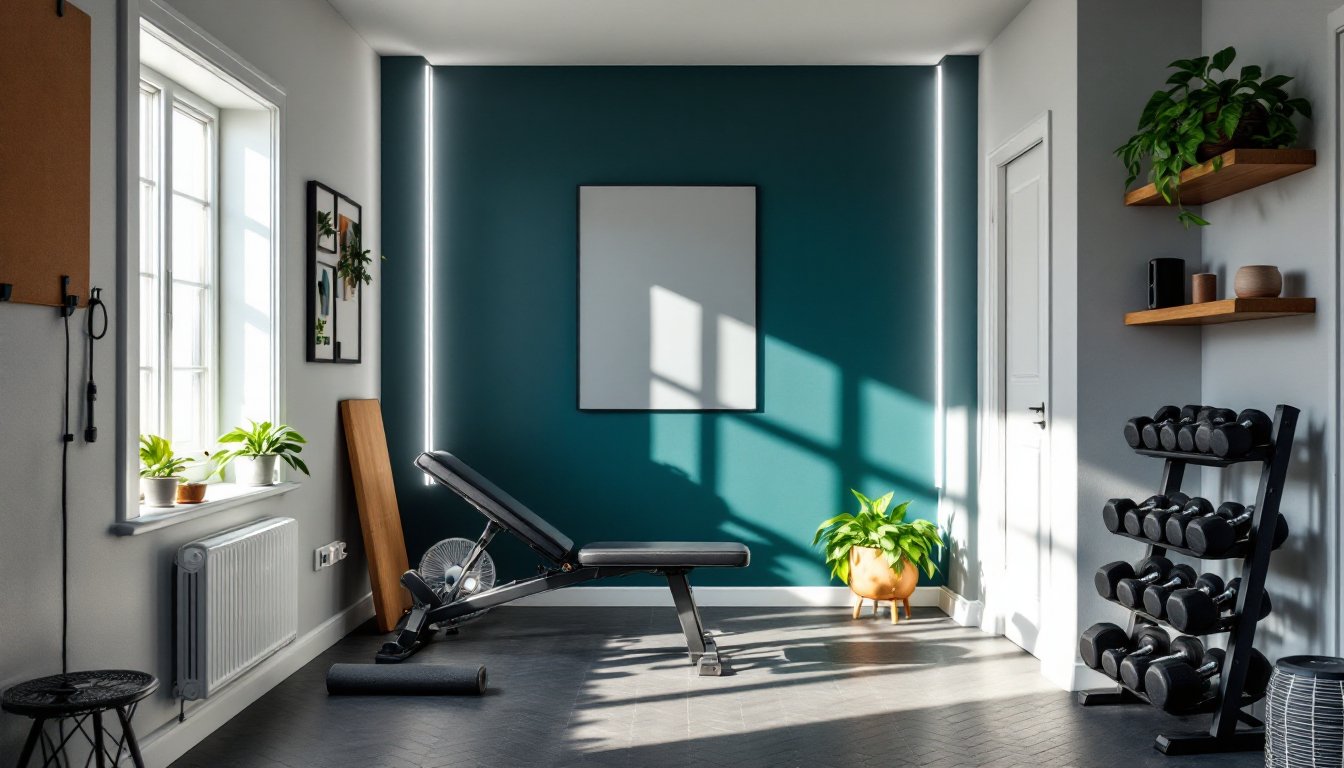
Color matters too. Light, neutral tones reflect light and expand visual space. If you want color, use it as accent, one bold wall, not all four. Mirrors work the old trick of reflecting light and multiplying perceived space, but don’t overdo it: a couple of well-placed mirrors beats a disco ball effect.
Check what Tiny Homes Strategies: Smart Approaches to Small-Space Living and major design sites like Apartment Therapy offer on small-space design. They walk through real layouts that work, not Instagram staging. Storage solutions from wall-mounted racks to under-stair drawers make the difference between functional and frustrating.
Zoning, Legal, And Community Considerations
This is where tiny home dreams often stall. Zoning laws vary wildly across North Carolina counties and municipalities. Some areas welcome tiny homes on single-family residential lots: others cap ADU (accessory dwelling unit) sizes at specific square footage that technically excludes tiny homes.
Before buying land or a home, verify local ordinances. Call the county planning department or building inspector, don’t assume online zoning maps are current. Some NC jurisdictions require conditional-use permits for tiny homes, meaning you’ll attend a hearing, present your case, and hope for approval. The process adds 2–4 months and a few hundred dollars in fees, but it’s mandatory in many areas.
Building codes apply. NC follows the International Residential Code (IRC) with state amendments. Tiny homes must meet the same electrical (NEC), plumbing, and structural standards as full-size houses. This isn’t cosmetic, it’s safety and code compliance. If you’re buying a used tiny home or a mobile unit, verify it’s been inspected and meets current codes.
HOA rules matter if you’re in a planned community. Some NC tiny home neighborhoods have strict design guidelines (roofline height, siding material, paint colors), while others are more relaxed. Get the HOA bylaws in writing before closing.
Finally, talk to neighbors and the community. What Is a Tiny and resources from Curbed cover community integration. Tiny homes are still novel enough that some established neighborhoods view them with skepticism. Understanding local sentiment upfront prevents friction later.
Permits, inspections, and approvals are part of the reality, not obstacles to avoid, but processes to navigate. Budget time and money for them from day one.