Table of Contents
ToggleTiny homes trends 2026 point to a year of significant change for small-space living. The movement has grown from a niche lifestyle choice into a mainstream housing solution. Buyers now demand more from their compact dwellings, better sustainability, smarter technology, and faster construction timelines.
This shift reflects broader economic and environmental pressures. Housing costs continue to climb. Climate concerns push builders toward greener methods. And technology keeps shrinking, making it easier to pack powerful features into limited square footage.
The tiny homes trends 2026 landscape will reward those who understand where the industry is heading. Here’s what to expect in the year ahead.
Key Takeaways
- Tiny homes trends 2026 emphasize sustainability with integrated solar roofing, recycled materials, and water conservation systems that cut construction waste by up to 60%.
- Smart technology like voice-controlled systems and motorized transforming furniture are becoming standard features in mid-range tiny home builds.
- Factory prefabrication will dominate construction, reducing build times from 3-6 months to just 4-8 weeks while improving quality control.
- 3D-printed tiny home shells are entering production with print times under 24 hours and material costs 30-50% lower than conventional framing.
- Zoning laws are loosening as more states adopt regulations recognizing tiny homes as permanent housing and streamlining ADU approvals.
- Financing options are expanding through credit unions, RV certification programs, and builder-offered loans, removing major barriers for buyers.
Sustainable and Eco-Friendly Design Innovations
Sustainability sits at the center of tiny homes trends 2026. Builders are moving beyond basic green features toward full lifecycle environmental design.
Solar Integration and Energy Independence
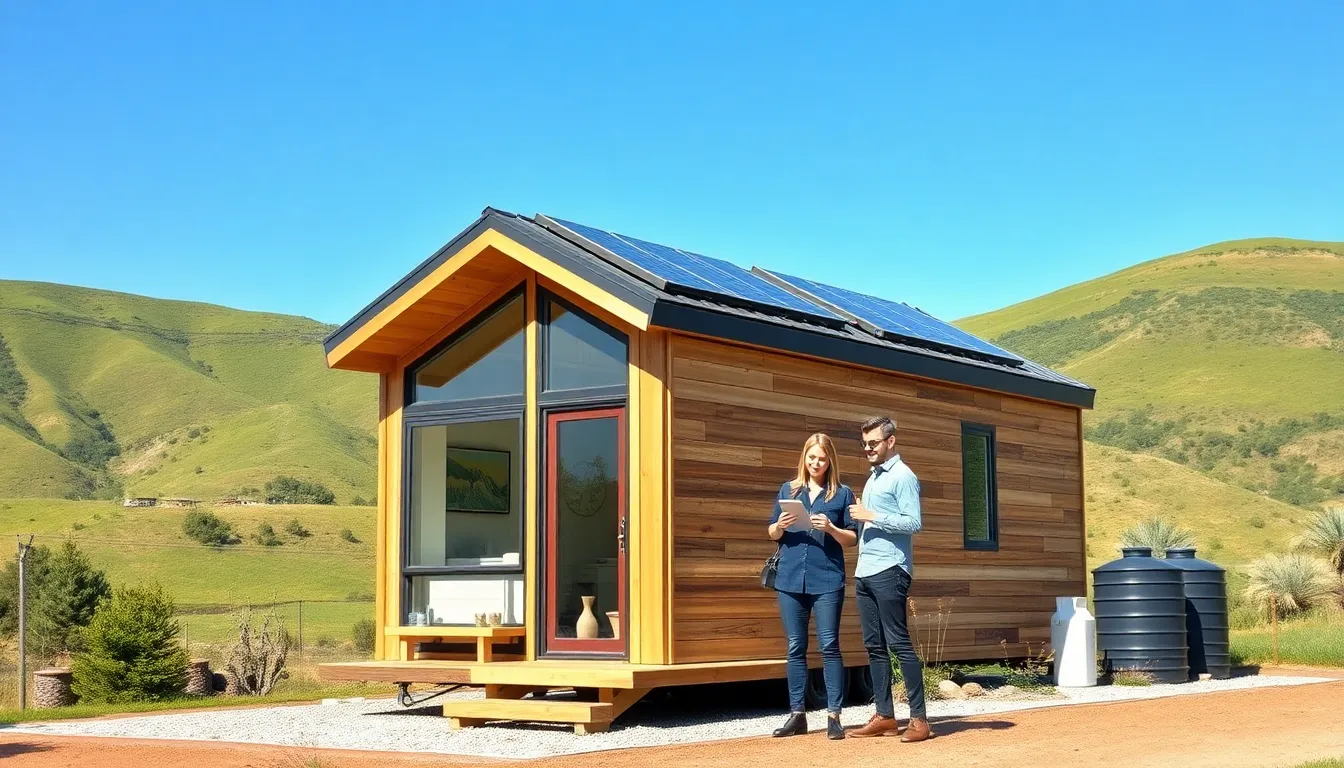
Solar panels have become standard on new tiny home builds. But 2026 models will feature integrated solar roofing materials that double as weatherproofing. Battery storage systems now hold enough charge to power a tiny home for 3-5 days without sun. This makes off-grid living practical for more buyers.
Recycled and Bio-Based Materials
Construction materials are changing fast. Builders now use recycled steel framing, reclaimed wood, and hemp-based insulation. Cork flooring and bamboo cabinetry reduce the carbon footprint of each build. Some manufacturers have started using mycelium (mushroom-based) composites for non-structural panels.
These material choices cut construction waste by up to 60% compared to traditional building methods.
Water Conservation Systems
Graywater recycling systems will appear in more tiny homes throughout 2026. These units filter and reuse water from sinks and showers for toilet flushing or garden irrigation. Rainwater collection paired with UV purification gives owners a backup water supply.
Composting toilets have also improved. Newer models eliminate odor issues that plagued earlier versions. They now process waste faster and require less maintenance.
Smart Technology Integration in Small Spaces
Smart home technology has adapted well to tiny living. The tiny homes trends 2026 show a focus on space-saving automation and voice-controlled systems.
Voice-Activated Everything
Voice assistants now control lighting, climate, security, and entertainment in tiny homes. This matters because wall switches and thermostats take up valuable space. A single smart hub can replace dozens of physical controls.
Manufacturers have developed tiny home-specific smart systems. These platforms optimize for low power consumption and work reliably off-grid.
Transforming Furniture Technology
Motorized furniture is gaining traction. Murphy beds that fold into desks at the touch of a button save hours of manual adjustment. Dining tables rise from floor storage. Couches convert to guest beds in seconds.
These aren’t luxury add-ons anymore. They’re becoming standard features in mid-range tiny home builds for 2026.
Climate Control Innovations
Mini-split systems remain popular, but newer options are emerging. Heat pump water heaters that also warm the living space make sense in small footprints. Smart thermostats learn occupancy patterns and pre-condition spaces before owners arrive home.
Ventilation matters more in tight quarters. Heat recovery ventilators (HRVs) now come in compact sizes designed specifically for tiny homes. They exchange stale air for fresh while keeping heating and cooling costs low.
Modular and Prefabricated Construction Methods
Factory-built tiny homes will dominate the market in 2026. This construction approach offers speed, quality control, and cost savings that on-site building can’t match.
Faster Build Times
A traditional tiny home takes 3-6 months to complete on site. Factory prefabrication cuts that to 4-8 weeks. Weather delays disappear. Multiple crews work simultaneously on different systems.
This speed translates to lower labor costs and faster delivery for buyers.
Customization Without Compromise
Early prefab homes offered limited options. The tiny homes trends 2026 show manufacturers now providing extensive customization. Buyers choose layouts, finishes, appliances, and smart home features through online configurators. The factory then builds to spec.
Some companies offer modular add-ons. Start with a 200-square-foot core unit and attach a sleeping pod, office module, or extra bathroom later.
Quality Improvements
Factory conditions allow for better quality control than job sites. Workers build in climate-controlled environments. Inspections happen at each stage. Materials stay dry and protected during construction.
This results in tighter builds with fewer warranty issues. Insulation performs better. Joints seal properly. The finished product lasts longer.
3D Printing Experiments
3D-printed tiny homes are moving from prototype to production. Several companies now offer printed shells that combine with traditional finishing. Print times have dropped to under 24 hours for basic structures. Material costs run 30-50% below conventional framing.
Emerging Zoning Laws and Tiny Home Communities
Legal barriers have slowed tiny home adoption for years. But tiny homes trends 2026 suggest real progress on zoning and community development.
Changing Municipal Attitudes
More cities are updating building codes to accommodate tiny homes. California, Oregon, and Texas have led with statewide regulations that override local restrictions. Other states are following.
Key changes include:
- Reduced minimum square footage requirements
- Accessory dwelling unit (ADU) approvals on single-family lots
- Recognition of tiny homes on wheels as permanent housing
- Streamlined permitting processes for certified prefab units
Purpose-Built Communities
Tiny home villages are expanding across the country. These developments offer shared amenities, community gardens, laundry facilities, common spaces, that individual tiny homes can’t include.
Some communities focus on specific populations: seniors, veterans, or remote workers. Others market to buyers who want the tiny lifestyle without the isolation.
Land costs remain the biggest challenge. But creative solutions are emerging. Church parking lots, underused commercial properties, and land trusts provide affordable options.
Financing Improvements
Banks have been slow to mortgage tiny homes. 2026 should bring better options. Several credit unions now offer tiny home-specific loans. The RV Industry Association’s certification program helps wheels-based tiny homes qualify for RV financing.
Some builders have started offering in-house financing with competitive rates. This removes a major barrier for buyers who struggle with traditional lending.