Table of Contents
ToggleGreenville, South Carolina has quietly become one of the most attractive markets for tiny home buyers in the Southeast. The combination of affordable real estate, walkable neighborhoods, and a growing community of small-space enthusiasts makes it an ideal location for those seeking a simpler, more sustainable lifestyle. If you’re considering purchasing a tiny home in Greenville, understanding the current market conditions, local regulations, and available financing options is essential. This guide walks you through everything you need to know before making your move into the tiny home lifestyle.
Key Takeaways
- Tiny homes for sale in Greenville SC range from $80,000 to $200,000 depending on location and finishes, with downtown properties commanding premiums of $150,000–$250,000 due to walkability and urban amenities.
- Greenville’s zoning code permits tiny homes in most residential zones, but verification with the city’s Planning and Development Services is essential before purchasing, as regulations vary by neighborhood and mobile homes face stricter requirements.
- Financing tiny homes requires pre-approval from lenders experienced with small-space properties; conventional mortgages on permanent foundations are most accessible, while FHA, VA, and USDA loans typically exclude tiny homes due to square footage minimums.
- Factor land ownership versus lot rent into long-term affordability calculations—a property you own always outperforms paying $200–$500/month in lot rent at a mobile home community over a 30-year mortgage.
- Buying a tiny home in Greenville demands careful review of HOA rules, deed restrictions, and building permits; unpermitted structures create massive liability and financing obstacles that can derail closings.
- Greenville’s combination of affordable real estate, growing infrastructure, outdoor recreation access, and an expanding tiny home community makes it an ideal Southeast market for buyers seeking sustainable, simpler living.
Why Greenville, SC Is Becoming A Tiny Home Hot Spot
Greenville’s appeal goes beyond just lower property costs. The city has embraced a culture of thoughtful urban development, with downtown revitalization efforts creating vibrant, pedestrian-friendly spaces. Young professionals and families are drawn to the region’s lower cost of living compared to major metropolitan areas, combined with good schools and a thriving job market, particularly in tech and manufacturing sectors.
The city’s infrastructure supports the tiny home movement. Public transportation is expanding, and neighborhoods like West End and East Side are welcoming small-dwelling communities. Local builders and developers have started responding to demand, recognizing that tiny homes appeal to a diverse demographic: first-time buyers priced out of traditional markets, retirees downsizing, and sustainability-focused individuals looking to reduce their environmental footprint.
Beyond economics, Greenville’s lifestyle attracts tiny home enthusiasts. The region offers access to outdoor recreation, hiking, kayaking, and mountain proximity, without sacrificing urban amenities. This blend of small-town charm and modern convenience makes it a natural hub for the tiny home market.
Current Tiny Home Market Trends In Greenville
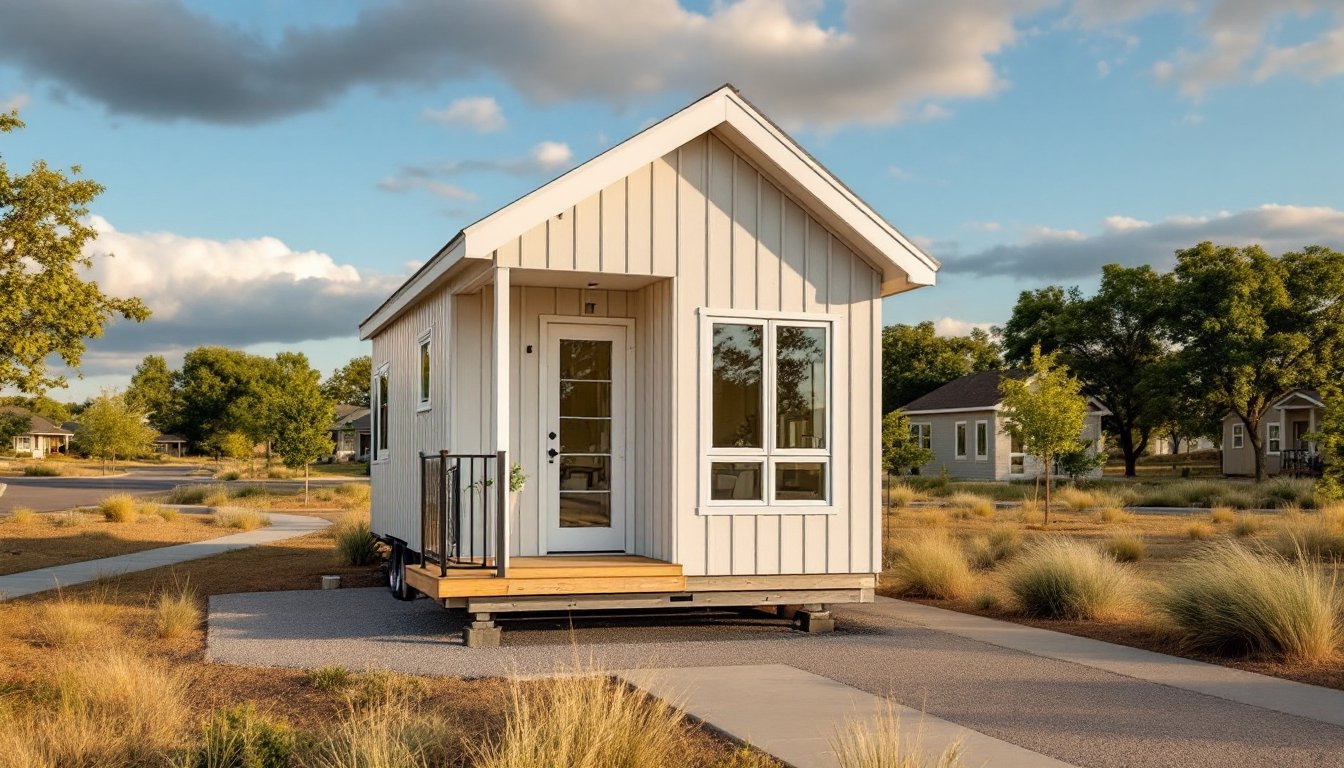
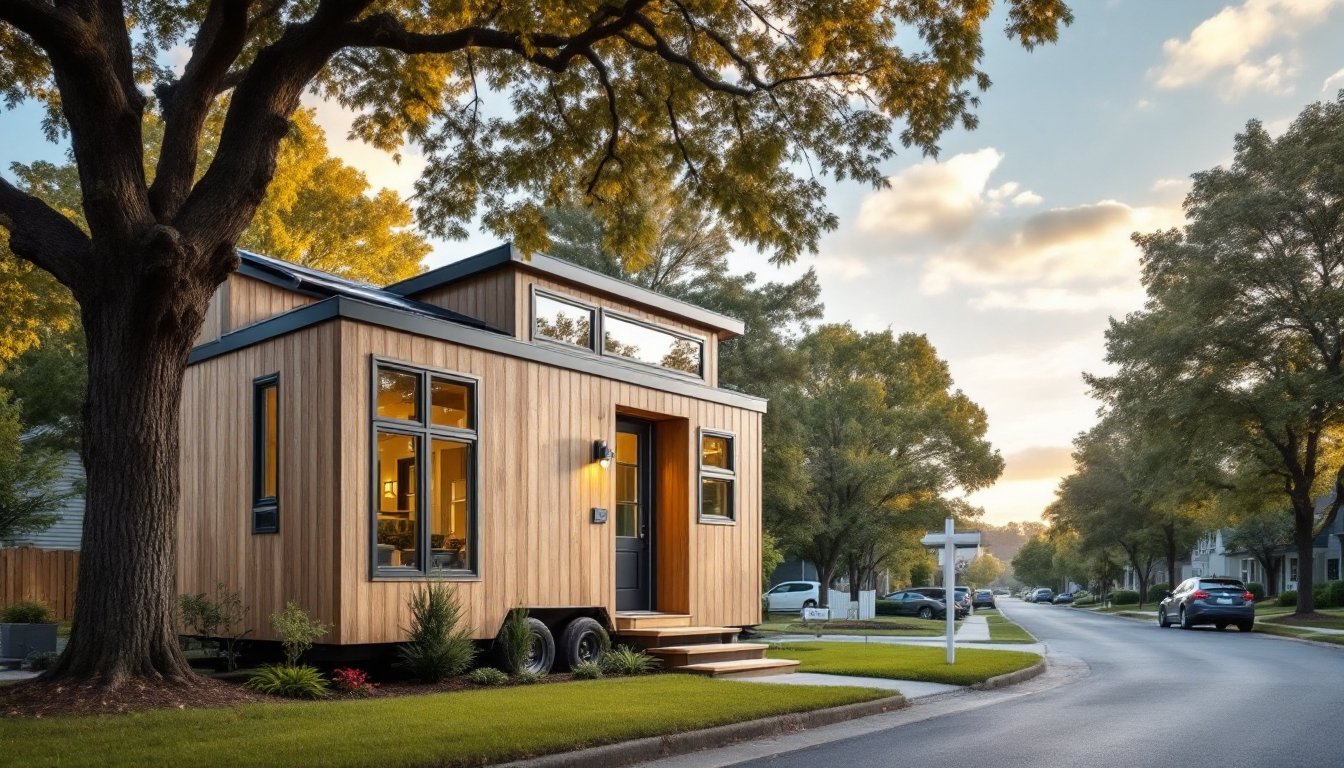
The tiny home market in Greenville is experiencing steady growth. As of 2026, average prices for a finished tiny home (400–600 square feet) range from $80,000 to $200,000, depending on location, finishes, and whether it’s on wheels or a permanent foundation. New construction options are entering the market regularly, while used tiny homes occasionally appear on standard real estate listings.
Demand remains strong, particularly for homes situated in established neighborhoods with utilities already in place. Homes closer to downtown command premiums, while those in emerging areas on Greenville’s outskirts offer better value. The market is also seeing more customization: buyers want specific layouts, energy-efficient systems, and modern finishes rather than cookie-cutter designs.
Investors are paying attention too. Some are purchasing tiny homes as rental units or Airbnb properties, which has tightened inventory in certain neighborhoods. A quick comparison between tiny homes and traditional residences helps buyers understand what trade-offs make sense for their lifestyle.
What To Expect When Buying A Tiny Home In Greenville
Buying a tiny home differs from purchasing a traditional house in several critical ways. First, the inspection process is similar, but inspectors should have experience with small-space systems, plumbing, electrical, and HVAC are often more tightly integrated in tiny homes, so any faults are harder to ignore. Second, resale considerations matter more. While the market is growing, tiny homes don’t have the same long-term resale data as traditional homes, so lenders scrutinize them more carefully.
Title and deed work is straightforward for stationary tiny homes on private land, but trickier for mobile tiny homes or those on rented land. You’ll need a clear understanding of whether the property includes land ownership or just the structure. Working with a real estate agent familiar with tiny homes in Greenville is worthwhile, they’ll navigate these specifics faster.
HOA rules and neighborhood covenants should be reviewed carefully. Some developments welcome tiny homes: others explicitly exclude them. Read every line of deed restrictions before making an offer. Lenders will do the same, and any ambiguity can hold up financing.
Zoning Laws And Community Regulations
Greenville’s zoning code allows tiny homes in most residential zones, but with conditions. The city’s R-1 single-family residential districts typically permit structures down to 1,200 square feet (for the entire structure), while some newer ordinances allow smaller ADUs (accessory dwelling units) on larger lots. But, regulations vary by neighborhood and have been updated frequently as the tiny home trend accelerated.
Mobile tiny homes face stricter scrutiny. They’re classified differently than site-built homes and must be permanently affixed to foundations in many jurisdictions. Check with Greenville’s Planning and Development Services department before purchasing any structure, don’t assume a builder’s claims about compliance without written zoning verification.
Building permits are mandatory for any tiny home construction or placement. Costs run $500–$2,000 depending on the home’s value and complexity. Some sellers skip this step illegally: buying an unpermitted structure creates massive liability and financing problems. Always verify permits are in place before closing.
Code requirements for tiny homes in Greenville include minimum ceiling heights (7 feet in most spaces, 6.5 feet in lofts), adequate egress (emergency exits), and standard electrical, plumbing, and ventilation standards that scale to the smaller space. Energy codes are increasingly strict: newer homes often exceed minimum requirements, which translates to lower utility bills.
Finding The Right Tiny Home: Location And Price Points
Location determines everything in Greenville’s tiny home market. Downtown and adjacent neighborhoods (Paris Mountain area, Laurel Street corridor, Augusta Street) carry premiums, $150,000–$250,000 for finished homes, because of walkability, restaurants, and amenities. You’re paying for lifestyle access, not extra square footage.
Mid-range options sit in transitional neighborhoods like Southernside, Overbrook, and East Side. These areas offer solid infrastructure, good schools, and growing investment, with prices between $100,000–$160,000. Properties here appreciate steadily as development spreads outward.
Entry-level tiny homes appear farther out, Simpsonville, Mauldin, or Piedmont, where you’ll find finished homes under $100,000. These locations require more car dependence but offer the lowest barrier to entry. Learning the essential strategies for small-space living helps buyers optimize these more affordable purchases.
When evaluating price, factor in land ownership versus land lease. Fee-simple ownership (you own the land) is always preferable: it simplifies financing and resale. Mobile tiny home communities sometimes require lot rent ($200–$500/month), which impacts long-term affordability. Run the math: a $90,000 home in a community with $400/month lot rent actually costs you more over a 30-year mortgage than a $140,000 owned property.
Financing Options For Tiny Home Purchases
Traditional mortgages are easier to secure if the tiny home is on a permanent foundation and meets standard construction codes. Most Greenville lenders (Greenville Federal Credit Union, SCCU, and national banks) now offer mortgages on tiny homes under $150,000, though rates may be slightly higher than conventional loans. Down payment requirements are typically 10–20% depending on the lender’s assessment of the property’s resale value.
Manufactured home loans (for mobile tiny homes) are available but come with stricter terms and higher interest rates. These loans require the home to be permanently attached to the land, and many lenders won’t touch one if it’s in a mobile home community. If you’re buying a mobile tiny home, secure loan pre-approval before shopping, it tells sellers you’re serious and limits surprises at closing.
Personal loans and home equity lines of credit are alternatives if your credit is strong and you need a smaller amount. These carry higher interest rates but faster approval. Construction loans exist if you’re building: they typically fund in stages as work completes.
Lenders increasingly require energy efficiency certifications (HERS scores, solar ratings) for tiny homes, as they’ve become a standard assessment tool. A newer tiny home with high efficiency ratings finances more easily. Some credit unions and community banks in Greenville are more flexible than national chains on tiny home lending, call around and ask specifically about their tiny home experience.
FHA loans rarely cover tiny homes because most fall below the agency’s minimum square footage thresholds (1,200 sq ft for single-family homes). VA loans and USDA loans also exclude most tiny homes. Focus on conventional loans, portfolio lenders (who hold mortgages in-house), or credit union options instead. Federal programs simply don’t accommodate the market segment yet.
Conclusion
Buying a tiny home in Greenville, SC in 2026 is more feasible than ever, thanks to growing inventory, supportive zoning, and flexible financing options. The key is doing your assignments: verify zoning compliance, secure pre-approval from lenders experienced with tiny homes, and work with a real estate agent who understands the local market. Understanding practical tips for small-space living once you own the property ensures you maximize every inch. Start conversations with local builders, check municipal records, and connect with Greenville’s tiny home community to learn what works, and what doesn’t, in this dynamic market.