Table of Contents
ToggleTiny home sheds are reshaping how homeowners use their backyard space. Whether you’re looking for a guest cottage, a home office, an art studio, or extra storage with personality, a tiny home shed delivers practical square footage without the permit complexity of a full dwelling in many jurisdictions. Unlike a traditional storage shed, these structures blur the line between utility and livability, they’re insulated, wired, and designed for actual use. The appeal is clear: affordability, flexibility, and the satisfaction of building something with your own hands (or partnering with a contractor for the structural work). This guide walks you through the essentials of planning, building, and finishing a backyard tiny home shed that works for your lifestyle and budget.
Key Takeaways
- Tiny home sheds are compact structures (100–400 sq ft) that offer affordability, flexibility, and practical functionality as guest cottages, home offices, studios, or rental income generators without the full permitting complexity of traditional home additions.
- Smart design with open floor plans, vertical storage solutions, and a 12×20 footprint (240 sq ft) with 9–10-foot ceilings maximizes livability and prevents cramped spaces in tiny homes sheds.
- Foundation choice—concrete slab, skid, or pier—directly impacts budget and construction ease, with stick-built structures costing $20–$35 per square foot for the shell before utilities and finishes.
- Professional installation of electrical systems, water supply, drainage, and HVAC (especially mini-split heat pumps for year-round comfort) is essential for safety, code compliance, and resale value.
- Building permits are mandatory for structures over 100–200 square feet and protect you from code violations, insurance claim denials, and resale complications—verify setback requirements and ADU regulations with your local building department before construction begins.
What Are Tiny Home Sheds and Why They’re Gaining Popularity
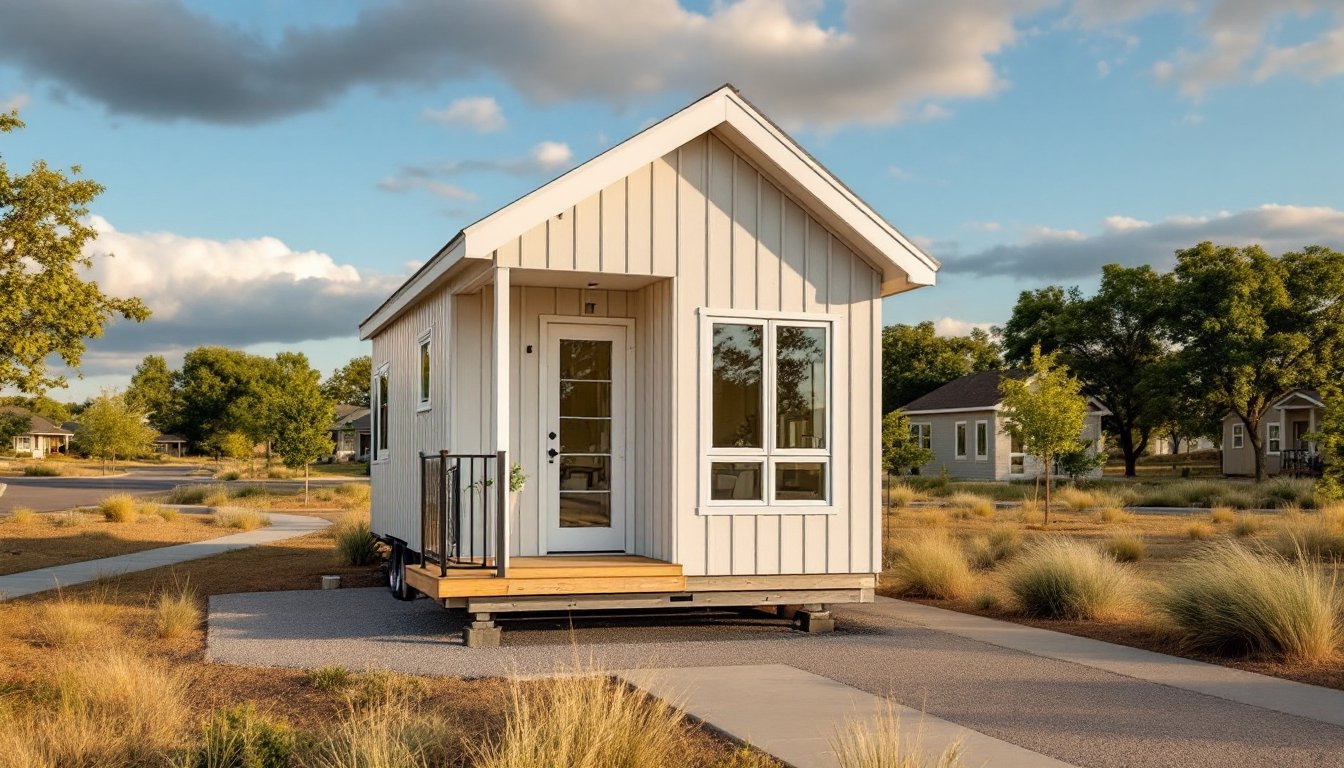
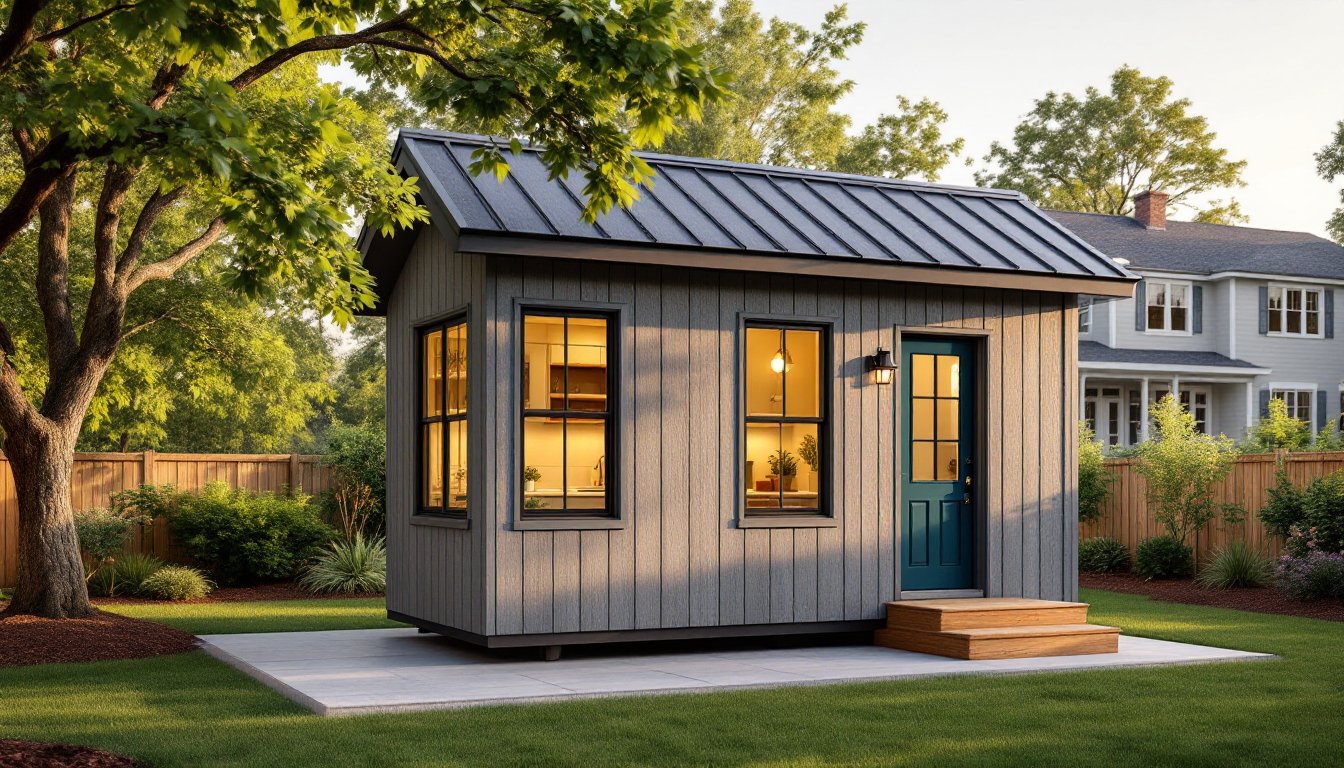
A tiny home shed is a small, self-contained structure, typically 100 to 400 square feet, designed and built as a standalone living or working space on residential property. Unlike a pure storage shed, these structures include utilities like electricity and sometimes plumbing, proper insulation, climate control, and finished interiors. They sit at the intersection of tiny living and backyard versatility.
They’re gaining traction for solid reasons. Housing costs continue to climb, making a 200-square-foot backyard structure far more affordable than adding onto your main home. Zoning laws in many areas permit accessory dwelling units (ADUs) or similar structures without triggering the full permitting gauntlet of a traditional addition. Plus, homeowners are discovering these spaces work brilliantly as rental income generators, in-law suites for aging parents, creative studios, or retreat spaces. Tiny Homes Trends 2026: shows this movement is accelerating, with more people prioritizing flexible, sustainable living options.
The DIY appeal is equally strong. A prefabricated kit or stick-built structure on your own land gives you control over layout, finishes, and functionality in a way a renovation rarely does. You’re not gutting walls or working around existing plumbing, you’re building from the ground up, which many DIYers find more straightforward than problem-solving through older construction.
Design Ideas and Layout Options for Your Shed Space
Start by defining your shed’s primary function. A guest cottage layout looks different from a studio or home office. Most successful tiny sheds follow an open or semi-open plan: a combined living/sleeping zone, a compact kitchen area, and a full or three-quarter bathroom. Dimensions matter, a 12×20 footprint (240 sq ft) gives you enough room for a proper bed, seating, kitchenette, and bath without feeling cramped. Taller ceilings (9 or 10 feet) also help: the shedlike proportions can feel claustrophobic with 8-foot clearance.
Orientation and window placement affect livability significantly. Position sleeping or working areas away from the entry door, and place windows to maximize natural light and views of your yard. Consider the structure’s proximity to your main house, too close creates privacy issues, too far becomes inconvenient for utilities and foot traffic.
Maximizing Square Footage With Smart Storage Solutions
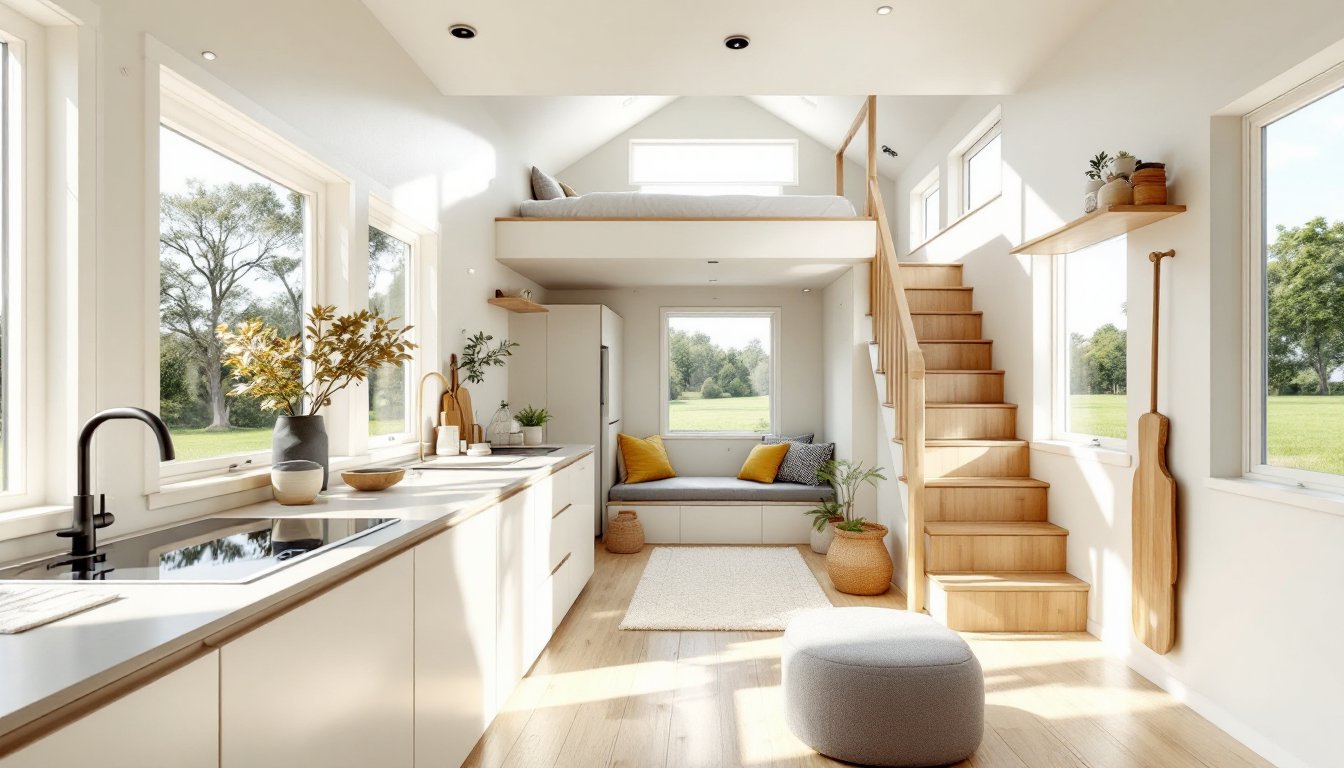
In tight spaces, vertical storage is your best friend. Built-in shelving above doors, under stairs (if applicable), and along walls eliminates freestanding furniture clutter. A murphy bed or a lofted sleeping platform frees up 40+ square feet of daytime living space. Corner cabinets and open shelving keep the visual footprint light while storing plenty.
Closet design requires planning. A 3-foot-wide reach-in closet with double hanging rods and shelving above handles everyday clothing in minimal floor space. Open shelving for shoes, folded items, or seasonal gear beats a deep closet that becomes a black hole. Consider a tall, narrow pantry cabinet for the kitchenette, it provides tons of storage at minimal floor cost.
Mechanical spaces (water heater, HVAC, electrical panel) should tuck into a dedicated corner or exterior closet, not eat into your living footprint. Tiny Homes Strategies: Smart Approaches to Small-Space Living delves deeper into spatial optimization techniques proven to work in confined layouts.
Building Basics: Materials, Foundations, and Cost Considerations
Foundation choices determine budget and ease of construction. A concrete slab is the cheapest and simplest for DIY projects, it’s level, durable, and doesn’t require extensive digging or frost-line calculations (though frost-line depth varies by region: check your local IRC code). A skid or pier foundation (concrete pads under pressure-treated beams) allows flexibility for relocated sheds and is easier on sloped sites, but adds complexity and cost.
Framing typically uses standard 2×6 or 2×4 stud walls, 16 inches on-center. Roof pitch (slope) matters: steeper roofs shed water and snow but consume more material and labor: 4:12 or 6:12 pitches balance aesthetics and performance. Budget roughly $20–$35 per square foot for a basic stick-built shell (framing, roofing, siding, windows, door), though regional material costs and labor availability shift this significantly. Insulation, utilities, and interior finishes can double that figure.
External cladding options range from economical T1-11 plywood or vinyl siding ($3–$8 per sq ft installed) to board-and-batten, metal, or stone veneer ($15–$25+ per sq ft). Roofing, typically 3-tab asphalt shingles, metal, or standing seam, runs $5–$15 per sq ft. Don’t skimp here: a roof leak in a tiny, finished space is a nightmare.
DIY Versus Prefabricated Shed Kits
Prefabricated tiny home kits (companies like Tumbleweed, Nomad, or regional builders) range from $25,000 to $80,000 delivered and ready to place on your foundation. Upsides: factory precision, consistent quality, turn-key livability, and zero-guesswork building. Downsides: limited customization, delivery logistics, and you’re still responsible for site prep, foundation, and utility connections.
Stick-built (DIY or contractor-built from scratch) offers full design flexibility and potentially lower material costs, but demands accurate planning, building knowledge, and significant time investment. Essential Tiny Homes Tools for Building and Living Small breaks down the gear you’ll actually need versus nice-to-haves. Most DIYers hire professionals for framing, roofing, and final inspections while handling demolition, finish work, and interior details themselves, a smart compromise between cost and sanity.
Interior Design and Decor for a Comfortable Shed Living Space
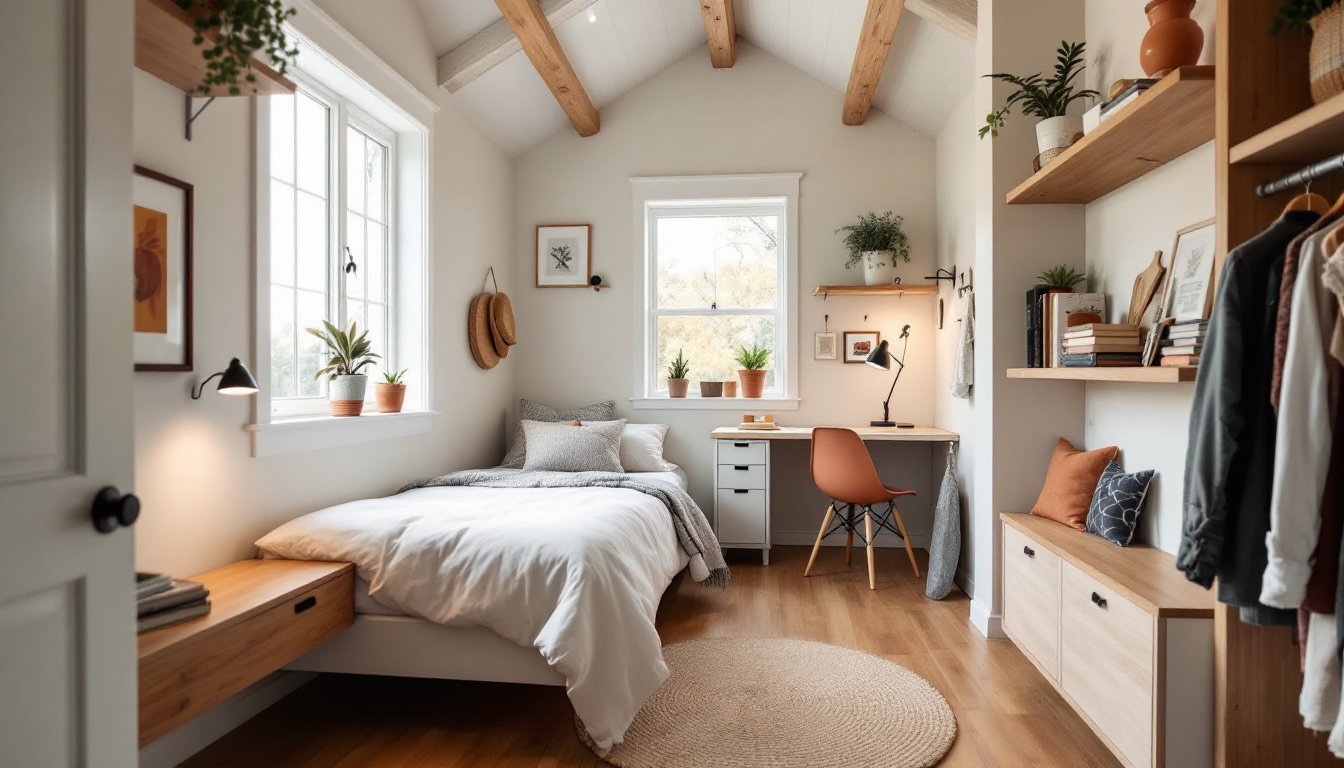
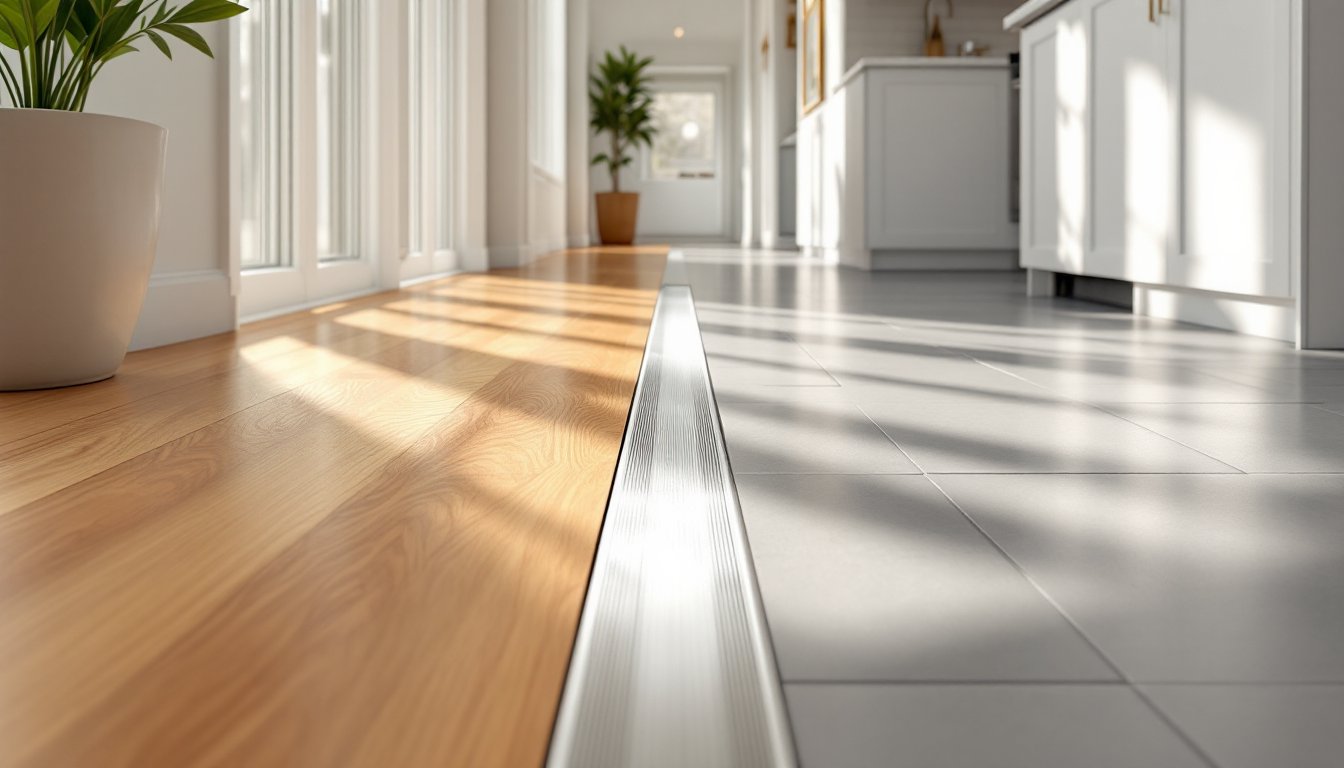
Inside a tiny shed, every visual choice amplifies the sense of space. Light colors, glossy finishes, and minimal clutter make 200 square feet feel open. Pale gray or off-white drywall, light wood flooring (real hardwood, laminate, or vinyl plank, all work), and plenty of white trim create an airy backdrop.
Furniture selection defines the space. A sofa pulls double duty as seating and guest bed. A small dining table that folds or expands serves dual purposes. Multifunctional pieces (storage ottomans, shelving units with workspace on top) replace single-purpose items. Floating shelves and wall-mounted desks save floor space and create visual lightness compared to bulky cabinets.
Lighting is critical in a shed without much natural light. Recessed ceiling lights provide ambient illumination: a pair of sconces flanking a mirror adds style and function in the bathroom: task lighting over a desk or kitchenette prevents dark corners. Avoid heavy, sculptural fixtures that feel out of scale.
Personalization happens through textiles and art. A colorful area rug, throw pillows, and curtains inject warmth without crowding. A gallery wall or two pieces of larger art prevent the space from feeling institutional. Plants (real or quality fakes) bring life and improve perceived air quality. The key: intentional choices, not visual chaos. Tiny Homes Tips: Essential Advice for Small Space Living covers décor strategy in more depth.
Utilities, Insulation, and Making Your Shed Year-Round Livable
Electrical wiring should be roughed in before drywall. Run NM cable (nonmetallic sheathed cable, “Romex”) on 20-amp circuits for outlets and 15-amp circuits for lighting, per National Electrical Code (NEC) standards. Install a 50-amp subpanel fed from your main panel if you’re adding HVAC, water heating, or heavy appliances. This is not a DIY task: hire a licensed electrician. Permits are required and inspections are mandatory for safety and resale value.
Water supply and drainage require professional installation in most jurisdictions. A cold-water line, hot-water tank or on-demand heater, and proper drain lines with venting are non-negotiable. Local code may prohibit a full septic system on small lots, confirm before planning a bathroom.
Insulation is non-negotiable for year-round comfort. Use R-15 to R-21 fiberglass batts or spray foam in walls, R-30+ in the ceiling, and R-10+ under the floor. These values vary by climate zone, check your region’s building code. Spray foam provides better air sealing but costs more: batts are budget-friendly and DIY-friendly. Vapor barriers vary by climate: in humid regions, interior poly: in cold climates, exterior foam or membranes make more sense. Get local guidance.
HVAC options depend on size and use. A mini-split heat pump (indoor wall unit, outdoor condenser) heats and cools efficiently with minimal ductwork, ideal for sheds. A portable AC unit works for summer: a small electric heater or space heater handles winter (less efficient but zero installation). If you use the space year-round, invest in the mini-split.
Thermostatic control matters. Programmable thermostats reduce energy waste. Ceiling fans help circulate warm or cool air. How to Build a Tiny Home: A Complete Beginner’s Guide walks through building fundamentals, including utility planning. Consult resources like Family Handyman for specific installation tutorials, and always follow manufacturer and code specifications. A licensed HVAC contractor earns their fee here, system sizing and ductless unit installation aren’t trivial.
Permits, Codes, and Legal Considerations
Before you pour a foundation, check with your local building and zoning department. ADU regulations, accessory structure square-footage limits, setback requirements (distance from property lines), and occupancy rules vary wildly by jurisdiction. Some areas allow a 400-square-foot shed freely: others cap it at 200 square feet or require a conditional-use permit.
Building permits are typically required for structures over 100–200 square feet, depending on local rules. Expect to file plans, pay permit fees, and schedule inspections (foundation, framing, mechanical, final). The process takes weeks and costs $500–$2,000 in permits alone, but it’s necessary. Skipping permits invites code violations, insurance claims denials, and resale complications.
Setbacks and property-line rules are strict. A shed built 2 feet from the lot line instead of the required 5 feet becomes non-compliant overnight and may have to be moved or demolished. Verify these details in writing before finalizing your site plan. Popular Mechanics offers thorough how-to guides for many DIY phases, but permit and code questions require a conversation with your local authority having jurisdiction (AHJ).