Table of Contents
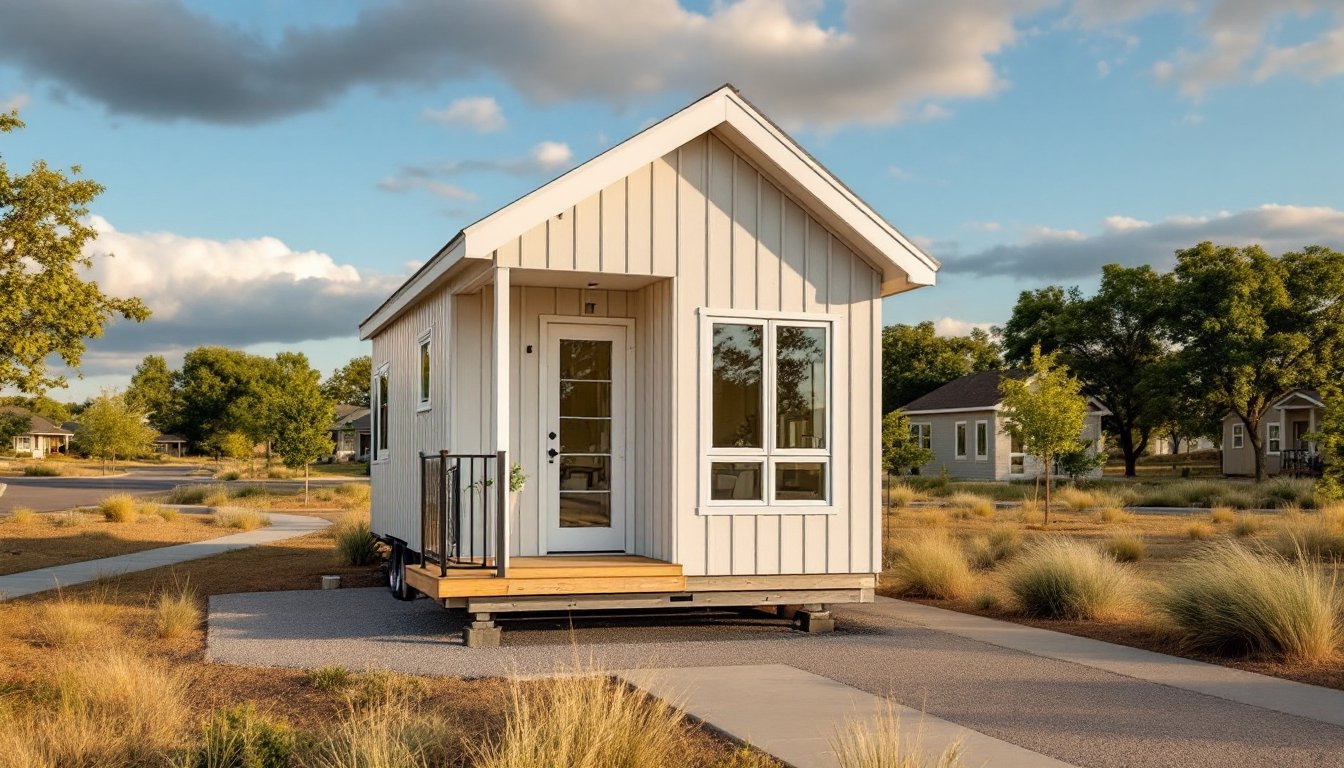
ToggleA front porch sets the tone for your entire home. Whether you’re working with a postage-stamp-sized stoop or a deep wrap-around, the right remodel can boost curb appeal without very costly. Small front porch remodel ideas don’t require a contractor or a five-figure budget, most come down to strategic updates in flooring, lighting, paint, and simple decor that signal “someone cares” about this space. The payoff is real: a refreshed porch becomes an inviting threshold and a genuine hangout spot for morning coffee or evening chats. Let’s walk through seven practical transformations that deliver impact in compact square footage.
Key Takeaways
- Small front porch remodel ideas are budget-friendly, typically costing $150–$800 for flooring, lighting, paint, seating, and greenery combined without requiring contractor services.
- Concrete stains, peel-and-stick tiles, or fresh paint on porch flooring deliver maximum visual impact for $50–$600 and can be completed in a single weekend.
- Strategic lighting upgrades—such as lantern fixtures, string lights, or motion-sensor lights—transform your porch’s ambiance and welcoming appeal at a cost of $75–$300.
- A bold door color, darker ceiling, and fresh exterior paint are among the cheapest ways to refresh curb appeal, with thorough prep work being critical to prevent peeling.
- Comfortable, weather-resistant seating like Adirondacks, narrow benches, or bistro sets ($100–$400) make small porches functional gathering spaces worth using daily.
- Container gardens and vertical planters ($100–$400) soften hard surfaces, frame your entry, and signal care without consuming valuable floor space on tight porches.
Refresh Your Flooring With Impact
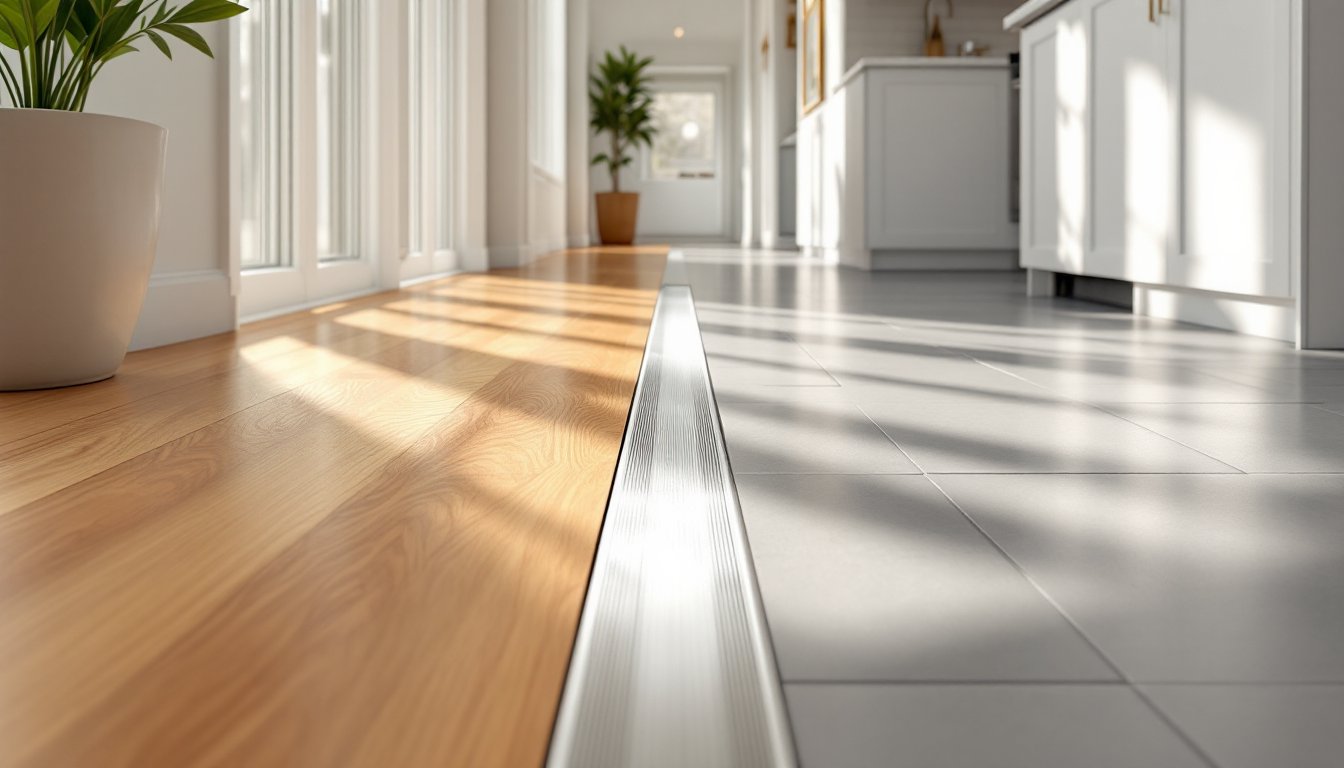
Porch flooring takes a beating. Whether it’s cracked concrete, worn wood, or peeling paint, the floor is the first thing visitors notice, sometimes before they notice the door.
Concrete overlays and stains are the easiest refresh. A concrete stain (acid or water-based) costs $50–150 for a small porch and transforms dull gray into warm charcoal, rust, or warm taupe in a single afternoon. Prep is critical: clean the surface thoroughly, etch if needed, and let it dry completely. A matte sealer afterward protects against weather and foot traffic.
Peel-and-stick tile works surprisingly well for covered porches. These interlocking vinyl or composite tiles run $1–3 per square foot and install without mortar or grout. Measure twice, cut carefully with a utility knife, and press firmly. They’re water-resistant and hide minor concrete imperfections.
Wood porch resurfacing requires more effort but rewards you with timeless character. If existing boards are sound, sand, prime, and paint with a porch-grade paint (rated for foot traffic). If boards are rotted, and porch floors often are, replacement is necessary. Use pressure-treated lumber that matches nominal dimensions (a 2×6 is actually 1.5″ × 5.5″), and space boards slightly to allow for water drainage.
Stair and landing updates matter too. Non-slip tape applied to edge nosings prevents slips and costs under $20. Paint risers and treads with concrete paint or exterior deck paint if they’re worn.
Budget $150–600 depending on method: DIY labor keeps costs low.
Add Welcoming Lighting and Fixtures
A porch light does more than dispel darkness, it signals welcome and safety. Swapping a dated fixture or adding a second light dramatically changes the vibe.
Lantern-style fixtures read as traditional and work on nearly any home. Powder-coated aluminum or painted steel options cost $30–150 each. Turn off power at the breaker, remove the old fixture, and wire the new one (black to black, white to white, ground to ground if present). If you’re uncertain about electrical work, a licensed electrician takes 30 minutes for $75–150 plus the fixture cost.
String lights or bistro lights add ambiance at night. Battery-powered or solar options ($25–60 for a 20-foot string) require no wiring and work on small porches especially well. Stretch them at angles from the porch ceiling to a post or nearby tree.
Sconces flanking the door create symmetry. A pair of outdoor wall lights ($40–80 each, excluding labor) anchors a narrow porch and provides practical illumination. Make sure they’re rated for exterior use (wet-location rated if exposed to rain).
Motion-sensor lights add security without additional wiring if you choose battery-powered models ($20–40). Hardwired versions require an electrician but offer brighter, more reliable coverage.
Budget $75–300: labor optional if you’re handy with basic wiring.
Paint and Color Updates for Maximum Visual Impact
Paint is the cheapest transformation tool in your toolbox. A gallon of exterior paint covers roughly 350–400 square feet and costs $30–60 for quality brands. The trick is prep.
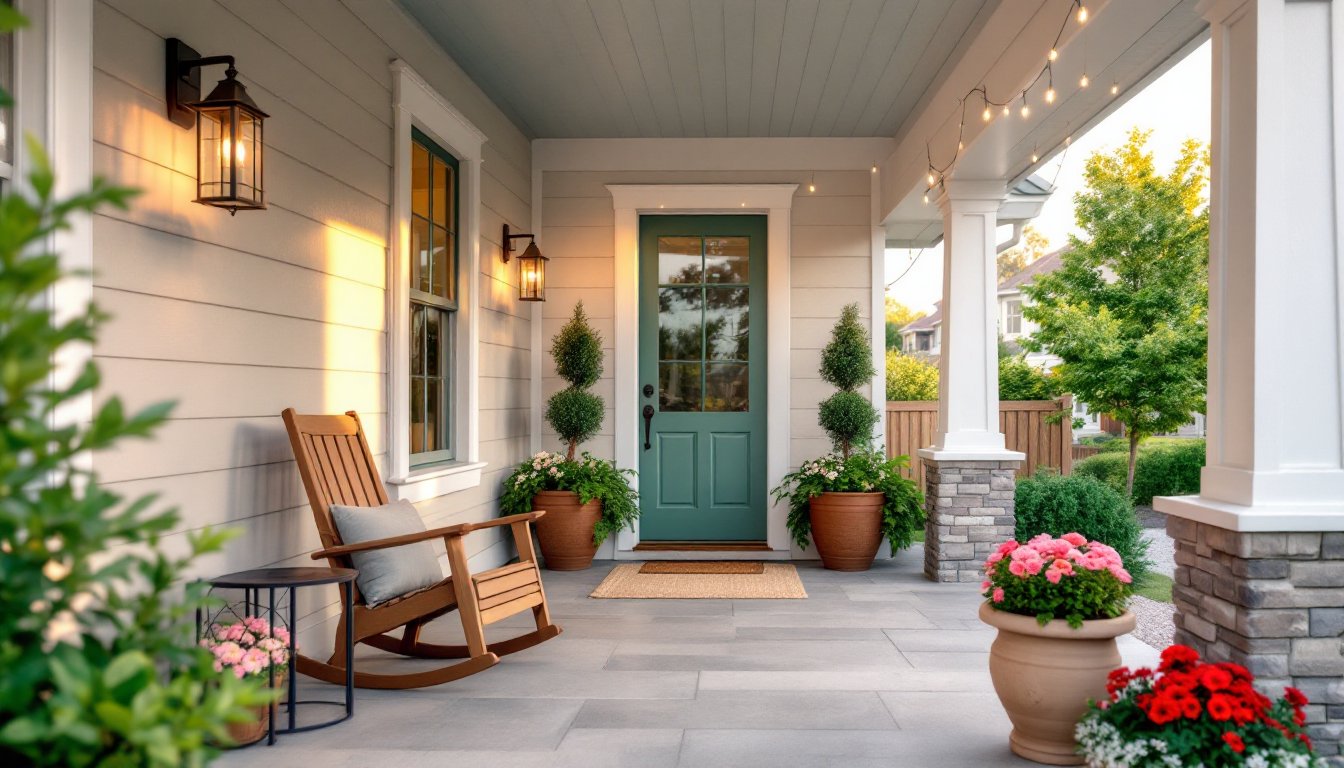
Door painting changes the entire porch in an afternoon. Remove hardware, sand lightly, prime with exterior primer, and apply two coats of exterior paint. Glossy or semi-gloss finishes hide imperfections less but stand up to weather: satin or matte finishes look modern but show dirt. A bold color, forest green, charcoal, or terracotta, outperforms safe neutrals and costs the same.
Porch ceiling and walls deserve attention too. A darker ceiling (charcoal, deep gray, or even navy) makes the porch feel more intimate, while a crisp white or pale blue feels open and airy. Many porches have soffits and fascia that are dark or weathered, a fresh coat of paint on these bones unifies the space.
Trim work (around windows, doors, and architectural details) gets glossy or semi-gloss paint to stand out. This draws the eye upward and adds definition. If trim is ornate, painter’s tape and patience are your friends.
Surface prep is non-negotiable. Power wash the porch to remove dirt and mildew, let it dry fully (24–48 hours in humid climates), fill cracks and holes with exterior caulk, and sand any peeling or glossy surfaces. Skip this, and your paint will peel within a year.
Budget $100–250 including materials and labor if you DIY.
Incorporate Smart Seating and Functional Decor
A porch without seating is a porch you won’t use. Even small porches can hold a chair or narrow bench.
Choosing the Right Furniture for Small Spaces
Rocking chairs or single Adirondacks ($80–150 each) suit narrow porches. They occupy minimal footprint, are weather-resistant, and invite lingering. Look for poly lumber or resin models that don’t require annual staining.
Narrow benches or settees ($150–400) maximize seating without sprawl. A 4-foot bench tucked against a wall holds two people comfortably and doubles as a plant stand. Ensure any wood is pressure-treated or teak: metal frames should be rust-resistant or powder-coated.
Bistro tables and chairs ($100–250 for a set) are ideal for very tight spaces. A 24–30-inch round table with two lightweight chairs leaves walking room and feels sophisticated.
Wicker or rattan adds texture and warmth. Opt for synthetic wicker rated for outdoor use (UV-stabilized polyethylene) rather than natural wicker, which deteriorates quickly outdoors. Pair with weather-resistant cushions (removable covers are a huge plus for cleaning).
Decor accents, throw pillows, a outdoor rug, small planters, and a side table, define the space without clutter. Keep decor minimal on a tiny porch: every item should earn its place by function or beauty. A single outdoor rug anchors seating and adds warmth underfoot.
Storage matters more on small porches. A bench with hidden storage, a low cabinet, or even a decorative box keeps outdoor supplies, shoes, and clutter hidden.
Budget $300–800 for seating and basic accessories.
Enhance Curb Appeal With Greenery and Planters
Living plants signal life and care. They soften hard surfaces and frame the entry naturally.
Container gardening is the easiest approach. Large planters (18–24 inches wide) flanking the front door create instant presence and work in any climate. Fill them with seasonal annuals, petunias, marigolds, or impatiens depending on light, and swap them out twice a year. Evergreen shrubs like boxwoods or dwarf conifers provide year-round structure.
Planter materials affect cost and durability. Glazed ceramic ($30–80) looks finished but is heavy and can crack in freeze-thaw cycles. Resin ($20–50) is lightweight and weather-resistant. Terracotta ($15–40) is affordable but porous and fragile in cold climates. Fiber clay ($40–100) offers the look of stone without the weight.
Hanging planters use vertical space on small porches. A macramé hanger holding trailing succulents or ivy adds texture above head height. Ensure the porch structure can support the weight: lag bolts into solid wood are safer than nails.
Trellis work with climbing vines (clematis, climbing hydrangea, or ivy) creates a green backdrop without taking floor space. It’s a longer commitment, vines take 2–3 years to establish, but the payoff is substantial. Lean a simple trellis against the house and tie stems loosely as they grow.
Edging and mulch around plantings look intentional. A thin border of gravel, mulch, or stone-edging keeps soil contained and reads as finished.
Budget $100–400 depending on planter size and plant choice. Top Decorating Ideas to Transform Your Space often feature layered greenery for added depth.
According to This Old House, thoughtful plant placement can boost perceived value and curb appeal dramatically. Southern Living frequently showcases regional favorites that thrive in specific climates, so tailor plant selection to your zone.
Conclusion
A small front porch remodel doesn’t demand major construction or deep pockets. Flooring updates, strategic lighting, fresh paint, comfortable seating, and greenery each deliver impact individually and multiply it when combined. Start with the element that bothers you most, maybe it’s dim lighting or a cracked floor, and build from there. Most of these projects finish in a weekend or two, and the boost to curb appeal and usability is immediate. Your porch transforms from a neglected threshold into a space worth spending time in.