Table of Contents
ToggleInterior design trends shape how people decorate and organize their living spaces. These trends reflect cultural shifts, technological advances, and changing lifestyle needs. Understanding what is interior design trends helps homeowners, renters, and design enthusiasts make informed choices about their spaces.
Each year brings new colors, materials, and furniture styles into focus. Some trends last for decades while others fade within months. This guide explains how interior design trends work, highlights the most popular styles for 2025, and offers practical advice for applying these ideas at home.
Key Takeaways
- Interior design trends reflect cultural shifts, technology, and lifestyle changes—ranging from long-lasting macro trends to short-lived fads.
- Top 2025 interior design trends include warm minimalism, biophilic design, bold colors, multifunctional spaces, and sustainable materials.
- Social media platforms like Pinterest and TikTok accelerate how quickly interior design trends spread and fade.
- Start small by testing trends with accessories like rugs or lamps before committing to major changes.
- Mix trendy accent pieces with timeless furniture to create a flexible space that evolves with new styles.
- Always prioritize personal taste—the best interiors reflect the people who live in them, not just what’s fashionable.
Defining Interior Design Trends
Interior design trends are popular styles, colors, materials, and layouts that gain widespread adoption during a specific period. They represent collective preferences in how people want their homes to look and feel.
These trends differ from timeless design principles. A trend might promote bold wallpaper patterns one year and minimalist white walls the next. Classic design elements, like proportion, balance, and functionality, remain constant regardless of what’s fashionable.
Interior design trends emerge from multiple sources. Fashion runways influence color palettes. Architecture shapes spatial preferences. Social media platforms spread ideas faster than ever before. Economic conditions also play a role. During uncertain times, people often gravitate toward cozy, comfort-focused designs.
Designers categorize trends into three types:
- Macro trends: Long-lasting movements that span 10-20 years, like the shift toward sustainable materials
- Micro trends: Short-term styles lasting 1-3 years, such as specific accent colors
- Fads: Brief crazes that peak and disappear within months
Recognizing these categories helps consumers invest wisely. Spending on macro interior design trends makes sense for major purchases like flooring or cabinetry. Micro trends work better for easily replaceable items like throw pillows or wall art.
Top Interior Design Trends for 2025
The year 2025 brings several exciting interior design trends that blend comfort with environmental consciousness.
Warm Minimalism
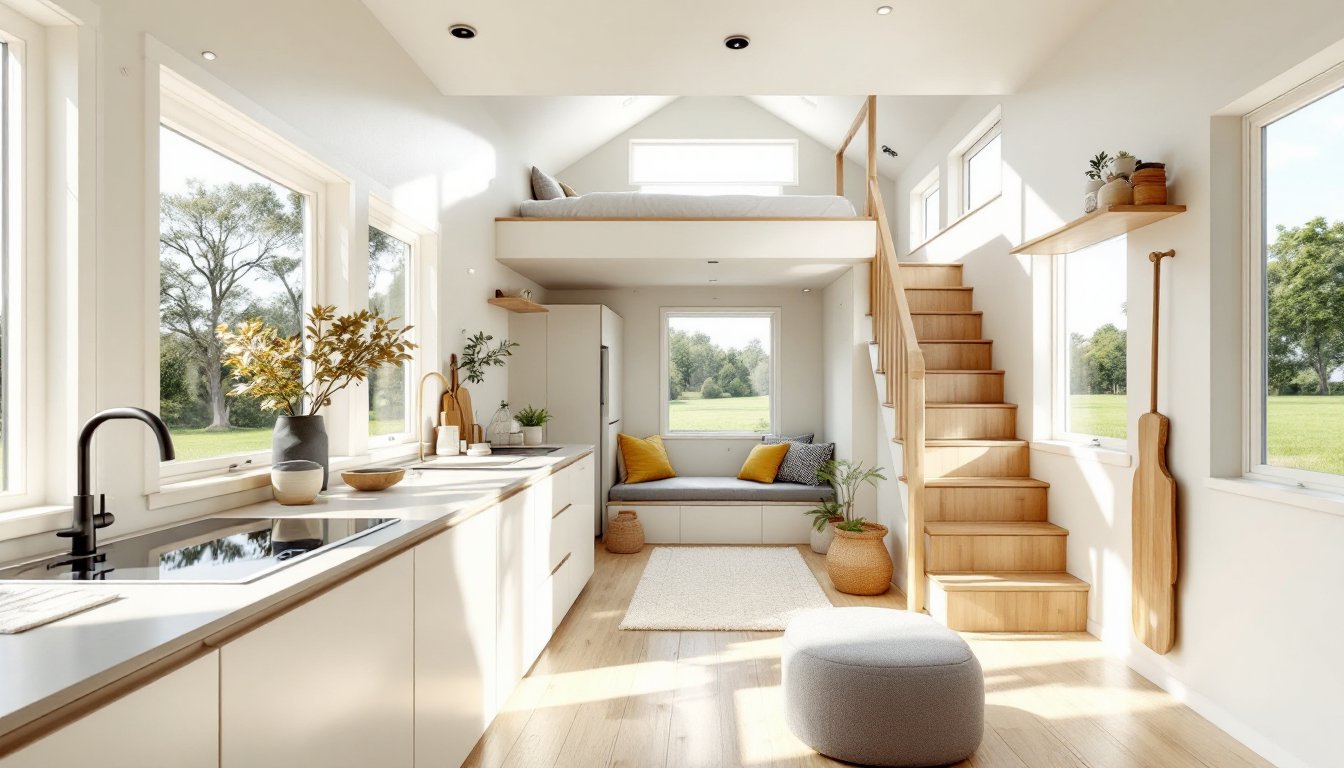
Cold, stark minimalism has given way to warmer interpretations. This trend keeps clutter-free spaces but adds warmth through natural wood tones, cream-colored textiles, and curved furniture edges. Homeowners want calm environments without sacrificing coziness.
Biophilic Design
Bringing nature indoors continues to grow in popularity. Interior design trends for 2025 emphasize living plants, natural light optimization, and organic materials like stone, bamboo, and linen. Studies show biophilic elements reduce stress and improve air quality.
Bold Color Returns
After years of neutral dominance, saturated colors are making a comeback. Deep terracotta, forest green, and rich burgundy appear on accent walls and upholstery. These shades add personality without overwhelming a space.
Multifunctional Spaces
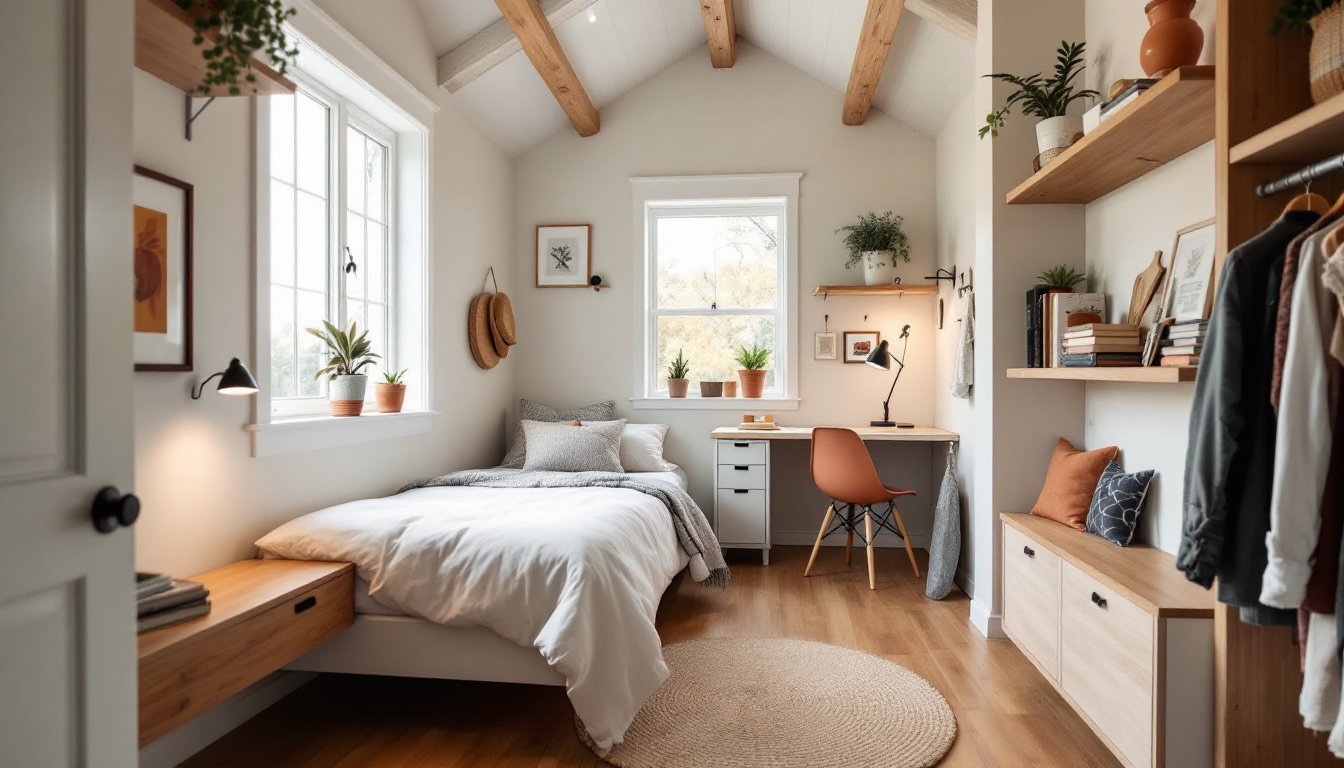
Remote work has permanently changed interior design trends. Home offices double as guest rooms. Living rooms serve as yoga studios. Furniture that transforms, like murphy beds and expandable tables, addresses limited square footage.
Vintage Revival
2025 interior design trends show increased interest in vintage and secondhand pieces. Antique furniture, retro lighting fixtures, and thrifted decor add character while reducing waste. This approach also helps homeowners create unique spaces that stand apart from mass-produced looks.
Sustainable Materials
Recycled, reclaimed, and responsibly sourced materials dominate current interior design trends. Cork flooring, recycled glass countertops, and FSC-certified wood products appeal to environmentally conscious consumers.
How Interior Design Trends Emerge and Evolve
Interior design trends don’t appear randomly. They follow patterns influenced by broader cultural and economic forces.
Major design trade shows set the stage. Events like Milan Design Week and Maison et Objet in Paris showcase new products and concepts. Industry professionals attend these exhibitions, then spread ideas through their work and media coverage.
Social media accelerates trend cycles dramatically. Pinterest, Instagram, and TikTok expose millions of users to new interior design trends daily. A viral room makeover can spark a movement overnight. This speed creates both opportunities and challenges. Trends spread faster but also fade more quickly.
Economic conditions shape design preferences. Recessions often trigger interest in DIY projects and budget-friendly updates. Prosperous periods encourage investment in luxury materials and professional design services.
Generational shifts influence interior design trends significantly. As millennials and Gen Z enter peak home-buying years, their values, sustainability, authenticity, and flexibility, reshape the market. These groups prefer experiences over possessions and favor versatile spaces over formal rooms.
Technology continues to impact interior design trends. Smart home integration affects how people plan lighting, temperature, and entertainment systems. Virtual reality tools let consumers preview changes before committing. 3D printing opens possibilities for custom furniture and decor.
Global events leave lasting marks on design preferences. The pandemic accelerated home office trends and sparked interest in outdoor living spaces. Climate concerns push sustainable and energy-efficient solutions forward.
Incorporating Trends Into Your Home
Following interior design trends doesn’t require a complete renovation. Smart strategies help homeowners update their spaces without overspending.
Start small. Test trends through accessories before making permanent changes. A trendy lamp, rug, or set of cushions costs less than repainting an entire room. If the style works, expand gradually.
Mix trends with classics. Pair fashionable accent pieces with timeless furniture investments. A classic neutral sofa lasts through multiple interior design trends when accessorized differently each season.
Consider your lifestyle. Not every trend suits every household. Families with young children might skip delicate materials. Pet owners should choose fabrics that resist scratching and staining.
Rent before buying. Some furniture rental services let consumers try trendy pieces without long-term commitment. This approach works well for expensive items like statement chairs or designer lighting.
Focus on one room. Updating an entire home at once overwhelms most budgets and decision-making abilities. Concentrate interior design trends in one space, perfect it, then move to the next.
Trust personal taste. The best interiors reflect the people who live in them. If a popular trend doesn’t appeal, skip it. Authentic spaces outperform trendy ones in long-term satisfaction.
Plan for change. Build flexibility into design choices. Neutral wall colors allow bold accent swaps. Modular furniture adapts to shifting interior design trends without replacement.