Table of Contents
ToggleTop interior design trends in 2026 favor warmth, personality, and purpose. Homeowners want spaces that feel lived-in yet polished. They’re moving away from stark, sterile aesthetics and embracing rooms with character.
This year brings a mix of earthy minimalism, bold color choices, and sustainable materials. Curved furniture softens hard lines. Vintage pieces sit next to modern designs. These shifts reflect how people actually live, and what they value.
Here’s a look at the top interior design trends defining homes this year.
Key Takeaways
- Top interior design trends in 2026 prioritize warmth, personality, and sustainability over stark, sterile aesthetics.
- Warm minimalism pairs clean lines with natural materials like linen, wood, and bouclé fabric to create inviting spaces.
- Bold color palettes featuring deep greens, terracottas, and navy blues are replacing years of neutral dominance.
- Sustainable design choices—including reclaimed wood, vintage furniture, and low-VOC paints—are becoming essential, not optional.
- Curved furniture and soft silhouettes are replacing sharp edges to create more comfortable, approachable living spaces.
- Blending vintage pieces with modern elements adds character and supports eco-friendly living by reducing new production demand.
Warm Minimalism and Organic Textures
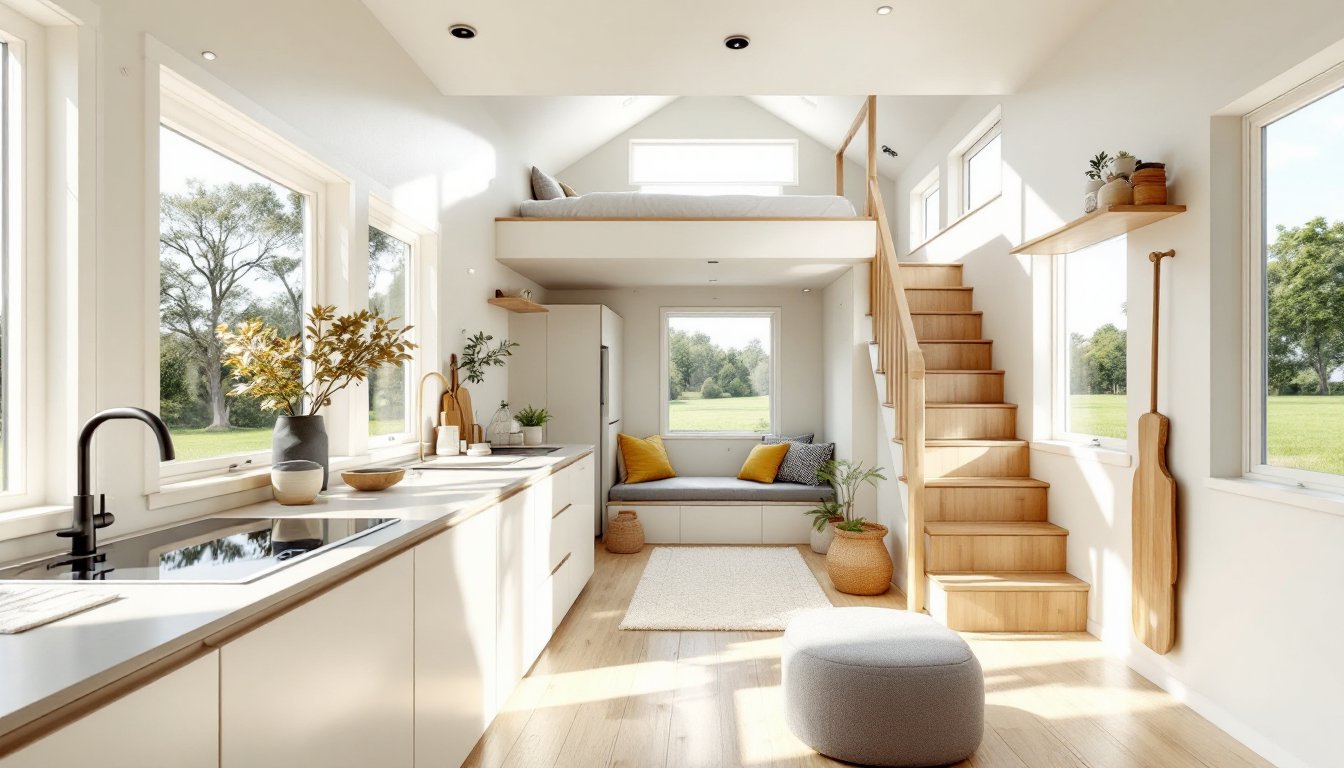
Warm minimalism dominates 2026 interior design trends. This approach keeps the clean lines of traditional minimalism but adds warmth through natural materials and soft tones.
Think cream walls instead of stark white. Imagine linen curtains, wood furniture with visible grain, and woven baskets for storage. The goal is a space that feels calm without feeling cold.
Organic textures play a big role here. Bouclé fabric on sofas and chairs remains popular. Jute rugs anchor living rooms. Stone and terracotta accents bring earthiness indoors.
Designers recommend layering textures to create depth. A room might feature a leather chair, a wool throw, and ceramic vases. Each piece adds visual interest while maintaining a cohesive palette.
This trend works well in any home size. Small apartments benefit from the uncluttered approach. Larger homes gain warmth without excess. It’s minimalism that actually feels inviting.
Bold Color Palettes and Statement Walls
After years of neutrals, bold colors are back among the top interior design trends. Homeowners are choosing saturated hues that make a statement.
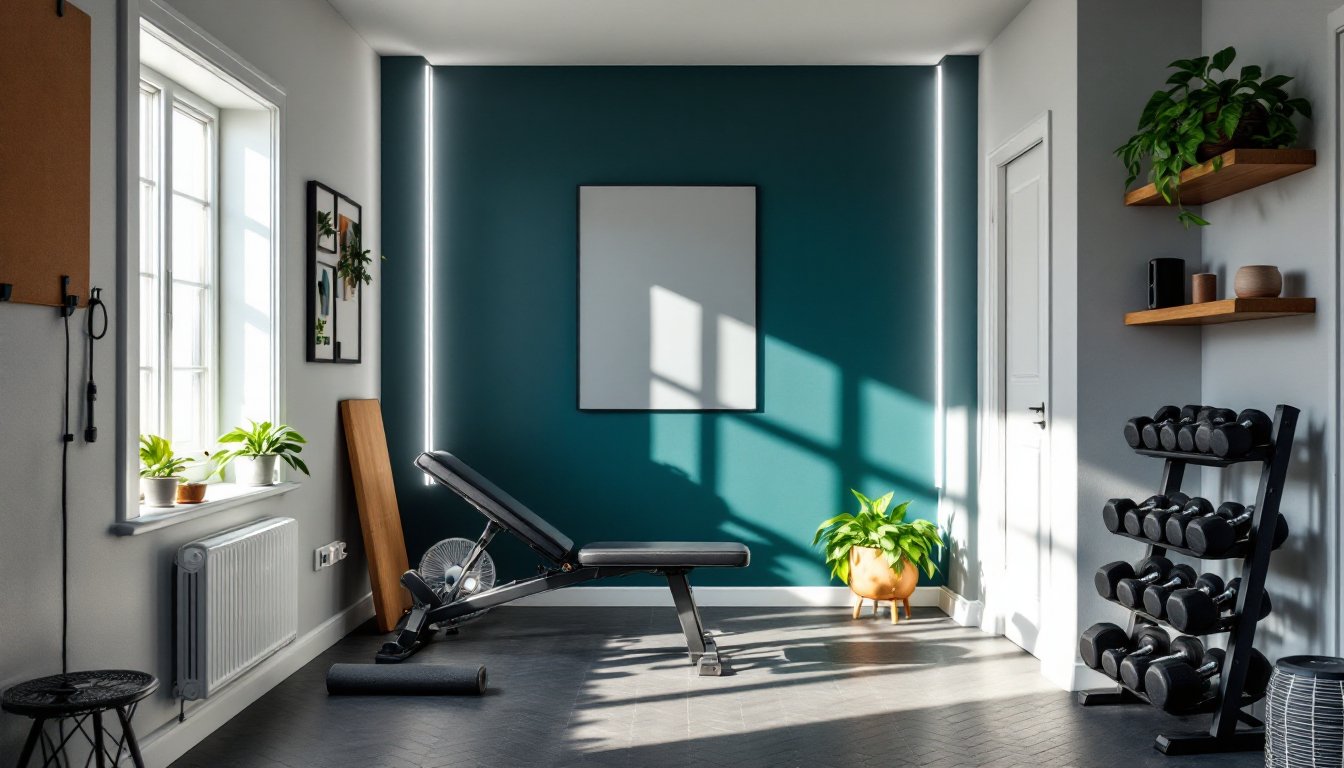
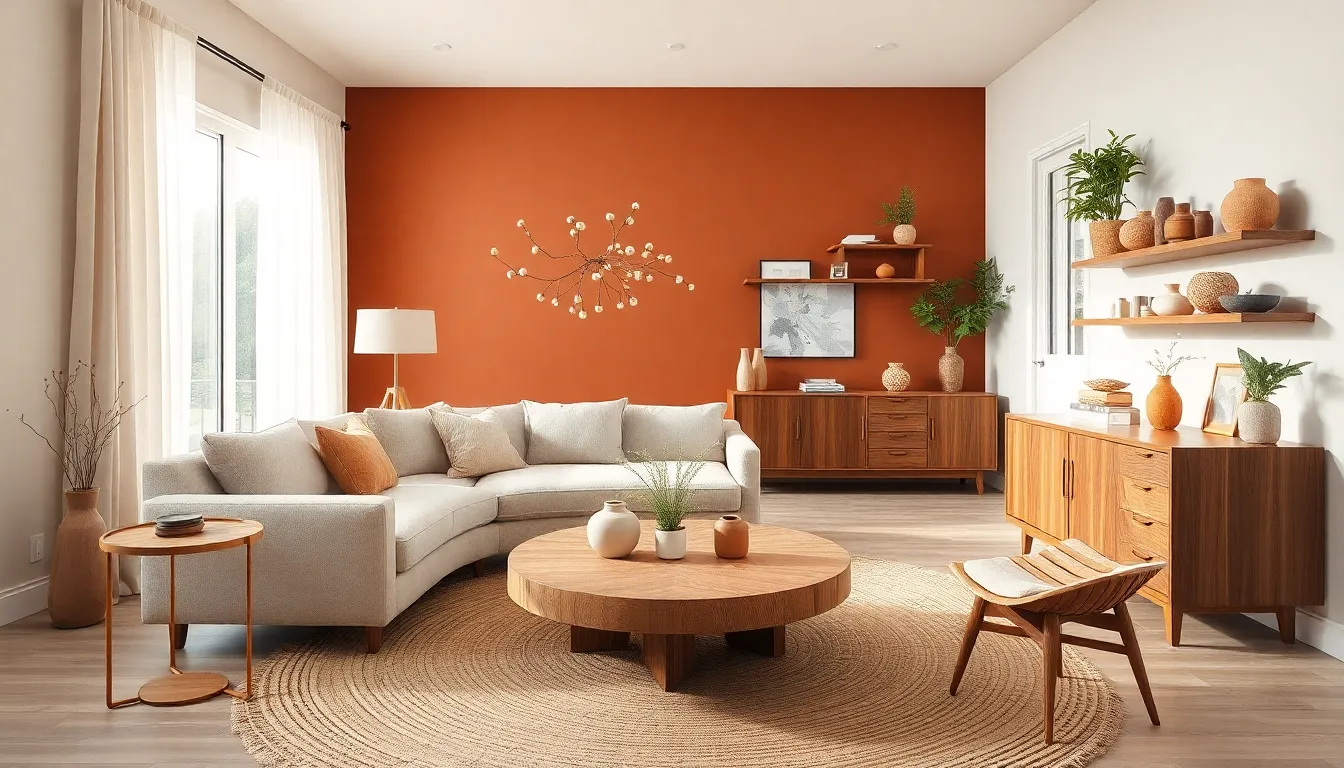
Deep greens, rich terracottas, and warm ochres appear on walls, cabinetry, and furniture. Navy blue remains a favorite for offices and bedrooms. Burnt orange adds energy to living spaces.
Statement walls have evolved beyond simple accent colors. Designers now use textured paint finishes, limewash techniques, and color blocking. Some homeowners paint their ceilings a contrasting shade for unexpected drama.
The key is confidence. A single bold wall can transform a room. A fully saturated space makes a memorable impression.
Color also shows up in unexpected places. Kitchen cabinets in forest green. Bathroom tiles in terracotta. Entry doors painted deep plum. These choices add personality without overwhelming a space.
For those hesitant about commitment, bold textiles offer a starting point. A jewel-toned sofa or colorful curtains can test the waters before painting begins.
Sustainable and Eco-Friendly Design Choices
Sustainability influences the top interior design trends more than ever. Homeowners want beautiful spaces that don’t harm the planet.
Reclaimed wood finds new life as flooring, shelving, and furniture. Recycled glass becomes countertops and decorative objects. Cork and bamboo offer renewable alternatives to traditional materials.
Furniture made from certified sustainable sources commands attention. Brands now highlight their environmental practices. Consumers research supply chains before purchasing.
Vintage and secondhand shopping supports this trend. Estate sales, antique shops, and online marketplaces provide unique pieces with history. Buying used reduces demand for new production.
Natural paints and finishes matter too. Low-VOC and zero-VOC options protect indoor air quality. Plant-based stains replace chemical-heavy alternatives.
Energy efficiency connects to design choices. Proper window treatments reduce heating and cooling costs. Strategic furniture placement maximizes natural light.
This trend isn’t just ethical, it often results in more interesting spaces. Sustainable choices tend to have more character than mass-produced alternatives.
Curved Furniture and Soft Silhouettes
Curved furniture ranks high among 2026’s top interior design trends. Sharp edges are giving way to rounded forms that feel approachable and comfortable.
Sofas with rounded backs and arms dominate showrooms. Circular coffee tables replace rectangular ones. Arched mirrors and doorways soften architectural lines.
This shift reflects a desire for comfort. Curved pieces invite people to sit and stay. They create better flow in open floor plans. Traffic moves easily around rounded corners.
The trend extends beyond furniture. Light fixtures feature organic shapes. Decorative objects embrace asymmetry. Even built-ins incorporate curves through arched niches and rounded shelving.
Designers pair curves with straight lines for balance. A round dining table might sit beneath a linear chandelier. A curved sofa faces a rectangular fireplace. This contrast keeps rooms visually interesting.
Colors for curved pieces tend toward warm neutrals and soft earth tones. But some homeowners choose bold curved furniture as statement pieces, a red kidney-shaped sofa, for instance.
Blending Vintage With Modern Elements
Mixing old and new defines one of the most enduring top interior design trends. The best rooms feel collected over time, not purchased all at once.
Vintage furniture brings soul to modern spaces. A mid-century credenza works alongside a contemporary sofa. An antique dining table pairs with sleek modern chairs. These combinations create visual tension that keeps things interesting.
Heirloom pieces carry extra meaning. Grandma’s lamp or a parent’s bookshelf connects a home to family history. These items can’t be replicated or purchased new.
Modern technology hides within vintage aesthetics. A refurbished antique cabinet conceals a television. Classic record players get wireless upgrades. The result is function without sacrificing style.
Thrift stores and estate sales become treasure hunts. Buyers look for quality construction and interesting silhouettes. A fresh coat of paint or new hardware can update tired pieces.
This approach also supports sustainability goals. Every vintage purchase keeps something out of landfills. It reduces demand for new manufacturing.
The mix-and-match philosophy removes pressure to achieve a “perfect” coordinated look. Rooms feel more personal when they tell a story.