Table of Contents
ToggleInterior design trends in 2025 reflect a shift toward comfort, sustainability, and personal expression. Homeowners want spaces that feel grounded and intentional. They’re moving away from sterile minimalism and embracing warmth, texture, and purpose. This year’s most popular interior design trends blend natural elements with bold creativity. From earthy color palettes to curved furniture silhouettes, these styles transform living spaces into personal retreats. Whether someone is renovating a single room or designing an entire home, understanding these interior design trends helps create spaces that feel both current and timeless.
Key Takeaways
- Interior design trends in 2025 prioritize comfort, sustainability, and personal expression over sterile minimalism.
- Natural materials like wood, stone, and rattan paired with earthy tones create warm, timeless spaces that age beautifully.
- Curved furniture and organic shapes replace sharp angles, improving traffic flow and creating more inviting living areas.
- Sustainable choices—including recycled materials, low-VOC paints, and vintage furniture—are now essential to modern interior design trends.
- Bold accent colors and statement pieces add personality when balanced against neutral backgrounds.
- Multifunctional spaces with clever storage and zoning techniques address the practical demands of modern living.
Embracing Natural Materials and Earthy Tones
Natural materials dominate interior design trends this year. Designers and homeowners choose wood, stone, rattan, and linen to bring warmth into their spaces. These materials add texture and visual interest without overwhelming a room.
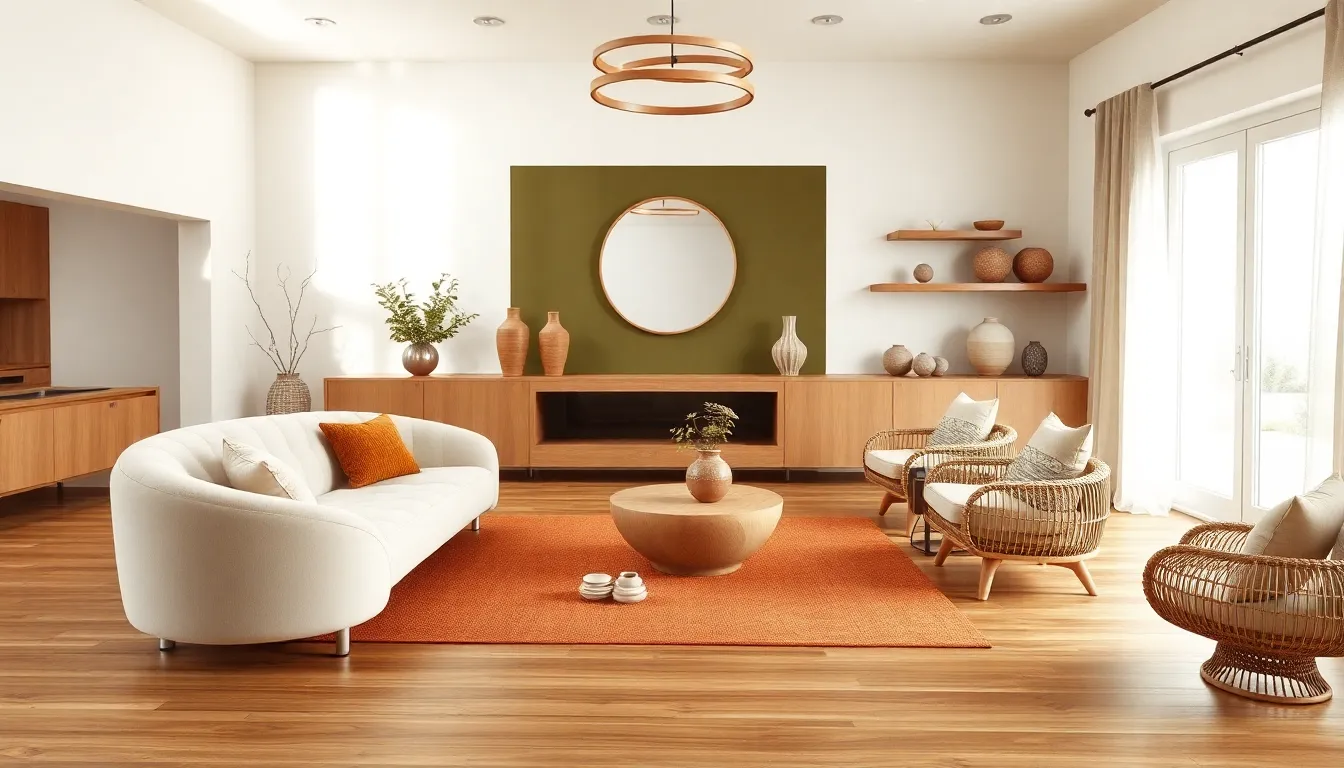
Wood remains a favorite across interior design trends. Light oak, walnut, and reclaimed timber appear in flooring, furniture, and accent pieces. Stone countertops and backsplashes continue to gain popularity, especially in kitchens and bathrooms. Rattan and wicker furniture add a relaxed, organic feel to living rooms and bedrooms.
Earthy tones complement these natural materials perfectly. Terracotta, warm beige, olive green, and soft browns create calm, inviting atmospheres. These colors work well as wall paint, upholstery fabrics, and decorative accessories. Many designers pair earthy tones with crisp white or cream to maintain brightness.
The appeal of natural materials extends beyond aesthetics. They often age beautifully, developing character over time. A wooden dining table gains patina with use. Linen curtains soften with each wash. This quality makes natural materials a smart investment for anyone following current interior design trends.
The Rise of Curved Furniture and Organic Shapes
Sharp angles are giving way to curves in 2025’s interior design trends. Sofas with rounded backs, circular coffee tables, and arched doorways create softer, more inviting spaces. This shift reflects a desire for comfort and flow in modern homes.
Curved furniture pieces serve as focal points in living areas. A kidney-shaped sofa or a round ottoman draws the eye and encourages relaxation. These shapes feel approachable and comfortable. They also improve traffic flow, as people naturally move around curved edges more easily than sharp corners.
Arched architectural elements reinforce this trend. Interior designers add arched doorways, curved niches, and rounded mirrors to break up straight lines. These features add visual interest and soften the geometry of a room.
Organic shapes appear in lighting fixtures, vases, and artwork too. Sculptural pendant lights with flowing forms become conversation pieces. Irregular ceramic vases and abstract sculptures add artistic touches. These interior design trends encourage creativity and personal expression throughout the home.
Sustainable and Eco-Conscious Design Choices
Sustainability shapes many interior design trends in 2025. Homeowners prioritize eco-friendly materials, ethical manufacturing, and long-lasting quality. This approach benefits both the environment and the people living in these spaces.
Recycled and upcycled materials appear frequently in sustainable design. Furniture made from reclaimed wood, recycled metal, and repurposed textiles reduces waste. Many manufacturers now offer pieces made from ocean plastics or recycled glass. These options allow homeowners to make responsible choices without sacrificing style.
Low-VOC paints and finishes improve indoor air quality. Traditional paints release volatile organic compounds that can harm health. Low-VOC alternatives reduce these emissions and create healthier living environments. This consideration has become essential in current interior design trends.
Vintage and secondhand furniture also supports sustainability goals. Buying pre-owned pieces keeps items out of landfills and reduces demand for new production. Many designers mix vintage finds with new items for a layered, collected look. This approach creates unique spaces while honoring eco-conscious interior design trends.
Energy-efficient lighting rounds out sustainable design choices. LED bulbs use less electricity and last longer than traditional options. Smart lighting systems allow precise control over brightness and timing, further reducing energy consumption.
Bold Colors and Statement Accents
While earthy tones remain popular, bold colors make strong statements in 2025’s interior design trends. Deep blues, rich greens, and warm terracottas add drama and personality to rooms. Many homeowners use these colors strategically for maximum impact.
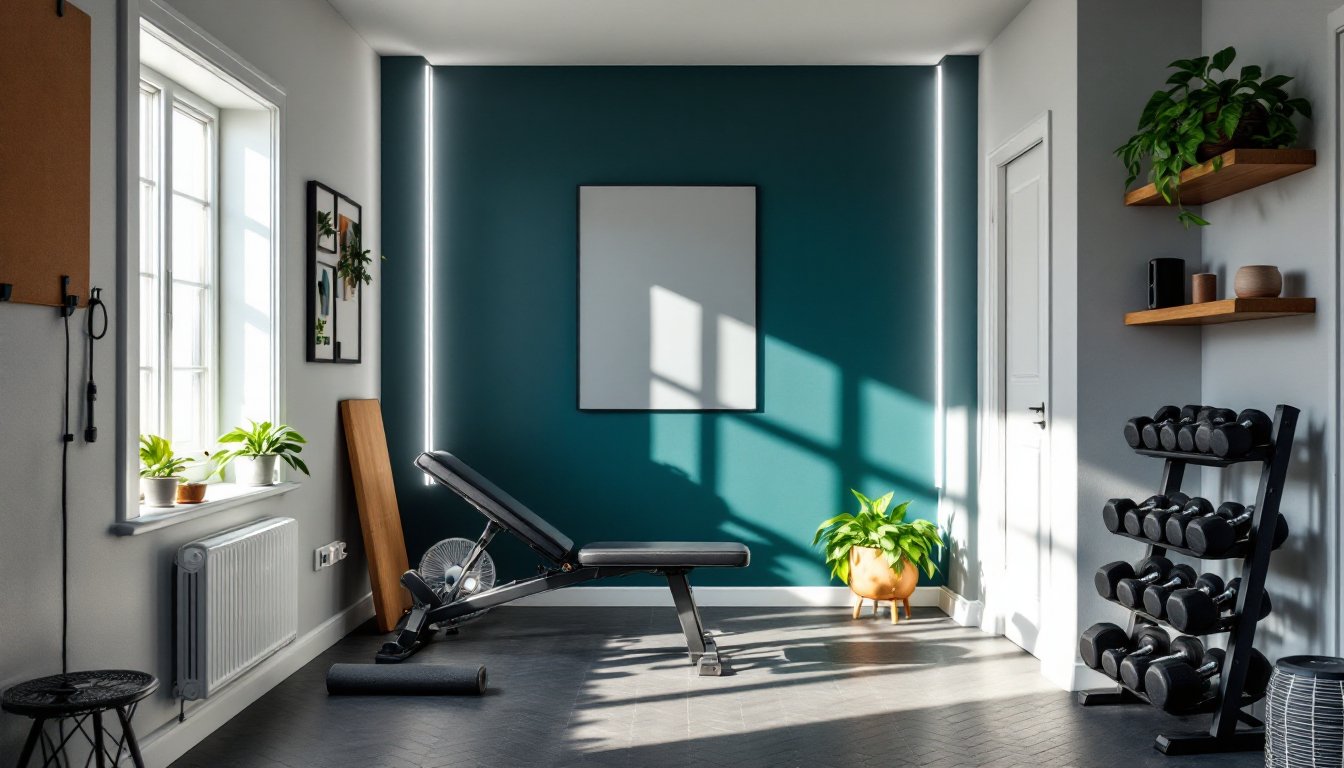
Accent walls offer an easy way to incorporate bold color. A single wall painted in deep navy or forest green transforms a bedroom or living room. This technique adds visual depth without committing to color on every surface.
Statement furniture pieces also embrace bold hues. A jewel-toned velvet sofa or a bright yellow armchair becomes the centerpiece of a room. These pieces work especially well against neutral backgrounds. Interior design trends favor this balanced approach to color.
Accessories provide flexibility for those hesitant about permanent color choices. Bold throw pillows, vibrant artwork, and colorful ceramics inject personality. These items can be swapped seasonally or as tastes change. This strategy allows homeowners to experiment with interior design trends without major commitments.
Pattern mixing adds another layer of visual interest. Designers combine stripes with florals, geometric prints with organic motifs. The key lies in maintaining a cohesive color palette across different patterns.
Multifunctional Spaces for Modern Living
Modern lifestyles demand flexible spaces, and interior design trends respond accordingly. Rooms now serve multiple purposes: a living room doubles as a home office, a guest bedroom becomes a gym, and a dining area transforms into a workspace.
Clever furniture solutions make multifunctional design possible. Murphy beds fold into walls, freeing floor space during the day. Extendable dining tables accommodate both daily meals and large gatherings. Modular sofas reconfigure for different activities and group sizes.
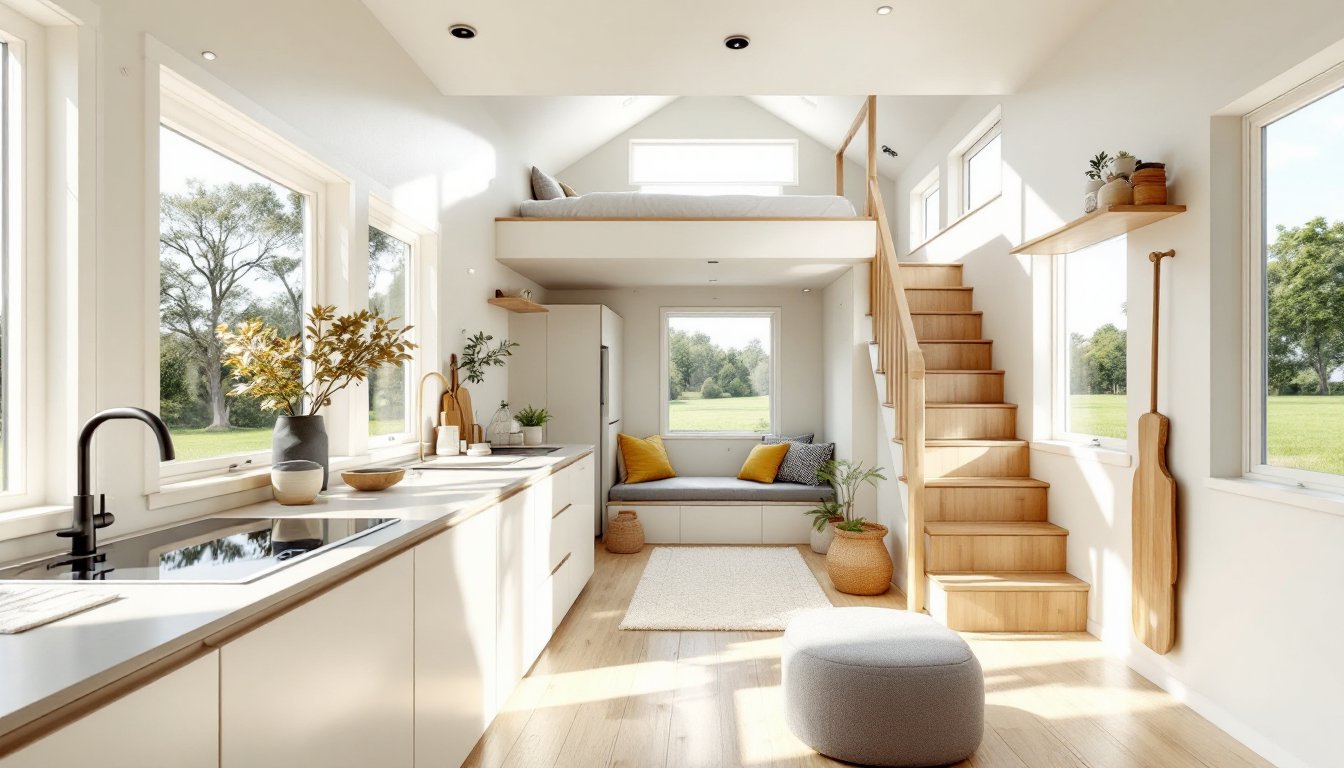
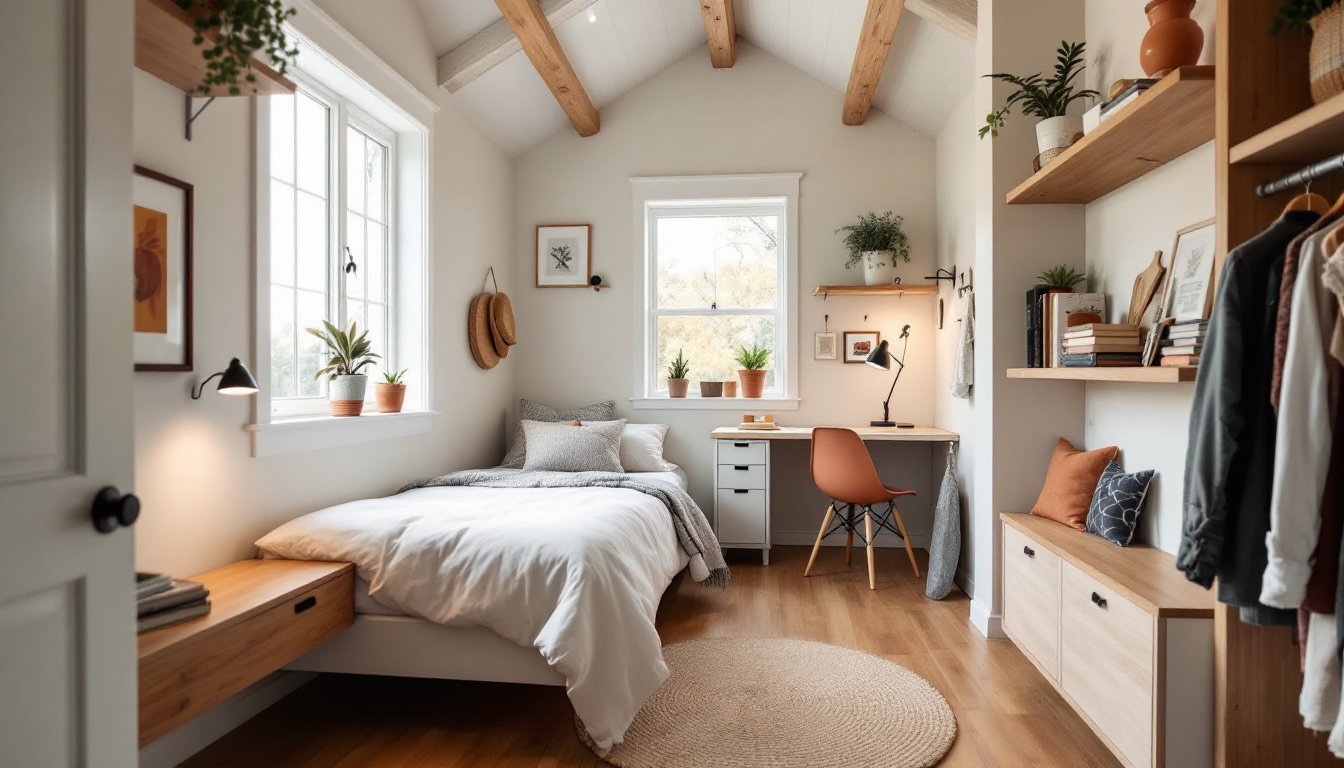
Storage integration keeps multifunctional spaces organized. Built-in shelving, hidden cabinets, and furniture with storage compartments maintain order. A coffee table with drawers stores remote controls and magazines. A bench with internal storage holds shoes and bags. These solutions align perfectly with interior design trends prioritizing both form and function.
Zoning techniques define different activities within open floor plans. Area rugs, lighting changes, and furniture arrangement create distinct zones. A pendant light over a dining table signals that space’s purpose. A reading nook with a comfortable chair and lamp creates a quiet retreat. These strategies help interior design trends address the practical needs of modern households.
Home offices deserve special attention in multifunctional design. A dedicated desk area with good lighting and ergonomic seating supports productivity. When not in use, these workspaces blend into the broader room design.