Table of Contents
ToggleInterior design trends shape the way people live, work, and feel in their spaces. The debate between classic and modern styles remains one of the most common decisions homeowners face. Each approach offers distinct advantages, from the timeless elegance of traditional elements to the sleek simplicity of contemporary aesthetics. This comparison breaks down both styles to help readers make informed choices for their homes.
Key Takeaways
- Classic interior design trends emphasize symmetry, rich wood tones, and ornate details inspired by 18th and 19th-century European aesthetics.
- Modern interior design trends prioritize minimalism, neutral colors, clean geometric lines, and functional living spaces.
- Both styles offer longevity when executed with quality materials—classic designs reference enduring aesthetics while modern principles of simplicity remain timeless.
- Your home’s architecture should guide your style choice, as working with existing features creates more cohesive interior design.
- A hybrid approach blending classic and modern interior design trends adds personality and prevents spaces from feeling like showrooms.
- Start with a single room to test your preferred style before committing to a full home redesign.
Defining Classic Interior Design
Classic interior design draws inspiration from European traditions, particularly 18th and 19th-century aesthetics. This style emphasizes symmetry, rich materials, and ornate details that create a sense of permanence.
Key characteristics of classic interior design include:
- Rich wood tones: Dark woods like mahogany, cherry, and walnut dominate furniture pieces
- Ornate moldings: Crown moldings, wainscoting, and decorative trim add architectural interest
- Symmetrical arrangements: Furniture placement follows balanced, mirror-image layouts
- Luxurious fabrics: Velvet, silk, and brocade appear in upholstery and drapery
- Antique accents: Chandeliers, gilded frames, and heirloom pieces complete the look
Classic interior design trends favor warm color palettes. Think deep burgundies, forest greens, and cream tones. These spaces often feature patterned rugs, heavy curtains, and layered textures.
The style works especially well in homes with existing architectural details. Older homes with high ceilings and large windows complement classic design naturally. But, any space can adopt these principles with the right furniture and accessories.
Key Elements of Modern Interior Design
Modern interior design emerged in the early 20th century as a response to ornate Victorian styles. Architects and designers stripped away excess decoration to focus on function and clean lines.
Modern interior design trends prioritize these core elements:
- Minimalist approach: Less furniture, more open space
- Neutral color schemes: White, gray, black, and beige form the foundation
- Clean geometric lines: Furniture features straight edges and simple shapes
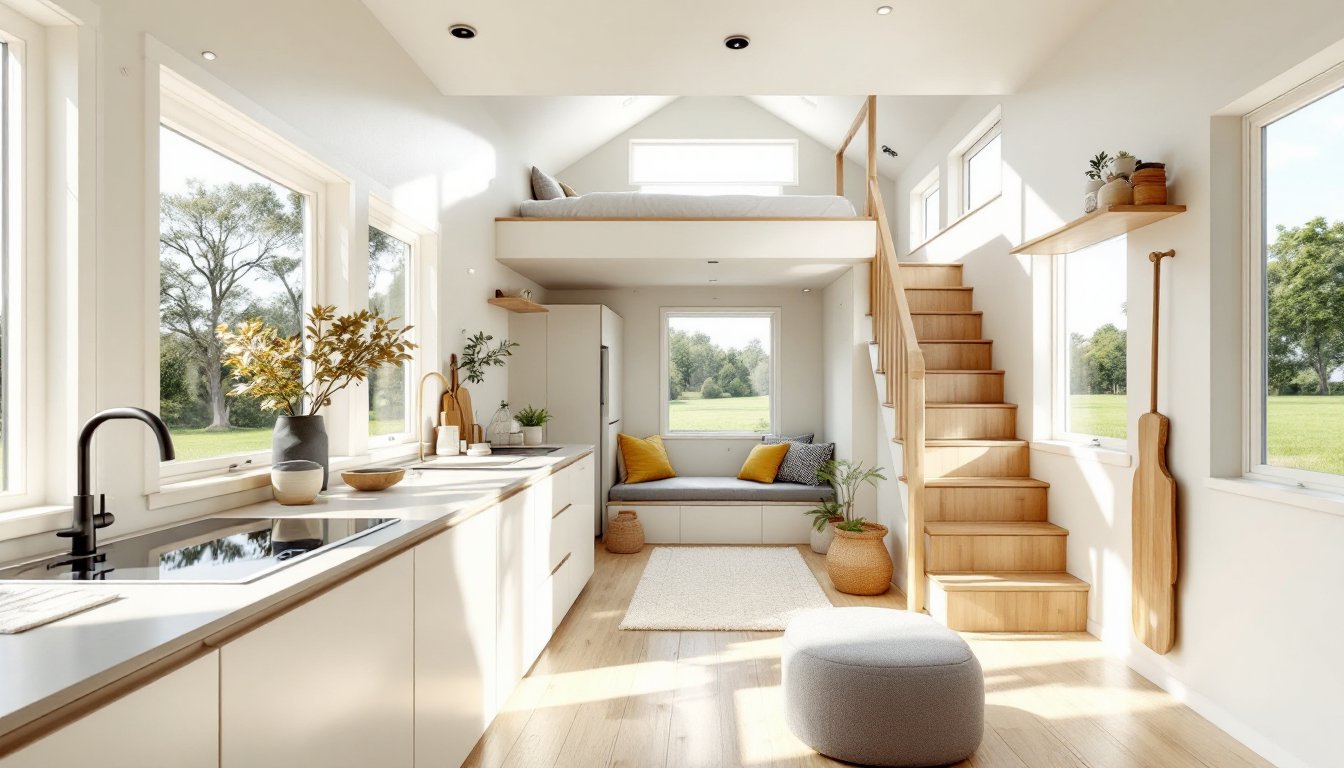
- Natural light: Large windows and open floor plans maximize brightness
- Industrial materials: Steel, glass, and concrete appear alongside natural wood
Functionality drives every decision in modern design. Each piece serves a purpose. Storage solutions stay hidden. Surfaces remain uncluttered.
Modern spaces also embrace negative space as a design element. Empty walls and open areas create visual calm. This stands in stark contrast to the layered richness of classic interiors.
Popular modern interior design trends include statement lighting fixtures, abstract art, and indoor plants that add organic warmth to otherwise minimal spaces.
Comparing Aesthetics, Functionality, and Longevity
Interior design trends differ significantly between classic and modern styles across three main categories.
Aesthetics
Classic design creates warmth through rich colors, textures, and decorative elements. Rooms feel established and lived-in. Modern design achieves visual impact through simplicity and bold contrasts. Spaces appear crisp and intentional.
Neither approach is inherently better. Personal preference and lifestyle determine which aesthetic resonates more.
Functionality
Modern interior design trends emphasize practical living. Open floor plans support contemporary lifestyles where cooking, dining, and relaxing happen in connected spaces. Furniture often serves multiple purposes.
Classic design separates spaces by function. Formal living rooms, dedicated dining areas, and private studies create distinct zones. This approach suits those who prefer defined boundaries between activities.
Longevity
Classic interior design trends have proven staying power. These styles have remained popular for centuries because they reference enduring aesthetics rather than passing fads.
Modern design, while technically dating back over 100 years, continues to evolve. What feels current today may look dated in a decade. But, the core principles of simplicity and function remain timeless.
Both styles can last when executed thoughtfully. Quality materials and careful curation matter more than the specific style chosen.
How to Choose the Right Style for Your Space
Selecting between classic and modern interior design trends depends on several practical factors.
Consider the architecture. A 1920s Tudor home naturally suits classic design. A newly built loft apartment lends itself to modern aesthetics. Working with existing architectural features produces more cohesive results than fighting against them.
Assess your lifestyle. Families with young children may find modern design’s minimalism challenging to maintain. Collectors and antique enthusiasts often gravitate toward classic interiors that showcase their treasures.
Think about maintenance. Modern interior design trends require regular decluttering to maintain their clean appearance. Classic spaces hide wear and imperfections more easily but may need more dusting and upkeep of decorative elements.
Set a budget. Both styles can work at various price points. Modern design often requires fewer pieces, but quality modern furniture can carry premium prices. Classic design may involve more items, though antique stores and estate sales offer budget-friendly options.
Try a hybrid approach. Many successful interiors blend classic and modern interior design trends. A traditional sofa paired with a modern coffee table creates visual interest. Mixing styles adds personality and prevents spaces from feeling like showrooms.
Start small before committing fully. A single room can serve as a testing ground for either style.