Table of Contents
ToggleInterior design trends in 2026 are shaping up to reflect a clear shift in how people want to live. Homeowners and designers alike are moving away from fast, disposable aesthetics. Instead, they’re embracing spaces that feel intentional, sustainable, and deeply personal.
This year’s trends balance style with substance. Expect to see eco-conscious materials, calming color palettes, and designs that bring the outdoors in. At the same time, bold statements and flexible layouts are gaining ground. These interior design trends in 2026 aren’t just about looking good, they’re about living better.
Key Takeaways
- Interior design trends in 2026 prioritize sustainability, with eco-friendly materials like reclaimed wood, cork, and low-VOC paints becoming the standard.
- Warm minimalism replaces cold, sterile aesthetics by combining clean spaces with rich textures, earthy tones, and high-quality craftsmanship.
- Bold colors like deep greens, terracottas, and saturated blues are making a confident comeback as primary design choices, not just accents.
- Biophilic design continues to dominate, bringing large indoor plants, natural light, and organic shapes into homes to reduce stress and boost well-being.
- Multifunctional and flexible spaces are essential in 2026, with modular furniture and zoned layouts adapting to work, relaxation, and entertainment needs.
- Interior design trends in 2026 focus on intentional living—spaces that reflect personal values while balancing style with practical function.
Sustainable and Eco-Friendly Materials
Sustainability isn’t a buzzword anymore. It’s a baseline expectation for interior design trends in 2026. Consumers want materials that look great and don’t harm the planet. Designers are responding with creative solutions.
Reclaimed wood continues to dominate flooring and furniture choices. It adds character while reducing demand for new timber. Cork and bamboo are also popular picks, they grow quickly and regenerate without replanting.
Recycled metals and glass are showing up in light fixtures, hardware, and decorative accents. These materials offer a modern edge without the environmental cost of mining new resources.
Low-VOC paints and finishes have become standard. They release fewer harmful chemicals into indoor air, making homes healthier. Natural fiber textiles like organic cotton, linen, and hemp are replacing synthetic fabrics in upholstery and curtains.
Even concrete is getting a green makeover. New formulations use recycled aggregates and produce less carbon during manufacturing. The result? Durable surfaces with a smaller footprint.
The push for eco-friendly materials reflects a larger cultural shift. People want their homes to align with their values. In 2026, sustainable design isn’t optional, it’s expected.
Warm Minimalism and Quiet Luxury
Cold, sterile minimalism is out. Warm minimalism is one of the defining interior design trends in 2026. This style keeps spaces clean and clutter-free but adds warmth through texture, tone, and quality materials.
Think soft beiges, warm whites, and earthy browns. These neutral palettes create calm without feeling stark. Natural wood grains and stone surfaces add visual interest without overwhelming a room.
Quiet luxury fits perfectly here. It’s about investing in fewer, better pieces rather than filling a space with items. A single handcrafted chair or a well-made linen sofa becomes a focal point. The emphasis is on craftsmanship, not logos or flashy details.
Texture plays a huge role. Bouclé fabrics, ribbed ceramics, and hand-woven rugs add depth to minimal spaces. These tactile elements make rooms feel inviting rather than sparse.
Lighting matters too. Soft, diffused light from paper lanterns or sculptural fixtures reinforces the peaceful vibe. Harsh overhead lights are being replaced with layered lighting schemes.
This trend appeals to people who want simplicity without sacrifice. Warm minimalism proves that less can feel more, when done thoughtfully.
Bold Colors and Statement Textures
While warm minimalism dominates many spaces, bold expression is equally strong among interior design trends in 2026. Color is making a confident comeback.
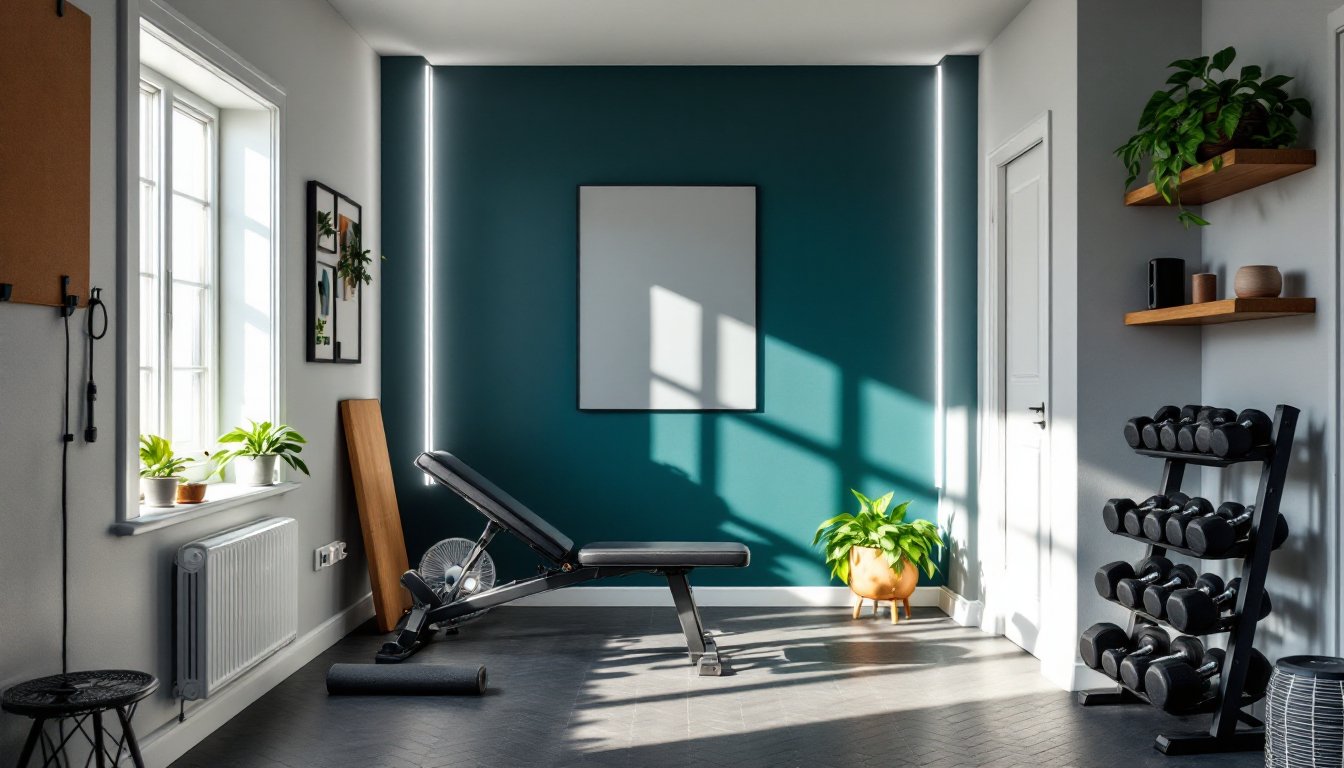
Deep greens, rich terracottas, and saturated blues are appearing on walls, furniture, and cabinetry. These aren’t accent colors, they’re primary choices. A forest green kitchen or a rust-colored living room sets a distinctive mood.
Statement textures amplify the impact. Fluted panels on cabinet doors create shadow and depth. Textured wall treatments like limewash or microcement add dimension without pattern. Velvet upholstery brings softness and visual weight.
Mixing textures is encouraged. Pair a smooth marble countertop with rough-hewn wood shelves. Combine sleek metal fixtures with woven baskets. The contrast creates energy and keeps spaces from feeling flat.
Wallpaper is back in a big way. Large-scale botanical prints, geometric patterns, and abstract designs are popular for accent walls. They’re an easy way to inject personality into a room.
This trend celebrates individuality. It gives permission to make choices that feel personal rather than playing it safe. Bold doesn’t mean chaotic, it means intentional.
Biophilic Design and Nature-Inspired Elements
Biophilic design remains one of the strongest interior design trends in 2026. This approach brings natural elements indoors to improve well-being and create visually appealing spaces.
Indoor plants are everywhere, and they’re getting bigger. Large-scale plants like fiddle leaf figs, monstera, and indoor olive trees serve as living sculptures. Vertical gardens and moss walls offer greenery in compact spaces.
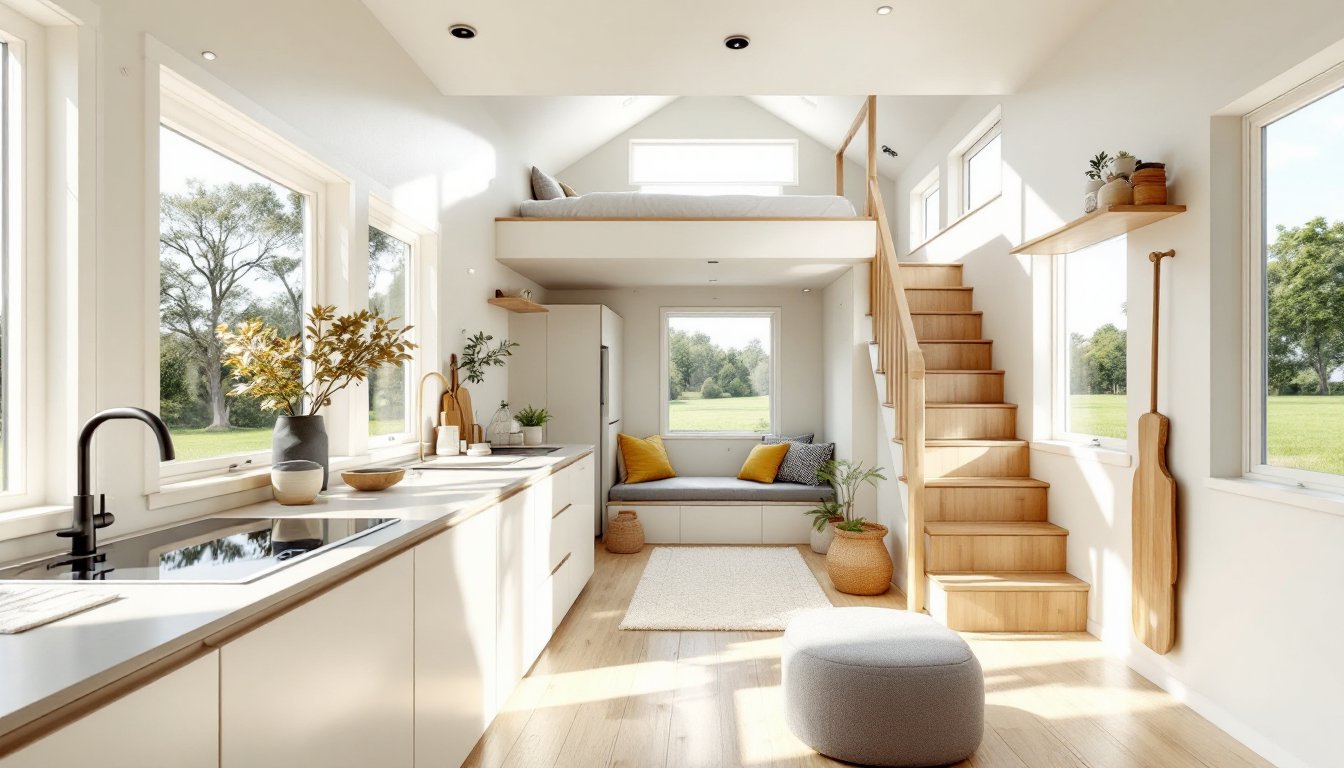
Natural light is a priority. Large windows, skylights, and glass doors connect interior spaces with the outdoors. When natural light is limited, designers use full-spectrum lighting to mimic daylight.
Water features are gaining traction. Small indoor fountains and tabletop water elements add calming sounds and visual movement. They bring a spa-like quality to bedrooms and bathrooms.
Organic shapes influence furniture and décor. Curved sofas, rounded tables, and irregular mirrors soften angular architecture. These forms echo the shapes found in nature.
Natural materials reinforce the connection. Stone, wood, rattan, and clay feel grounding. They age gracefully and develop patina over time, unlike synthetic alternatives.
Biophilic design isn’t just about aesthetics. Studies show it reduces stress, improves focus, and boosts mood. In 2026, homes are becoming sanctuaries.
Multifunctional and Flexible Spaces
How people use their homes has changed. Interior design trends in 2026 reflect this shift with a focus on multifunctional and flexible spaces.
Open floor plans are evolving. Instead of completely open layouts, designers are creating zones within larger rooms. Room dividers, rugs, and furniture arrangement define different areas without permanent walls.
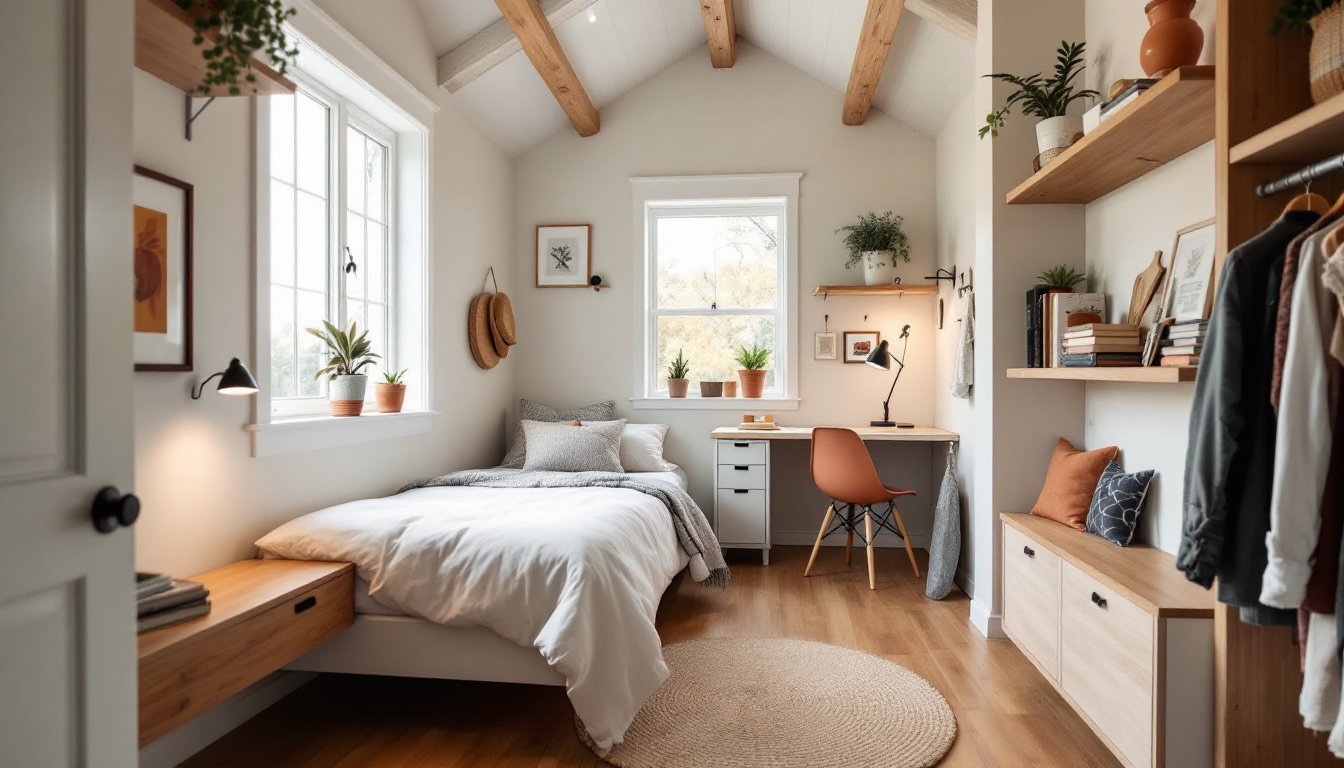
Home offices remain essential. But dedicated office rooms are giving way to integrated workspaces. A desk nook in the living room or a pull-out workspace in the kitchen keeps work accessible without dominating the home.
Furniture is getting smarter. Modular sofas can be reconfigured for different gatherings. Dining tables double as work surfaces. Murphy beds and convertible pieces maximize square footage in smaller homes.
Storage solutions are built-in and hidden. Custom cabinetry conceals everyday items. Furniture with hidden compartments keeps clutter out of sight. The goal is flexibility without visual chaos.
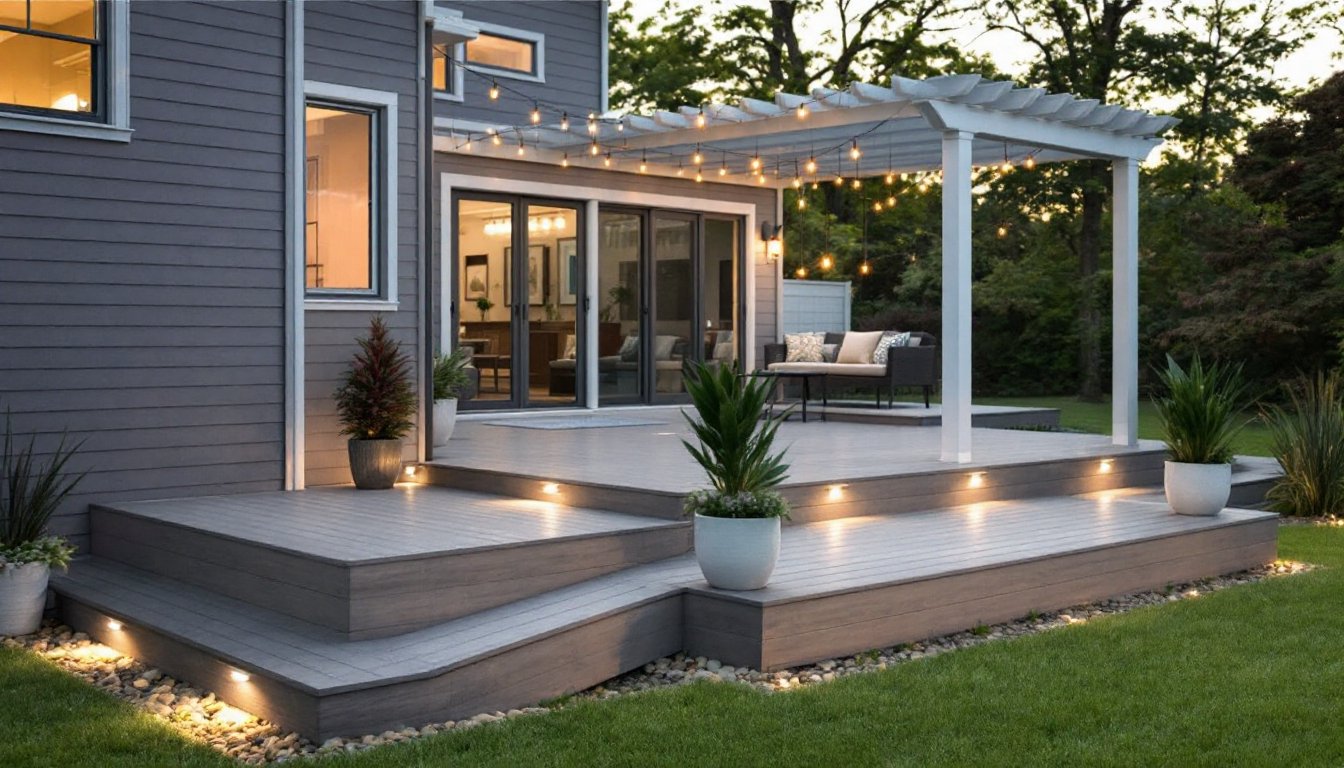
Outdoor spaces are treated as extensions of the interior. Covered patios, screened porches, and outdoor kitchens expand living areas. Weather-resistant furniture and durable materials make these spaces usable year-round.
This trend acknowledges reality. Homes serve multiple purposes now, work, exercise, relaxation, entertainment. Design must adapt.