Table of Contents
ToggleInterior design trends and techniques continue to reshape how people live in their homes. The choices homeowners make, from color palettes to furniture placement, directly affect daily comfort and mood. As 2026 approaches, fresh ideas are emerging alongside time-tested methods that deliver professional results.
This guide breaks down the most impactful interior design trends and techniques shaping modern spaces today. Whether someone wants a complete home makeover or subtle updates, understanding these principles helps create rooms that feel both current and personal.
Key Takeaways
- Warm minimalism, curved furniture, and biophilic design are leading interior design trends heading into 2026, focusing on comfort and natural elements.
- The 60-30-10 rule for color distribution and layered lighting are essential interior design techniques that create balanced, professional-looking spaces.
- Introduce trends through easily changeable items like throw pillows and artwork while keeping big-ticket furniture pieces timeless and neutral.
- Balance color, texture, and light together—mixing smooth and rough surfaces while testing paint samples in actual room conditions prevents costly mistakes.
- Sustainable and budget-friendly design approaches, such as shopping secondhand and investing in quality basics, benefit both your wallet and the environment.
- Mix different eras intentionally to create curated, personal spaces that feel collected rather than decorated.
Emerging Interior Design Trends for 2026
Several interior design trends are gaining momentum as homeowners seek spaces that feel calm, functional, and connected to nature.
Warm Minimalism
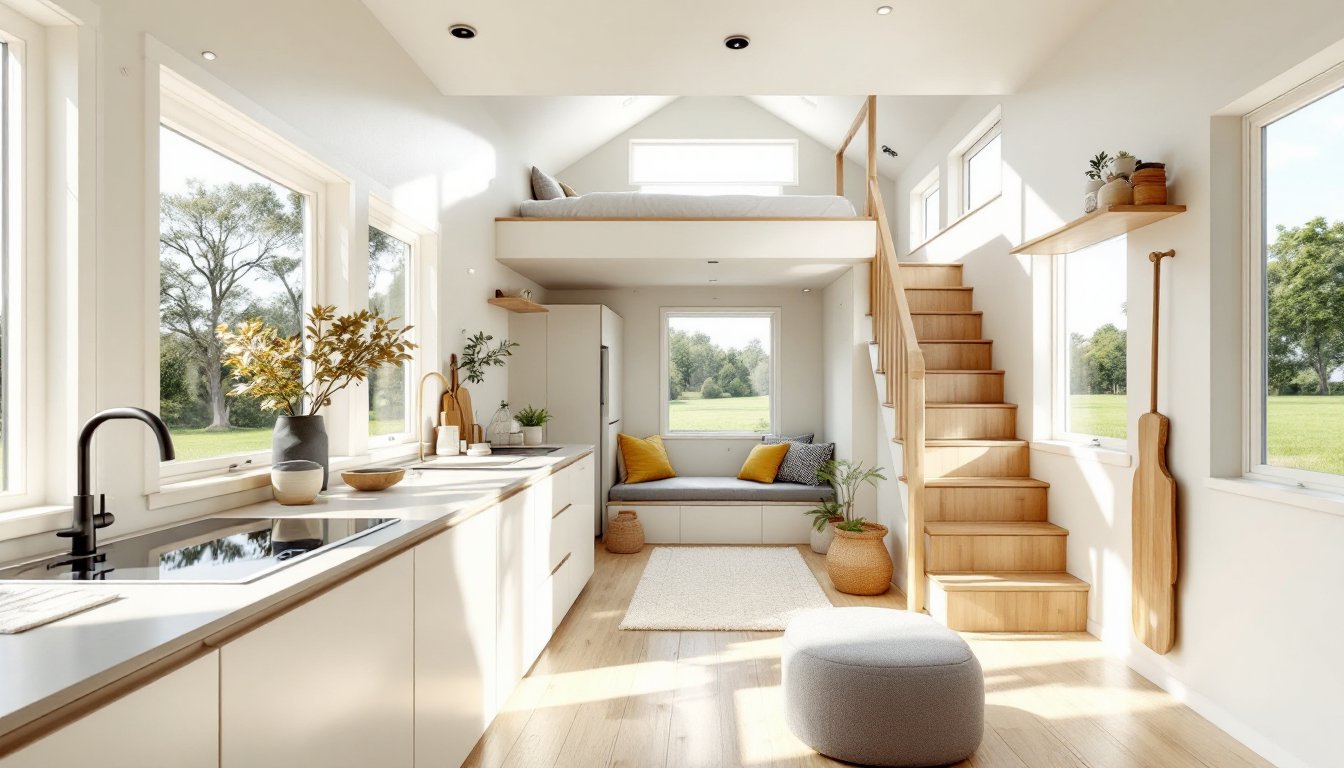
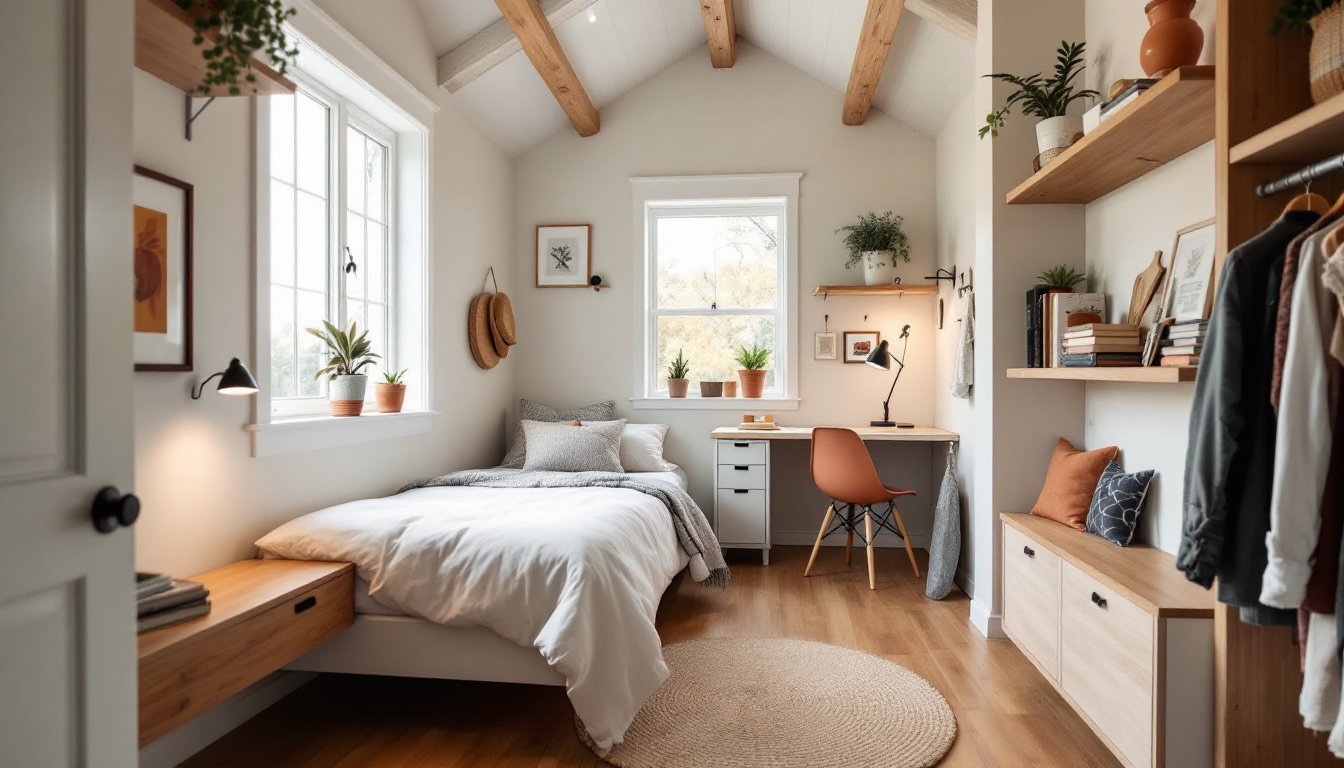
Cold, stark minimalism is fading. The 2026 version keeps clean lines but adds warmth through earthy tones, natural materials, and soft textures. Think cream-colored walls paired with walnut furniture and linen upholstery. This approach removes visual clutter while keeping rooms inviting.
Curved Furniture and Soft Shapes
Sharp angles are giving way to rounded sofas, arched doorways, and oval coffee tables. Curved pieces create flow and soften a room’s energy. They also encourage conversation by drawing people toward the center of a space rather than pushing them to corners.
Bold Stone Surfaces
Marble and granite remain popular, but expect to see more dramatic veining and unexpected color combinations. Green onyx countertops, deep brown travertine floors, and bookmatched stone accent walls are appearing in kitchens and bathrooms. These natural elements serve as focal points.
Vintage Revival
Mid-century modern pieces never left, but now 1970s and 1980s influences are returning. Brass fixtures, smoked glass, and chunky woven textiles add character. Mixing vintage finds with contemporary items creates rooms that feel collected rather than decorated.
Biophilic Design
This trend brings the outdoors inside through plants, natural light, water features, and organic materials. Studies show biophilic design reduces stress and improves focus. Even small additions, a potted fiddle leaf fig or a wooden ceiling beam, make a difference.
Essential Techniques for Achieving Professional Results
Good interior design techniques separate amateur decorating from polished, cohesive spaces. These methods work regardless of budget or style preference.
The 60-30-10 Rule
Professional designers use this color distribution formula. Sixty percent of a room features a dominant color (usually walls and large furniture), thirty percent showcases a secondary color (curtains, accent chairs, bedding), and ten percent adds pops of accent color (pillows, art, decorative objects). This ratio creates visual balance without monotony.
Layered Lighting
A single overhead light flattens a room. Instead, designers combine three types: ambient (general illumination), task (reading lamps, under-cabinet lights), and accent (picture lights, candles). Each layer serves a purpose and adds depth.
Scale and Proportion
Furniture must fit the room’s dimensions. A tiny sofa in a large living room looks lost. An oversized sectional in a small apartment overwhelms. Measuring carefully and leaving adequate walking paths (at least 30 inches) prevents cramped or empty-feeling spaces.
Balancing Color, Texture, and Light
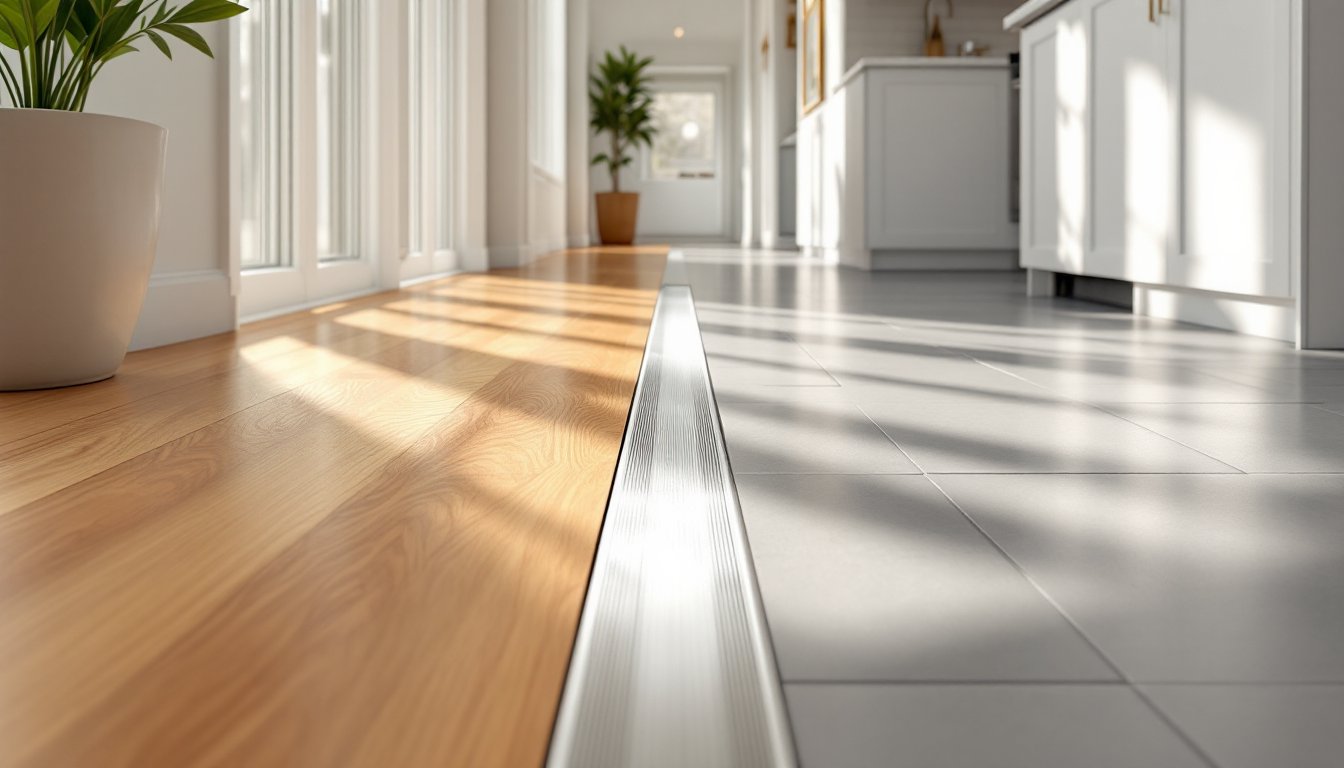
These three elements work together to create atmosphere. A room with excellent color choices can still feel flat without texture variation. Smooth surfaces need rough counterparts, velvet against wood, matte walls near glossy accents.
Light affects how colors appear throughout the day. That perfect gray paint might look blue in northern light or warm in a south-facing room. Testing samples in actual conditions prevents expensive mistakes.
Texture adds visual weight. Heavy textures (chunky knits, shag rugs, brick walls) make spaces feel cozy. Lighter textures (silk, polished metal, glass) create airiness. Mixing both keeps rooms interesting.
Professional designers often squint at a room to check balance. When eyes are partially closed, only light and dark values remain visible. This technique reveals whether contrast is distributed evenly or grouped in one area.
How to Incorporate Trends Without Losing Personal Style
Following every interior design trend creates spaces that feel generic. The goal is selecting what resonates while maintaining a personal point of view.
Start with What They Already Love
Before adding new pieces, homeowners should identify items they genuinely cherish. A family heirloom, a favorite art print, or a comfortable reading chair can anchor a room’s direction. Trends should complement these pieces, not compete with them.
Use Trends in Small Doses
Painting an entire house in the latest color is risky. That shade might feel dated within two years. Instead, introduce trends through easily changeable elements: throw pillows, artwork, small furniture, or accessories. This approach allows updates without major investment.
Focus on Timeless Foundations
Big-ticket items, sofas, dining tables, bed frames, should lean classic. Neutral colors and simple silhouettes have staying power. Save bold choices for smaller, less expensive pieces that can rotate out as tastes evolve.
Mix Eras Intentionally
Rooms that combine different periods feel curated and personal. A modern sectional paired with an antique side table and vintage lighting tells a story. The key is maintaining consistent quality and scale across pieces, even when styles differ.
Trust Instincts Over Influencers
Social media showcases beautiful spaces, but copying someone else’s home rarely satisfies. Personal style develops through experimentation. If a trending color feels wrong, skip it. The best interior design trends and techniques serve the people living in the space, not the algorithm.
Sustainable and Budget-Friendly Design Approaches
Smart interior design techniques don’t require unlimited funds. Sustainable choices often save money while creating distinctive spaces.
Shop Secondhand First
Thrift stores, estate sales, and online marketplaces offer quality furniture at fraction of retail prices. Solid wood pieces from decades past often outlast new mass-produced items. Refinishing or reupholstering gives old furniture new life while keeping it from landfills.
Invest in Quality Basics
Buying cheap furniture repeatedly costs more than purchasing one well-made piece. A sturdy sofa that lasts fifteen years beats three budget versions over the same period. Prioritize quality for daily-use items and save on decorative accessories.
Choose Sustainable Materials
Bamboo, reclaimed wood, recycled metal, and organic fabrics reduce environmental impact. Many sustainable options also age beautifully, developing character over time. Cork flooring, for example, is renewable, comfortable underfoot, and naturally antimicrobial.
DIY Where Skills Allow
Painting walls, installing shelving, sewing curtains, and refinishing furniture are learnable skills. YouTube tutorials cover most home projects. DIY work saves labor costs and creates satisfaction. But, electrical, plumbing, and structural work should go to professionals.
Repurpose and Rearrange
Sometimes the freshest update costs nothing. Moving furniture to new positions, swapping items between rooms, or repurposing objects for different uses can transform a space. That dresser might work as a TV console. The extra dining chairs could become bedside tables.
Sustainable interior design trends align with budget-conscious choices. Buying less but buying better benefits both wallets and the planet.