Table of Contents
ToggleInterior design trends for beginners can feel overwhelming at first glance. Magazines showcase perfect rooms. Social media feeds overflow with stunning transformations. Yet most people don’t know where to start.
Here’s the good news: creating a stylish space doesn’t require a design degree or a massive budget. It requires understanding a few core principles and knowing which trends actually work for real homes.
This guide breaks down everything beginners need to know about interior design trends in 2026. Readers will learn the basics, discover current styles worth trying, and pick up practical tips for making any space feel intentional and put-together.
Key Takeaways
- Interior design trends for beginners in 2026 emphasize warm minimalism, curved furniture, bold colors, and sustainable vintage pieces.
- Master foundational principles like balance, proportion, and color theory before diving into specific trends.
- Start with one statement piece to test a trend without committing to a full room overhaul.
- Keep large, expensive furniture neutral and save trend-driven choices for smaller, easily replaceable items like pillows and artwork.
- Budget-friendly updates like paint, DIY projects, and shopping your own home can transform spaces without breaking the bank.
- Limit patterns to two or three per room and repeat colors or shapes throughout your home to create cohesion.
Understanding the Basics of Interior Design
Before jumping into trends, beginners should grasp a few foundational concepts. These basics apply to every style and every room.
Balance and Proportion
Every well-designed room has balance. This means visual weight gets distributed evenly throughout the space. A large sofa on one side of a room needs something substantial on the opposite side, maybe a bookshelf or a pair of accent chairs.
Proportion matters too. Furniture should fit the room’s scale. A tiny coffee table in front of a massive sectional looks awkward. A giant dining table in a small kitchen feels cramped.
Color Theory Made Simple
Color sets the mood of any space. Beginners exploring interior design trends should understand three basic color approaches:
- Monochromatic: Different shades of one color create a calm, cohesive look.
- Complementary: Colors opposite each other on the color wheel (like blue and orange) create energy and contrast.
- Analogous: Colors next to each other on the wheel (like green, teal, and blue) feel harmonious and natural.
Most successful rooms stick to three to five colors total. One dominant color covers about 60% of the room. A secondary color takes 30%. Accent colors fill the remaining 10%.
The Role of Texture and Pattern
Texture adds depth to any space. A room with all smooth surfaces feels flat and cold. Mix materials like wood, metal, fabric, and stone to create visual interest.
Patterns work similarly. They draw the eye and add personality. But, beginners should limit themselves to two or three patterns per room. Too many competing patterns create chaos instead of style.
Top Interior Design Trends to Try in 2026
Interior design trends for beginners in 2026 focus on comfort, personality, and sustainability. Here are the styles gaining momentum this year.
Warm Minimalism
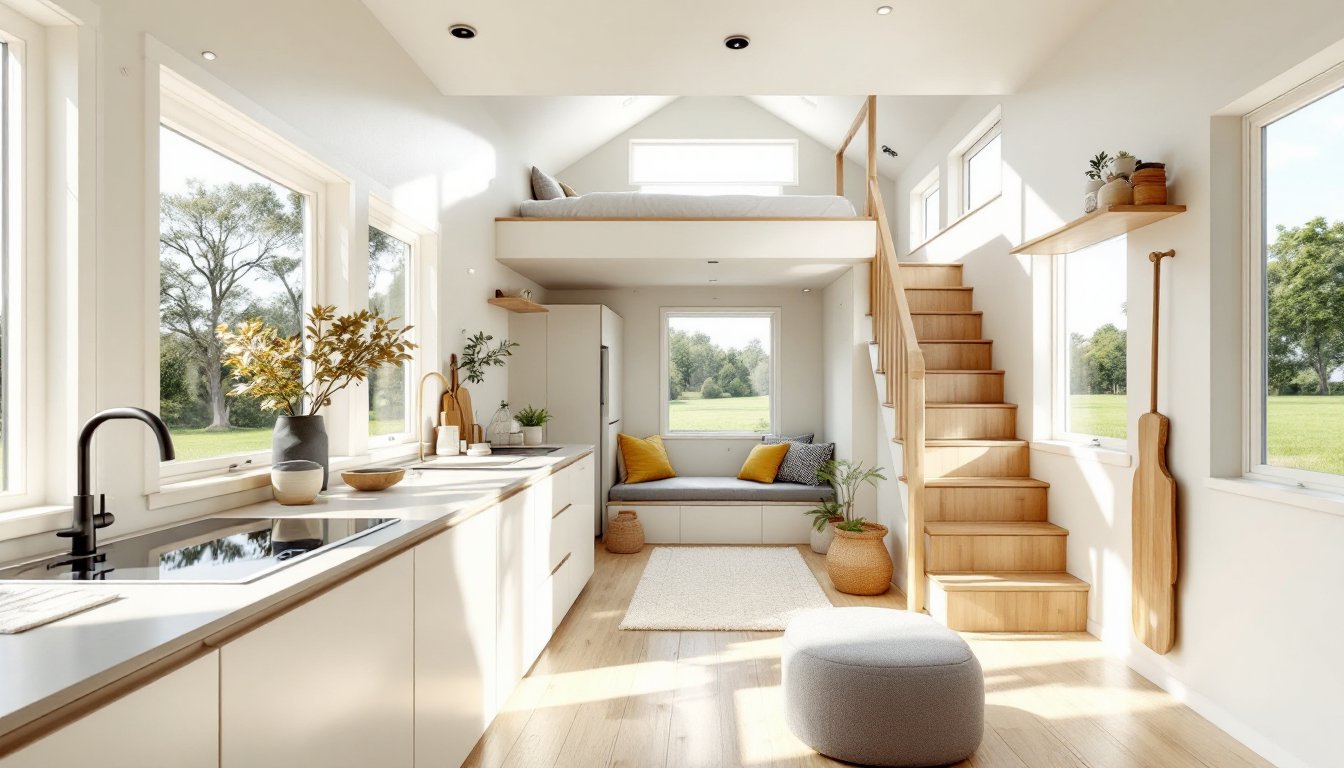
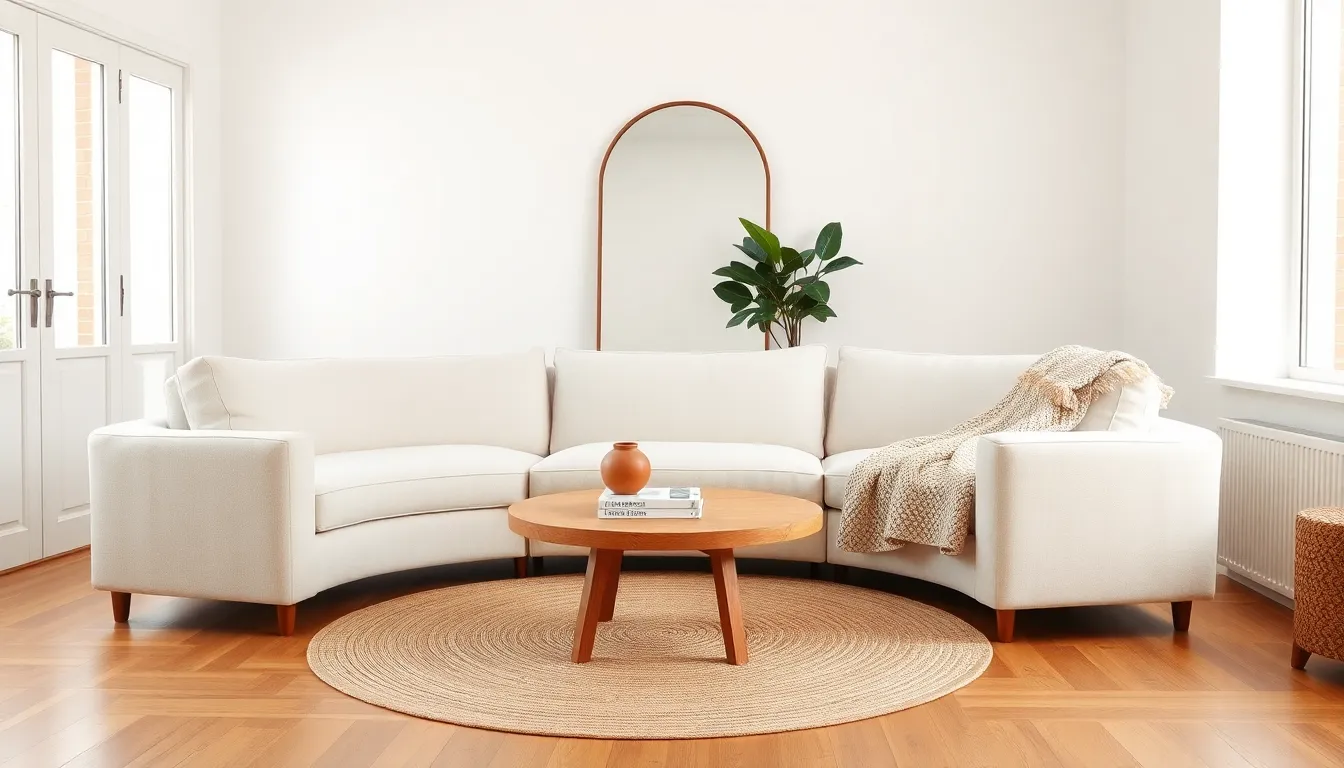
Cold, stark minimalism is fading. The 2026 version keeps clean lines but adds warmth through natural materials and earthy tones. Think white walls paired with honey-colored wood floors, cream linen sofas, and terracotta accents.
This interior design trend works well for beginners because it’s forgiving. Fewer items in a room means fewer chances to make mistakes.
Curved Furniture
Sharp angles are out. Rounded sofas, arched mirrors, and circular coffee tables dominate current interior design trends. These shapes soften a room and make spaces feel more inviting.
Beginners can start small. A round side table or an arched floor lamp introduces this trend without a major commitment.
Bold, Saturated Colors
Neutrals remain popular, but saturated colors are making a comeback. Deep greens, rich burgundies, and warm terracotta shades appear on walls, furniture, and accessories.
For those nervous about bold color, start with removable elements. Throw pillows, rugs, and artwork let beginners test interior design trends without permanent changes.
Sustainable and Vintage Pieces
New isn’t always better. Vintage furniture and sustainable materials rank high among 2026’s interior design trends. Secondhand finds add character and reduce environmental impact.
Thrift stores, estate sales, and online marketplaces offer unique pieces at fraction of retail prices. A vintage dresser or antique mirror instantly elevates a room.
How to Incorporate Trends Without Overwhelming Your Space
Following every interior design trend leads to a cluttered, confusing room. Beginners should adopt trends selectively and thoughtfully.
Start With One Statement Piece
Instead of overhauling an entire room, begin with one trend-forward item. A curved velvet chair. A bold piece of artwork. An arched mirror above the fireplace.
This approach lets beginners test interior design trends without major investment. If the trend doesn’t feel right after a few months, only one item needs replacing.
Keep Big Items Neutral
Sofas, beds, and dining tables should stay relatively neutral. These large pieces cost more and last longer. Trendy colors or extreme shapes become dated quickly.
Save trend-driven choices for smaller, less expensive items. Lamps, throw blankets, decorative objects, and wall art can shift with changing interior design trends.
Create Cohesion Through Repetition
Repeating elements ties a room together. If curved furniture appears in the living room, echo that shape elsewhere, maybe a round mirror in the entryway or arched windows in the dining room.
Color works the same way. Pull accent colors from room to room. This creates flow throughout a home while still allowing each space its own personality.
Budget-Friendly Tips for Beginners
Interior design trends for beginners don’t require deep pockets. Smart shopping and creative thinking stretch any budget.
Paint Changes Everything
Paint offers the highest impact for the lowest cost. A single accent wall transforms a room for under $50. Even painting trim, doors, or outdated furniture breathes new life into tired spaces.
Shop Your Own Home First
Before buying anything new, look at what already exists. Moving furniture between rooms costs nothing. Artwork from the bedroom might look better in the living room. That lamp collecting dust in storage could become a statement piece.
DIY What You Can
Many interior design trends lend themselves to DIY projects. Beginners can:
- Reupholster dining chair seats with trendy fabric
- Paint old picture frames a bold new color
- Create gallery walls with thrifted art
- Add new hardware to existing furniture
These small projects add personality without major expense.
Prioritize Key Pieces
Not everything needs upgrading at once. Identify the one or two items that will make the biggest difference. Maybe it’s a quality area rug that anchors the living room. Or proper lighting that makes evenings more pleasant.
Spend more on these priority items. Fill in the rest over time as budget allows.