Table of Contents
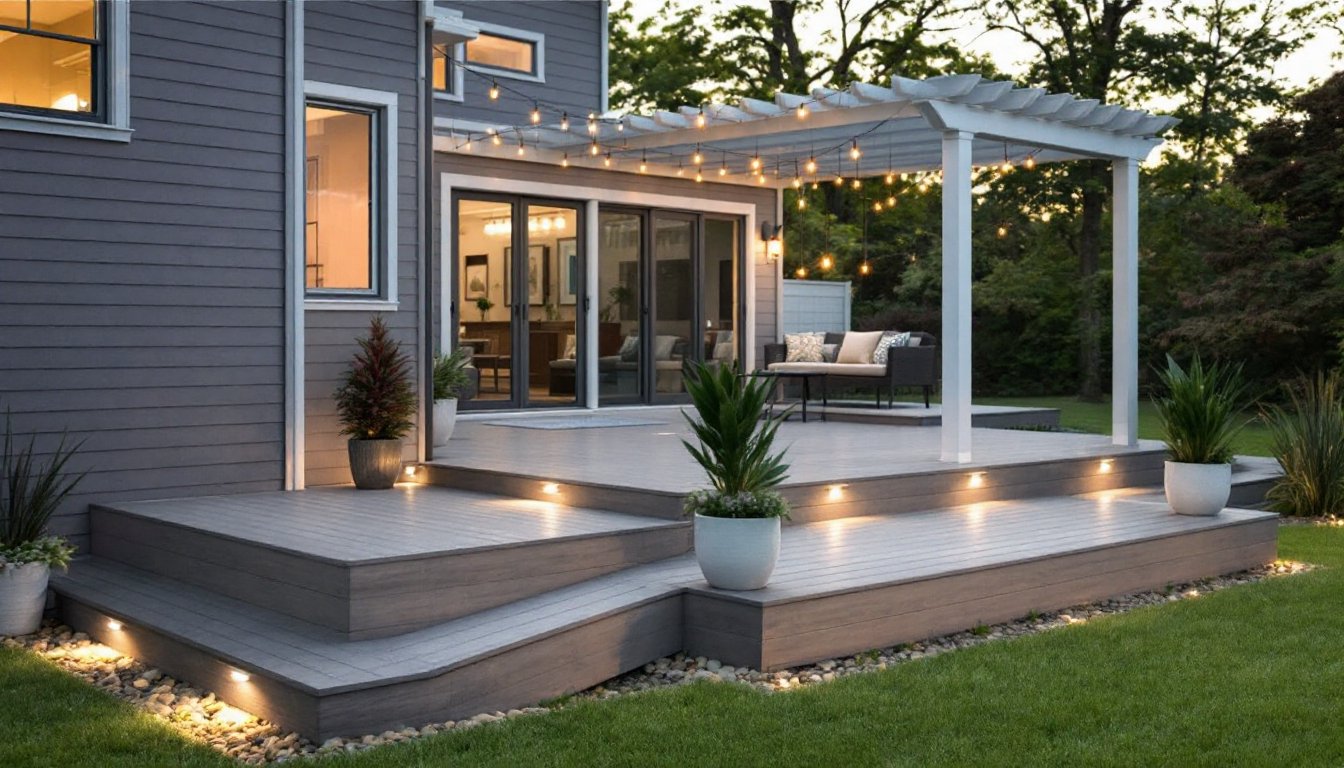
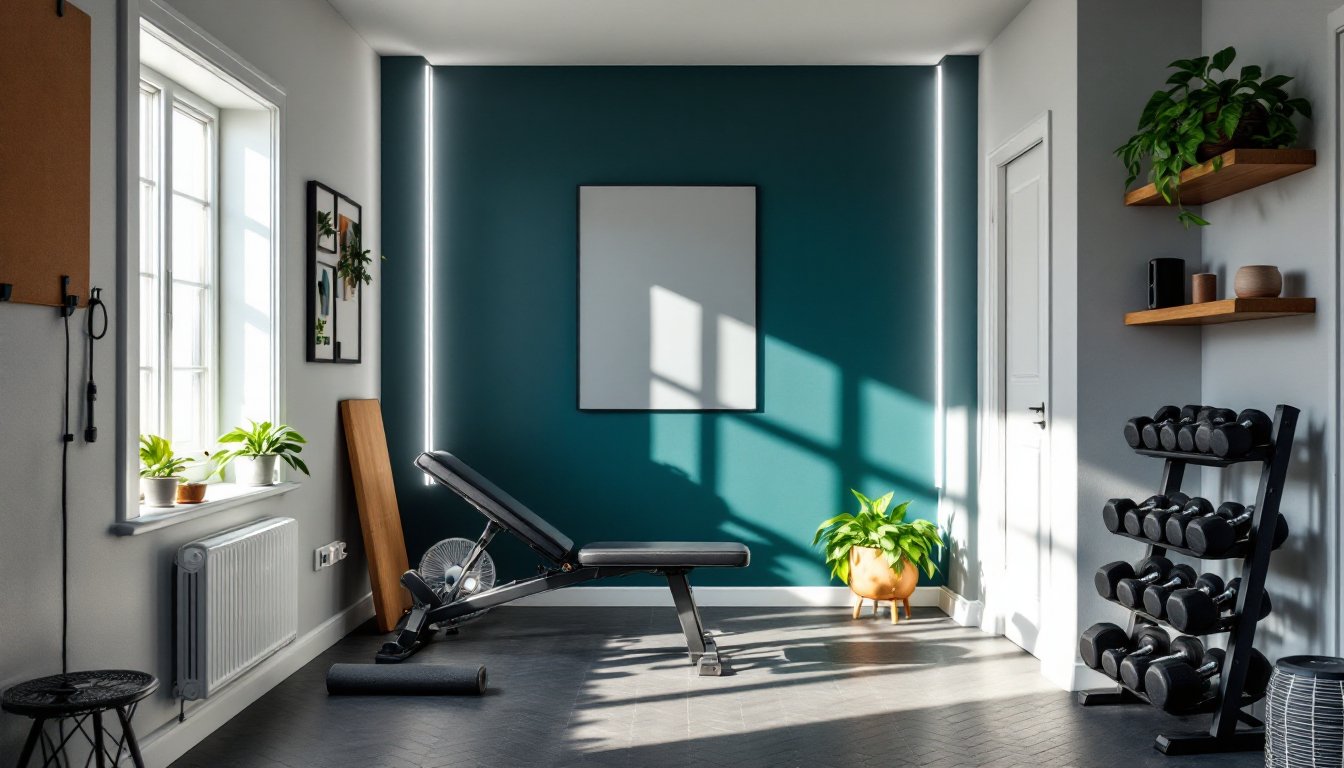
ToggleDecorating ideas for beginners don’t have to feel overwhelming. A fresh space can come together with a few smart choices and a clear plan. Whether someone just moved into their first apartment or wants to refresh a tired room, the basics stay the same. Good design starts with intention, picking colors, furniture, and details that work together. This guide breaks down practical decorating ideas for beginners into easy steps anyone can follow. No design degree required.
Key Takeaways
- Start with a cohesive color palette of 3–5 colors, using neutrals as a base and bold accents to add energy.
- Invest in quality anchor furniture pieces like sofas and beds, measuring your space first to ensure proper scale.
- Layer different textures and patterns—like velvet, linen, and jute—to prevent rooms from feeling flat and boring.
- Combine ambient, task, and accent lighting with warm bulbs to create depth and a cozy atmosphere.
- Add personal accessories like travel souvenirs, books, and low-maintenance plants to make your space feel authentic.
- These decorating ideas for beginners rely on experimentation—move things around until the arrangement feels right.
Start With a Color Palette
Every great room starts with a color palette. Beginners often make the mistake of picking colors at random, then wondering why nothing feels cohesive. A smarter approach? Choose three to five colors that work well together and stick to them throughout the space.
Start by identifying a main color. This will cover most walls and large surfaces. Neutrals like white, beige, gray, or soft greige work well as a base. They give flexibility and make smaller spaces feel open.
Next, pick one or two accent colors. These show up in throw pillows, artwork, rugs, or curtains. Bold choices like navy, emerald green, or mustard yellow can add energy without overwhelming a room. A third accent, often a metallic like gold, brass, or silver, ties everything together.
For those unsure where to begin, nature offers reliable inspiration. Think of a beach scene: sandy beige, ocean blue, and crisp white. Or a forest: deep green, warm brown, and soft cream. These combinations already exist in harmony.
One helpful tip for decorating ideas for beginners: test paint samples on the wall before committing. Colors look different under various lighting conditions. What seems perfect at the store might look completely different at home.
Focus on Key Furniture Pieces
Furniture sets the foundation of any room. Beginners should invest in a few quality pieces rather than filling a space with cheap items that won’t last.
Start with the anchor piece. In a living room, that’s usually the sofa. In a bedroom, it’s the bed. These items get the most use and draw the most attention. Spend more here. A well-made sofa in a neutral color will serve for years and adapt to different decorating ideas for beginners as tastes change.
Scale matters more than most people realize. A massive sectional overwhelms a small living room. A tiny nightstand looks lost next to a king-size bed. Before buying anything, measure the space and sketch a rough layout. Many furniture stores offer online room planners that help visualize how pieces fit together.
Mix furniture styles to avoid a showroom look. A modern sofa pairs nicely with a vintage coffee table. A sleek metal bed frame works with traditional wooden nightstands. This approach adds character and makes a room feel collected over time rather than purchased in one afternoon.
Don’t forget function. A beautiful chair that nobody sits in wastes space and money. Every piece should earn its spot through regular use or genuine visual impact.
Layer Textures and Patterns
Texture and pattern bring rooms to life. Without them, even well-designed spaces feel flat and boring.
Texture refers to how surfaces look and feel. Smooth leather, chunky knit blankets, woven baskets, velvet cushions, and rough jute rugs all add different qualities to a room. The key is variety. A leather sofa benefits from soft linen pillows. A sleek glass table needs a textured runner or placemats.
Patterns work the same way. Stripes, florals, geometrics, and abstract prints create visual interest. The trick is balancing scale. Pair a large-scale pattern (like oversized florals) with a smaller one (like thin stripes) to prevent visual competition.
For those new to decorating ideas for beginners, start small with patterns. A patterned throw pillow or area rug introduces variety without commitment. If it doesn’t work, swapping out accessories costs far less than reupholstering furniture.
Stick to the color palette when mixing patterns. Different patterns in the same color family naturally coordinate. A blue floral pillow, blue striped blanket, and blue geometric rug can coexist beautifully because the color creates unity.
Use Lighting to Set the Mood
Lighting changes everything. The same room can feel harsh and clinical or warm and inviting depending on the light sources.
Most rooms need three types of lighting. Ambient lighting provides overall illumination, think ceiling fixtures or recessed lights. Task lighting focuses on specific activities like reading or cooking. Accent lighting highlights features like artwork or architectural details.
Layering these types creates depth and flexibility. A living room might combine a ceiling light, a floor lamp beside the reading chair, and a small spotlight on a favorite painting. Each serves a purpose and adds dimension.
Bulb temperature matters for decorating ideas for beginners. Warm bulbs (2700K–3000K) cast a cozy, yellowish glow perfect for living spaces and bedrooms. Cool bulbs (4000K–5000K) produce crisp, energizing light better suited for kitchens and home offices.
Dimmer switches offer instant mood control. They let the same room transition from bright and functional during the day to soft and relaxing at night. Installation is often simple, and the effect is dramatic.
Don’t overlook natural light. Keep windows unobstructed when possible. Sheer curtains soften direct sunlight without blocking it completely.
Add Personal Touches With Accessories
Accessories transform a decorated room into a personal space. They tell a story and reflect who lives there.
Start with items that hold meaning. Travel souvenirs, family photos, inherited objects, and handmade pieces all add authenticity. A room filled with meaningful items feels lived-in and warm. A room filled with generic decor feels like a hotel.
Books make excellent accessories. Stack them on coffee tables, line shelves with them, or use them as risers for smaller objects. They add color, texture, and intellectual character.
Plants bring life to any room. Even beginners who struggle with plants can succeed with low-maintenance options like pothos, snake plants, or ZZ plants. Fresh greenery improves air quality and adds organic texture that nothing else replicates.
When arranging accessories, think in groups of odd numbers. Three candles look better than two. Five objects on a shelf create more visual interest than four. This principle applies to gallery walls, tabletop arrangements, and bookshelf styling.
Decorating ideas for beginners often involve trial and error with accessories. Move things around. Try different combinations. Live with an arrangement for a few days before deciding if it works. The best setups usually emerge through experimentation.