Table of Contents
ToggleThe best decorating ideas can turn any room from ordinary to extraordinary. A well-decorated space reflects personality, improves mood, and makes daily life more enjoyable. Whether someone is moving into a new home or refreshing an existing one, the right design choices create lasting impact.
This guide covers practical decorating ideas that work in any home. From choosing colors to adding greenery, each tip helps build a cohesive and inviting space. These strategies require no professional training, just a willingness to experiment and trust one’s instincts.
Key Takeaways
- The best decorating ideas start with a cohesive color palette using the 60-30-10 rule for balanced, visually appealing rooms.
- Layering textures like velvet, jute, leather, and wood adds depth and warmth that color alone cannot achieve.
- Every room needs one statement piece—such as an oversized mirror or bold artwork—to serve as a focal point and anchor the design.
- Maximize natural light with sheer curtains and strategically placed mirrors, then layer ambient, task, and accent lighting for flexibility.
- Incorporate plants and natural materials to add life, improve air quality, and connect your indoor space to nature.
- Budget-friendly options like thrift store finds, gallery walls, and DIY accent walls deliver high impact without breaking the bank.
Start With a Color Palette That Sets the Mood
Color selection forms the foundation of any decorating project. The best decorating ideas often begin with a thoughtful palette that ties everything together.
Neutral tones like beige, gray, and white create calm environments. These shades work well in bedrooms and living rooms where relaxation matters most. Bold colors like deep blue, emerald green, or terracotta add energy and personality to dining areas or home offices.
A good rule of thumb: pick three to five colors maximum. One dominant shade should cover about 60% of the room (walls, large furniture). A secondary color takes up 30% (curtains, accent chairs, rugs). The remaining 10% goes to accent colors through pillows, artwork, and decorative objects.
Color temperature also affects mood. Warm tones (reds, oranges, yellows) energize a space. Cool tones (blues, greens, purples) promote relaxation. Testing paint samples on walls before committing saves time and money. Colors look different under various lighting conditions, so viewing them at different times of day prevents surprises.
Layer Textures for Visual Depth and Warmth
Texture adds dimension that color alone cannot achieve. The best decorating ideas combine multiple textures to create spaces that feel complete and inviting.
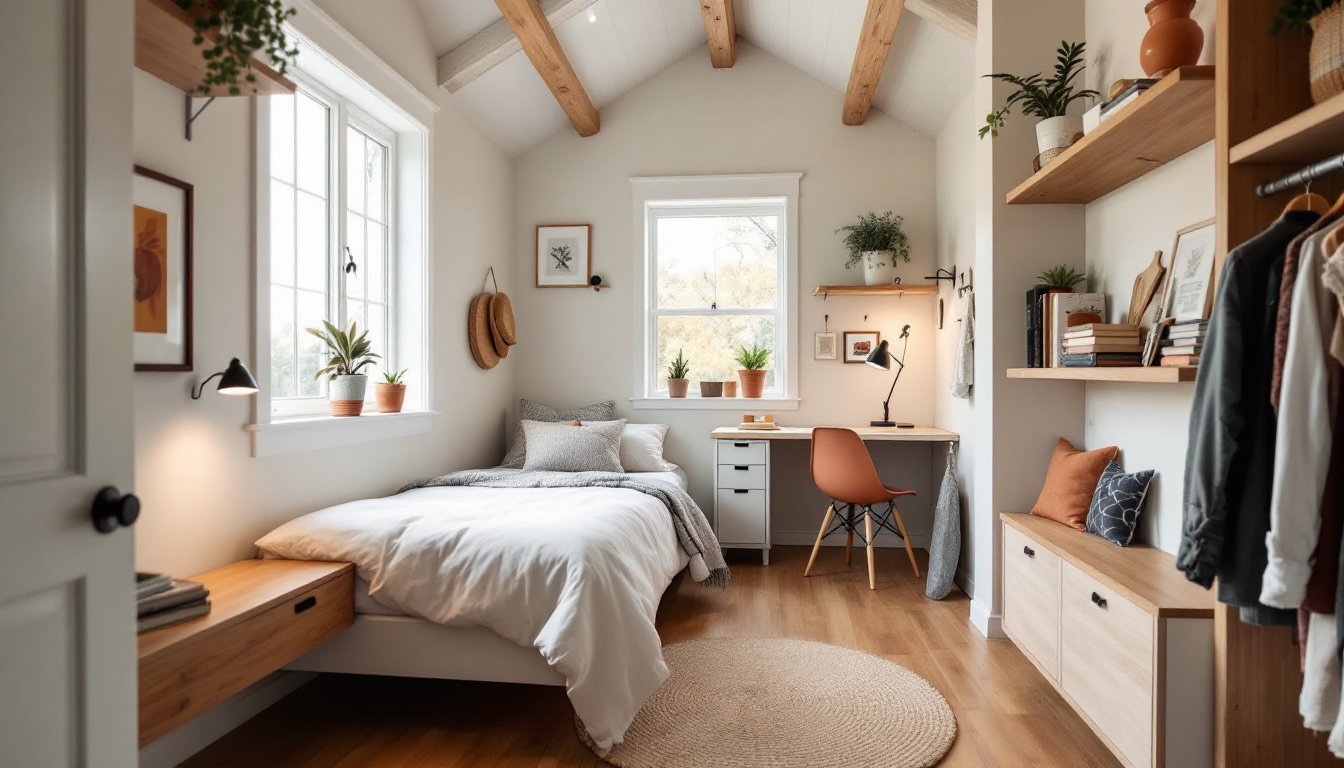
Consider mixing smooth and rough surfaces. A velvet sofa pairs beautifully with a jute rug. Leather chairs look striking against linen curtains. Wooden coffee tables complement metal lamp bases. This contrast keeps the eye moving and prevents rooms from feeling flat.
Soft textiles make spaces feel comfortable. Throw blankets, floor cushions, and layered rugs add warmth without overwhelming a room. In bedrooms, combining cotton sheets with a chunky knit throw creates visual interest while improving comfort.
Hard textures ground a space. Stone, glass, metal, and wood provide structure. A marble side table or brass picture frames add sophistication. These elements balance softer materials and prevent rooms from looking too casual.
Texture also affects acoustics. Hard surfaces bounce sound while soft materials absorb it. Rooms with high ceilings or hardwood floors benefit from rugs, curtains, and upholstered furniture that reduce echo.
Use Statement Pieces as Focal Points
Every room needs a focal point, something that draws attention and anchors the design. Statement pieces deliver this effect better than anything else. Among the best decorating ideas, choosing one bold item per room creates immediate impact.
A statement piece can be many things: an oversized mirror, a unique light fixture, a colorful sofa, or a large piece of art. The key is scale. It should be big enough to command attention but proportionate to the room.
Placement matters as much as selection. Position the focal point where eyes naturally land upon entering. In living rooms, this often means above the fireplace or on the wall opposite the entrance. Bedrooms typically feature the headboard as the central focus.
Let the statement piece shine by keeping surrounding elements simpler. A dramatic chandelier works best with understated furniture beneath it. A bold patterned rug needs solid-colored seating around it. Balance prevents visual chaos.
Budget-friendly options exist too. Thrift stores and estate sales often have unique furniture pieces. Gallery walls using personal photos or prints create focal points without expensive art. DIY projects like painted accent walls achieve similar results at low cost.
Maximize Natural Light and Strategic Lighting
Lighting transforms spaces more than most people realize. Good lighting makes the best decorating ideas shine, literally. Poor lighting undermines even the most beautiful rooms.
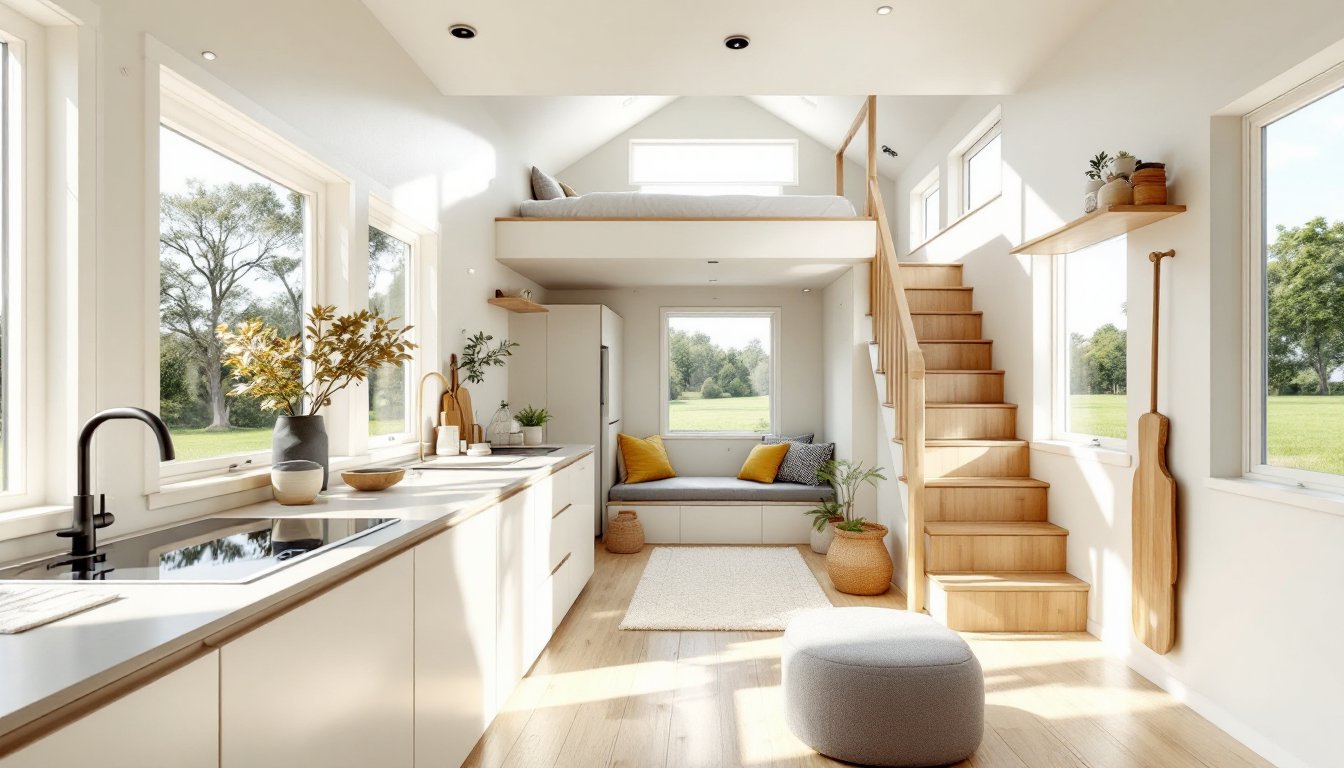
Natural light should be the priority. Remove heavy curtains that block windows. Choose sheer fabrics or blinds that filter light while maintaining privacy. Position mirrors across from windows to bounce light deeper into rooms. Light-colored walls reflect more natural light than dark ones.
Layered artificial lighting creates flexibility. Every room needs three types: ambient (general overhead), task (reading lamps, under-cabinet lights), and accent (picture lights, candles). Dimmer switches allow adjustment based on time of day or activity.
Light temperature affects atmosphere. Warm bulbs (2700K-3000K) suit living spaces and bedrooms. Cool white (3500K-4100K) works better in kitchens and bathrooms where clarity matters. Smart bulbs allow temperature changes throughout the day.
Lamp placement deserves attention. Table lamps at different heights create visual interest. Floor lamps beside seating provide focused reading light. Pendant lights over dining tables should hang 30-36 inches above the surface for optimal function and appearance.
Incorporate Greenery and Natural Elements
Plants breathe life into any room. They’re among the best decorating ideas because they add color, improve air quality, and connect indoor spaces to nature.
Low-maintenance options work for beginners. Pothos, snake plants, and ZZ plants thrive with minimal attention. Succulents suit sunny windowsills. Ferns prefer humid bathrooms. Matching plant needs to room conditions ensures success.
Size variety creates visual interest. Tall plants like fiddle leaf figs or monstera anchor corners. Medium plants fill shelves and side tables. Small pots grouped together make stronger statements than single specimens scattered around.
Beyond living plants, natural materials enhance any space. Wooden bowls, woven baskets, stone coasters, and dried flowers bring organic textures indoors. These elements work in any design style from modern to traditional.
Planters themselves serve as decor. Ceramic pots add color. Woven baskets bring texture. Hanging planters draw eyes upward. Matching planter style to room design creates cohesion.
For those lacking green thumbs, high-quality faux plants have improved dramatically. Modern artificial options look remarkably real and require zero maintenance. They work especially well in low-light areas where real plants struggle.