Table of Contents
ToggleA toddler’s bedroom needs to work as hard as the kid sleeping in it. Beyond just holding a lamp and a glass of water, a good nightstand for a toddler offers accessible storage, won’t topple if climbed on, and fits into a room where every square inch counts. Unlike adult nightstands, a toddler nightstand balances open access (so little hands can reach their own books or a comfort item) with safety features that prevent tipping or trapping. The right choice depends on your room’s layout, your toddler’s habits, and whether you’re building from scratch or adapting what you already own.
Key Takeaways
- A toddler nightstand with safety features like rounded edges, tip-resistant design, and secure anchoring prevents injuries and creates accessible storage within arm’s reach of the bed.
- Space-saving options such as floating shelves, wall-mounted units, and corner nightstands maximize functionality in small bedrooms while keeping floor space open.
- Open shelving designs and combination drawer-plus-shelf configurations grow with your child and teach toddlers independence by keeping frequently used items like books and comfort objects easily accessible.
- DIY and upcycled nightstand projects using floating wooden shelves, IKEA hacks, or repurposed dressers offer budget-friendly alternatives without sacrificing safety or durability.
- Prioritize low-VOC finishes, smooth surfaces, slow-close hardware, and secure wall anchoring to studs to ensure your toddler nightstand remains safe, functional, and easy to clean.
Why a Toddler Nightstand Matters for Bedroom Organization
A dedicated nightstand isn’t just decor, it’s functional furniture that teaches your toddler to keep their space organized and accessible. When books, toys, or comfort items have a home within arm’s reach of the bed, kids don’t have to call out for help at 2 a.m. They develop independence and a sense of ownership over their room.
Nightstands also reduce the temptation to climb dresser drawers or reach for items stored too high. A purpose-built surface at bed height keeps frequently used items exactly where a toddler can grab them without risk. This cuts down on middle-of-the-night scrambles and makes bedtime routines smoother for everyone.
From a design standpoint, a thoughtfully chosen nightstand anchors the bedroom layout and sets the tone for the whole space. It doesn’t have to match everything in the room, but it should reflect your family’s aesthetic while prioritizing durability and easy cleaning, because spills happen.
Essential Safety Features Every Toddler Nightstand Must Have
Safety is nonnegotiable. A toddler nightstand must be tip-resistant or anchored to the wall so that climbing or leaning doesn’t send it crashing down. The Consumer Product Safety Commission (CPSC) recommends anchoring furniture over 30 inches tall to wall studs with L-brackets or straps. Even a shorter nightstand can tip if your toddler uses it to pull up or climb.
Round or beveled edges prevent head injuries during tumbles. Avoid sharp corners or protruding hardware, file down any edges and ensure all bolts and screws are recessed or covered. Check drawers and cabinet doors for pinch points: slow-close hardware or soft-close hinges add cost but eliminate finger-trap hazards.
Steer clear of nightstands with glass tops or shelves (breakage is inevitable), and avoid small parts or decorative items that could become choking hazards. Choose low-toxicity finishes and paints rated for children’s furniture, look for low-VOC (volatile organic compound) labels. Ensure the top surface and any storage areas are easy to wipe clean in case of spills, accidents, or sticky hands.
One more thing: make sure the nightstand is stable on uneven floors. A wobbly piece is a safety risk and a source of endless annoyance.
Space-Saving Nightstand Styles for Small Rooms
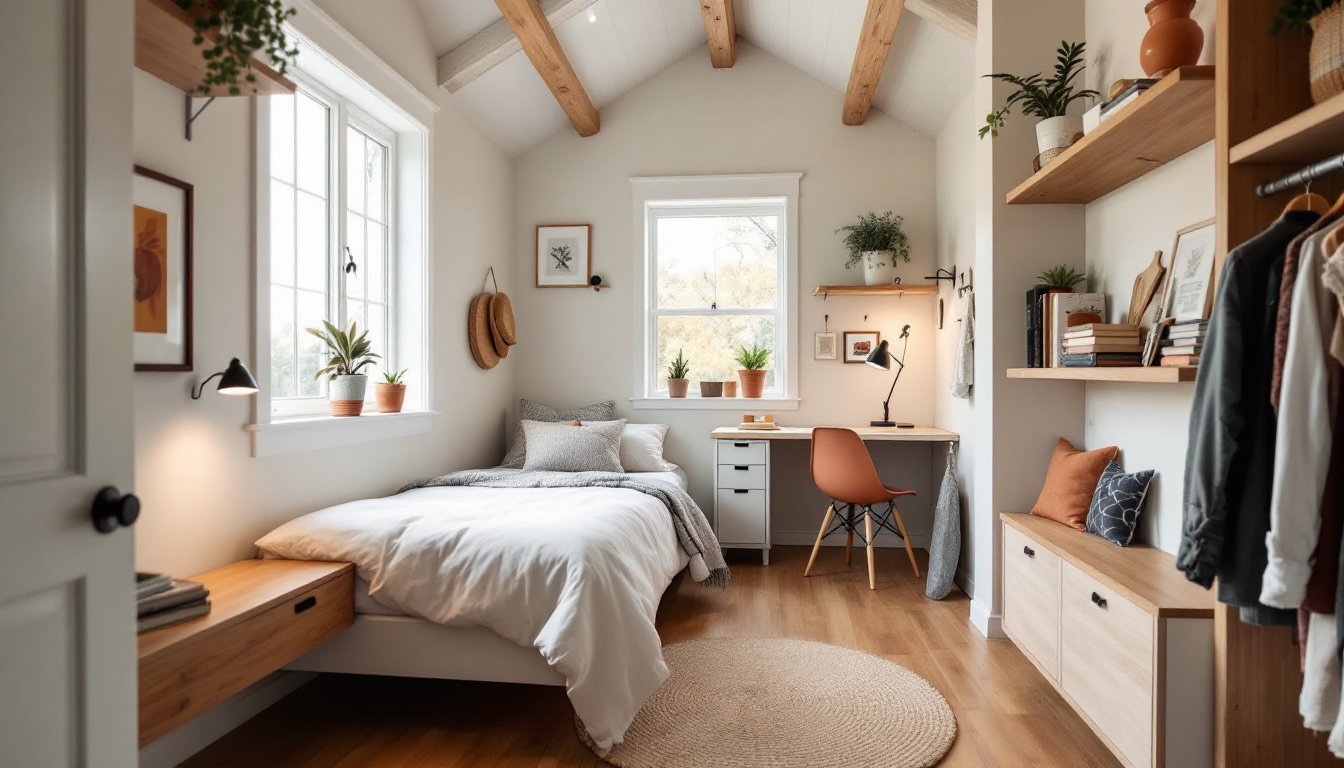
In a compact bedroom, every piece of furniture must earn its space. A full-size nightstand with drawers might overwhelm a small room, so consider alternatives that deliver storage without bulk.
Open shelving nightstands (think a simple wooden cube or a ladder-style shelf) offer visibility into contents and feel less heavy than closed cabinets. You can see at a glance what books or toys are stored there, and they’re easier for toddlers to access without fumbling with drawer pulls.
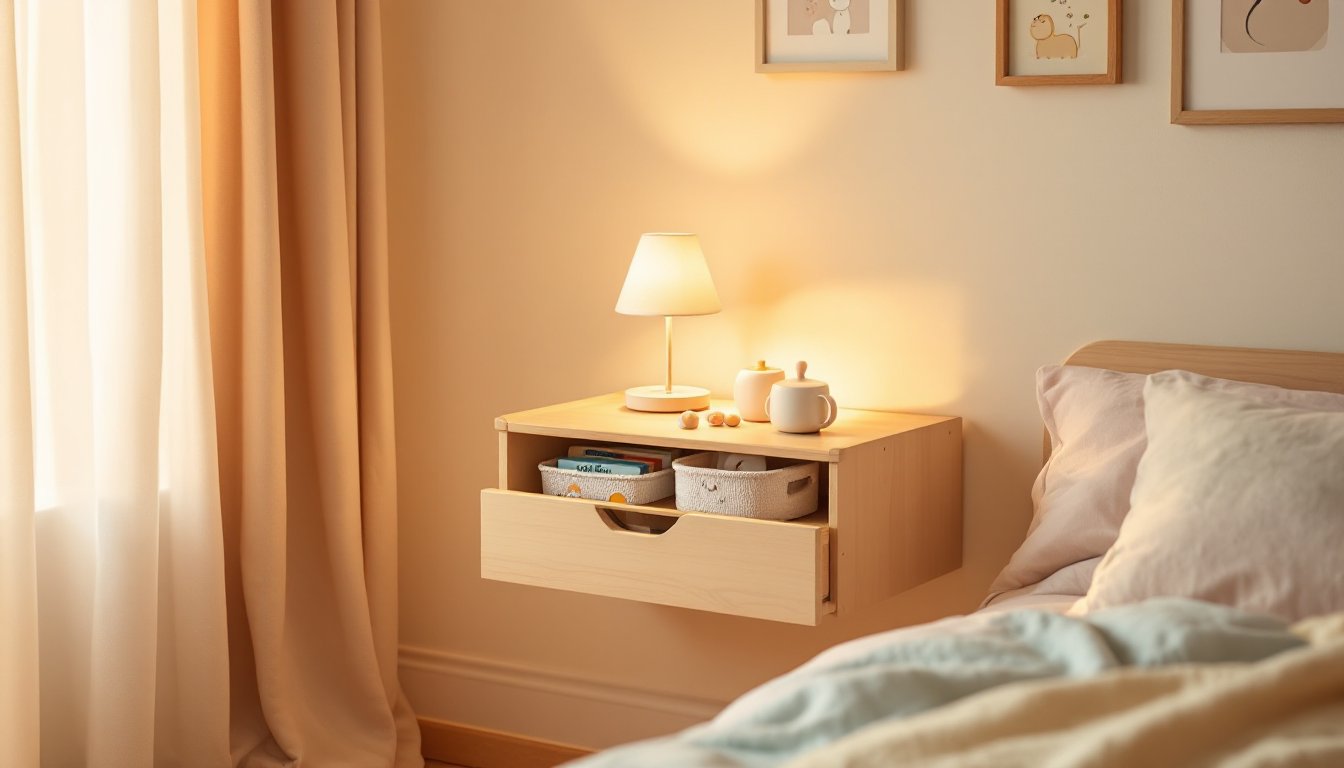
Floating shelves and wall-mounted units are ideal when floor space is precious. Mounted at approximately 18-24 inches above the mattress, they sit at comfortable arm’s reach without eating into the room’s footprint. Just ensure they’re securely fastened to studs and can support the weight you’re putting on them, a 15-20 pound load is typical for child-safe wall brackets.
Narrow nightstands designed for small spaces (often around 12-16 inches deep) give you storage without blocking walkways. Some models combine an open shelf on top with a drawer below, maximizing function in minimal footprint.
Wall-Mounted and Corner Options
Corner nightstands are an underrated space hack. They nestle into the corner where the wall meets the bed, leaving the rest of the room open. Look for triangular or L-shaped designs that fit snugly without waste.
Wall-mounted shelves with a small tabletop extension (essentially a floating desk or shelf) work beautifully in tight spaces. They provide a small surface for a lamp or water cup while keeping the floor clear. Make sure the support brackets are rated for your intended load and anchored into solid studs or use heavy-duty wall anchors if hitting studs isn’t possible.
One practical tip: pair a wall-mounted shelf with a small under-shelf basket or bin for corralling loose items. This adds hidden storage without adding visual clutter.
Functional Design Ideas That Grow With Your Toddler
The best toddler nightstand is one that adapts as your child ages. A two-shelf open design works beautifully from age 2 through the early school years. The lower shelf is perfect for chunky board books or a small night-light: the upper shelf holds a lamp or a few favorite items once your child is old enough not to pull things down.
Consider a nightstand with a drawer or cabinet with child-safe handles. Soft-grip knobs or handles are easier for small hands to use than traditional pulls. Label drawers with pictures so toddlers can identify what’s stored where and put things back themselves, it’s both functional and educational.
A combination design, drawers below, open shelving above, offers flexibility. Use drawers for less-accessed items (extra blankets, seasonal books) and open shelves for daily-use stuff (current bedtime books, a comfort object, a cup for water). As your child grows, you can swap what goes where.
Built-in or custom nightstands that run the full length of the bed headboard are a space-smart option if you’re planning a bedroom renovation. They create a unified look and maximize storage without additional furniture pieces eating into floor space. A 30-36 inch wide nightstand can hold a lamp on one end and open shelving or a cubby on the other.
One design feature that pays dividends: a recessed or inset top surface that catches spills and prevents items from sliding onto the floor during rough dreams or restless sleep.
Budget-Friendly DIY and Upcycled Nightstand Projects
You don’t need to spend a fortune on a toddler nightstand. Many simple, solid solutions start with materials you already have or can source inexpensively.
Floating wooden shelf projects are beginner-friendly. A 12-16 inch length of pine or plywood mounted on quality brackets becomes a functional nightstand for under $50 in materials. Use 1-inch thick lumber for safety and stability: avoid flimsy shelves that will sag under even light loads. Sand edges smooth, apply a child-safe water-based stain or paint (look for low-VOC certifications), and anchor securely into studs using 1/4-inch lag bolts or heavy-duty brackets rated for at least 25 pounds per bracket.
IKEA hacks offer another budget route. A basic cube shelf or small bookcase can be made tip-resistant by anchoring it to the wall. The community site IKEA Hackers showcases dozens of toddler-friendly modifications, from painting and customizing knobs to adding fabric bins for soft storage without corners or hard edges.
Upcycling an old dresser or small cabinet saves money and resources. Cut the height down if needed, reinforce it, and anchor it firmly. Apply a fresh coat of child-safe paint and replace hardware with softer, rounded handles. An old wooden crate or storage unit can be transformed with minimal tools and a Saturday afternoon of work.
For those wanting a bit more structure, Ana White’s woodworking plans include designs for a simple kids’ storage bedside table with straightforward joinery and materials from any big-box hardware store. The Handyman’s Daughter also offers step-by-step tutorials for beginner woodworking projects that are ideal for a first furniture build.
Tools you’ll need for a basic floating shelf: a stud finder, a drill with bits, a level, and a saw (if cutting your own materials). If you’re not comfortable drilling into walls or finding studs, a handyman can handle the installation in an hour for a reasonable fee.
Conclusion
A toddler nightstand balances accessibility, safety, and style in a space where every piece counts. Whether you choose a store-bought model, a wall-mounted shelf, or a DIY project, prioritize stability, smooth edges, and easy cleaning. The right nightstand teaches independence, prevents middle-of-the-night scrambles, and fits naturally into your home’s layout. Start with your room’s constraints, measure twice, anchor everything securely, and you’ll have a solution your family uses happily for years to come.