Table of Contents
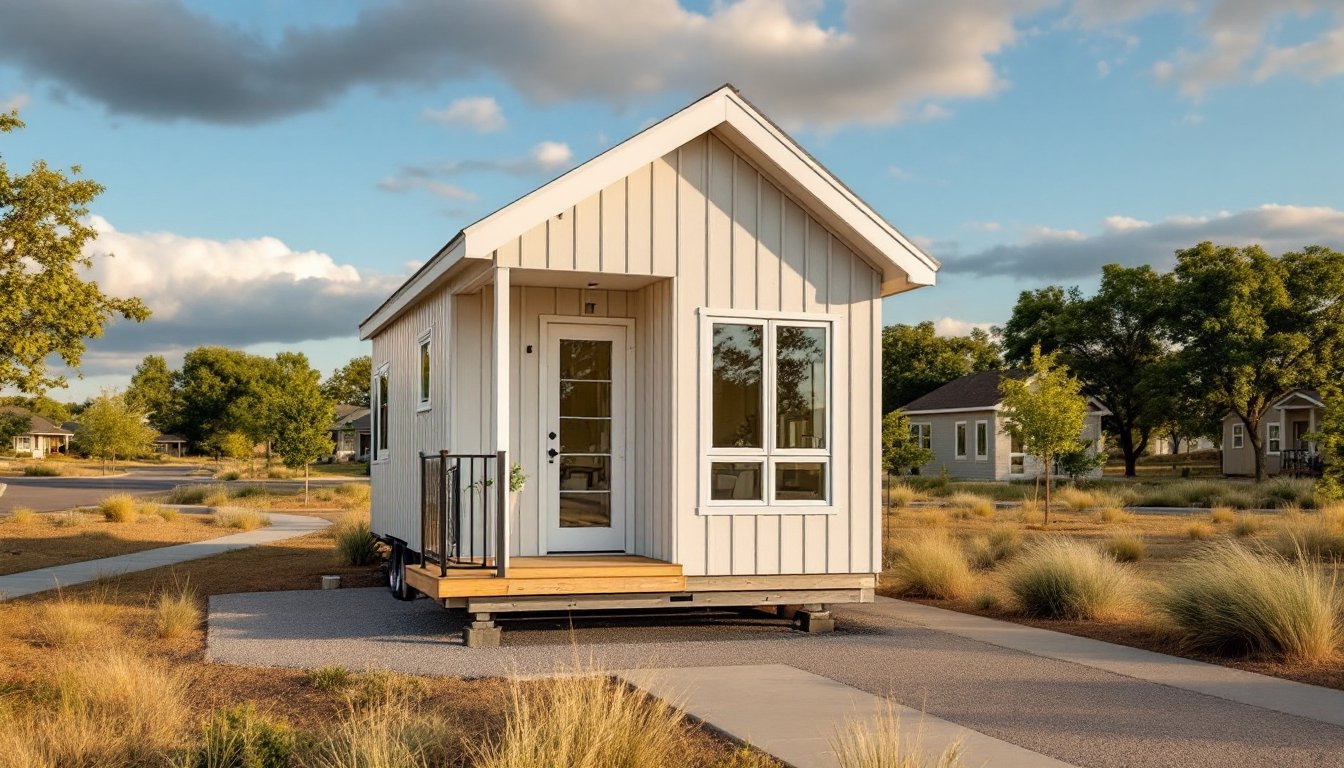
ToggleTop tiny homes have become a mainstream housing option for people who want freedom, affordability, and a simpler way of life. These compact dwellings typically measure under 400 square feet, yet they pack in everything a person needs to live comfortably.
The tiny home movement has grown rapidly over the past decade. More buyers now see small living spaces as a smart alternative to traditional mortgages and oversized houses. Whether someone wants to cut expenses, reduce their environmental footprint, or embrace a minimalist lifestyle, tiny homes offer real solutions.
This guide covers the best tiny homes available today. It breaks down options by budget, luxury features, and off-grid capabilities. Readers will find practical advice on selecting the right tiny home for their specific needs and goals.
Key Takeaways
- Top tiny homes range from budget-friendly options starting at $20,000 to luxury models exceeding $200,000, offering solutions for every financial situation.
- Tiny homes on wheels provide mobility and flexibility, while foundation-based tiny homes offer stability similar to traditional housing.
- Off-grid tiny homes with solar power, rainwater collection, and composting toilets enable sustainable, self-sufficient living in remote locations.
- Budget-conscious buyers can save money with DIY tiny home kits from companies like Jamaica Cottage Shop, starting under $25,000.
- Always research local zoning laws and regulations before purchasing a tiny home, as legal status varies significantly by location.
- Visit showrooms or tiny home tours before buying—photos can’t capture how a small space actually feels to live in.
What Defines a Tiny Home
A tiny home is a residential structure that typically ranges from 100 to 400 square feet. Some definitions extend this to 600 square feet, but most top tiny homes fall within the smaller range.
These homes come in two main categories: tiny houses on wheels (THOWs) and tiny homes on foundations. Homes on wheels offer mobility and often bypass certain building codes. Foundation-based tiny homes function more like traditional houses but in a compact format.
Key features of tiny homes include:
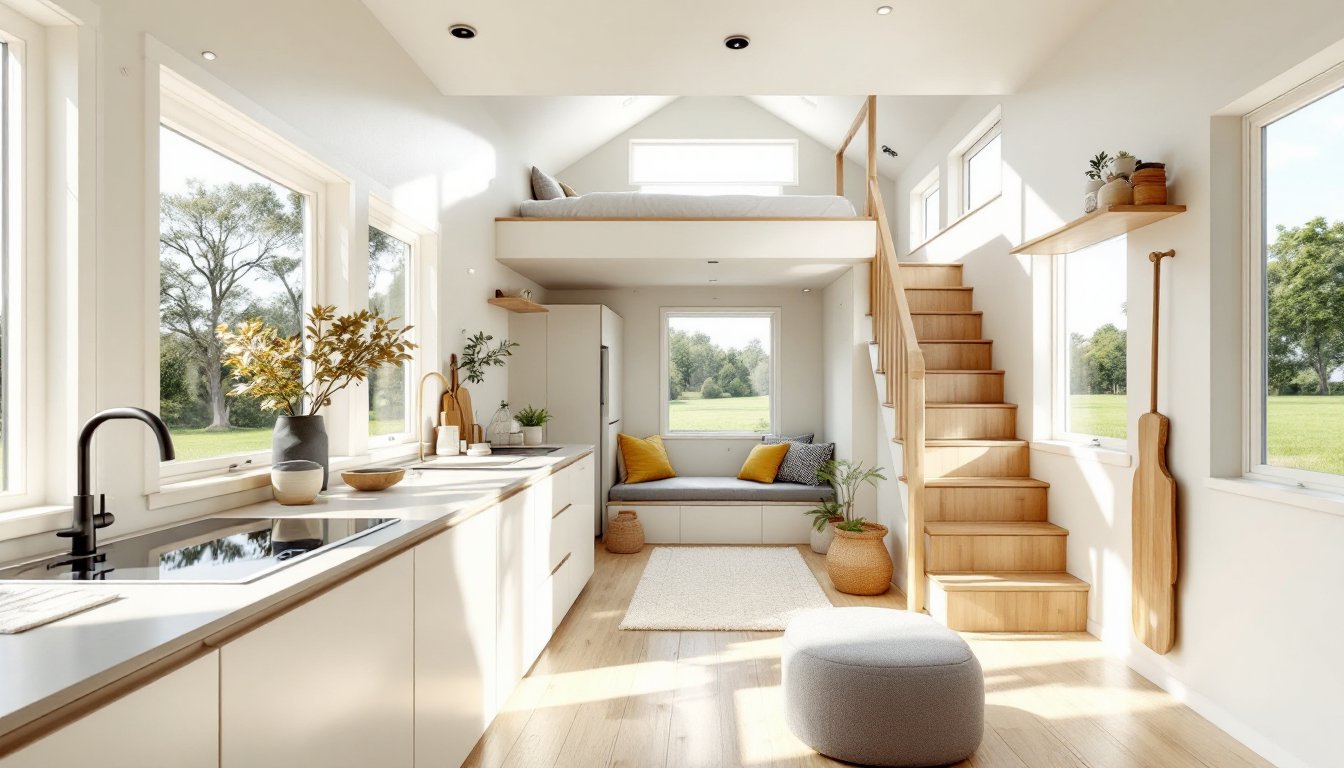
- Multi-functional furniture – Beds that convert to sofas, tables that fold into walls
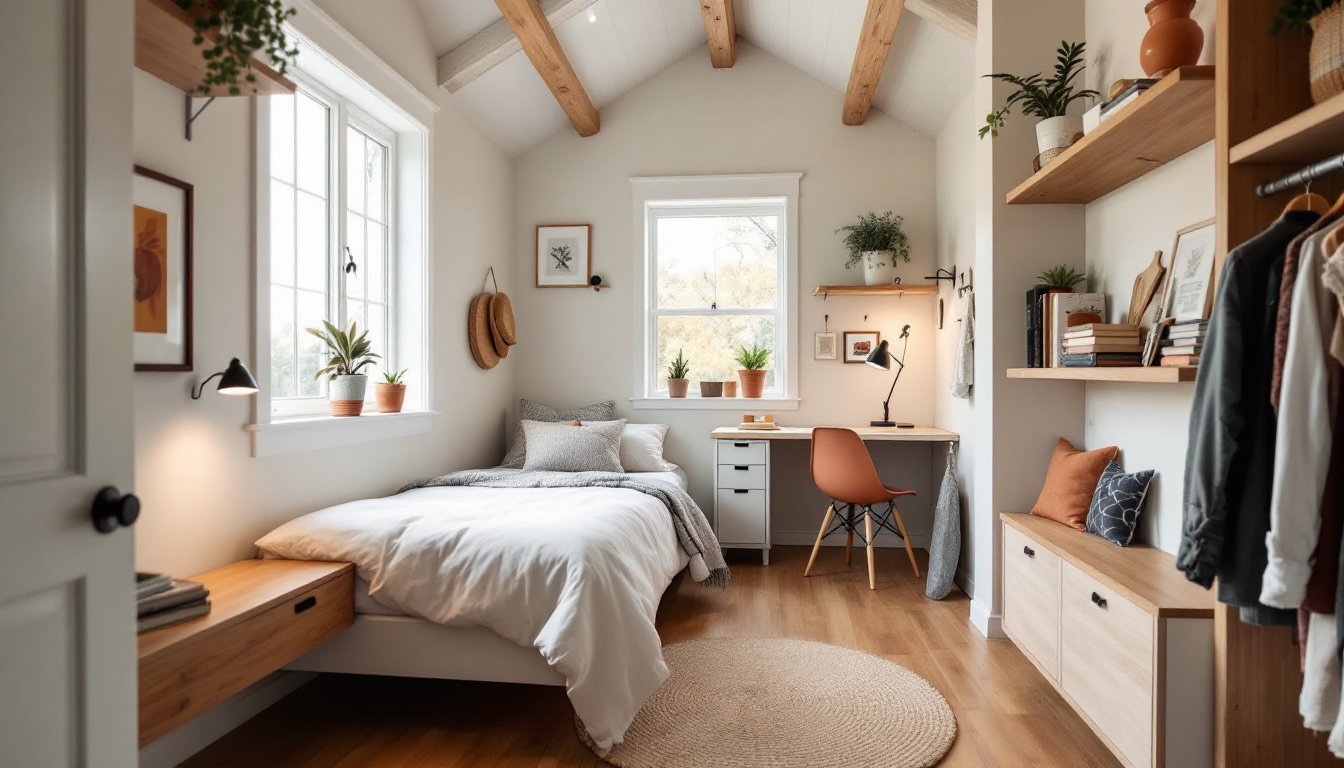
- Vertical storage – Lofts, overhead cabinets, and built-in shelving
- Compact kitchens – Smaller appliances and efficient layouts
- Space-saving bathrooms – Wet baths, composting toilets, and tankless water heaters
Tiny homes differ from RVs and mobile homes in construction quality and design intent. Most tiny homes use standard residential building materials like wood framing, insulation, and durable siding. They’re built to feel like permanent residences, not vacation vehicles.
The legal status of tiny homes varies by location. Some municipalities welcome them as accessory dwelling units (ADUs). Others have strict zoning rules that make placement difficult. Buyers should always check local regulations before purchasing.
Best Tiny Homes for Budget-Conscious Buyers
Budget-friendly tiny homes start around $20,000 for basic models and shell kits. Pre-built options with full amenities typically cost between $40,000 and $80,000. This price range makes tiny homes accessible to first-time buyers and those escaping high rent costs.
Tumbleweed Tiny House Company offers the Elm model starting around $69,000. This 219-square-foot home includes a full kitchen, bathroom, and sleeping loft. Tumbleweed has built tiny homes since 2002 and maintains a solid reputation for quality.
Escape Traveler provides the Traveler model for approximately $63,400. At 269 square feet, it features a modern design with large windows and an open floor plan. The company offers financing options that make monthly payments comparable to apartment rent.
Jamaica Cottage Shop sells DIY tiny home kits starting under $25,000. These kits arrive with pre-cut materials and detailed instructions. Handy buyers can save thousands by handling assembly themselves.
84 Lumber entered the tiny home market with shell packages starting around $7,000. Buyers complete the interior work, but the structural components meet building standards. This option works best for those with construction experience.
Top tiny homes in the budget category share common traits: simple designs, efficient layouts, and quality materials. Buyers shouldn’t sacrifice structural integrity to save money. A well-built tiny home will last decades with proper maintenance.
Luxury Tiny Homes With Premium Features
Luxury tiny homes prove that small doesn’t mean basic. These high-end models cost between $100,000 and $200,000 or more. They include premium finishes, smart home technology, and custom designs.
New Frontier Design builds the Orchid model, a 330-square-foot home with a farmhouse aesthetic. It features granite countertops, custom cabinetry, and a full-size refrigerator. Prices start around $139,000, and the company works with buyers on personalized layouts.
Minimaliste creates the Noyer model with sleek, modern architecture. This Canadian company uses high-quality cedar siding and European-style fixtures. The homes include heated floors, premium insulation, and professional-grade appliances.
Land Ark offers the Draper model, which spans 334 square feet and includes a standing-height bedroom loft. The company emphasizes craftsmanship with hand-selected wood and custom metalwork. Each home takes months to complete.
Luxury tiny homes often include:
- Full-size appliances – Standard ovens, dishwashers, and washer-dryer combos
- High-end finishes – Quartz counters, hardwood floors, and designer fixtures
- Climate control – Mini-split systems with heating and cooling
- Smart technology – Automated lighting, security systems, and energy monitoring
These top tiny homes appeal to buyers who want downsizing without lifestyle sacrifices. The investment pays off through reduced utility bills, lower maintenance costs, and mortgage-free living.
Off-Grid Tiny Homes for Sustainable Living
Off-grid tiny homes operate independently from public utilities. They generate their own power, collect water, and manage waste on-site. This self-sufficiency appeals to environmentally conscious buyers and those seeking remote locations.
Solar panels form the backbone of most off-grid setups. A typical tiny home needs a 3 to 5 kilowatt system to power lights, appliances, and electronics. Battery banks store excess energy for cloudy days and nighttime use. Many top tiny homes now come pre-wired for solar installation.
Ecocapsule offers a completely self-contained unit that combines solar panels with a small wind turbine. The egg-shaped design collects rainwater and filters it for drinking. At 86 square feet, it’s compact but fully functional for solo dwellers or couples.
Liberation Tiny Homes builds custom off-grid models with composting toilets and propane appliances. Their designs minimize electrical demand while maximizing comfort. Prices vary based on specifications but typically fall between $70,000 and $120,000.
Tiny Heirloom creates luxury off-grid homes with all the amenities of their grid-connected models. They integrate rainwater collection, greywater recycling, and high-capacity solar systems. These homes prove that sustainable living doesn’t require giving up modern conveniences.
Key components for off-grid tiny homes include:
- Solar power systems with battery storage
- Composting or incinerating toilets
- Rainwater collection with filtration
- Propane for cooking and backup heating
- LED lighting to reduce power consumption
Off-grid tiny homes work well on rural land where utility connections would cost thousands. They also provide energy independence and protection from power outages.
How to Choose the Right Tiny Home for You
Selecting the right tiny home requires honest assessment of needs, budget, and lifestyle goals. Here’s how buyers can narrow down their options.
Determine Your Budget
Set a realistic price range before shopping. Include land costs, utility hookups, and any necessary permits. A $50,000 tiny home might require an additional $30,000 for a suitable plot and site preparation. Many buyers underestimate these secondary expenses.
Consider Mobility Needs
Tiny homes on wheels offer flexibility but come with towing requirements. Homes over 10,000 pounds need heavy-duty trucks or professional transport. Foundation-based homes provide stability but lack portability. Think about future plans, will relocation be necessary?
Evaluate Space Requirements
Two people living in 150 square feet face different challenges than a solo occupant in 300 square feet. Consider work-from-home needs, hobbies, and storage for seasonal items. Top tiny homes maximize every inch, but personal comfort matters.
Research Local Regulations
Zoning laws dictate where tiny homes can legally exist. Some areas restrict them to RV parks or designated tiny home communities. Others allow them as ADUs on existing properties. Contact local planning departments before finalizing any purchase.
Visit Showrooms or Tours
Photos don’t capture the feel of a tiny space. Many builders offer tours or maintain showrooms. Walking through different models helps buyers understand what layouts work for them. Some tiny home festivals feature dozens of homes in one location.
Check Builder Reputation
Read reviews, ask for references, and verify business credentials. The tiny home industry includes excellent builders and fly-by-night operations. Established companies with years of experience typically deliver better results and honor warranties.