Table of Contents
ToggleInterior design trends and ideas shape how people live in their homes. The best trends combine style with function, creating spaces that feel both beautiful and practical. In 2025, homeowners want rooms that reflect their personalities while staying comfortable for daily life.
This year brings a mix of warmth, boldness, and sustainability to interior design. From earthy textures to vibrant colors, these trends offer something for every taste. Whether someone plans a full renovation or a simple refresh, these interior design trends and ideas provide solid inspiration.
Key Takeaways
- Warm minimalism leads 2025 interior design trends, combining clean lines with natural materials like linen, wool, and mixed wood tones for cozy yet uncluttered spaces.
- Bold colors like deep forest green, burgundy, and plum have replaced neutral dominance, with statement furniture and sculptural lighting serving as focal points.
- Sustainable interior design ideas now prioritize vintage finds, recycled materials, and local craftsmanship without compromising on style or aesthetics.
- Multifunctional spaces address modern needs through Murphy desks, room dividers, and modular furniture that adapt to remote work and flexible lifestyles.
- Smart storage solutions—including built-ins, under-stair closets, and furniture with hidden compartments—keep homes organized while maintaining clean visual appeal.
- Mixing organic textures like jute rugs, handmade ceramics, and reclaimed wood adds depth and authenticity to any interior design project.
Warm Minimalism and Organic Textures
Warm minimalism has become one of the most popular interior design trends for good reason. It takes the clean lines of traditional minimalism and adds warmth through natural materials and soft color palettes. Think creamy whites, soft beiges, and muted terracotta tones instead of stark white walls and cold surfaces.
Organic textures play a central role in this style. Linen curtains, wool throws, and jute rugs add depth without clutter. These materials create visual interest while maintaining a calm, uncluttered feel. The goal is a space that feels edited, not empty.
Wood remains essential to warm minimalism. Light oak furniture, walnut accents, and raw wood shelving bring nature indoors. Many designers recommend mixing wood tones rather than matching everything perfectly. This approach creates a collected-over-time look that feels more authentic.
Stone and ceramic elements also fit this trend well. A travertine coffee table or handmade ceramic vases add subtle texture. These pieces work as focal points without overwhelming a room.
For those exploring interior design trends and ideas, warm minimalism offers flexibility. It works in small apartments and large homes alike. The key is choosing quality pieces over quantity and letting each item breathe within the space.
Bold Color Palettes and Statement Pieces
Bold color has returned to interior design in a big way. After years of neutral dominance, homeowners now embrace rich jewel tones, deep greens, and warm terracottas. These colors add personality and energy to living spaces.
Deep forest green continues to trend in 2025. It works beautifully on accent walls, kitchen cabinets, and upholstered furniture. This color pairs well with brass hardware and natural wood, creating sophisticated combinations.
Burgundy and plum tones have also gained popularity. These colors add drama without feeling overwhelming. A burgundy sofa or plum velvet armchair can anchor an entire room. Many interior design trends and ideas now center around these statement furniture pieces.
Color blocking offers another way to incorporate bold palettes. This technique uses blocks of contrasting colors on walls, furniture, or accessories. It creates visual impact and allows homeowners to experiment without committing to a single bold shade throughout.
Statement lighting has become essential for those following current interior design trends. Sculptural pendants, oversized floor lamps, and artistic chandeliers serve as functional art. These pieces draw the eye and define spaces within open floor plans.
Art walls continue to evolve as well. Large-scale artwork makes a stronger impact than small grouped pieces in 2025. A single oversized painting or photograph can transform a room instantly.
Sustainable and Vintage Design Elements
Sustainability has moved from a niche concern to a mainstream priority in interior design. Homeowners now actively seek furniture and decor made from recycled materials, sustainably sourced wood, and non-toxic finishes. This shift reflects broader environmental awareness.
Vintage and secondhand furniture fits perfectly within sustainable interior design trends and ideas. Mid-century modern pieces remain highly sought after, but Victorian and Art Deco items have gained fresh appeal. Mixing vintage finds with modern pieces creates unique, personal spaces.
Upcycled materials appear in innovative ways throughout current design. Reclaimed wood becomes dining tables. Old textiles transform into pillows and throws. These pieces carry history and character that new items cannot replicate.
Natural and biodegradable materials have replaced many synthetic options. Bamboo, cork, and hemp show up in flooring, furniture, and accessories. These materials perform well and break down naturally at end of life.
Local craftsmanship supports sustainability while adding authenticity. Handmade pottery, woven baskets, and artisan textiles connect homes to their communities. These pieces tell stories and support small makers.
For anyone researching interior design trends, sustainable choices no longer require aesthetic compromise. Beautiful, well-designed pieces now come with environmental credentials. This makes conscious consumption easier than ever.
Multifunctional Spaces and Smart Storage
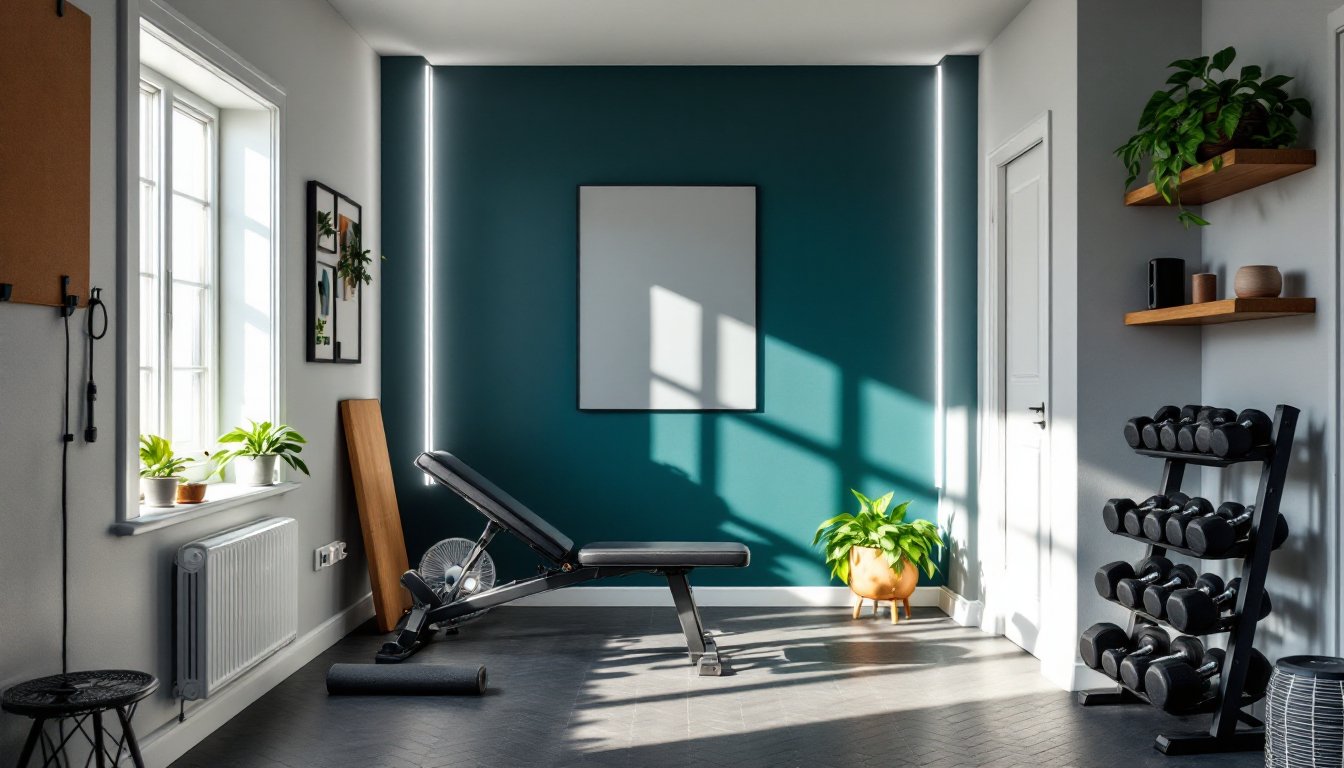
The way people use their homes has changed dramatically. Remote work, online learning, and home fitness have created demand for flexible spaces. Current interior design trends and ideas address these needs through multifunctional design.
Home offices that blend into living spaces have become standard. Designers use bookcases, curtains, and room dividers to create dedicated work zones without permanent walls. Murphy desks fold away when not in use, returning rooms to their original purpose.
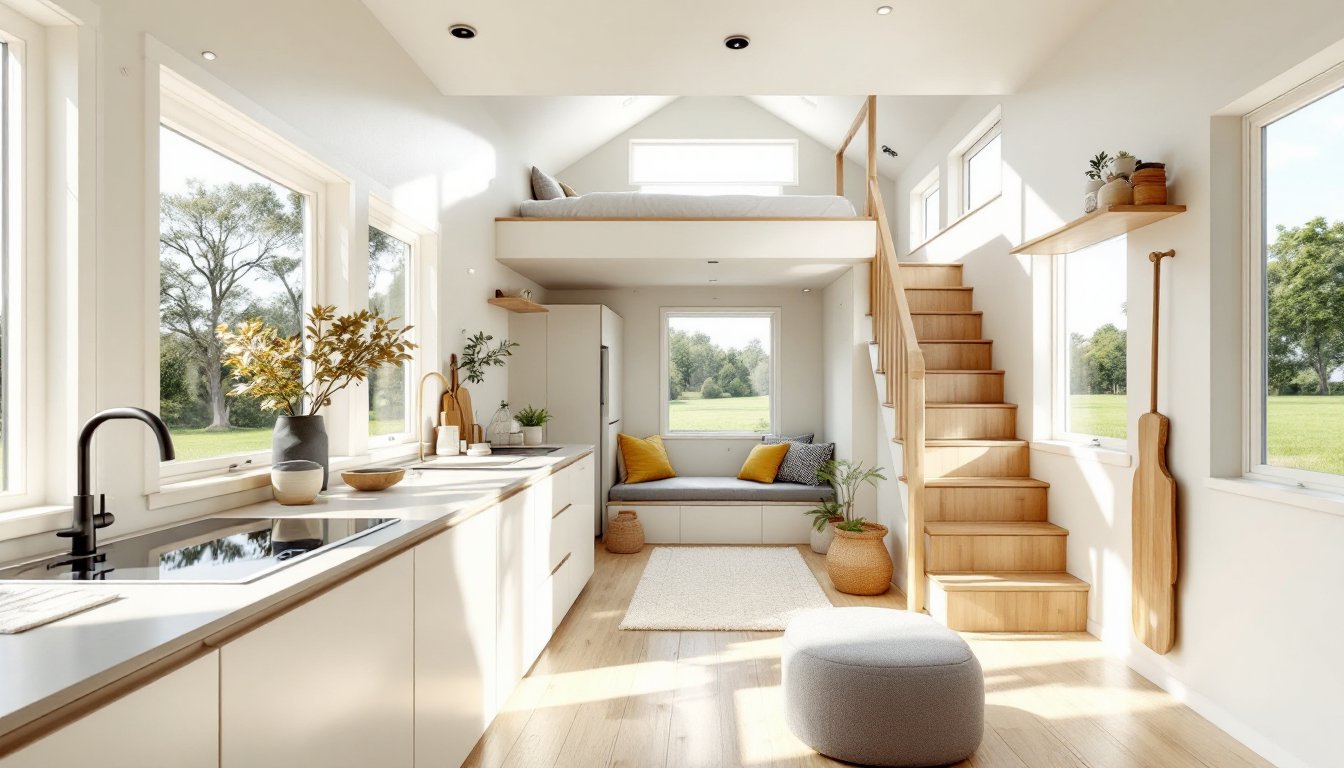
Storage solutions have grown smarter and more integrated. Built-in shelving maximizes vertical space. Under-stair storage creates hidden closets. Ottomans with interior compartments serve double duty as seating and organization.
Modular furniture supports flexibility in smaller homes. Sectional sofas can be rearranged for different occasions. Nesting tables expand when needed and tuck away when not. These pieces adapt to changing needs throughout the day.
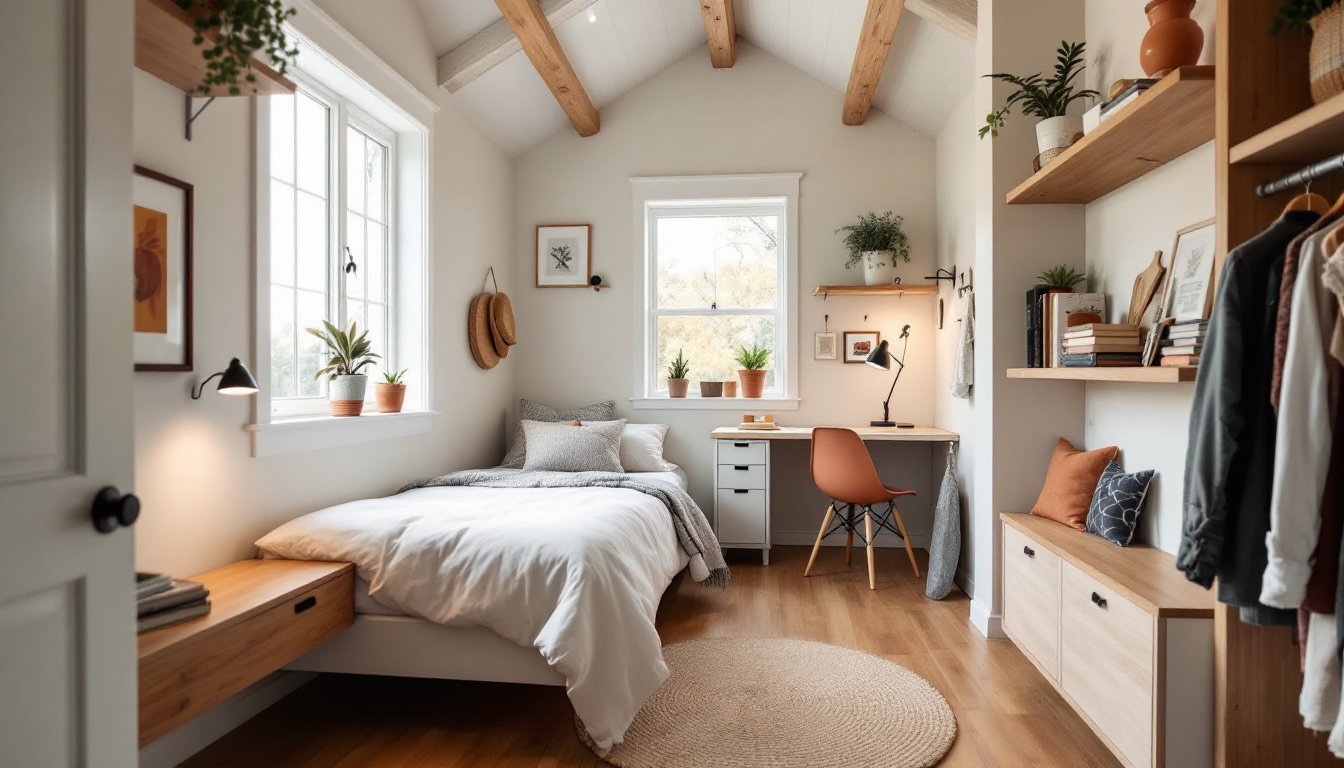
Hidden storage keeps clutter out of sight while maintaining clean aesthetics. Beds with drawers underneath provide seasonal storage. Kitchen islands with interior shelving hide appliances. These interior design trends prioritize function without sacrificing style.
Flexible dining spaces reflect changing habits too. Extendable tables accommodate both intimate dinners and large gatherings. Kitchen islands serve as casual eating spots for daily meals. These solutions work for various lifestyles and household sizes.