Table of Contents
ToggleTiny homes for beginners represent a growing movement in modern housing. These compact dwellings offer freedom, affordability, and a simpler lifestyle. In 2024, the tiny home market reached $5.6 billion globally, and it continues to expand as more people seek alternatives to traditional housing. Whether someone dreams of financial independence or wants to reduce their environmental footprint, tiny living provides a practical path forward. This guide covers everything a beginner needs to know, from understanding what tiny homes are to overcoming common challenges along the way.
Key Takeaways
- Tiny homes for beginners offer significant financial savings, with average build costs of $30,000–$60,000 compared to the $400,000+ median U.S. home price.
- Several tiny home types exist—including houses on wheels, foundation-built structures, shipping containers, and ADUs—each suited to different lifestyles and budgets.
- Research local zoning laws early, as regulations vary widely and can determine where and how you can place your tiny home.
- Environmental benefits like reduced energy use, solar power options, and smaller footprints make tiny living an eco-friendly housing choice.
- Financing a tiny home often requires alternatives to traditional mortgages, such as personal loans, RV loans, or paying cash.
- Expect an adjustment period when transitioning to small-space living, but most new owners adapt within a few months through decluttering and smart organization.
What Is a Tiny Home?
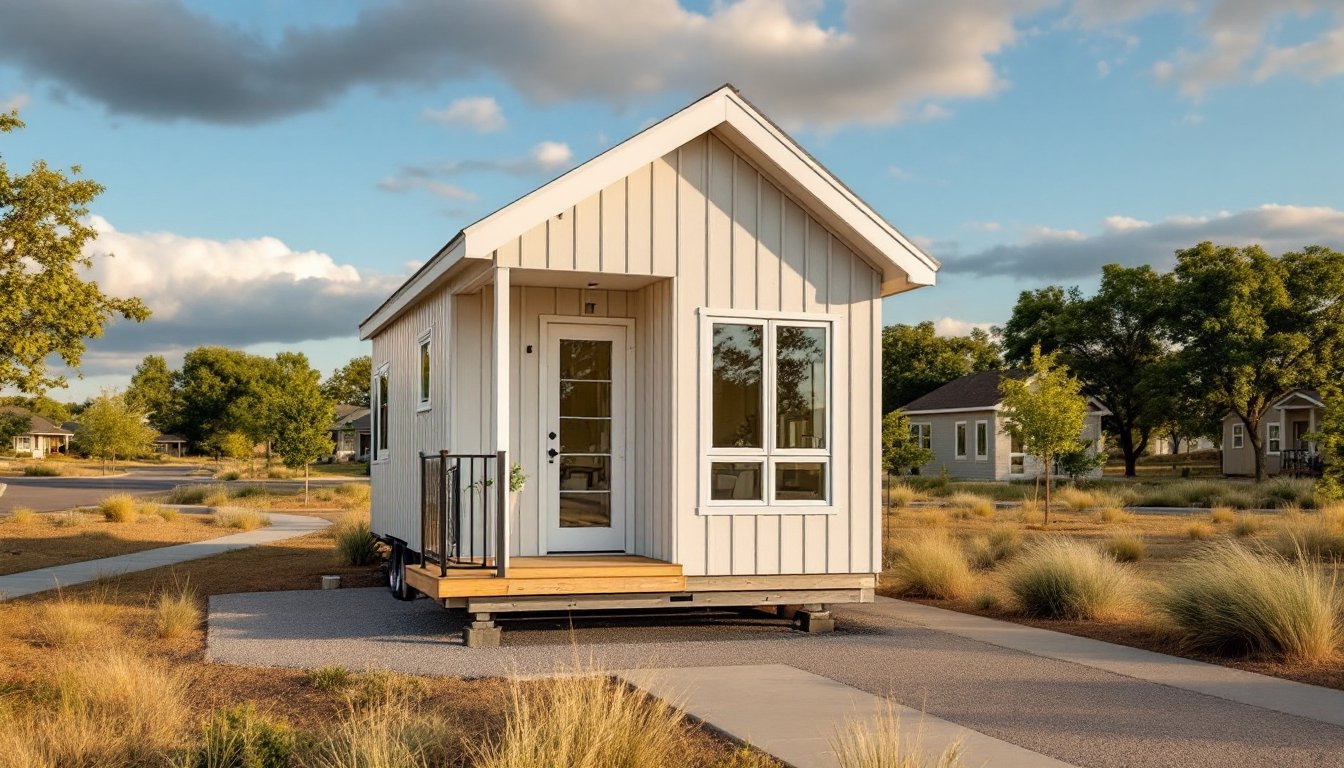
A tiny home is a residential structure that typically measures between 100 and 400 square feet. Some definitions extend up to 600 square feet, but most tiny homes fall within the smaller range. These dwellings come in various forms, including houses on wheels, foundation-built structures, and converted containers.
The tiny home movement began gaining traction in the early 2000s. It emerged from a desire for simpler living and lower costs. Today, tiny homes for beginners attract everyone from young professionals to retirees looking to downsize.
What separates a tiny home from a small apartment? Ownership and customization. Tiny homeowners control their space completely. They design layouts that match their needs. They choose materials, systems, and locations. This level of control makes tiny homes appealing to those who want housing on their own terms.
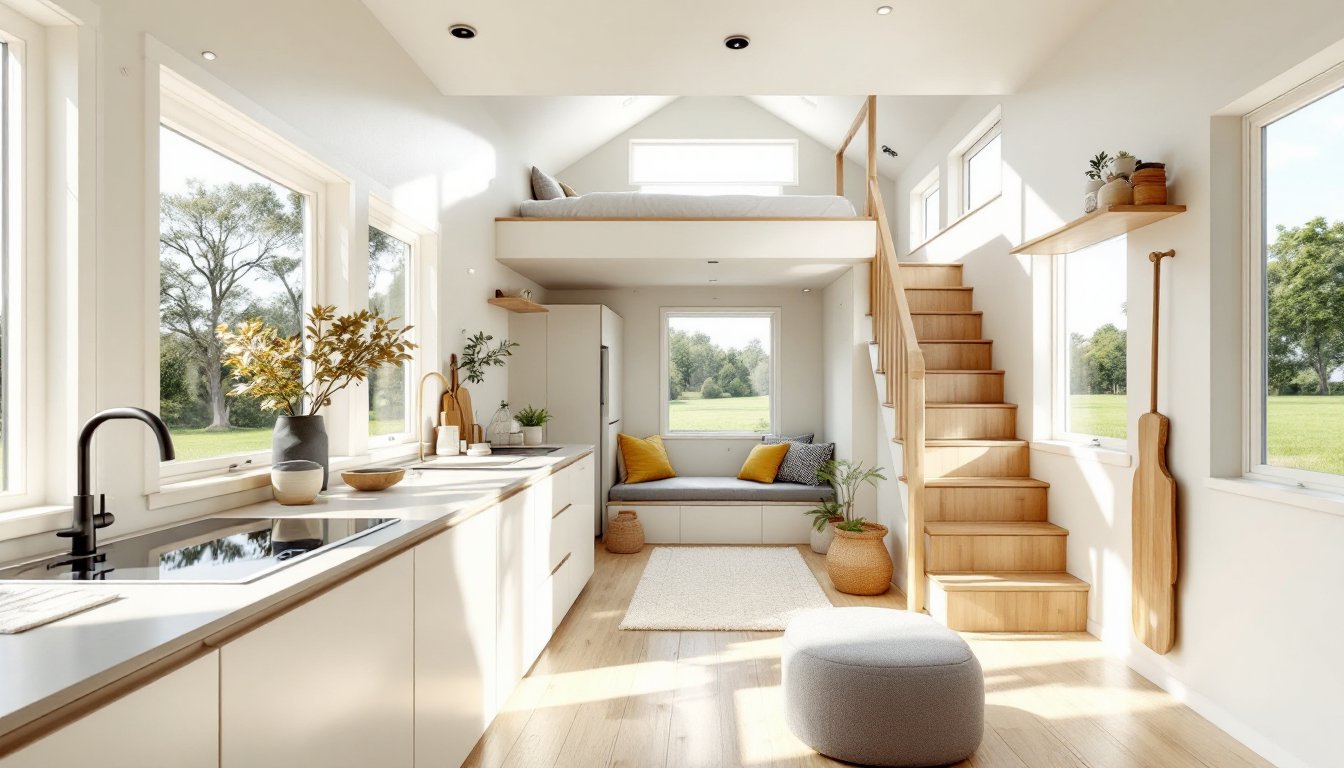
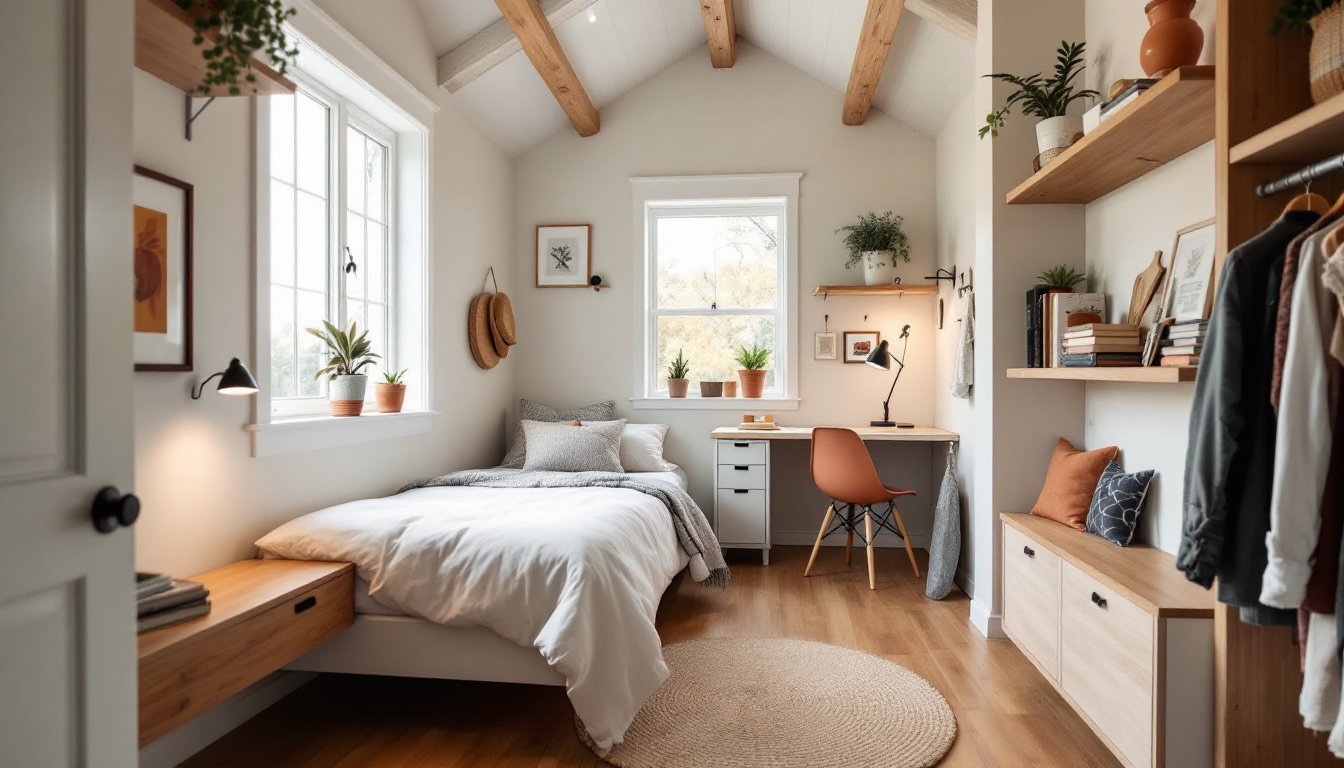
Most tiny homes include essential living areas: a sleeping loft or bedroom, a kitchen, a bathroom, and a multipurpose living space. Creative storage solutions maximize every inch. Fold-down tables, built-in shelving, and lofted beds help residents live comfortably in compact quarters.
Benefits of Living in a Tiny Home
Tiny homes offer financial advantages that traditional housing can’t match. The average tiny home costs between $30,000 and $60,000 to build. Compare that to the median U.S. home price of over $400,000. Many tiny homeowners eliminate mortgage payments entirely, freeing up income for travel, investments, or early retirement.
Environmental benefits also draw people to tiny living. Smaller spaces require less energy to heat and cool. Many tiny homes incorporate solar panels, composting toilets, and rainwater collection systems. The reduced footprint means fewer resources consumed over time.
Tiny homes encourage intentional living. Owners must evaluate what they truly need. This process often leads to less clutter and more focus on experiences over possessions. People report feeling less stressed when they’re not surrounded by excess stuff.
Mobility is another advantage for those who choose tiny homes on wheels. Owners can relocate without selling property. They can explore different communities and landscapes while keeping their home with them. This flexibility appeals to remote workers and adventure seekers alike.
For beginners interested in tiny homes, these benefits create a compelling case. Lower costs, environmental responsibility, and lifestyle freedom combine to make small-space living attractive.
Types of Tiny Homes to Consider
Beginners exploring tiny homes will encounter several distinct types. Each option suits different needs and budgets.
Tiny Houses on Wheels (THOWs)
These are the most recognizable tiny homes. Built on trailers, THOWs can be moved from location to location. They typically range from 100 to 300 square feet. Owners enjoy flexibility but must consider towing capacity and parking regulations.
Foundation-Built Tiny Homes
These structures sit on permanent foundations like traditional houses. They offer more stability and often have easier access to utilities. Zoning approval is generally simpler for foundation-built tiny homes in areas that allow them.
Shipping Container Homes
Converted shipping containers provide a durable shell for tiny living. Standard containers measure 160 or 320 square feet. They’re weather-resistant and structurally sound. Insulation and interior finishing transform them into comfortable living spaces.
Accessory Dwelling Units (ADUs)
ADUs are small homes built on existing residential properties. They serve as guest houses, rental units, or downsized primary residences. Many cities now encourage ADU construction to address housing shortages.
Prefab and Kit Homes
These tiny homes come partially or fully assembled. Manufacturers build components in factories, then deliver them to sites. Prefab options reduce construction time and often cost less than custom builds.
Beginners should evaluate their priorities, mobility, permanence, budget, and building skills, before choosing a tiny home type.
Essential Steps to Getting Started
Starting the journey toward tiny home ownership requires planning and research. These steps help beginners move from curiosity to action.
Step 1: Define Goals and Priorities
What does the future owner want from tiny living? Some people prioritize travel. Others want to eliminate debt. Still others seek a simpler daily routine. Clear goals guide every decision that follows.
Step 2: Research Local Zoning Laws
Zoning regulations vary dramatically by location. Some areas welcome tiny homes. Others restrict them severely. Beginners must understand local rules before investing time or money. City planning offices and online resources provide this information.
Step 3: Set a Realistic Budget
Tiny homes range from $15,000 for basic DIY builds to $150,000 or more for custom luxury models. Beyond construction costs, owners should budget for land, utilities, permits, and furnishings. A clear budget prevents financial surprises.
Step 4: Choose a Path: Build, Buy, or Hire
Some beginners build their tiny homes from scratch. Others purchase ready-made models. Many hire professional builders. Each approach has trade-offs involving cost, time, and customization.
Step 5: Find a Location
Tiny home owners need somewhere to put their dwelling. Options include purchasing land, renting space in a tiny home community, or parking on private property with owner permission. Location affects access to utilities, community, and daily convenience.
Step 6: Design for Real Life
Effective tiny home design considers daily routines. How does the owner cook, sleep, work, and relax? Smart layout choices make small spaces feel larger and more functional.
Common Challenges and How to Overcome Them
Tiny homes for beginners come with hurdles. Knowing these challenges in advance helps new owners prepare.
Zoning and Legal Issues
Many municipalities don’t have clear regulations for tiny homes. Some classify them as RVs. Others don’t recognize them at all. Solutions include finding tiny-home-friendly areas, working with local officials to obtain variances, or placing homes on land zoned for ADUs.
Limited Space
Adjusting to small-space living takes time. New tiny homeowners often struggle with storage and organization. Regular decluttering helps. So does investing in multipurpose furniture and vertical storage solutions. Most people adapt within a few months.
Financing Difficulties
Traditional mortgages rarely apply to tiny homes, especially those on wheels. Alternative financing options include personal loans, RV loans, builder financing, and saving to pay cash. Some credit unions offer specific tiny home loan products.
Utility Connections
Off-grid systems require maintenance and knowledge. Grid-connected tiny homes need proper hookups. Both scenarios demand planning. Beginners should research utility options early and budget accordingly.
Social Adjustment
Living tiny affects relationships and social dynamics. Couples must share limited space. Hosts can’t accommodate large gatherings easily. Open communication and realistic expectations smooth this transition.
These challenges are real, but none are insurmountable. Thousands of people successfully transition to tiny homes each year. Preparation and flexibility make the difference.