Table of Contents
ToggleTiny homes have become a major housing trend across the United States. These compact dwellings typically measure under 400 square feet and offer an alternative to traditional housing. Many people choose tiny homes to reduce expenses, lower their environmental footprint, or simplify their lives. This guide covers everything readers need to know about tiny homes, from definitions and benefits to types and potential challenges. Whether someone is seriously considering a move or simply curious about the lifestyle, this article provides the essential information to understand the tiny home movement.
Key Takeaways
- Tiny homes typically range from 100 to 400 square feet and cost between $30,000 and $60,000—a fraction of traditional home prices.
- Living in a tiny home can dramatically reduce monthly expenses, with utility bills often running just $50 to $100 per month.
- Tiny homes offer significant environmental benefits, using roughly one-tenth the building materials and far less energy than conventional houses.
- Options include tiny houses on wheels, foundation-based homes, container homes, prefabricated units, and DIY builds to suit different lifestyles.
- Zoning laws and building codes vary widely, so research local regulations before purchasing or building a tiny home.
- Test the tiny home lifestyle through rentals or visits before committing, as limited space requires significant lifestyle adjustments.
What Is a Tiny Home?
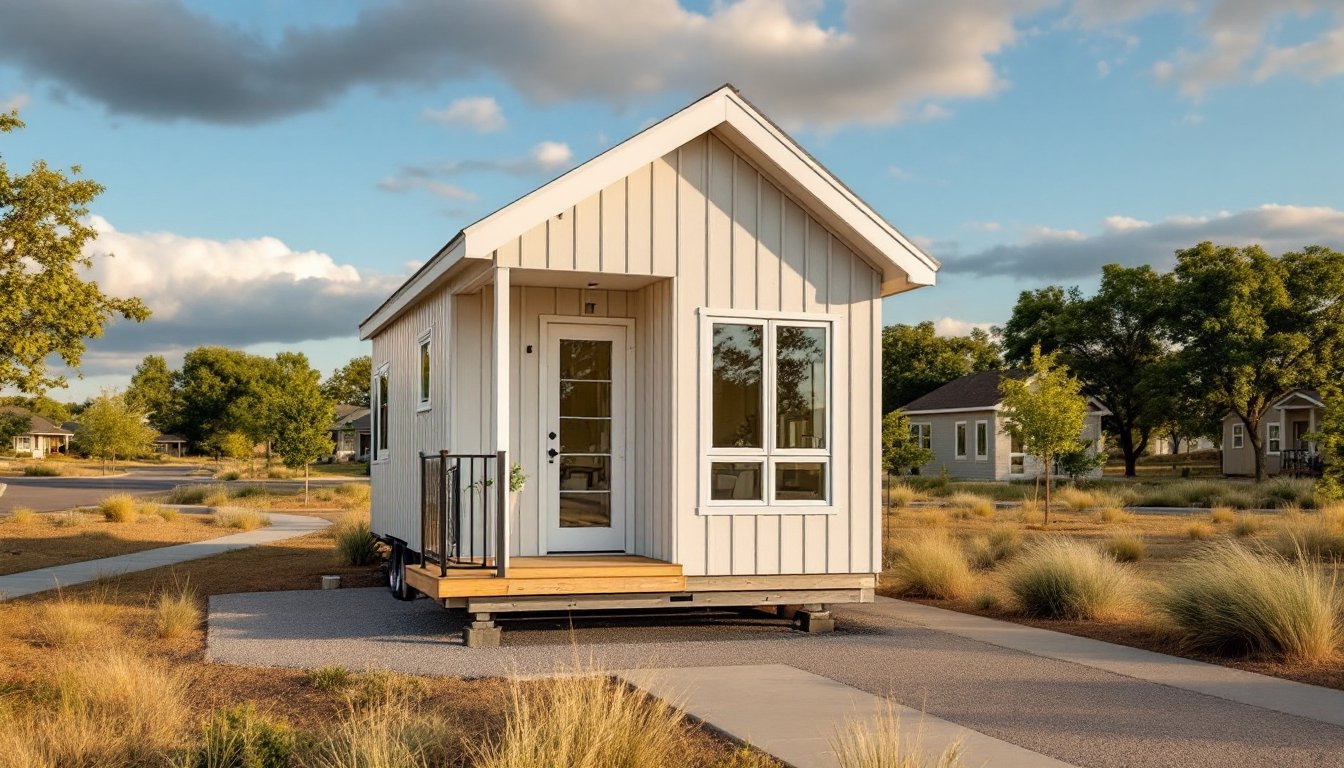
A tiny home is a residential structure that typically ranges from 100 to 400 square feet. The concept challenges conventional ideas about how much space people actually need to live comfortably.
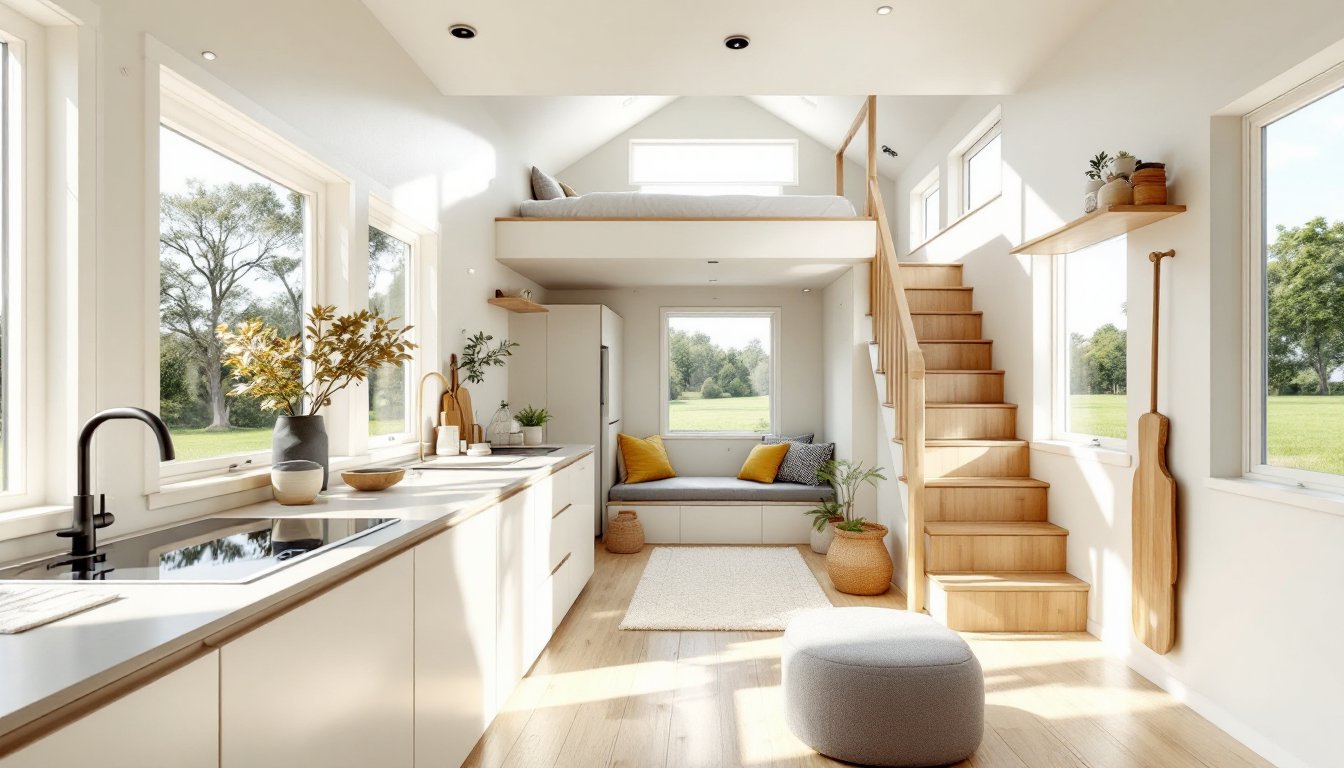
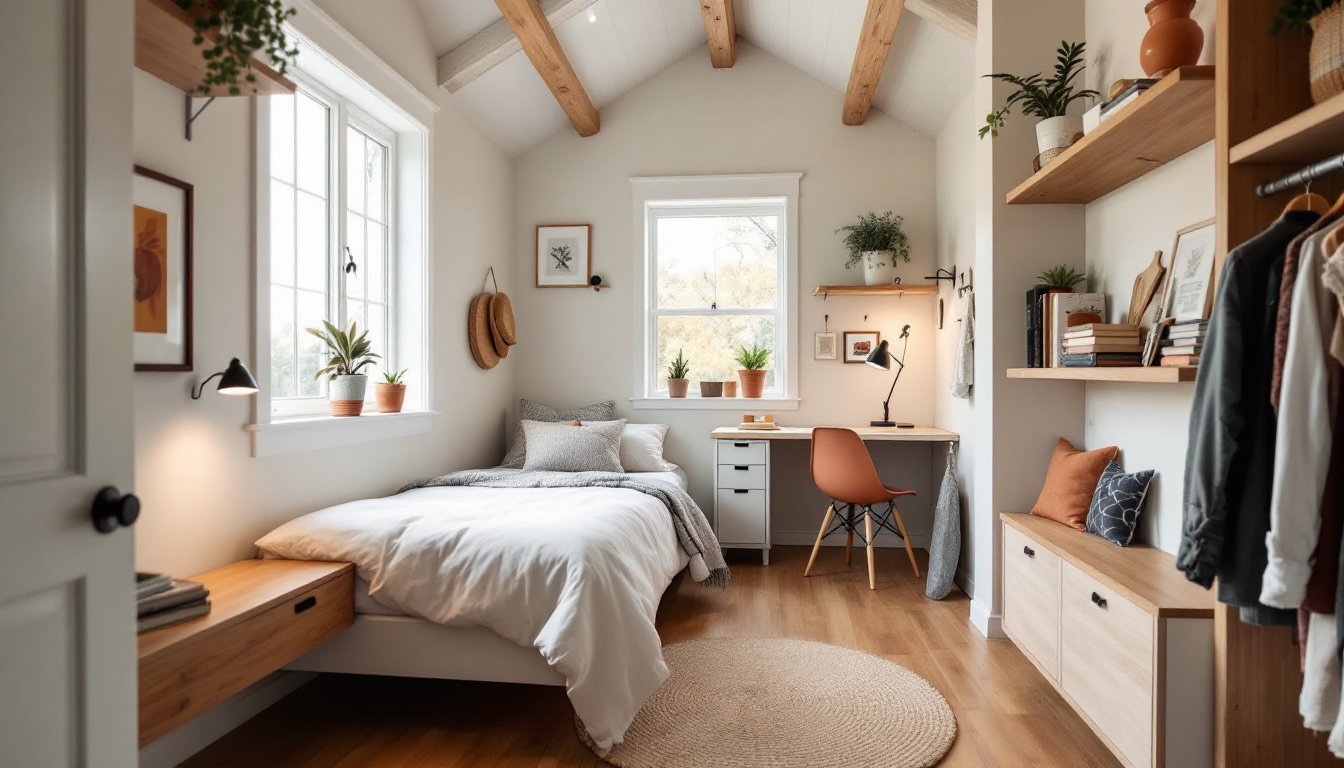
Tiny homes come in various forms. Some sit on permanent foundations, while others rest on wheels for mobility. The design prioritizes efficient use of every square foot. Lofted sleeping areas, multi-purpose furniture, and creative storage solutions are common features.
The tiny home movement gained momentum in the early 2000s. Economic pressures and growing environmental awareness pushed many Americans to reconsider their housing choices. Today, tiny homes appear in backyards as accessory dwelling units (ADUs), in dedicated tiny home communities, and on rural properties across the country.
Building codes and zoning regulations vary significantly by location. Some cities have embraced tiny homes with specific ordinances, while others maintain restrictions that make placement difficult. Prospective tiny home owners should research local laws before purchasing or building.
Benefits of Living in a Tiny Home
Tiny homes offer distinct advantages that attract people from various backgrounds. The benefits extend beyond simple cost savings to include lifestyle improvements and positive environmental effects.
Financial Advantages
The most obvious benefit of tiny homes is reduced cost. A typical tiny home costs between $30,000 and $60,000 to build, compared to the median U.S. home price of over $400,000. This price difference allows many people to own their homes outright without a mortgage.
Monthly expenses drop significantly in a tiny home. Utility bills often run $50 to $100 per month due to the smaller space requiring less heating, cooling, and electricity. Property taxes decrease with lower home valuations. Insurance premiums also tend to be lower for tiny homes.
Many tiny home owners report gaining financial freedom. Without large mortgage payments, they can save more money, retire earlier, or pursue careers they find meaningful rather than simply lucrative. The reduced financial pressure creates options that traditional homeowners rarely enjoy.
Environmental Impact
Tiny homes leave a smaller environmental footprint than conventional houses. The construction process uses fewer materials, which reduces resource consumption. A 200-square-foot tiny home requires roughly one-tenth the lumber of a 2,000-square-foot house.
Energy consumption drops dramatically in tiny homes. The small interior volume needs less power to heat and cool. Many tiny home owners install solar panels that can fully power their dwellings. Some designs incorporate rainwater collection systems and composting toilets to further reduce environmental impact.
The tiny home lifestyle often encourages additional sustainable habits. Limited storage space means buying less stuff. Many tiny home residents become more conscious consumers, purchasing only what they truly need. This shift in mindset contributes to reduced waste overall.
Types of Tiny Homes to Consider
The tiny home market offers several distinct options. Each type serves different needs and preferences.
Tiny Houses on Wheels (THOWs) provide mobility and flexibility. These structures sit on trailers, allowing owners to relocate as needed. THOWs often bypass certain building codes because they classify as RVs rather than permanent structures. But, finding legal parking locations can prove challenging.
Foundation-Based Tiny Homes offer more stability and often easier legal compliance. These structures meet traditional building codes and can connect to standard utilities. They work well as primary residences in areas with supportive zoning laws or as ADUs in backyards.
Container Homes repurpose shipping containers into living spaces. The steel structure provides durability and a modern aesthetic. Container tiny homes typically cost less than traditional construction and can be completed quickly.
Prefabricated Tiny Homes arrive partially or fully assembled from manufacturers. Companies like Escape, Tumbleweed, and ESCAPE produce quality units that buyers can customize. This option reduces construction time and eliminates many on-site building headaches.
DIY Builds appeal to those with construction skills and time. Building a tiny home from scratch allows complete customization and can reduce costs significantly. Many builders document their projects online, creating a helpful community resource for newcomers.
Challenges and Considerations Before Going Tiny
Tiny homes present real challenges that potential owners should carefully evaluate.
Zoning and Legal Issues remain the biggest obstacle for many people. Most U.S. cities have minimum square footage requirements for residences. Finding legal places to park or build tiny homes requires research and sometimes creative solutions. Some owners join tiny home communities, while others lease land in rural areas with fewer restrictions.
Limited Space affects daily life in ways newcomers might not anticipate. Tiny homes demand ruthless decluttering. Couples and families must negotiate shared space constantly. Entertaining guests becomes difficult, and hobbies requiring equipment may need to happen elsewhere.
Financing Difficulties surprise many buyers. Traditional mortgage lenders rarely finance tiny homes, especially those on wheels. Buyers often use personal loans, RV loans, or pay cash. Interest rates on these alternatives typically exceed standard mortgage rates.
Resale Uncertainty presents another concern. The tiny home market remains relatively small compared to traditional real estate. Selling a tiny home may take longer, and values can fluctuate based on local demand and trends.
Lifestyle Adjustment requires honest self-assessment. Not everyone thrives in small spaces. Living in a tiny home tests minimalist commitments daily. People considering this path should spend time in tiny homes, through rentals or visits, before committing to purchase or build one.