Table of Contents
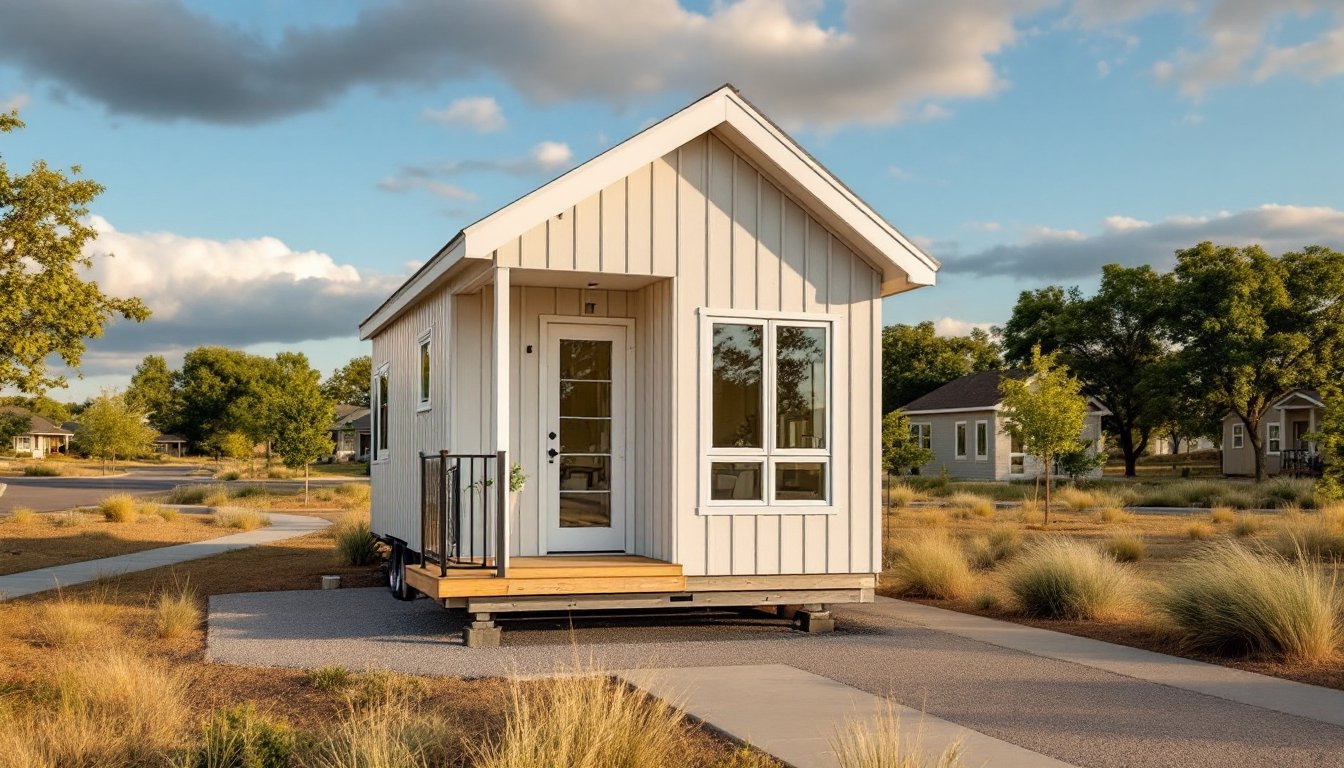
ToggleTiny homes techniques have changed the way people think about residential construction. These small dwellings, typically under 400 square feet, require specific building methods that maximize every inch of available space. Builders and homeowners now use innovative strategies to create comfortable, functional homes without the square footage of traditional houses.
The tiny home movement continues to grow as housing costs rise and environmental awareness increases. Whether someone plans to build on a foundation or create a mobile dwelling on wheels, understanding the right construction techniques makes all the difference. This guide covers the essential tiny homes techniques that professionals and DIY builders use to create efficient, livable small spaces.
Key Takeaways
- Tiny homes techniques maximize every inch of space through vertical construction, wall-mounted storage, and strategic room placement.
- Thin-wall framing options like 2×4 studs or steel framing gain valuable interior space while high-performance insulation maintains energy efficiency.
- Multi-functional furniture—such as Murphy beds, fold-down desks, and convertible sofas—is essential for making small spaces livable and flexible.
- Off-grid tiny homes typically require 2-4 kilowatts of solar capacity and 10-20 kilowatt-hours of battery storage for comfortable living.
- Sustainable building approaches like rainwater collection, composting toilets, and greywater systems reduce environmental impact and utility dependence.
- Open floor plans and dual-purpose rooms eliminate wasted space, allowing kitchens, offices, and living areas to share the same footprint.
Space-Saving Construction Strategies
Space-saving construction strategies form the foundation of successful tiny homes techniques. Every structural decision impacts how much usable room remains inside the finished dwelling.
Vertical Building Methods
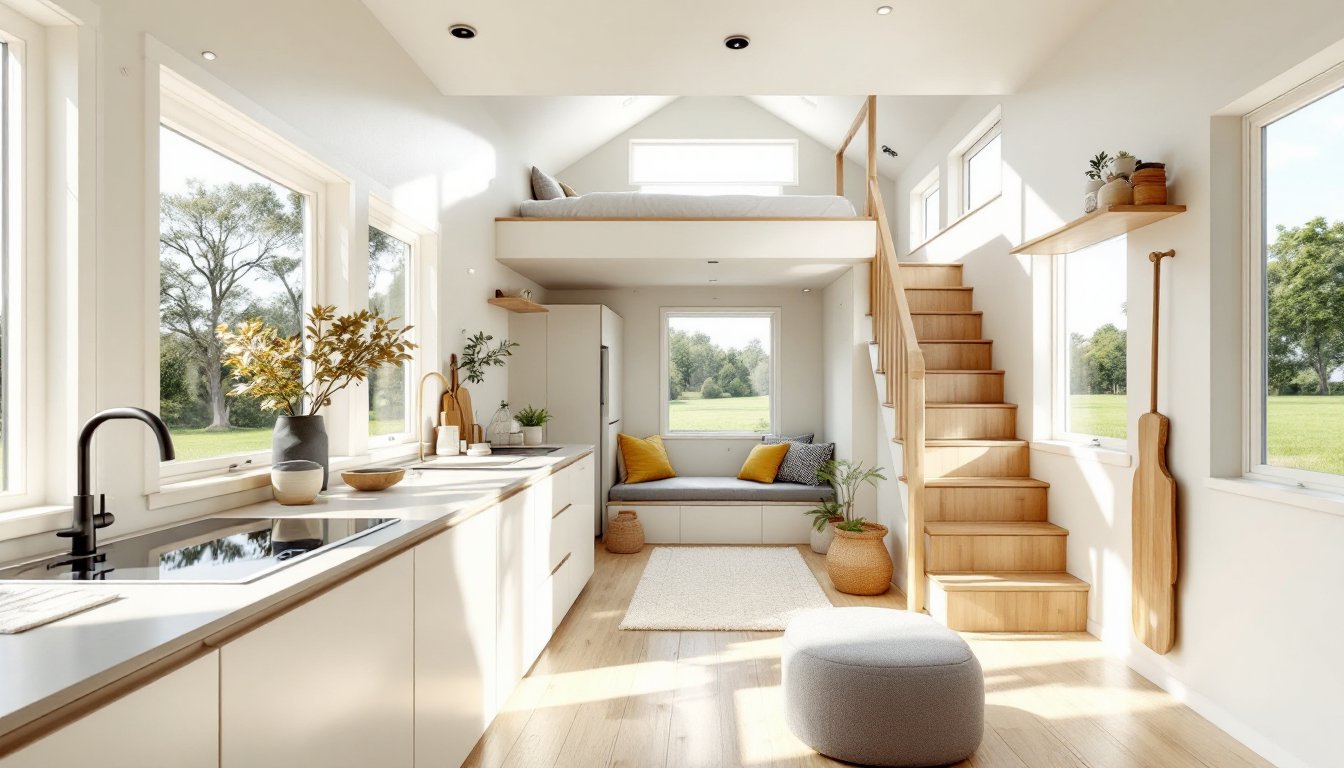
Vertical construction maximizes floor space by pushing storage and living areas upward. Builders commonly install sleeping lofts above main living areas, adding 50-80 square feet of usable space without increasing the home’s footprint. Cathedral ceilings create visual openness while providing room for these elevated platforms.
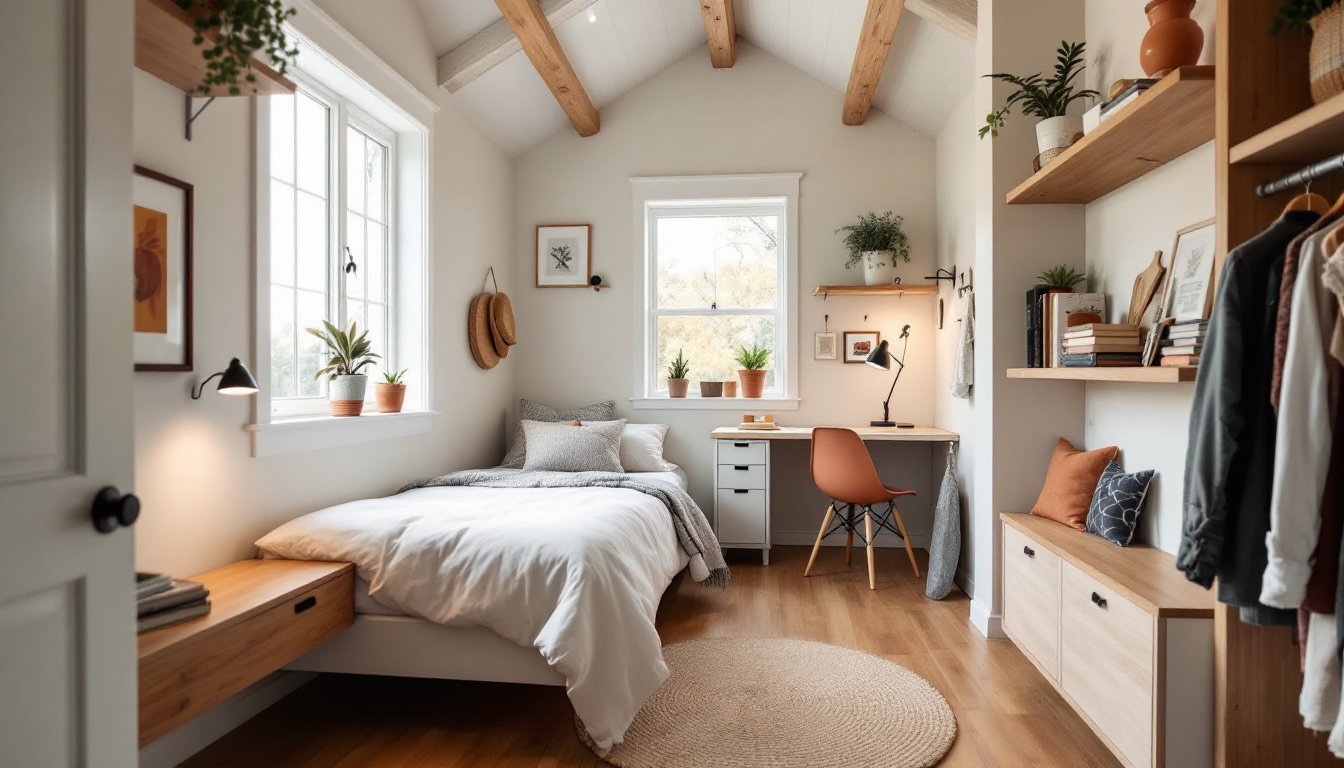
Wall-mounted storage systems replace bulky furniture. Built-in shelving, fold-down desks, and hanging organizers keep belongings accessible without consuming floor area. Many tiny home builders integrate storage directly into stair risers leading to loft spaces.
Strategic Room Placement
Room placement follows traffic flow patterns in tiny homes techniques. Builders position kitchens and bathrooms along one wall to consolidate plumbing runs. This approach reduces material costs and simplifies maintenance.
Open floor plans eliminate unnecessary walls and hallways. A single great room serves as kitchen, dining area, and living space. Sliding barn doors or curtains provide privacy when needed without the permanent footprint of swinging doors.
Builders also use corner spaces effectively. Corner shelving, angled cabinets, and triangular storage compartments capture areas that traditional construction often wastes.
Efficient Framing and Insulation Methods
Framing and insulation choices directly affect both interior space and energy performance. Tiny homes techniques require careful material selection to balance structural integrity with space efficiency.
Thin-Wall Framing Options
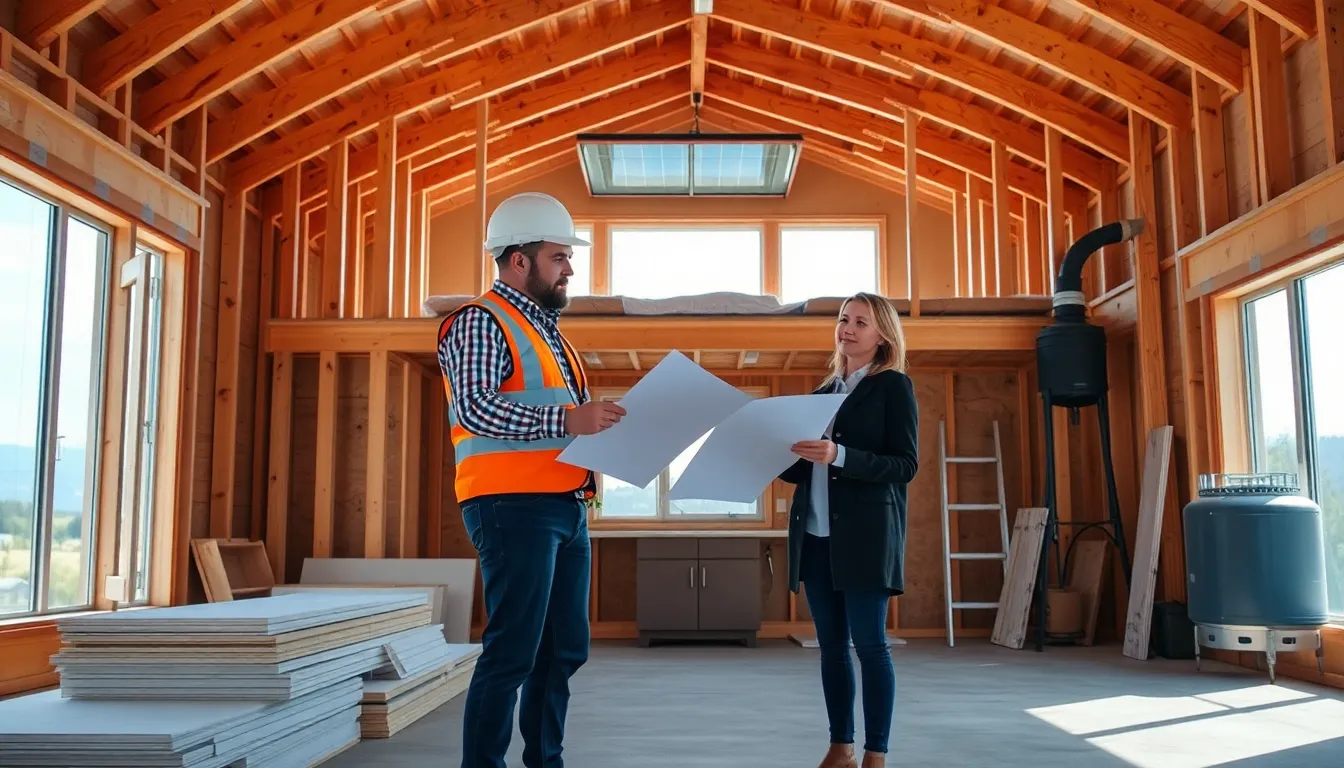
Standard 2×6 wall framing consumes valuable interior space. Many tiny home builders choose 2×4 framing or steel studs to gain several inches of floor area. Advanced framing techniques, also called optimum value engineering, reduce the number of studs needed while maintaining structural strength.
Steel framing offers advantages for tiny homes on wheels. It weighs less than wood, resists moisture damage, and allows for thinner wall assemblies. Some builders use structural insulated panels (SIPs) that combine framing and insulation in a single component.
High-Performance Insulation
Small spaces demand high-performance insulation to maintain comfort without thick walls. Spray foam insulation delivers superior R-values per inch compared to fiberglass batts. Closed-cell spray foam also adds structural rigidity and serves as a vapor barrier.
Rigid foam boards work well for tiny homes techniques focused on mobile construction. These lightweight panels install quickly and resist settling during transport. Many builders combine rigid foam on exterior walls with spray foam in smaller cavities.
Proper insulation reduces heating and cooling loads significantly. A well-insulated tiny home may need only a small mini-split system or even a portable heater to maintain comfortable temperatures year-round.
Multi-Functional Design Techniques
Multi-functional design stands at the heart of effective tiny homes techniques. Furniture and fixtures must serve multiple purposes to justify their presence in limited square footage.
Convertible Furniture Systems
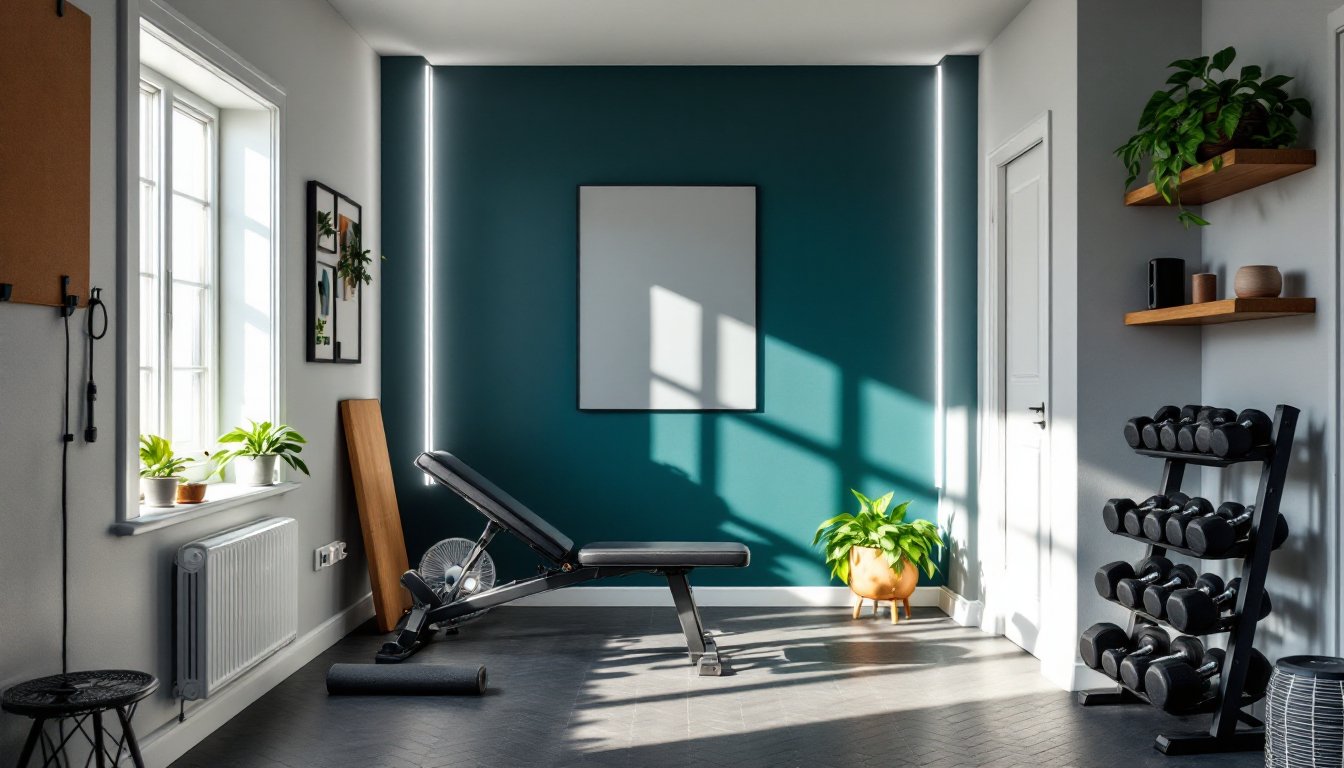
Convertible furniture transforms spaces throughout the day. Murphy beds fold into walls, revealing home offices or exercise areas. Dining tables drop from walls or rise from counters when needed, then disappear to open floor space.
Sofas with built-in storage hold bedding, books, or seasonal items. Some designs convert into guest beds, eliminating the need for dedicated guest rooms. Ottoman cubes serve as seating, storage, and coffee tables depending on the situation.
Builders often install custom convertible systems during construction. Factory-built tiny homes increasingly feature integrated furniture that matches the overall design aesthetic.
Dual-Purpose Rooms
Every room in a tiny home should serve at least two functions. Bathrooms double as laundry rooms with compact washer-dryer combos. Kitchens extend into dining areas with fold-out counter extensions.
Home offices hide within living rooms through clever tiny homes techniques. A closet becomes a workstation when doors open to reveal a desk, shelving, and task lighting. Pocket doors or curtains conceal the workspace during off-hours.
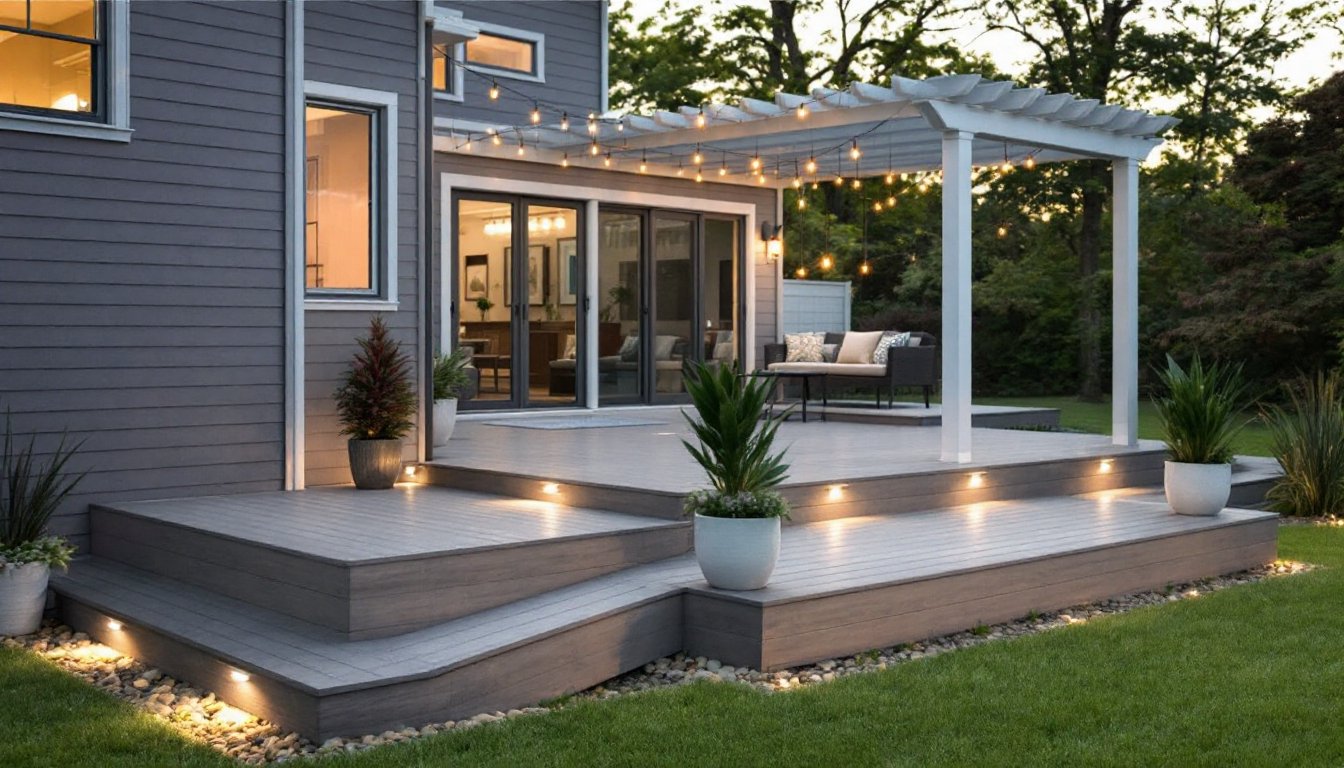
Outdoor spaces extend living areas seasonally. Fold-down decks, attached awnings, and screened porches add functional square footage without permanent construction.
Off-Grid and Sustainable Building Approaches
Off-grid capabilities appeal to many tiny home owners who want independence from utility connections. Sustainable tiny homes techniques reduce environmental impact while lowering long-term operating costs.
Solar and Electrical Systems
Solar panel installations power most off-grid tiny homes. Roof-mounted or ground-based arrays collect energy that charges battery banks for nighttime use. Modern lithium-ion batteries store more power in smaller spaces than older lead-acid options.
DC electrical systems work efficiently in tiny spaces. LED lighting, DC-powered appliances, and USB outlets reduce energy conversion losses. Many builders wire homes for both AC and DC power to maximize flexibility.
Solar system sizing depends on energy consumption and location. A typical tiny home needs 2-4 kilowatts of solar capacity and 10-20 kilowatt-hours of battery storage for comfortable off-grid living.
Water and Waste Solutions
Rainwater collection systems provide water independence using tiny homes techniques. Roof gutters direct water to storage tanks, while filtration systems make it safe for drinking. A 500-gallon tank supplies several weeks of water for careful users.
Composting toilets eliminate the need for septic systems or sewer connections. Modern designs control odors effectively and produce usable compost over time. Greywater systems filter sink and shower water for irrigation use.
Propane powers cooking appliances and water heaters in many off-grid setups. Tankless water heaters save space while providing hot water on demand. Some builders install wood stoves that provide both heating and cooking capability.