Table of Contents
ToggleFinding decorating ideas that actually work can feel overwhelming. There are thousands of Pinterest boards, magazine spreads, and Instagram accounts competing for attention. But here’s the thing: good decorating ideas don’t come from copying trends blindly. They come from understanding what makes a space feel like home.
Whether someone is moving into a new apartment or refreshing a room they’ve stared at for years, the right decorating ideas can change everything. A well-decorated room improves mood, increases functionality, and creates a space people actually want to spend time in. This guide breaks down practical steps to find decorating ideas that fit any style, budget, and living situation.
Key Takeaways
- Identify your personal style first by examining your wardrobe and favorite spaces to find decorating ideas that truly fit your taste.
- Gather inspiration from multiple sources—Pinterest, Instagram, design magazines, and physical spaces—to avoid cookie-cutter results.
- Focus on one room at a time, starting with high-impact spaces, and follow a logical order from focal point to accessories.
- Work with what you already have by rearranging furniture, repurposing items, and shopping secondhand to stretch your budget.
- Layer color and texture throughout your space using a 3-5 color palette and mixing soft, hard, and natural materials for visual depth.
- Test decorating ideas before committing by using paint samples and affordable accessories to see what works in your specific space.
Start With Your Personal Style
Before browsing a single design website, homeowners should identify their personal style. This step saves time and prevents expensive mistakes.
Ask simple questions: Does a minimalist apartment with clean lines feel appealing? Or does a cozy, layered look with vintage finds seem more comfortable? Some people gravitate toward modern decorating ideas with sleek furniture and neutral colors. Others prefer traditional styles with warm wood tones and classic patterns.
A quick exercise helps clarify preferences. Look through closets. The colors and textures someone wears often reflect what they’d enjoy in their home. Someone who owns mostly black and white clothing might love a monochromatic living room. A person with bright, patterned shirts might thrive with bold accent pieces.
Another approach: think about favorite vacation spots or restaurants. What made those spaces memorable? The answer often reveals hidden style preferences that translate into decorating ideas for home.
Gather Inspiration From Multiple Sources
The best decorating ideas come from casting a wide net. Relying on one source leads to cookie-cutter results.
Digital platforms offer endless options. Pinterest boards allow users to save and organize decorating ideas by room or style. Instagram hashtags like #livingroomdecor or #smallspaceliving showcase real homes from real people. Houzz provides professional photos sorted by room type, style, and budget.
Print media still matters. Design magazines like Architectural Digest, Elle Decor, and Better Homes & Gardens feature curated looks that online algorithms might miss. Libraries often carry back issues for free browsing.
Physical spaces provide inspiration too. Visit furniture showrooms, open houses, or even hotel lobbies. Pay attention to how professionals arrange furniture, use lighting, and mix patterns. Take photos for reference later.
Nature and travel spark unexpected decorating ideas. A beach vacation might inspire a blue-and-white color scheme. A walk through autumn woods could suggest warm amber accents. The key is staying observant and saving ideas that create an emotional response.
Focus On One Room At A Time
Trying to decorate an entire home at once leads to burnout and budget problems. Smart decorators tackle one room at a time.
Start with the room that matters most. For many families, this means the living room or kitchen. For remote workers, a home office might take priority. Focusing effort on high-impact spaces delivers faster satisfaction.
Within each room, follow a logical order:
- Choose a focal point. This might be a fireplace, large window, or statement piece of furniture. All other decorating ideas should support this anchor.
- Select major furniture first. Sofas, beds, and dining tables set the scale and style for everything else.
- Add secondary pieces. Side tables, lamps, and accent chairs fill in the layout.
- Layer in accessories. Pillows, artwork, plants, and decorative objects bring personality.
This step-by-step approach prevents the common mistake of buying random items that don’t work together. Each purchase builds on previous decisions, creating a cohesive look.
Work With What You Already Have
Great decorating ideas don’t always require shopping sprees. Sometimes the best updates come from rearranging or repurposing existing items.
Start by editing. Remove clutter and anything that doesn’t bring joy or serve a function. Empty surfaces and cleared corners make rooms feel larger and more intentional.
Next, try rearranging furniture. Moving a sofa to a different wall or angling chairs toward a window creates a completely different feel. This costs nothing and takes an afternoon.
Consider small updates to existing pieces:
- Paint outdated furniture in fresh colors
- Swap hardware on cabinets and dressers
- Recover throw pillows with new fabric
- Frame postcards, fabric swatches, or book pages as art
Shopping secondhand extends budgets further. Thrift stores, estate sales, and Facebook Marketplace offer unique pieces at fraction of retail prices. A vintage lamp or antique mirror adds character that mass-produced items can’t match.
The goal is working smarter, not spending more. Decorating ideas should enhance life, not drain bank accounts.
Experiment With Color And Texture
Color and texture transform rooms faster than almost any other element. They’re also the easiest decorating ideas to test without major commitment.
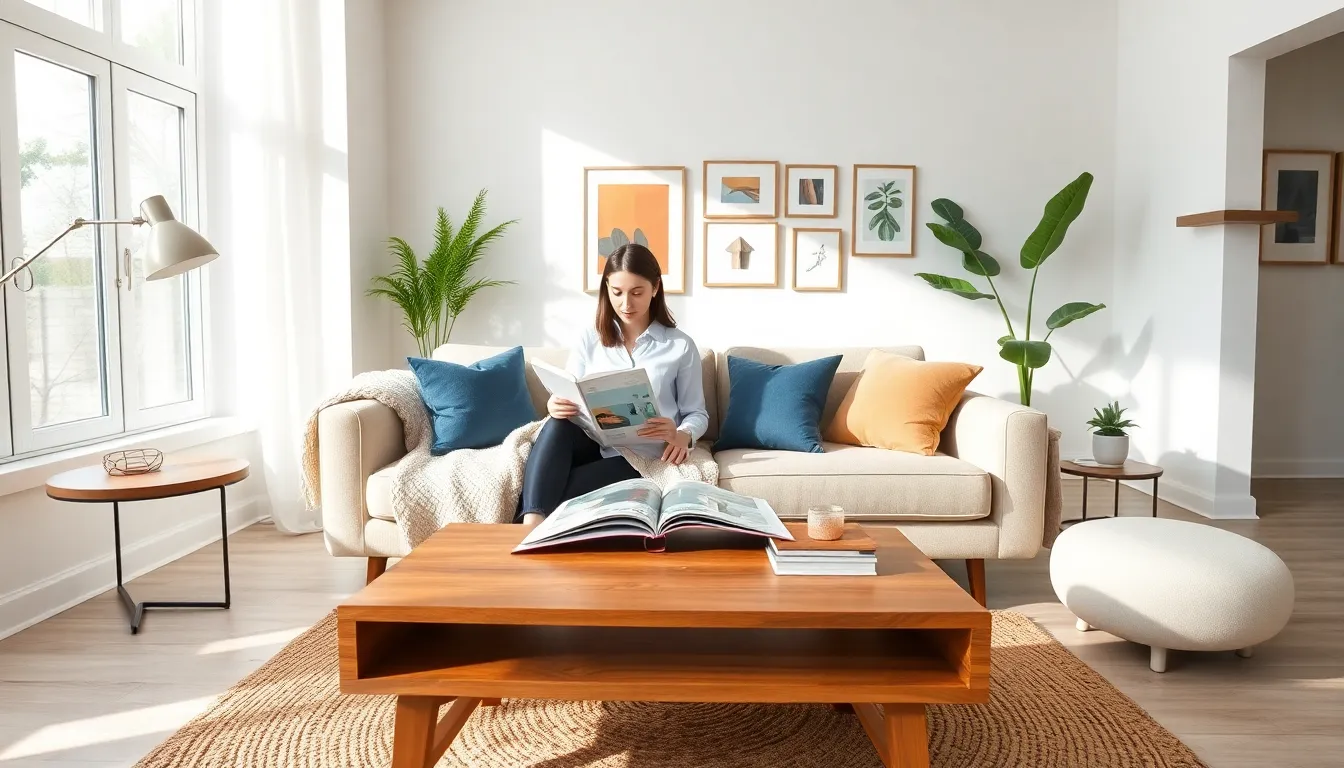
Start with a color palette. Three to five colors work for most rooms. Choose one dominant shade (usually for walls or large furniture), one or two secondary colors (for accent pieces), and a neutral to balance everything.
Not sure which colors to pick? Pull from existing items. A favorite throw blanket, piece of artwork, or even a beloved coffee mug can inspire an entire room’s palette.
Layer textures for depth. A room with all smooth surfaces feels flat and cold. Mix materials:
- Soft elements: velvet, linen, wool, faux fur
- Hard elements: wood, metal, glass, stone
- Natural elements: wicker, jute, leather, cotton
A leather sofa next to a chunky knit throw and a sleek metal side table creates visual interest. The eye moves around the room, noticing different surfaces and finishes.
Test before committing. Paint samples on walls and live with them for a few days in different lighting. Buy affordable throw pillows or inexpensive curtains to test colors before investing in permanent changes. These low-risk experiments reveal what actually works in a specific space.