Table of Contents
ToggleA well-decorated home feels intentional. It reflects personality, comfort, and function. This decorating ideas guide covers practical strategies to help anyone create a space that looks cohesive and feels personal.
Whether starting from scratch or refreshing a single room, the right approach makes all the difference. From color palettes to lighting choices, each decision shapes the overall atmosphere. The sections below break down key decorating ideas into actionable steps. Readers will find tips for layering textures, selecting statement pieces, and staying on budget, all while building a space that truly feels like home.
Key Takeaways
- Use the 60-30-10 color formula to create a cohesive palette that ties your entire room together.
- Layer textures like velvet, linen, wood, and metal to add depth and visual interest to any space.
- Maximize natural light with sheer curtains and strategically placed mirrors, then layer ambient, task, and accent lighting for flexibility.
- Limit statement pieces to one or two per room to create a focal point without visual chaos.
- Stretch your decorating budget by rearranging furniture, shopping secondhand, and tackling simple DIY projects.
- This decorating ideas guide reminds you that patience pays off—waiting for the right piece beats filling your space with impulse buys.
Choosing a Cohesive Color Palette
Color sets the foundation for any room. A cohesive color palette ties furniture, walls, and accessories together. Without it, even beautiful pieces can look mismatched.
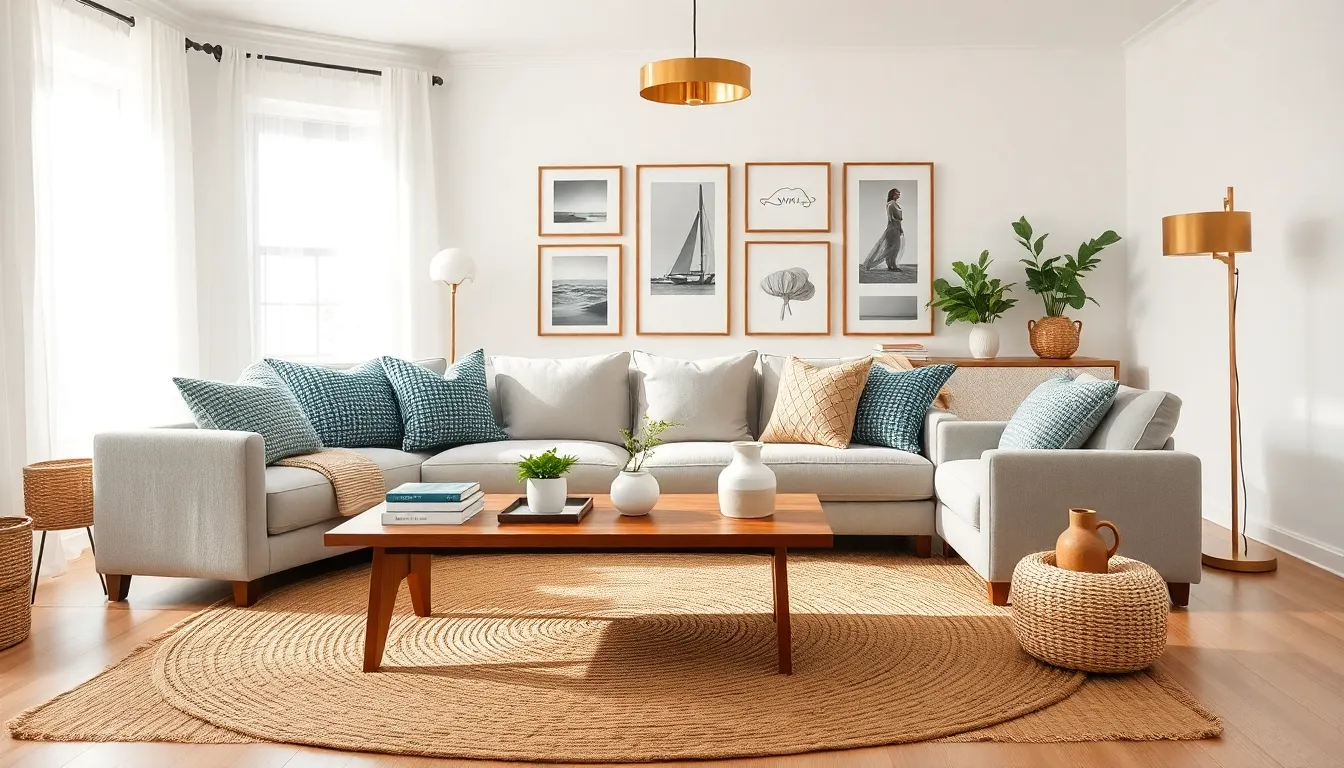
Start by selecting a base color. Neutrals like white, beige, or gray work well because they pair with almost anything. From there, add one or two accent colors. These might appear on throw pillows, rugs, or artwork. A good rule? Use the 60-30-10 formula: 60% dominant color, 30% secondary color, and 10% accent.
Consider the mood each color creates. Blues and greens tend to feel calm. Yellows and oranges bring energy. Deep shades like navy or charcoal add sophistication. Testing paint samples on the wall before committing saves time and frustration.
Rooms that flow into each other benefit from shared colors. A common accent shade carried throughout creates visual continuity. This decorating idea works especially well in open floor plans.
Don’t forget about undertones. A gray with blue undertones won’t match a gray with yellow undertones. Holding samples together in natural light reveals these differences quickly.
Layering Textures and Patterns
Texture adds depth to a room. A space filled with smooth surfaces feels flat. Mixing materials, velvet, linen, wood, metal, creates visual interest and warmth.
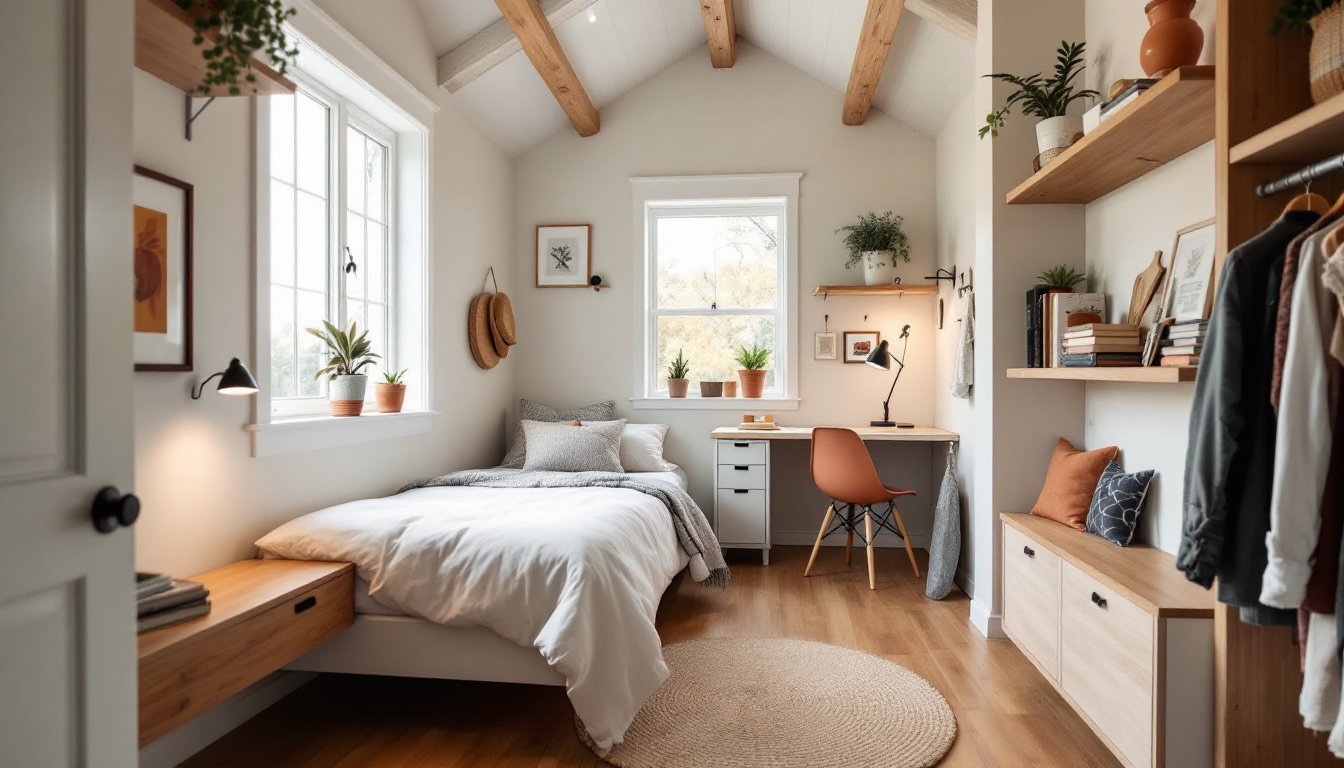
Start with larger pieces. A leather sofa, a woven rug, or a wooden coffee table establishes the base. Then layer smaller items. Throw blankets, cushions, and curtains introduce softer textures. The contrast between rough and smooth, matte and shiny, keeps the eye moving.
Patterns require a bit more balance. Mixing patterns works when they share a common color. A striped pillow and a floral throw can coexist if both contain the same blue. Vary the scale, too. Pair a large geometric print with a smaller, more detailed pattern.
One decorating idea that often gets overlooked: texture on walls. A textured wallpaper, exposed brick, or shiplap adds character without taking up floor space.
Natural elements also contribute texture. Plants, wicker baskets, and stone accents bring organic variety into any design scheme.
Maximizing Natural Light and Lighting Fixtures
Lighting transforms a room’s feel. Natural light makes spaces appear larger and more inviting. Artificial lighting fills in the gaps when the sun sets.
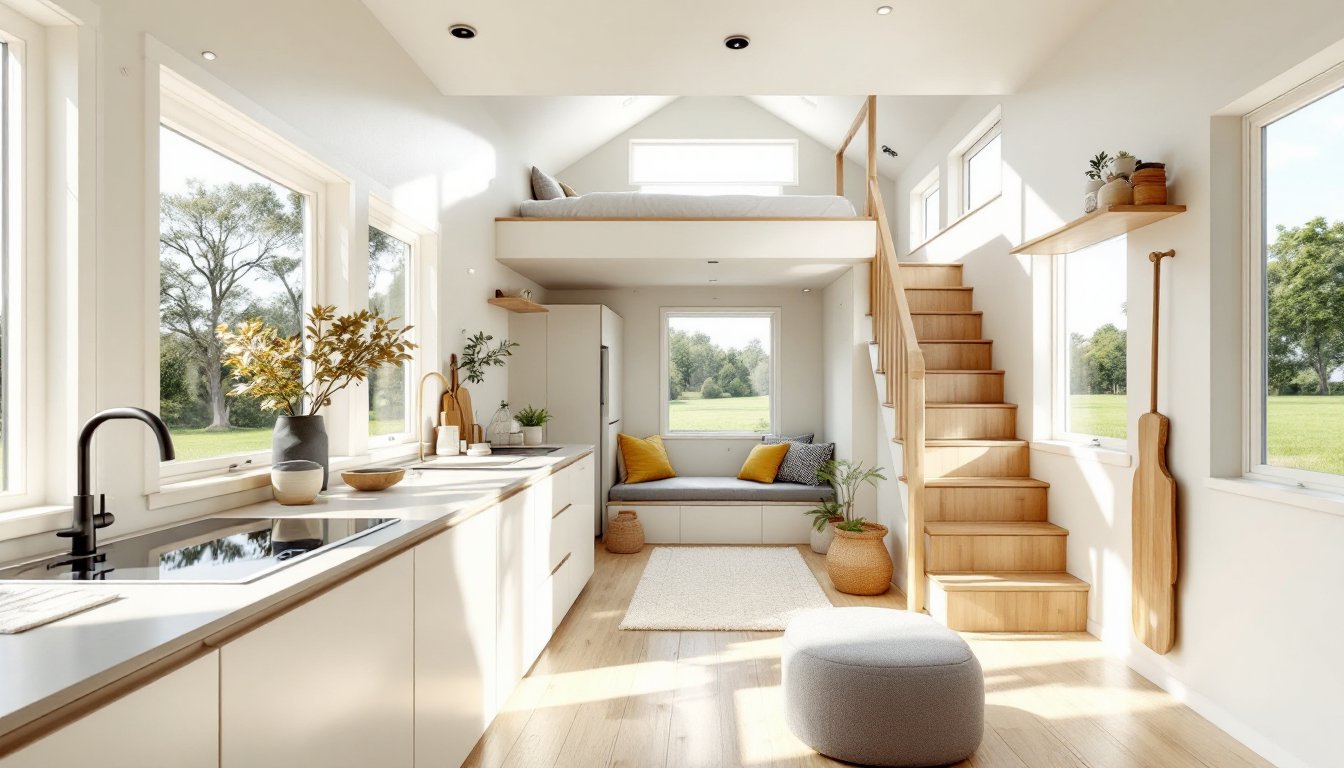
To maximize natural light, keep windows unobstructed. Sheer curtains let sunlight through while maintaining privacy. Mirrors placed across from windows bounce light deeper into the room. Light-colored walls and floors also help reflect brightness.
Artificial lighting should layer three types: ambient, task, and accent. Ambient lighting provides overall illumination, think ceiling fixtures or recessed lights. Task lighting focuses on specific areas, like a reading lamp or under-cabinet kitchen lights. Accent lighting highlights features such as artwork or architectural details.
Dimmers offer flexibility. They allow adjustment based on time of day or activity. A bright setting suits morning routines: a softer glow works for evening relaxation.
Fixture style matters, too. A sculptural pendant or vintage chandelier doubles as a decorating idea in itself. These pieces contribute to the room’s aesthetic while serving a practical function.
Don’t underestimate the power of warm versus cool bulbs. Warm tones (2700K–3000K) feel cozy. Cool tones (4000K+) feel more clinical. Most living spaces benefit from warmer options.
Incorporating Statement Pieces and Personal Touches
Statement pieces anchor a room. A bold sofa, an oversized piece of art, or a unique vintage find gives the eye a place to land. These items express personality and prevent spaces from feeling generic.
Limit statement pieces to one or two per room. Too many compete for attention and create visual chaos. Let one item be the star: let everything else support it.
Personal touches tell a story. Family photos, travel souvenirs, and inherited objects make a house feel lived-in. Display these items intentionally. A gallery wall of framed memories or a shelf of collected objects works better than random placement.
Books also add character. Stacked on a coffee table or filling a bookcase, they signal interests and add color. Mix vertical and horizontal arrangements for variety.
Handmade items, ceramics, woven textiles, original art, bring warmth that mass-produced goods can’t replicate. Local artisan markets and online platforms offer plenty of options.
This decorating idea applies to every budget. A thrifted mirror or a DIY project can be just as impactful as a designer piece.
Budget-Friendly Decorating Tips
Good design doesn’t require a big budget. Smart choices stretch dollars further without sacrificing style.
Start with what’s already there. Rearranging furniture costs nothing and can completely change a room’s feel. Moving a sofa to face a window or swapping art between rooms refreshes the space instantly.
Thrift stores, estate sales, and online marketplaces offer quality pieces at low prices. Solid wood furniture, vintage lamps, and unique frames often cost less secondhand than new alternatives.
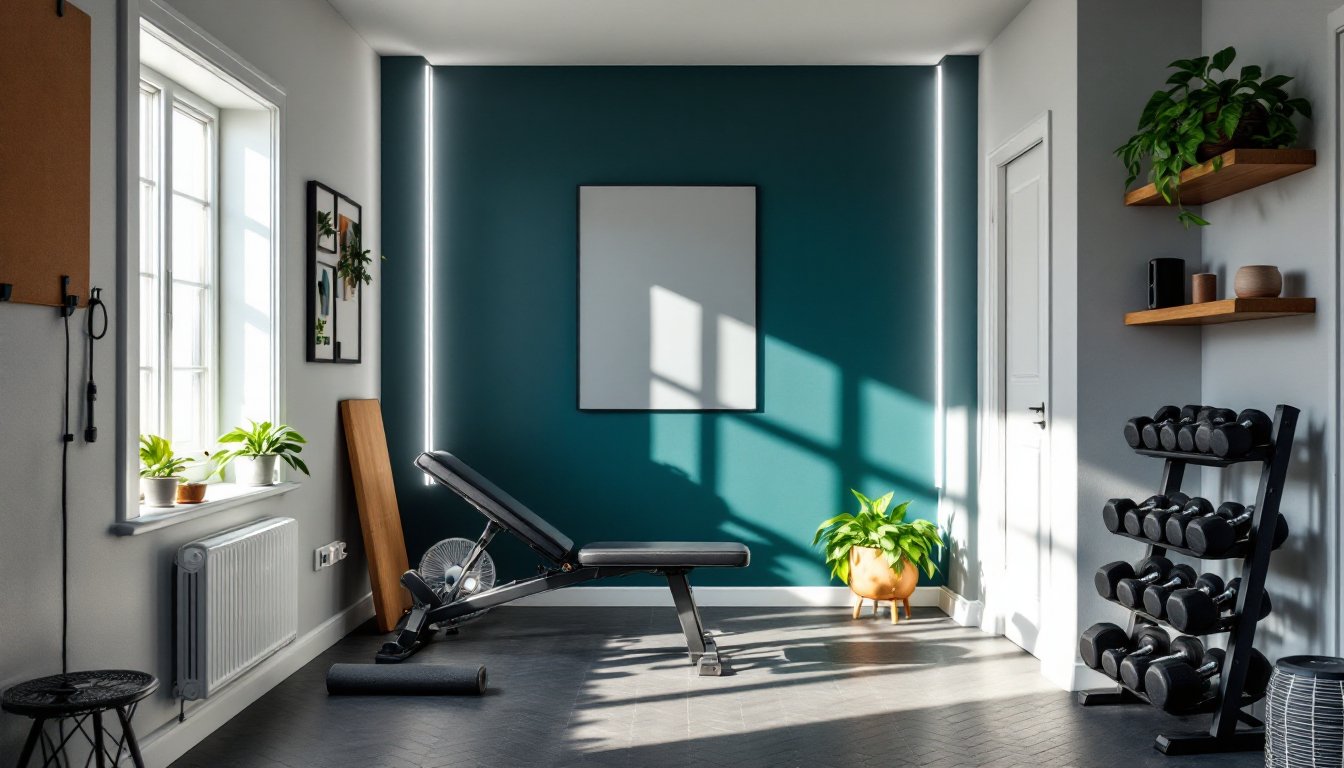
Paint delivers high impact for low cost. A fresh coat on walls, cabinets, or even furniture updates a room quickly. Accent walls require even less paint and still make a statement.
DIY projects save money and add originality. Simple upgrades like changing cabinet hardware, sewing pillow covers, or building floating shelves are achievable for beginners.
Focus spending on items that get daily use. A comfortable sofa or quality mattress deserves investment. Decorative accessories can come from budget sources.
Seasonal swaps keep things fresh without constant spending. Rotating throw pillows, swapping out greenery, or changing candle scents marks the seasons inexpensively.
This decorating ideas guide wouldn’t be complete without this reminder: patience pays off. Waiting for the right piece at the right price beats filling a room with regrettable impulse buys.